What a Boat Shouldn’t Do: 10 Critical Mistakes to Avoid
In my decades navigating everything from dinghies to superyachts, I’ve learned that sailing and boating are as much about what you shouldn’t do as what you should. The sea, for all its beauty, is an unforgiving teacher. While we all crave those perfect, sun-drenched days on the water, a single oversight can quickly turn a dream trip into a nightmare. It’s not always the dramatic storms or unforeseen mechanical failures that cause the biggest headaches; often, it’s the preventable, everyday mistakes born of complacency or lack of knowledge.
Table Of Content
- The Foundations of Safe Boating: Planning, Preparation, and Prudence
- 1. Ignore Weight Capacity (Overloading)
- 2. Neglect Regular Maintenance
- Navigational Awareness and Environmental Respect
- 3. Run Aground in Shallow Water
- 4. Ignore Weather Warnings
- 5. Speed in No-Wake Zones
- Onboard Systems and Emergency Preparedness
- 6. Operate Without Safety Gear
- 7. Drink and Drive (BUI Laws)
- 8. Leave the Drain Plug Out
- 9. Forget to Ventilate Before Starting
- 10. Anchor Improperly in Current
- Conclusion: Mastering the Art of the Avoidable
Like a seasoned mariner scanning the horizon, an experienced boater constantly anticipates potential problems and takes proactive steps to mitigate them. This isn’t about being paranoid; it’s about being prepared, respectful of the elements, and responsible for your vessel and crew. Many of the most common incidents I’ve witnessed, from minor scrapes to serious accidents, could have been entirely avoided with a bit of foresight and adherence to basic best practices. So, let’s dive into the top 10 things your boat should never do, offering you the practical wisdom to keep your voyages smooth, safe, and utterly enjoyable.
The Foundations of Safe Boating: Planning, Preparation, and Prudence
Before you even cast off the lines, the groundwork for a safe journey is laid. Many critical mistakes stem from a lack of proper planning, underestimating the environment, or simply neglecting the vessel itself. Think of your boat as a complex system requiring constant vigilance and respect. Ignoring its needs or the rules of the road is an open invitation for trouble, often leading to costly damage, legal woes, or, worst of all, personal injury.
These first few points address fundamental aspects of readiness, from understanding your vessel’s physical limitations to ensuring it’s mechanically sound and ready for the challenges of the open water. Skipping these steps isn’t just cutting corners; it’s actively increasing your risk profile. Whether you’re a seasoned salt or just got your captain’s hat, a periodic review of these fundamentals is always time well spent.
1. Ignore Weight Capacity (Overloading)
What a boat absolutely shouldn’t do is carry more passengers or gear than its manufacturer-specified capacity. Every vessel, from a small tender to a large yacht, has a capacity plate, usually near the helm, detailing the maximum weight and number of people it can safely accommodate. This isn’t an arbitrary suggestion; it’s a critical safety limit determined by engineers to ensure the boat maintains stability, buoyancy, and proper handling characteristics.
Overloading dramatically reduces freeboard (the distance from the waterline to the deck), making the boat more susceptible to swamping, especially in choppy conditions or when crossing wakes. It also raises the boat’s center of gravity, significantly increasing the risk of capsizing. Beyond safety, an overloaded boat strains the engine, wears out components faster, and negatively impacts performance and fuel efficiency. I once saw a party boat, packed to the gills with revelers, struggle to make headway in a moderate chop, taking water over the bow with every wave – a terrifying sight that could have ended very differently.
The Fix: Always check your boat’s capacity plate before departing. If you’re unsure, err on the side of caution. Distribute weight evenly, keeping heavy items low and centered. Remember that the capacity includes not just people, but also fuel, water, provisions, fishing gear, and any other equipment you bring aboard. When in doubt, leave it out, or better yet, plan for another trip with fewer passengers or less gear.
2. Neglect Regular Maintenance
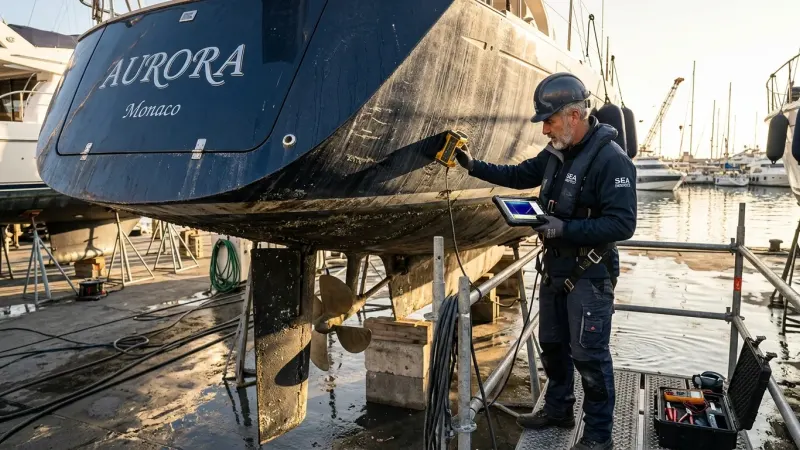
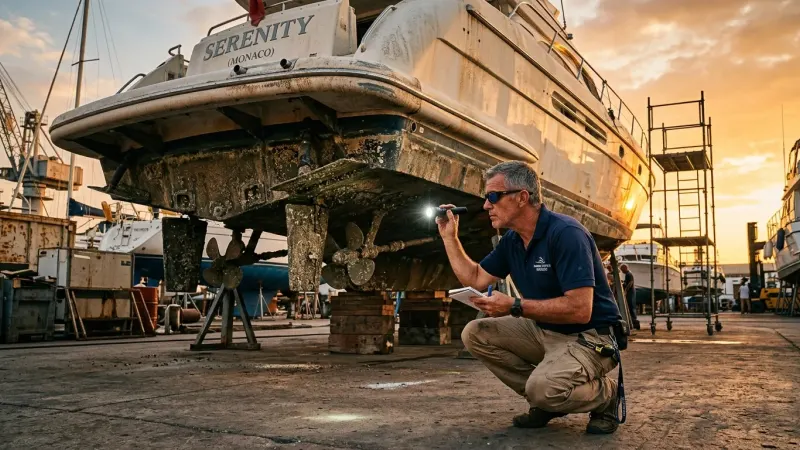
Allowing your boat to sit unused for months, or even weeks, without proper upkeep is a surefire way to invite trouble. Boats operate in a harsh environment, constantly exposed to saltwater, sun, and vibration. Neglecting regular maintenance isn’t just about reducing efficiency; it’s about setting yourself up for breakdowns at the most inconvenient (and potentially dangerous) times. Common issues arising from neglect include corroded battery terminals leading to starting failures, clogged fuel lines causing engine stalls, and hull blisters that compromise structural integrity.
Beyond the critical engine and hull components, steering systems can seize, electrical connections can fail, and pumps can clog. Imagine being miles offshore when your engine sputters and dies because of a neglected fuel filter, or discovering your bilge pump isn’t working when you start taking on water. These aren’t just inconveniences; they can be life-threatening situations. The cost of preventative maintenance pales in comparison to the expense and stress of an emergency repair or salvage operation.
The Fix: Implement a robust seasonal maintenance checklist. This includes winterizing in cold climates, regular engine flushes after saltwater use, checking oil levels, inspecting belts and hoses, cleaning fuel filters, and maintaining battery charge. A thorough pre-season check and a brief pre-departure walk-through for every trip can catch small issues before they become major problems. Consider keeping a maintenance log to track service dates and hours, much like you would for your car.
Navigational Awareness and Environmental Respect
Once underway, your focus shifts to the immediate environment – the water beneath your hull, the weather above, and the other vessels around you. Many boating incidents are direct consequences of a lack of situational awareness or a disregard for established rules and natural phenomena. The sea demands respect, and those who fail to give it often learn a hard lesson.
This section emphasizes the importance of good seamanship, using the right tools, and understanding your impact on waterways and other users. It’s about being a responsible steward of your vessel and the marine environment, ensuring not just your safety but the safety and enjoyment of everyone else on the water.
3. Run Aground in Shallow Water
Speeding through unknown waters without checking your depth is one of the quickest ways to ruin a good day on the boat. Running aground can cause significant damage to your vessel, particularly the propeller, shaft, rudder, and the lower unit of an outboard or sterndrive. In severe cases, it can puncture the hull, leading to immediate danger of sinking. Even a soft grounding can leave you stranded for hours until the tide rises or help arrives, a situation that’s inconvenient at best and dangerous in foul weather or remote locations.
I’ve seen countless props mangled and expensive outdrives shattered by careless navigation in skinny water. It’s often compounded by boaters relying solely on visual cues, which can be deceptive, especially with changing tides or murky water. The financial hit can be substantial, with repairs easily running into thousands of dollars, not to mention the lost time on the water.
The Fix: Always use a depth finder, nautical charts (both paper and electronic on a chartplotter), and local knowledge. Go slow in unfamiliar or shallow areas, observing buoys and markers carefully. Pay attention to tide tables and understand how they affect water levels in your cruising grounds. A good rule of thumb: “If in doubt, don’t go out” or, at the very least, proceed at a slow, no-wake speed, continuously monitoring your depth sounder.
4. Ignore Weather Warnings
Venture out in storms, high winds, or heavy seas, and you’re not just taking a risk; you’re inviting disaster. The weather can change rapidly on the water, turning a calm day into a treacherous one in a matter of minutes. Sudden waves can swamp a boat, lightning strikes are a real threat, and reduced visibility in fog or heavy rain can lead to collisions or disorientation. Ignoring marine forecasts is a gamble you simply cannot afford to lose, as the consequences can range from extreme discomfort and seasickness for your crew to capsizing and loss of life.
Many a boating trip has been cut short or never begun because of prudent skippers heeding a forecast for high winds or squalls. It’s not a sign of weakness; it’s a sign of good seamanship. The ocean, lakes, and rivers have a raw power that demands respect. A small craft advisory, for example, is a direct warning that conditions are unsuitable for smaller boats, and ignoring it is an act of sheer recklessness.
The Fix: Always check multiple weather forecasts before and during your trip. Utilize resources like NOAA Marine Forecasts, local weather apps (Windy.com, PredictWind), and VHF weather channels. Understand marine weather terminology and what different advisories mean for your vessel. If the forecast looks iffy, postpone your trip or seek a sheltered anchorage. There will always be another day to go boating, but you only have one life.
5. Speed in No-Wake Zones
Ignoring slow-speed or no-wake zones near docks, marinas, swim areas, or environmentally sensitive regions is not just inconsiderate; it’s often illegal and certainly dangerous. The large wake generated by a boat traveling at speed can cause significant damage to moored vessels, docks, and shoreline property. More critically, it poses a direct hazard to swimmers, kayakers, paddleboarders, and small craft, who can be swamped or capsized by unexpected waves.
In addition to the immediate dangers, excessive speed in restricted areas can disturb sensitive wildlife habitats and contribute to shoreline erosion. Marine patrol units take these violations seriously, and you can expect a hefty fine, points on your boating record, or even a temporary suspension of your boating privileges. It’s an easily avoidable mistake that shows a profound lack of respect for fellow water users and the environment.
The Fix: Learn and observe all local boating laws and regulations. Pay close attention to no-wake buoys and signage, which clearly delineate these zones. Understand what “no-wake” truly means: your boat should be moving at the slowest possible speed necessary to maintain steerage, creating minimal to no wake behind it. Be a courteous boater, and others will appreciate it.
Onboard Systems and Emergency Preparedness
The final set of critical mistakes often relates to onboard systems and a lack of preparedness for the unexpected. These are the details that, when overlooked, can lead to immediate and severe consequences. From ensuring your boat stays afloat to preventing explosions, these points highlight the importance of routine checks and understanding the inherent risks of a marine environment.
Being a responsible boat owner means being intimately familiar with your vessel’s crucial systems and ensuring that vital safety equipment is not just present, but also functional and easily accessible. It’s about taking ownership of your safety and the safety of everyone who steps aboard your boat.
6. Operate Without Safety Gear
Setting sail without the legally required and essential safety gear is not only illegal but profoundly irresponsible. The U.S. Coast Guard, and similar authorities worldwide, mandate specific safety equipment for a reason: it saves lives. Life jackets (PFDs), visual distress signals (flares), a sound-producing device (horn), and a fire extinguisher are non-negotiable items. Operating without them dramatically increases the risk of drowning, makes it harder to signal for help in an emergency, and leaves you defenseless against common onboard hazards like fires.
Think about it: if someone falls overboard, an immediately accessible and properly sized life jacket is their best chance. If you experience an engine fire, a working fire extinguisher can prevent total loss of your vessel. These aren’t just items to check off a list; they are critical tools that should be inspected regularly for serviceability and expiry dates. Sadly, many fatalities could have been prevented if proper safety gear had been onboard and used.
The Fix: Maintain a USCG-approved safety kit onboard and ensure all items are in good working order and easily accessible. Conduct a pre-departure safety briefing with all passengers, showing them where the life jackets are, how to use the fire extinguisher, and what to do in an emergency. Ensure you have enough PFDs for every person aboard, and that they fit correctly. For children, they should wear them at all times while underway.
7. Drink and Drive (BUI Laws)
Operating a boat while intoxicated, known as Boating Under the Influence (BUI), is just as dangerous, and carries similar legal penalties, as driving a car under the influence. Alcohol, drugs, and even some medications impair judgment, slow reaction times, and diminish coordination – all critical faculties for safely operating a vessel. The sun, wind, and motion of a boat can amplify the effects of alcohol, making a person feel more intoxicated than they would on land.
The risks are immense: increased likelihood of collisions, people falling overboard, or accidental groundings. Federal and state BUI laws are strictly enforced, with penalties including hefty fines, jail time, and loss of boating and even driving privileges. The USCG reports that alcohol consumption is the leading known contributing factor in fatal boating accidents. It’s a risk that’s simply not worth taking, both for your safety and the safety of everyone else on the water.
The Fix: Assign a designated sober operator before you leave the dock, just as you would for a car. Enjoy alcoholic beverages responsibly, or save them for when you’re safely moored or docked. Provide plenty of non-alcoholic options for your passengers and designated skipper. Remember, a day on the water should be memorable for its fun, not for a tragedy.
8. Leave the Drain Plug Out
This sounds like an elementary mistake, but it happens with surprising regularity, often with devastating consequences. Launching your boat without checking if the drain plug is securely in place is akin to trying to drive a car without wheels. The result is immediate: your boat will begin to fill with water, and if not caught quickly, it will sink at the dock or shortly after leaving it. The damage to engines, electronics, upholstery, and stored gear from saltwater immersion can be catastrophic and incredibly expensive to repair, often leading to a total loss.
I’ve personally witnessed the panicked scramble as a boater realizes their mistake, often too late, watching their prized possession slowly slip beneath the waves. The embarrassment quickly turns to despair as the reality of salvage costs and extensive repairs sets in. This is a classic “ounce of prevention” scenario.
The Fix: Make the drain plug a mandatory item on your pre-launch checklist. Many boaters attach a brightly colored tag or even a small chain from the plug to the ignition key to serve as a visual reminder. Always double-check visually and manually before backing down the ramp or lowering your boat into the water. It takes mere seconds and can save you thousands of dollars and untold heartache.
9. Forget to Ventilate Before Starting
Ignoring fuel fumes in enclosed spaces, particularly the engine compartment, is an extremely dangerous oversight that can lead to a violent explosion. Gasoline vapors are heavier than air and can accumulate in low-lying areas of the bilge. When mixed with air in the right concentration, these vapors are highly combustible. A spark from starting the engine, flipping a light switch, or even static electricity can ignite them, turning your boat into a fireball.
Beyond explosion risks, improper ventilation can also lead to carbon monoxide (CO) poisoning, especially in boats with enclosed cabins or poorly vented generators. CO is an odorless, colorless gas produced by internal combustion engines and generators, and it can be deadly. Symptoms like headache, dizziness, and nausea are often mistaken for seasickness, but prolonged exposure can be fatal.
The Fix: Always run your bilge blowers for at least four minutes (and often longer for larger boats) before starting your engine, and leave them running while underway, especially at slow speeds. Sniff around the engine compartment for any lingering fuel odors. Ensure your boat is equipped with a working carbon monoxide detector, particularly in sleeping areas, and regularly check its batteries. If you smell fuel, investigate immediately and do not start the engine until the source is identified and resolved.
10. Anchor Improperly in Current
Dropping anchor without enough scope (the ratio of anchor rode length to water depth plus freeboard) is a common mistake that almost guarantees your anchor won’t hold. When there isn’t enough rode paid out, the anchor’s pull angle is too steep, preventing the flukes from digging properly into the seabed. The result? Your boat drags anchor, potentially drifting into other vessels, rocks, shoals, or the shoreline. This can lead to collisions, groundings, or the loss of your anchor and rode.
Strong currents, wind, and wave action only exacerbate the problem, putting immense strain on a poorly set anchor. I’ve seen boats drag across entire anchorages, creating havoc and danger for everyone around. Proper anchoring isn’t just about stopping; it’s about securely holding your position against the forces of nature.
The Fix: The generally accepted minimum scope is 5:1 (five feet of rode for every foot of depth, including the height of your bow from the water). In rougher conditions, stronger currents, or overnight anchoring, 7:1 or even 10:1 is recommended. Ensure you have an appropriately sized anchor for your boat and the expected bottom type. After dropping, power back gently to “set” the anchor, then visually confirm your position relative to fixed objects on shore to ensure you’re not dragging. A good anchor watch, especially overnight or in changing conditions, is crucial.
Conclusion: Mastering the Art of the Avoidable
By now, you’ve likely realized that many of the most significant dangers on the water aren’t grand, unpredictable events. Instead, they often stem from a series of small, avoidable oversights and a lack of respect for fundamental boating principles. My decades on the water have taught me that the best sailors and powerboaters aren’t necessarily the ones with the biggest boats or the fastest engines; they are the ones who prioritize safety, meticulous maintenance, and responsible operation above all else.
Avoiding these 10 critical mistakes isn’t just about preventing accidents or costly repairs; it’s about cultivating a mindset of preparedness and proactive risk management. It means understanding your vessel, respecting the marine environment, and valuing the safety of your crew and fellow boaters. Every time you cast off, you assume a profound responsibility. By internalizing these lessons, you’re not just preventing problems; you’re enhancing your skills, building confidence, and ensuring that every moment you spend on the water is precisely what it should be: a pure, unadulterated pleasure. Sail smart, stay safe, and enjoy the incredible freedom that only boating can offer.