


Winterizing Your Boat: Step-by-Step Guide to Off-Season Protection
As the vibrant boating season draws to a close, it’s easy to feel a pang of sadness. But for us seasoned sailors and powerboat enthusiasts, the end of summer isn’t just a farewell; it’s a vital opportunity. It’s time to show our beloved vessels some serious care and attention by winterizing them. Think of it as tucking your boat into a safe, warm bed for the cold months ahead, ensuring she wakes up refreshed and ready for adventure next spring. Neglecting this crucial process can lead to costly damage, from frozen pipes to corroded engines. Trust me, I’ve seen it all in my decades on the water and helping folks find their boat. Let’s get her ready!
Table Of Content
- Winterizing Your Boat: Step-by-Step Guide to Off-Season Protection
- Why Winterize? More Than Just Avoiding Freezing
- Step 1: The Engine & Propulsion System – The Heart of Your Vessel
- Step 2: Plumbing & Water Systems – Preventing Costly Burst Pipes
- Step 3: Exterior & Hull Care – Protecting Your Shine
- Step 4: Interior & Equipment – A Cozy Retreat
- Step 5: Sails & Rigging (For Sailboats)
- Step 6: Final Checks & Storage
- Your Boat, Protected and Ready for New Adventures
Why Winterize? More Than Just Avoiding Freezing
While preventing freeze damage to your engine, freshwater system, and seacocks is paramount, winterizing is also about long-term preservation. It’s a comprehensive maintenance ritual that addresses corrosion, protects delicate electronics, and ensures sails and rigging remain in top condition, whether you own a nimble Catalina 30 day sailer or a robust Lagoon catamaran bluewater cruiser. It’s an investment in your vessel’s longevity and your peace of mind.
Step 1: The Engine & Propulsion System – The Heart of Your Vessel
Whether you have an inboard diesel (like a Yanmar or Volvo Penta), an outboard, or a saildrive on a sailing yacht, the engine is arguably the most critical component to protect.
- Fuel System Treatment: Fill your fuel tank to prevent condensation, then add a marine-grade fuel stabilizer. Run the engine for 10-15 minutes to ensure the treated fuel circulates through the entire system. This is vital for both gasoline and diesel engines to prevent fuel degradation and microbial growth.
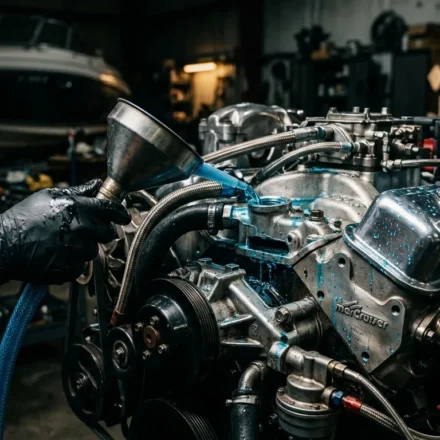
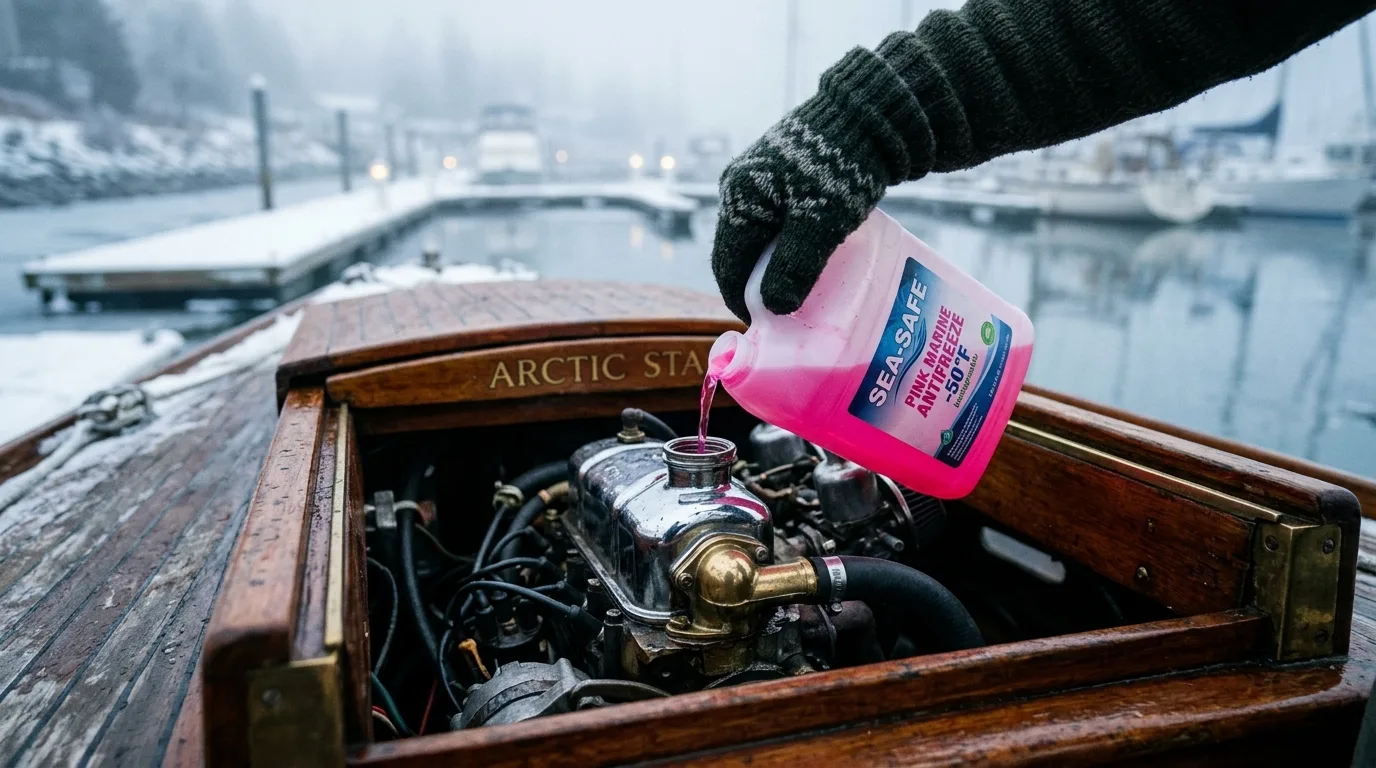
- Cooling System Flush & Antifreeze: For raw water-cooled engines, flush the system with fresh water (often using “earmuffs” for outboards or a thru-hull adapter for inboards). Then, run non-toxic marine antifreeze through the system until it exits the exhaust. This prevents freezing and corrosion. Closed-loop cooled engines (with a heat exchanger) still need their raw water side flushed and protected with antifreeze. Check your engine’s internal coolant levels, too.
- Oil & Filter Change: Old oil contains corrosive acids. Change your engine oil and oil filter (and fuel filter for diesels) before storage. This ensures fresh, clean lubricant protects internal components over the winter.
- Fogging (Gas Engines): For gasoline engines, spray fogging oil into the carburetor or throttle body until the engine stalls. This coats the cylinder walls and prevents rust during storage.
- Lubricate & Inspect:
Grease all fittings, check anodes (zinc or aluminum sacrificial anodes that prevent corrosion), and lubricate moving parts like shift linkages. Remove the propeller and check the prop shaft for fishing line or damage.
- Battery Care: Remove batteries, clean the terminals, and store them in a cool, dry place. Charge them periodically or use a trickle charger to maintain their charge.
Step 2: Plumbing & Water Systems – Preventing Costly Burst Pipes
From the freshwater tanks on a Beneteau Oceanis cruiser to the head on an Axopar 28 center console, water systems are highly vulnerable to freeze damage.
- Drain All Water Tanks: Completely drain freshwater, greywater, and blackwater (holding) tanks. Flush the head system thoroughly.
- Antifreeze in Plumbing: Pump non-toxic marine antifreeze through all freshwater lines, hot water heaters (bypassed first!), shower sumps, and head systems until it comes out of every faucet, showerhead, and the head discharge. Don’t forget the washdown pumps!
- Seacocks: Close all seacocks – valves that control water intake or discharge through the hull. If possible, ensure antifreeze has run through the associated thru-hulls.
Step 3: Exterior & Hull Care – Protecting Your Shine
Your hull, whether fiberglass, aluminum, or wood, deserves attention after a season of sun and salt.
- Thorough Cleaning: Wash and wax the entire hull, deck, and topsides. Remove all salt, grime, and environmental buildup. This prevents staining and protects the gelcoat.
- Bottom Paint Inspection: If your boat is hauled out (removed from the water), inspect your bottom paint for wear. Note areas needing attention for spring. Check transducers and other thru-hull fittings.
- Covering: Invest in a good quality, breathable boat cover. This protects against UV rays, snow, ice, and debris, preventing mold and mildew. Ensure proper ventilation.
Step 4: Interior & Equipment – A Cozy Retreat
Just like your home, the interior needs care to prevent musty odors and damage to fabrics and electronics.
- Clean & Remove: Remove all food, linens, cushions, and valuables. Clean the refrigerator, freezer, and lockers. Leave locker doors ajar for air circulation.
- Dehumidify: Place moisture absorbers (DampRid or similar) throughout the cabin to combat condensation and mildew. For larger vessels or damp climates, a small thermostatically controlled heater or dehumidifier might be necessary.
- Electronics: Disconnect or remove delicate electronics (GPS, VHF radios, etc.) and store them in a dry, temperature-controlled environment.
- Safety Gear: Inspect and clean all safety gear – life jackets, flares, fire extinguishers. Note anything needing replacement for spring.
Step 5: Sails & Rigging (For Sailboats)
For sailors, whether you pilot a sloop or a ketch, your sails and rigging are paramount.
- Sail Care & Storage: Remove all sails (mainsail, genoa, spinnaker). Clean them of salt and dirt, ensure they are thoroughly dry, then fold or roll them loosely and store them in a cool, dry, rodent-free place. This prevents mildew and extends their life.
- Rigging Inspection: Inspect all standing and running rigging. Look for chafe, corrosion, or wear on lines, shrouds, and stays. Lubricate turnbuckles. Consider removing sensitive electronics or instruments from the mast.
Step 6: Final Checks & Storage
Before you walk away, a few last considerations.
- Ensure your boat is securely blocked or resting on stable jack stands if it’s stored on land.
- Check for any potential entry points for rodents or insects and seal them.
- Review your insurance policy – confirm you have adequate coverage for winter storage.
Your Boat, Protected and Ready for New Adventures
Winterizing your boat might seem like a chore, but it’s truly an act of love. By dedicating a bit of time now, you’re not just preventing damage; you’re preserving the vessel that carries your dreams, your family memories, and your sense of freedom. Whether it’s a small day sailer under 25 ft or a larger bluewater 40+ ft cruiser, every boat deserves this care. So, roll up your sleeves, follow these steps, and next spring, you’ll be among the first to cast off the lines, confident that your boat is eager for another season of sunsets on the horizon and the thrill of the open water. Happy winterizing, and I look forward to seeing you out there!