

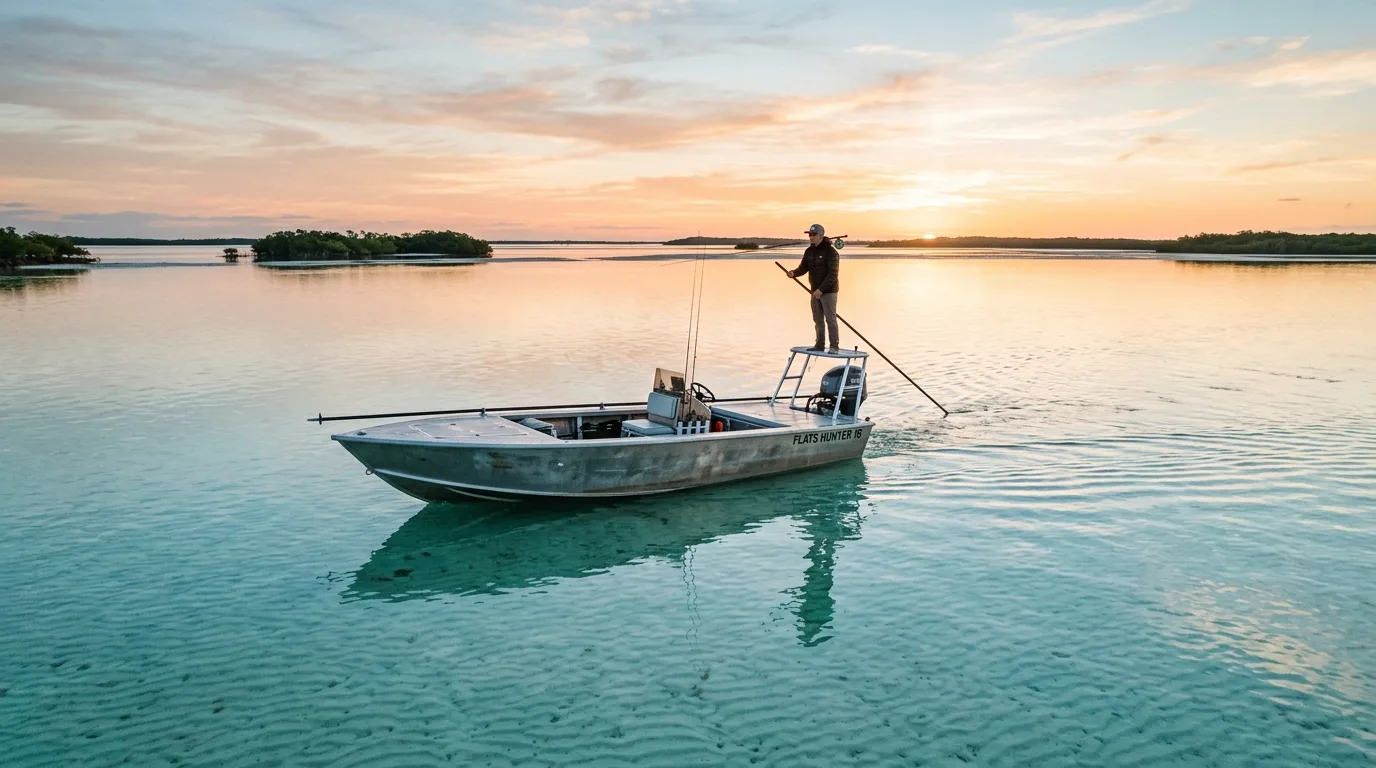

As someone who’s spent decades navigating everything from blue water cruising yachts to tiny skiffs exploring hidden creeks, I’ve seen countless vessels come and go. Yet, there’s one boat type that consistently earns my profound respect for its sheer utility and unwavering performance in a very specific, yet critical, domain: the aluminum skiff boat. Often dismissed by the uninitiated as just a “tin boat,” these vessels are, in fact, incredibly sophisticated workhorses. They represent a perfect marriage of robust engineering and thoughtful design, making them the undisputed champion of shallow water navigation.
Table Of Content
- The Lightweight Powerhouse: Why Aluminum is Engineered for Skinny Water
- Unmatched Durability and Resilience
- Efficiency That Pays Off
- Hull Designs: The Blueprint for Skinny Water Access
- The Unrivaled Jon Boat: Extreme Shallow Draft
- The Versatile Mod-V Skiff: A Balanced Approach
- High-Performance Flats Skiffs: Specialized Skinny Water Machines
- Real-World Dominance: Scenarios Where Skiffs Shine Brightest
- Inshore Fishing Paradises
- Utility, Workhorse, and Outdoor Pursuits
- Exploration and Family Recreation
- Owning an Aluminum Skiff: Practical Considerations & Enduring Value
- Maintenance Made Easy
- A Smart and Enduring Investment
- Top Manufacturers and What to Look For
Think about it: those pristine, untouched fishing grounds, the secluded coves teeming with wildlife, or the secret passages through coastal marshes and winding rivers. These are the places that often remain inaccessible to larger, deeper-draft boats. This is precisely where the aluminum skiff shines, not just reaching these areas, but thriving in them. Its ability to float in mere inches of water, shrug off impacts, and offer a stable platform for a variety of activities is truly unparalleled. Let’s explore exactly why these remarkable boats stand head and shoulders above the rest when the water gets skinny.
The Lightweight Powerhouse: Why Aluminum is Engineered for Skinny Water
At the heart of the aluminum skiff’s dominance lies its fundamental construction material. Marine-grade aluminum isn’t just tough; it’s incredibly lightweight for its strength, a combination that pays huge dividends in shallow water. Unlike fiberglass, which relies on bulk and intricate layering for rigidity, aluminum achieves its strength through its alloy composition and structural design, allowing for a far lighter hull. This reduced weight is the single biggest factor contributing to its shallow-water prowess.
Consider the science: less weight means less displacement, and less displacement means the boat floats higher on the water’s surface. This translates directly to an exceptionally shallow draft, allowing you to venture into areas where even a few inches of extra depth would mean running aground. While a comparable fiberglass boat might draw 8-10 inches, a well-designed aluminum skiff often floats in 4-6 inches, sometimes even less when poling. This difference isn’t just marginal; it’s the difference between exploring a new fishing spot and being stuck on a sandbar.
Unmatched Durability and Resilience
Beyond its buoyancy, aluminum boasts a legendary toughness that is particularly vital in challenging shallow-water environments. Oyster beds, submerged logs, rocky bottoms, and sandbars are commonplace hazards. Where a fiberglass hull might suffer a catastrophic puncture or expensive gelcoat damage from such encounters, an aluminum skiff typically endures nothing more than a cosmetic dent or a scrape. I’ve personally seen aluminum skiffs bounce off obstacles that would send a fiberglass boat to the repair shop for weeks, if not months.
Repairability is another significant advantage. Minor dents can often be pounded out, and more serious damage, while rare, can be expertly welded, restoring the hull’s integrity with relative ease. This contrasts sharply with fiberglass repair, which often involves grinding, layering, and meticulous cosmetic finishing, incurring significant time and cost. The inherent resilience of marine-grade aluminum, typically alloys like 5052 or 6061, means these boats are built to last, often providing 30 to 40 years of service with proper care, making them an excellent long-term investment for any boater.
Efficiency That Pays Off
The lightweight nature of aluminum skiffs also translates into remarkable operational efficiency. Because the hull displaces less water, it requires significantly less horsepower to achieve plane and maintain speed compared to a heavier fiberglass counterpart. This means you can often power an aluminum skiff with a smaller, more fuel-efficient outboard engine, leading to substantial savings at the pump.
Furthermore, their lighter weight makes them incredibly easy to tow, often requiring only a smaller SUV or even a modest sedan, rather than a heavy-duty truck. This reduces wear and tear on your tow vehicle and simplifies launches and retrievals. For those who frequently move their boat between different waterways or need to launch in remote areas with less developed ramps, the ease of towing an aluminum skiff is a practical benefit that cannot be overstated.
Hull Designs: The Blueprint for Skinny Water Access
While the material itself is a game-changer, the specific hull designs employed in aluminum skiffs are what truly optimize them for shallow water. The term “skiff” itself traditionally implies a shallow-draft boat, and when combined with aluminum, these designs become even more effective. There’s not a one-size-fits-all, but rather a spectrum of designs, each tailored to different levels of shallow water exploration and comfort.
Understanding these hull types is crucial for selecting the right aluminum skiff for your specific needs. Each design presents a unique compromise between ultimate shallow-water access, stability at rest, and ride quality in choppy conditions. Your local waterways and typical usage will dictate which design is your champion.
The Unrivaled Jon Boat: Extreme Shallow Draft
The quintessential aluminum skiff, the Jon boat, is characterized by its almost perfectly flat bottom and squared-off bow. This design is the absolute king when it comes to minimal draft, allowing the boat to “skim” over the water’s surface in just a few inches of depth. For extreme shallow-water fishing, duck hunting in flooded timber, or navigating barely submerged oyster bars, nothing comes close to a Jon boat.
Its flat bottom also provides exceptional stability at rest, making it an ideal platform for standing and casting, or for passengers moving around. However, this design does come with a trade-off: in choppy conditions, a flat-bottomed Jon boat can deliver a rough, “pounding” ride. The lack of a V-shape to cut through waves means it tends to slap against them. Despite this, for those whose primary mission is accessing the absolute skinniest water in calm conditions, the Jon boat remains the ultimate tool.
The Versatile Mod-V Skiff: A Balanced Approach
For boaters seeking a smoother ride without significantly sacrificing shallow-water capability, the Modified-V (Mod-V) skiff offers an excellent compromise. These boats feature a distinct V-shape in the bow, which gradually flattens out towards the stern. This hybrid design allows the bow to cut through small chop more effectively than a true flat-bottomed Jon boat, providing a noticeably softer ride in light to moderate waves.
While a Mod-V might draw an inch or two more water than a pure Jon boat, it still maintains an impressively shallow draft, typically allowing access to most skinny water areas. The improved ride comfort makes it a more versatile option for those who might occasionally venture into open bays or larger rivers where some chop is inevitable. Many modern aluminum skiff manufacturers, recognizing this balance, offer Mod-V designs that excel for inshore fishing and general utility.
High-Performance Flats Skiffs: Specialized Skinny Water Machines
At the pinnacle of shallow-water performance within the aluminum skiff world are specialized high-performance flats boats. These are often Mod-V or even slightly modified flat-bottom designs, but they are engineered with extreme precision for shallow water. They feature wide beams for stability, integrated poling platforms, expansive casting decks, and often tunnel hulls that encapsulate the prop, allowing the engine to be run higher out of the water. This combination results in drafts as low as 4-5 inches while on plane, and still incredibly shallow at rest.
These boats are typically all-welded for maximum strength and rigidity, often paired with powerful, yet efficient, outboards and hydraulic jack plates to fine-tune the engine height for optimal performance in varying depths. While more expensive than basic Jon boats, they offer unparalleled access and performance for serious anglers targeting redfish, snook, and bonefish in the most challenging shallow-water environments.
Real-World Dominance: Scenarios Where Skiffs Shine Brightest
The theoretical advantages of the aluminum skiff translate into undeniable real-world supremacy across a spectrum of activities. From professional guides to casual weekend warriors, people choose these boats because they consistently deliver where other boats falter. It’s not just about getting there; it’s about performing flawlessly once you are there.
My own experiences often involve guiding clients into areas where the water is so clear and shallow, you can literally see the bottom through the prop wash. Without the minimal draft of an aluminum skiff, those moments – spotting a tailing redfish on a grass flat or witnessing a flock of roseate spoonbills feeding in a hidden estuary – would simply be impossible. It’s in these moments that the skiff’s dominance becomes not just apparent, but essential.
Inshore Fishing Paradises
For anglers, the aluminum skiff is a gateway to fishing nirvana. The ability to navigate tidal creeks, oyster bars, expansive grass flats, and shallow back bays opens up access to species like redfish, snook, speckled trout, and flounder that thrive in these skinny waters. Many of these areas are nurseries for marine life, offering incredible fishing action that deeper boats can only dream of reaching.
Furthermore, the stability of a flat or Mod-V bottom makes for an excellent casting platform. Whether you’re sight fishing with artificial lures or fly fishing in a few inches of water, the solid footing provided by an aluminum skiff ensures you can make accurate casts without feeling tippy. The quiet operation of a small outboard or electric trolling motor, combined with its shallow draft, also allows for a stealthy approach, minimizing disturbance to spooky fish.
Utility, Workhorse, and Outdoor Pursuits
Beyond fishing, the aluminum skiff’s ruggedness and shallow-water access make it an indispensable tool for a variety of utility and outdoor applications. Duck hunters frequently rely on them to access remote impoundments and flooded timber, where logs and stumps are common. The skiff’s ability to take a hit and keep going is invaluable in these environments.
Conservationists, researchers, and even commercial crabbers and shrimpers utilize aluminum skiffs to traverse sensitive wetlands and shallow estuaries for monitoring, sampling, and harvesting. Their low maintenance, durability, and ability to carry gear into hard-to-reach places make them a perfect work platform. I’ve seen these boats used for everything from recovering downed buoys to ferrying supplies across flooded campgrounds – true workhorses of the water.
Exploration and Family Recreation
For families and recreational boaters, the aluminum skiff unlocks a world of exploration. Imagine taking your kids into a secluded cove to discover hermit crabs, birdwatching in an undisturbed mangrove tunnel, or simply enjoying a picnic on a remote sandbar accessible only by the shallowest of boats. These experiences create lasting memories and foster a deeper connection with nature.
Because they are generally simple to operate and incredibly forgiving, aluminum skiffs are also a fantastic entry point into boating. Their inherent stability provides a sense of security, while their ruggedness means you don’t have to constantly worry about every bump and scrape. This makes them ideal for teaching new boaters the ropes or for casual outings where the destination is less important than the journey of discovery.
Owning an Aluminum Skiff: Practical Considerations & Enduring Value
If you’re now considering an aluminum skiff for your next aquatic adventure, you’re not alone. Thousands of boaters recognize the profound value these vessels offer. However, like any significant purchase, it’s wise to consider the practicalities of ownership, from maintenance to market value, to ensure you’re making the right decision for your boating lifestyle.
My personal take? An aluminum skiff is one of the smartest investments a shallow-water enthusiast can make. They are not just boats; they are keys to unlocking experiences that remain out of reach for almost every other type of vessel. Their blend of practicality, performance, and long-term value is simply unmatched in their niche.
Maintenance Made Easy
One of the most appealing aspects of aluminum skiff ownership is the relatively low maintenance required. Unlike fiberglass boats that demand meticulous gelcoat care, waxing, and constant vigilance against spider cracks, aluminum hulls are wonderfully forgiving. A simple hose-down after each use, especially in saltwater, is often all that’s needed to keep the hull clean and prevent corrosion.
Of course, marine-grade aluminum is corrosion-resistant, but it’s not immune. Regular checks of sacrificial anodes (zincs) and ensuring proper electrical grounding are crucial, particularly in saltwater environments, to prevent galvanic corrosion. Beyond that, typical outboard engine maintenance applies. This simplicity translates to more time on the water and less time in the driveway, a win-win for any boater.
A Smart and Enduring Investment
The market for aluminum skiffs, both new and used, is remarkably robust, and for good reason. Their legendary durability means they hold their value exceptionally well. Unlike many fiberglass boats that can see significant depreciation over time due to cosmetic wear and tear, a well-maintained aluminum hull can last for decades, with the engine often being the primary factor dictating resale value.
New aluminum skiff prices are highly competitive, ranging from basic 12-foot Jon boats for a few thousand dollars (often boat-only) to fully outfitted 18-20 foot high-performance flats skiffs that can reach upwards of $70,000, complete with powerful outboards, advanced electronics, and custom features. On the used market, you can find incredible deals. A 5-10 year old aluminum skiff from a reputable manufacturer with a well-maintained four-stroke outboard can often be had for $10,000 to $25,000, offering tremendous value and years of reliable service.
Top Manufacturers and What to Look For
The aluminum skiff market is populated by several excellent manufacturers known for their quality and innovation. Brands like Xpress Boats are renowned for their all-welded hulls and high-performance flats and bay boats. Lowe Boats offers a diverse lineup, from utilitarian Roughneck Jon boats to more refined Mod-V skiffs, providing excellent value. Crestliner is another strong player, particularly with their durable, all-welded Mod-V and Deep-V fishing boats like the Retriever series, known for superior tracking.
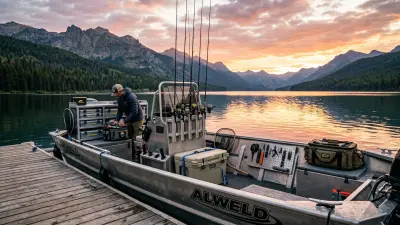
Tracker Marine, with their popular Grizzly Jon Boats and Pro Team series, offers accessible, budget-friendly options that have introduced countless individuals to boating. War Eagle Boats, mentioned in the original content, are also a highly respected manufacturer, particularly known for their robust, all-welded duck boats and fishing skiffs. When buying, always consider whether a riveted or all-welded hull is best for your usage – welded hulls generally offer superior strength for high-impact or high-performance applications, while riveted hulls can be lighter and more economical for casual use.
In conclusion, the aluminum skiff boat’s reign in shallow water is not a matter of opinion, but a testament to superior design, materials science, and practical application. Its lightweight nature, incredible durability, and fuel efficiency, combined with specific hull designs tailored for minimal draft, make it the ultimate tool for accessing those hard-to-reach, pristine waterways. Whether you’re a serious angler, a passionate hunter, a nature enthusiast, or simply someone looking for a reliable and versatile boat to explore new horizons, the aluminum skiff boat offers an unmatched proposition. It’s more than just a boat; it’s your ticket to an entirely new world of aquatic adventure.