


The Unmistakable Allure of the American Flag Pontoon
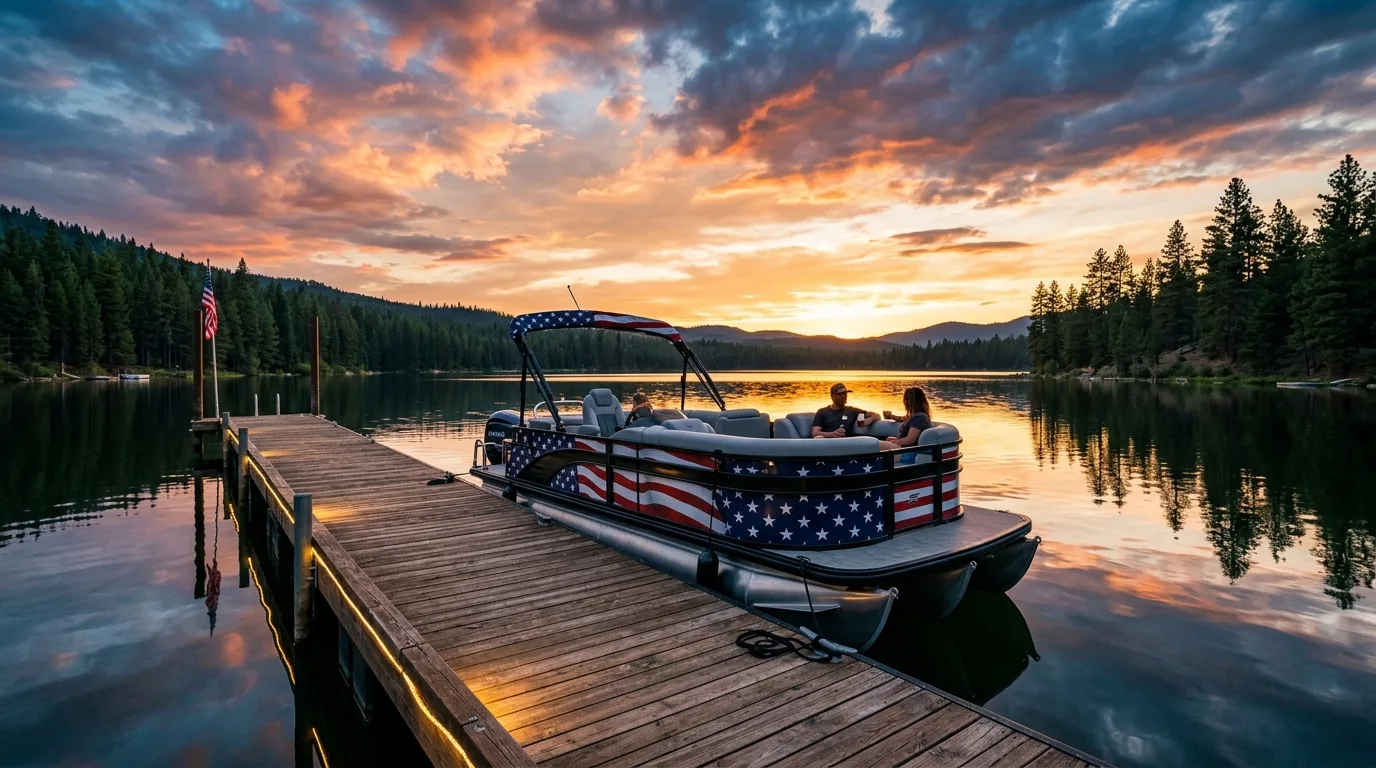
Ah, the pontoon boat. For many of us in the marine industry, our careers began on or around these stable, versatile platforms long before we ever set foot on a grand yacht. I remember distinctly a scorching summer afternoon on Lake of the Ozarks, the air thick with the smell of sunscreen and gasoline, watching a parade of pontoons. One, in particular, caught my eye – a vibrant American flag, almost dancing in the breeze from its stern, perfectly complementing the laughter and splashing coming from the boat. It wasn’t just a flag; it was a statement of joy, freedom, and community, all wrapped up in the simple pleasure of a day on the water. Having navigated everything from luxury catamarans across the Mediterranean to rugged trawlers battling the North Atlantic, I can tell you that while the vessels change, the spirit of boating remains constant. And there’s truly something special about a pontoon boat, especially one proudly flying the Stars and Stripes.
Table Of Content
- The Unmistakable Allure of the American Flag Pontoon
- Choosing Your Perfect Stars and Stripes Cruiser: Pontoon Options Explained
- Hull Configurations: From Classic Pontoons to High-Performance Tritoons
- Powering Your Patriotism: Engine Choices and Performance
- Deck Layouts and Amenities: Customizing Your Comfort
- Flying the Flag: Etiquette, Care, and Creative Displays
- Understanding Maritime Flag Etiquette
- Selecting the Right Flag and Mounting Hardware
- Beyond the Flag: Enhancing Your Patriotic Pontoon Experience
- Essential Accessories for Pontoon Boating
- Maintenance Tips for Longevity and Pride
- Community and Celebrations: Where Your Flagged Pontoon Shines
Pontoon boats have come a long way from their humble beginnings as utilitarian barges. Today, they represent some of the most versatile and comfortable recreational vessels on the market. Their unique design, characterized by two or three aluminum tubes (pontoons) supporting a broad, flat deck, maximizes usable space and stability, making them ideal for a wide range of activities. This adaptability, combined with their ease of operation and maintenance, has fueled an incredible surge in popularity. In fact, pontoon sales have consistently been a leading segment in the recreational boat market for years, often accounting for 20-25% of all new boat sales in North America, reflecting their broad appeal and versatility across diverse demographics.
Why do these vessels hold such a special place, and why is the American flag such a common sight on their sterns? It’s their inherent adaptability. Are you looking to host a family reunion on the water? A pontoon boat offers ample seating, often with plush lounges and even dining areas. Do you envision spirited watersports, towing tubers or wakeboarders? Many modern pontoons, especially tritoons (three pontoons), are equipped with powerful engines and sport-specific features to deliver thrilling performance. Perhaps a peaceful morning of fishing is more your style? Fishing-focused pontoons come with livewells, rod holders, and specialized seating. The stability provided by the pontoons makes them incredibly stable in calm to moderately choppy waters, perfect for lakes, rivers, and protected coastal bays. This stability reduces motion sickness and makes boarding and moving around the deck much easier, a significant advantage for families with young children or elderly passengers. For many boat owners, the vessel is an extension of their personality, their values, and their passions. Flying the American flag from a pontoon boat is a powerful statement, evoking a sense of patriotism, community, and the freedom that boating so beautifully embodies. It’s a nod to tradition, a celebration of national pride, and often, simply a beautiful visual that enhances the boating experience.
Choosing Your Perfect Stars and Stripes Cruiser: Pontoon Options Explained
The “American Flag Pontoon Boat” isn’t a specific model you can simply order; rather, it’s any pontoon boat you choose to adorn with the Stars and Stripes. This means the options are as vast as the boating community itself, offering incredible flexibility to match your exact needs and desires. With dozens of manufacturers and countless configurations, choosing the right pontoon boat can feel overwhelming. However, by understanding the core distinctions and aligning them with your primary needs and desired activities, you can quickly narrow down the field and find the perfect platform for your patriotic adventures on the water.
Hull Configurations: From Classic Pontoons to High-Performance Tritoons
The fundamental choice in pontoon design revolves around its hull configuration. You have the classic two-pontoon models, often perfect for leisurely cruising on smaller lakes, fishing, or simply relaxing. These tend to be more budget-friendly, lighter, and easier to trailer, making them an excellent entry point into pontoon ownership. They offer superb stability for calm waters and ample deck space for entertaining, making them a fantastic choice for those prioritizing relaxation and intimate gatherings.
Then there are tritoons, which feature a third, central pontoon. This addition significantly enhances performance, stability, and load capacity. The additional tube allows for larger engines, often with V-shaped planning hulls integrated into the central pontoon, enabling higher speeds and a smoother ride through choppier waters. If you envision watersports like tubing, wakeboarding, or skiing, or if you plan to navigate larger lakes and protected coastal areas, a tritoon is often the superior choice. Many luxury pontoons are tritoons, offering a more robust feel and handling that rivals traditional V-hull boats.
Powering Your Patriotism: Engine Choices and Performance
The engine is the heart of your pontoon, dictating its performance, speed, and fuel efficiency. Almost all pontoons are powered by outboard engines, which offer excellent accessibility for maintenance and a wide range of horsepower options. For smaller, two-tube pontoons intended for leisurely cruising or fishing, engines ranging from 50 to 90 horsepower are often sufficient, providing economical operation and adequate thrust for serene days on the water.
However, if watersports are on your agenda or you have a larger tritoon, you’ll want to look at significantly more power. Modern tritoons can comfortably handle outboards from 150 horsepower all the way up to 450 horsepower or more, transforming them into veritable speed demons capable of thrilling performance. Brands like Mercury Marine, Yamaha, Suzuki, and Honda all offer reliable, fuel-efficient 4-stroke outboards that are perfectly suited for pontoon applications. When selecting an engine, consider not just top speed, but also hole shot (how quickly it gets on plane), fuel economy at cruising speeds, and the manufacturer’s recommended maximum horsepower for your specific boat model.
Deck Layouts and Amenities: Customizing Your Comfort
One of the pontoon’s greatest strengths is the sheer variety of deck layouts and customizable amenities available. This is where your personal style and intended usage truly come into play. For the avid angler, fishing-focused pontoons are equipped with features like aerated livewells to keep your catch fresh, multiple rod holders, swivel fishing seats, and often a dedicated workstation for cleaning fish. These layouts prioritize open casting areas and easy access to the water.
If cruising and entertaining are your priorities, you’ll find layouts with plush L-shaped lounges, comfortable bucket seats, removable dining tables, and even wet bars or integrated coolers. Luxury models, such as those from Bennington, Avalon, or Harris, might include premium upholstery, LED accent lighting, high-end sound systems, and even private changing rooms or enclosed heads (marine toilets). For watersports enthusiasts, look for boats with powerful ski tow bars, ample storage for gear, upgraded sound systems to pump out tunes, and sturdy reboarding ladders. Many pontoons also offer bimini tops or even full canvas enclosures, providing essential shade and protection from the elements, ensuring comfort for everyone on board, rain or shine.
Flying the Flag: Etiquette, Care, and Creative Displays
Flying the American flag from your pontoon boat is a proud tradition, but it comes with a certain responsibility to honor its symbolism. Understanding maritime flag etiquette isn’t just about following rules; it’s about showing respect for the flag and the nation it represents. I’ve seen countless flags flying for all sorts of reasons: during holiday weekends like the Fourth of July or Memorial Day, as a constant display of national pride, or even as a symbol of local community events. It’s not just about the flag itself, but what it represents to the individual boater – a connection to a larger heritage, a sense of belonging, and the sheer joy of celebrating life on the water under the banner of one’s nation.
Understanding Maritime Flag Etiquette
The basic rules for displaying the American flag on a boat are straightforward. The national ensign, which is the U.S. flag, should always be flown from the stern of the boat, typically on a staff, as this is considered the position of honor. If your boat has a mast, the ensign can be flown from the gaff, or if not, from the most prominent position on the stern. It should be hoisted at sunrise and lowered at sunset, unless it is properly illuminated throughout the night. It is customary to lower the flag during inclement weather, though many modern flags are designed for all-weather use.
Crucially, the flag should never touch the water, nor should it be used as a cover for anything. When other flags are flown, such as burgees (club flags) or courtesy flags in foreign waters, the national ensign always takes precedence and is flown higher or in a more prominent position. For example, a burgee is typically flown from the bow or a mast, while the American flag remains at the stern. Following these simple guidelines ensures you are showing proper respect and upholding the tradition of maritime flag display.
Selecting the Right Flag and Mounting Hardware
Choosing the right flag involves considering durability, size, and material. For marine environments, nylon or heavy-duty polyester flags are recommended due to their excellent resistance to UV rays, salt spray, and wind. A good quality flag will last longer and maintain its vibrant colors, saving you the hassle of frequent replacements. As a general rule, the length of the flag should be approximately one inch for every foot of boat length; so, a 24-foot pontoon would typically fly a 24-inch (2-foot) long flag. However, for pontoons, which often have wide beams and ample stern space, you might opt for a slightly larger flag for better visibility and aesthetic impact, ensuring it remains proportionate.
Mounting hardware is equally important. A sturdy flag staff, often made of stainless steel or polished wood, is essential. There are various mounting options available: a dedicated stern staff holder, a rail-mount bracket that attaches to your pontoon’s railing, or even a bracket that integrates with your stern light pole. Ensure the mounting is secure and can withstand wind and boat speed. Regularly inspect your flag for wear and tear, especially along the fly end, and replace it when it becomes frayed or faded. Proper care, including occasional washing with mild soap and water, will extend the life of your flag and keep it looking its best as it proudly waves behind your pontoon.
Beyond the Flag: Enhancing Your Patriotic Pontoon Experience
Beyond the undeniable statement of flying the Stars and Stripes, the true joy of an American flag pontoon boat lies in the comprehensive boating experience it offers. It’s about creating unforgettable memories, embracing the freedom of the open water, and enjoying the camaraderie that comes with pontoon ownership. As someone who has helped countless clients find their ideal vessel, I always emphasize that the boat is just the beginning; the accessories, maintenance, and community involvement truly complete the picture.
Essential Accessories for Pontoon Boating
To truly maximize your pontoon experience and ensure safety, certain accessories are non-negotiable. First and foremost, safety gear: ensure you have enough U.S. Coast Guard-approved life jackets for every person on board, especially children. Flares, a first-aid kit, a fire extinguisher, a sound-producing device (horn), and a throwable flotation device are also mandatory and critical for emergencies. Beyond safety, a reliable anchoring system is crucial. Pontoons often benefit from a fluke-style anchor (like a Danforth) or a box anchor, paired with sufficient chain and rode, suitable for the specific bottom conditions of your favorite waterways. Don’t forget docking essentials like fenders to protect your pontoons from bumps and scrapes, and sturdy dock lines for securing your boat safely.
For convenience and enjoyment, consider electronics like a GPS chartplotter for navigation, especially if you venture into larger or unfamiliar waters. A fish finder can transform a casual outing into a productive fishing trip, even for recreational anglers. Quality sound systems, often with Bluetooth connectivity, are standard on many modern pontoons, but you might consider upgrades for better audio quality or marine-specific speakers. Finally, LED lighting, both above and below the waterline, not only adds ambiance for evening cruises but also enhances visibility and safety, making your pontoon a beacon of fun after dark.
Maintenance Tips for Longevity and Pride
Owning a boat, regardless of its size, requires a commitment to proper maintenance to ensure its longevity and your continued enjoyment. For pontoons, this starts with the tubes themselves. Regular cleaning of the aluminum pontoons is essential to prevent oxidation and keep them looking shiny. Specialized aluminum cleaners and pontoon polish can work wonders. The deck, often made of marine-grade plywood covered with vinyl or carpet, requires regular washing and occasional deep cleaning to prevent mildew and staining. Upholstery, especially in sunny climates, benefits from UV protectants and prompt cleaning of spills to prevent fading and cracking.
Engine maintenance is paramount. Follow your outboard manufacturer’s recommended service schedule, which typically includes oil changes, fuel filter replacements, and spark plug checks. Winterization is a critical step in colder climates, protecting your engine and plumbing from freezing temperatures. Lastly, don’t neglect your trailer if you frequently transport your pontoon. Check tire pressure, wheel bearings, and lights before every trip. A well-maintained pontoon not only performs better but also retains its value, ensuring your investment continues to bring you joy for years to come. In my experience, a little preventative care goes a long way in avoiding costly repairs down the line.
Community and Celebrations: Where Your Flagged Pontoon Shines
Perhaps one of the most heartwarming aspects of owning an American flag pontoon boat is the sense of community it fosters. There’s an undeniable camaraderie among pontoon owners, often evident during holiday weekends like the Fourth of July or Memorial Day. Picture a lake alive with decorated pontoons, flags waving, music playing, and families enjoying fireworks from the water – it’s truly an experience that embodies the spirit of American freedom and togetherness. Local lake events, raft-ups, and poker runs are perfect opportunities to showcase your patriotic vessel and connect with fellow boaters.
Your American flag pontoon isn’t just a boat; it’s a mobile celebration of life, leisure, and national pride. It’s a focal point for family gatherings, a launchpad for adventure, and a symbol of cherished traditions. Whether you’re quietly fishing at dawn, zipping across the lake with tubers in tow, or hosting a floating picnic, the presence of the Stars and Stripes adds a layer of meaning and festivity. It’s a testament to the enduring appeal of the pontoon boat – a vessel designed for bringing people together, making memories, and truly living the American dream on the water.