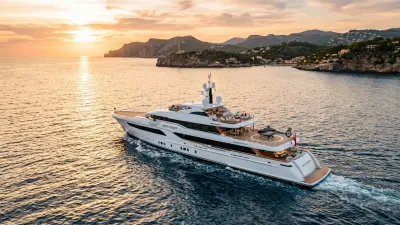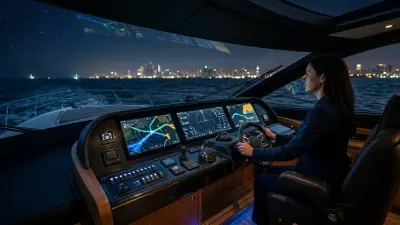

There's a unique allure to long-range motor yacht cruising – the promise of freedom, discovery, and waking up to a new horizon every day. It's about shedding the lines of routine and embracing the vastness of the ocean, truly living on your own terms. But this incredible journey isn't just about point-and-shoot navigation; it demands meticulous preparation, the right equipment, and a robust mindset of self-sufficiency. If you're contemplating stretching your yacht's legs far beyond the usual weekend jaunts, then you've come to the right place to start plotting your course.
The Foundation: Your Yacht & Its Core Systems
Before you even think about setting off for distant shores, you need to be absolutely confident in your vessel. A long-range motor yacht cruising adventure truly begins with a thorough understanding and preparation of the boat itself. We're talking about more than just a quick engine check; this is about knowing every system inside and out, ensuring redundancy, and addressing potential weak points before they become critical failures miles from help. Honestly, a well-maintained yacht is your best first mate.
Engine & Propulsion Systems: Your Heartbeat at Sea
Your engines are the heart of your long-range motor yacht. For extended voyages, you'll want to ensure they are not just running, but running optimally and reliably. This means having a recent, comprehensive service history, fresh fluids, filters, and impellers. But what happens if something unexpected crops up? Redundancy here is key. Many serious cruisers opt for twin engines, which provides a crucial backup. Beyond that, consider spare propellers, a prop puller, and a well-stocked toolkit for minor repairs. In my opinion, knowing how to bleed a fuel line or change a primary filter is as important as knowing how to read a chart. It’s about empowerment through knowledge.
Electrical & Power Generation: Keeping the Lights On
Modern yachts are veritable floating homes, and that means a significant demand for electricity. For extended voyage planning, your power generation and storage capabilities are paramount. This typically involves robust battery banks, often supplemented by a reliable generator. Consider adding alternative charging sources like solar panels or wind generators, especially if you plan on extended anchoring in remote areas. A solid inverter is non-negotiable for running AC appliances, and a detailed understanding of your electrical schematics is vital for troubleshooting. Imagine being thousands of miles from the nearest chandlery and losing your navigation electronics – what then?
Water & Waste Management: Essential for Self-Sufficiency
Fresh water is a precious commodity on any boat, but even more so when you're far from marinas. A watermaker is practically essential gear for long-range motor yacht cruising. Ensure it's regularly serviced and you have spare filters and membranes. Managing waste, both blackwater and greywater, is equally important. Understand local and international regulations for discharge and equip your yacht with adequate holding tank capacity. Let me add something here: investing in a good quality filtration system for your fresh water tanks also makes a huge difference in taste and safety.

Navigating the Unseen: Essential Planning for Extended Voyages
Once your yacht is shipshape, the next critical phase is planning. This isn't just about pointing your bow in a general direction; it's a deep dive into logistics, safety, and anticipation. This is where you transform a dream into a feasible, safe, and enjoyable reality.
Route Planning & Weather Intelligence
Careful route planning is the cornerstone of safe long-range motor yacht cruising. This involves studying charts, identifying safe anchorages, potential fuel stops, and understanding prevailing currents and weather patterns. Digital navigation tools are fantastic, but never underestimate the value of paper charts as a backup. Modern weather routing software and services are invaluable for predicting conditions days, even weeks, in advance. You'll want to be able to download weather GRIB files via satellite communication or single-sideband radio, allowing you to make informed decisions about your course and timing. Knowing when to shelter, and where, can literally save your boat.
Provisioning for the Long Haul
Yacht provisioning for an extended trip is an art form. You're not just stocking up for a weekend; you're planning meals and supplies for weeks or months, potentially far from supermarkets. Think non-perishable goods, dehydrated foods, and items that can be stored without refrigeration for a time. Don't forget cleaning supplies, personal hygiene products, and a generous supply of favorite snacks and treats – morale is important! A good inventory system helps avoid overstocking or, worse, running out of something critical. For example, imagine this situation: you're two weeks into a remote crossing, and you realize you forgot coffee filters. A minor inconvenience, perhaps, but one that can easily be avoided with a thorough checklist.
Crew & Safety Briefings: Everyone on Board
Whether you're cruising with family or a dedicated crew, everyone on board needs to be aware of safety procedures and their roles. Conduct thorough safety briefings, including locations of all boating safety equipment, how to use the VHF radio, emergency procedures (man overboard, fire, flooding), and dinghy operation. Assign specific duties for watchkeeping and emergency situations. A well-drilled crew is a safe and happy crew, and understanding responsibilities fosters a sense of collective yacht self-sufficiency.
Equipping for the Long Haul: Gear You Can't Live Without
Beyond the yacht's core systems, there's a myriad of gear that transforms a simple boat into a formidable long-range cruiser. This isn't about luxury; it's about practical necessity and preparedness for any eventuality.
Navigation & Communication Essentials
While your primary navigation system is crucial, backups are non-negotiable. This means a secondary GPS, a robust autopilot (with a spare pump or motor if possible), and possibly a sextant for old-school celestial navigation if you're truly adventurous. For communication, a long-range VHF radio is standard, but a satellite phone or an SSB radio becomes vital once you're beyond cell tower range. EPIRBs (Emergency Position Indicating Radio Beacons) and personal AIS beacons are absolute must-haves for alerting authorities in an emergency. These devices are your lifeline to the outside world.
Safety & Emergency Equipment
This category is extensive and deserves your full attention. Beyond the standard flares, first aid kit, and life jackets, consider what you'd need if things go truly sideways. Here’s a quick list of some non-negotiables for offshore yacht gear:
- Offshore Life Raft: Serviced annually, easily deployable.
- Ditch Bag: Pre-packed with emergency supplies (water, food, first aid, signaling devices).
- High-Capacity Bilge Pumps: Both automatic and manual, with spares.
- Fire Suppression System: For engine room, plus portable extinguishers throughout the yacht.
- Storm Drogue or Sea Anchor: For stability in extreme weather.
- Medical Kit: Much more comprehensive than a basic one, potentially including prescription medications, sutures, and antibiotics (with appropriate training or consultation).
The truth is, while we hope to never use these items, their presence offers immense peace of mind and, more importantly, can be the difference between life and death. Don't skimp here.
Tools & Spares: Your Mobile Workshop
A long-range motor yacht needs to be equipped as a mobile workshop. Think comprehensive tool kits, including both metric and imperial wrenches, screwdrivers, pliers, multimeters, and specialized marine tools. As for spares, the list can seem endless, but focus on critical wear-and-tear items and components prone to failure. Here’s a simplified breakdown:
| System | Essential Spares | Why it Matters |
|---|---|---|
| Engine | Fuel filters, oil filters, impellers, belts, hoses, fuses, engine oil | Prevents common breakdowns; critical for propulsion |
| Electrical | Assorted fuses, bulbs, wire, crimp connectors, spare relays, battery terminals | Maintains essential power for navigation, communication, comfort |
| Plumbing | Hose clamps, various plumbing fittings, pump repair kits, watermaker filters | Ensures fresh water supply and waste management |
| Deck & Rigging | Assorted lines, shackles, clevis pins, duct tape, zip ties, epoxy, sealant | For general repairs, securing items, and addressing leaks |
| Navigation | Spare GPS unit, handheld VHF, backup charts, extra batteries for handhelds | Ensures continuous positional awareness and communication |
This table is just a starting point, of course. Your yacht’s specific make and model will have its own unique requirements. The goal is to be able to make most common repairs without needing outside assistance.
The Art of Self-Sufficiency: Keeping Your Yacht & Crew Thriving
Yacht self-sufficiency is more than just having the right gear; it's a philosophy, a skillset, and a deep understanding of living autonomously on the water. It’s about relying on your own resources and ingenuity.
Maintenance & Troubleshooting Skills
As mentioned, knowing your yacht is critical. This extends to developing basic marine maintenance tips and troubleshooting skills. Take courses in diesel engine repair, marine electrical systems, and plumbing. Learn how to identify potential issues before they escalate. A simple noise or smell can be an early warning sign. You become the engineer, the electrician, and the plumber, all rolled into one. This proactive approach drastically reduces the chances of major incidents and boosts your confidence.
Energy & Resource Management
On a long voyage, every drop of fuel, every watt of electricity, and every liter of fresh water counts. Develop habits that conserve resources: turn off lights, limit generator run time, use fresh water sparingly. Monitor your tank levels religiously. This mindful approach to resource consumption is a hallmark of truly self-sufficient cruisers. It's not about deprivation; it's about smart management.
Medical Preparedness & First Aid
Far from shore, you are your own primary healthcare provider. A basic first aid kit won't cut it. Invest in an advanced marine medical kit and, more importantly, get proper training. Take a Wilderness First Responder or advanced marine first aid course. Understand how to manage trauma, infections, allergic reactions, and common illnesses. Consider consulting with a doctor knowledgeable in remote medicine for personalized advice on medications to carry. This is an area where being overly prepared is always the right choice.
Common Pitfalls and How to Avoid Them
Even the most experienced cruisers can make mistakes. Recognizing potential pitfalls is a crucial step in avoiding them and ensuring a smooth long-range motor yacht cruising experience.
Underestimating Weather & Sea Conditions
One of the biggest mistakes is failing to respect the ocean. Always err on the side of caution when it comes to weather. Don't push your luck to make a schedule. Waiting out a storm safely at anchor or in a marina is always better than battling it offshore. Always have multiple sources for weather forecasts and know how to interpret them for your specific vessel and planned route. To be fair, even the best forecasts can be wrong, which is why having contingency plans is so important.
Neglecting Regular Maintenance
It's easy to get caught up in the excitement of cruising and let routine maintenance slide. Don't. A small, unaddressed issue can quickly snowball into a major problem offshore. Stick to a rigorous maintenance schedule. Check fluid levels, belts, hoses, and electrical connections regularly. Proactive maintenance is your best defense against unexpected breakdowns.
Inadequate Spares & Tools
As discussed, yacht self-sufficiency hinges on being able to fix things yourself. Many cruisers learn this the hard way by not carrying enough spares or the right tools. When you're hundreds of miles from the nearest marine supply store, improvisation only gets you so far. Compile your spares list carefully, guided by your yacht's manual and advice from other experienced cruisers.
What to Watch Out For
Beyond specific gear and planning, there are broader aspects to keep an eye on when undertaking long-range motor yacht cruising. These often involve a keen awareness of your surroundings and your own capabilities.
Firstly, watch out for "destinationitis." It’s that urge to push on, ignoring fatigue or deteriorating weather, just to reach a planned waypoint. This can lead to poor judgment and dangerous situations. Remember, the journey itself is the reward, and flexibility is your greatest asset. Secondly, be acutely aware of your fuel consumption versus available fuel. Always have a significant reserve, far more than you think you might need. Unexpected currents, weather, or detours can drastically alter your consumption. I always factor in at least a 20-30% reserve, even after conservative calculations. It's cheap insurance, trust me.
Finally, keep a close watch on crew morale and fatigue. Long passages can be demanding, and a tired or unhappy crew is a less effective and potentially unsafe crew. Schedule regular breaks, encourage good sleep hygiene, and foster a positive, supportive atmosphere on board. Sometimes, simply having a favorite meal or a good movie night can make all the difference to spirits.
Frequently Asked Questions
What is a good cruising speed for long distances?
The ideal cruising speed for long-range motor yacht cruising is typically one that maximizes fuel efficiency, often referred to as "hull speed" or slightly below, where your yacht is comfortable and stable. This varies by yacht design but is generally a slower, more economical pace than you might use for day trips, allowing for significant fuel savings and extended range.
How much fuel should I carry for an offshore trip?
Always calculate your fuel consumption conservatively, factoring in potential head seas, currents, and generator usage. A common recommendation is to carry enough fuel for your planned journey, plus at least a 20-30% reserve. This buffer accounts for unforeseen circumstances and ensures you have a safe margin.
What communication methods are best offshore?
For extended voyage planning, a multi-faceted approach to communication is best. This typically includes a robust VHF radio for line-of-sight communication, a satellite phone (or Starlink for data) for reliable voice and internet services, and potentially an SSB (single-sideband) radio for long-distance voice communication and GRIB file weather downloads.
The dream of long-range motor yacht cruising is within reach for those willing to put in the work. It’s a journey that challenges you, rewards you, and ultimately transforms you. By equipping yourself with the right gear, planning meticulously, and cultivating a spirit of yacht self-sufficiency, you’ll be ready to embrace the vast, beautiful world that lies just beyond the horizon. Get out there, explore, and create those unforgettable memories on the open water!