


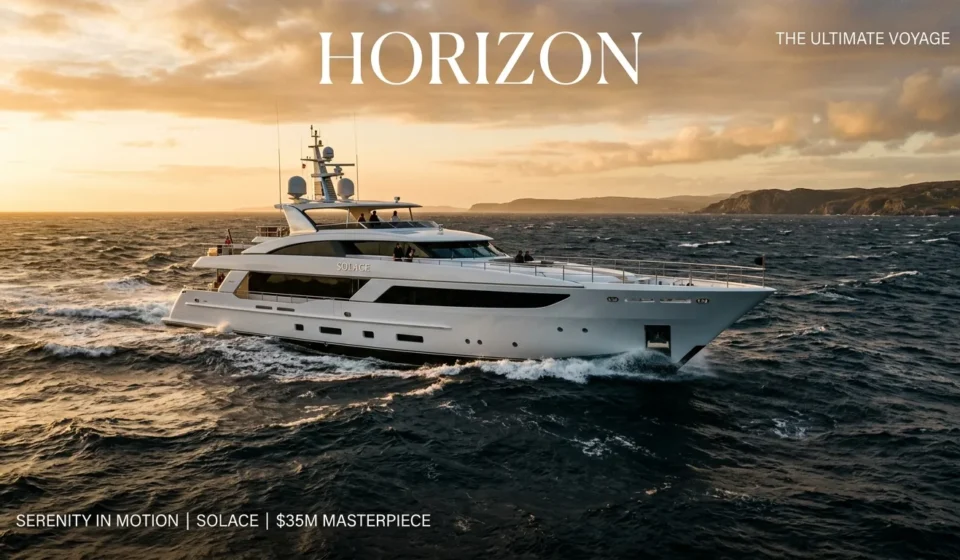

Picture this: you’re out on the open water, the sun is shining, and the destination is paradise. Sounds perfect, right? But then, the wind picks up a little, the swell starts to build, and suddenly that gentle rocking motion turns into an uncomfortable roll. Glasses clink, drinks spill, and that idyllic feeling quickly dissipates as you or your guests start eyeing the horizon with a touch of green.
Table Of Content
- What Exactly *Are* Gyroscopic Stabilizers?
- The Science Behind the Smoothness
- Why Should a Motor Yacht Buyer Care? The Benefits You’ll Feel
- Unmatched Comfort and Enjoyment
- Enhanced Safety and Maneuverability
- Increased Resale Value: A Smart Investment
- Important Considerations Before You Buy
- Sizing It Up: Getting the Right Fit
- Installation: New Build vs. Retrofit
- Power Consumption & Maintenance
- Cost: An Investment in Comfort
- Living with a Gyro: What to Expect
- Operation and Performance
- Noise and Vibration
- The Learning Curve
For decades, this was just part of the boating experience – a trade-off for the freedom of the sea. But what if I told you there’s a game-changer, a piece of technology that can dramatically reduce that unwelcome roll and bring a new level of comfort to your motor yacht adventures? We’re talking about gyroscopic stabilizers, and if you’re in the market for a motor yacht, or even considering an upgrade, understanding these marvels is absolutely essential.
What Exactly *Are* Gyroscopic Stabilizers?
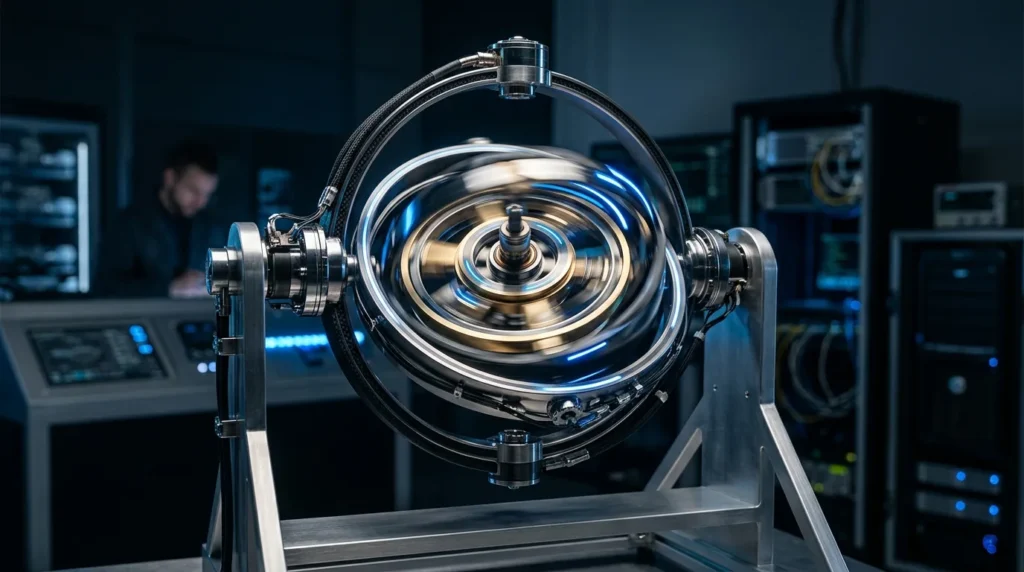
At its core, a gyroscopic stabilizer is a marvel of physics designed to counteract the rolling motion of your vessel. Forget the old active fin stabilizers that needed forward motion to work and had parts hanging off the hull. Gyros are internal, compact, and operate effectively both at anchor and underway.
Think of it like this: have you ever tried to tilt a spinning bicycle wheel while holding its axle? It resists with surprising force, right? That’s the principle of gyroscopic precession at work. A gyroscopic stabilizer harnesses this power, using a rapidly spinning flywheel to create a powerful righting force against the boat’s roll.
The Science Behind the Smoothness
Inside a gyroscopic stabilizer unit, there’s a heavy flywheel, often weighing hundreds of pounds, spinning at incredibly high RPMs – sometimes over 5,000 to 10,000 revolutions per minute. When your boat starts to roll, the gyroscope senses this motion. As the boat attempts to tilt, the gyro’s casing also tilts, causing the rapidly spinning flywheel to “precess” (a fancy word for tilting on a different axis) and generate a powerful torque. This torque directly opposes the rolling motion of the boat, effectively pushing it back towards a level state.
It’s a continuous, dynamic process. The gyro constantly works to maintain stability, sensing and correcting roll with remarkable efficiency. This means less side-to-side movement, making for a much more pleasant experience for everyone onboard.
Why Should a Motor Yacht Buyer Care? The Benefits You’ll Feel
Now that we understand the ‘how’, let’s talk about the ‘why’. For a motor yacht owner, the benefits of marine stabilization are profound and directly impact your enjoyment and the value of your investment.
Unmatched Comfort and Enjoyment
This is arguably the biggest selling point. Imagine this situation: you’re enjoying a beautiful dinner with friends in the salon, but the sea is a bit lumpy. Without a gyro, you’d be bracing yourself, trying to keep your food on the plate, and perhaps feeling a little queasy. With a stabilizer engaged, that same dinner becomes a relaxed, comfortable affair. Seasickness, for many, becomes a thing of the past. Guests can move around freely, sleep soundly, and simply enjoy their time on the water without the constant battle against motion.
I’ve seen firsthand how families who previously struggled with motion sickness are now able to truly embrace the boating lifestyle thanks to this technology. It truly transforms the onboard experience, making every journey, whether a short hop or a long cruise, significantly more pleasurable.
Enhanced Safety and Maneuverability
Beyond comfort, stability contributes significantly to safety. A boat that isn’t rolling excessively reduces fatigue for the helmsman, allowing for better focus and decision-making. Navigating in rougher seas becomes less stressful, and even simple tasks like walking the deck or docking can be performed with greater ease and safety when the boat isn’t lurching side to side.
Think about tending to lines, deploying fenders, or retrieving a tender in a choppy anchorage. A stable platform makes all these tasks safer and more manageable. It really takes the edge off those “white knuckle” moments.
Increased Resale Value: A Smart Investment
In my opinion, and based on my decades of experience as a yacht broker, boat technology like gyroscopic stabilizers is no longer just a luxury; it’s becoming an expectation for many discerning motor yacht buyers. A vessel equipped with a well-maintained gyro system holds its value better and often sells faster than a comparable yacht without one.
It signals to potential buyers that the yacht is modern, well-equipped, and designed for maximum comfort. While it’s a significant upfront investment, it’s one that often pays dividends when it comes time to sell.
Important Considerations Before You Buy
So far, we’ve talked about the magic. Now let’s get to the really critical point: what do you need to consider before making this investment? It’s not a one-size-fits-all solution, and a little homework goes a long way.
Sizing It Up: Getting the Right Fit
The effectiveness of a gyroscopic stabilizer hinges on it being correctly sized for your vessel. Factors like the boat’s length, displacement, hull shape, and even its typical cruising grounds (are you mostly in calm bays or open ocean?) all play a role. An undersized unit won’t deliver the desired performance, and an oversized one is an unnecessary expense. Always consult with an experienced marine engineer or a reputable stabilizer dealer to ensure you get the perfect match for your specific motor yacht.
Installation: New Build vs. Retrofit
Are you buying a new motor yacht or looking to upgrade an existing one? For new builds, the stabilizer can be integrated seamlessly into the design and structure. For retrofits, it’s a more involved process. Space is a primary concern – these units are powerful but they take up valuable real estate, often in the engine room or under the main salon sole. Structural modifications might be necessary to support the unit’s weight and the forces it generates. It’s definitely a job for skilled professionals.
Power Consumption & Maintenance
Gyroscopic stabilizers require electrical power to operate, both for spinning up the flywheel and for the control systems. While modern units are increasingly efficient, it’s still a consideration for your yacht’s electrical system, especially if you plan to spend significant time at anchor without a generator running. Furthermore, these are sophisticated pieces of machinery that require routine maintenance, including regular servicing, bearing checks, and cooling system inspections. They are incredibly robust, but they aren’t “set it and forget it” items.
Cost: An Investment in Comfort
Let’s be honest, gyroscopic stabilizers represent a significant investment. The cost of the unit itself, plus professional installation, can run into the tens of thousands, or even hundreds of thousands of dollars for larger yachts. To be fair, this is a premium feature. However, when you weigh this against the enhanced comfort, safety, and potential for increased usage and enjoyment of your yacht, many owners find it to be an absolutely worthwhile expenditure. It’s about investing in the quality of your time on the water.
Living with a Gyro: What to Expect
Once you’ve made the decision and had a gyro stabilization system installed, what’s it like to actually live with it?
Operation and Performance
Most modern gyros are remarkably easy to operate, often with a simple switch or touchscreen interface. There’s typically a warm-up period as the flywheel spools up to speed, which can take anywhere from 20 minutes to an hour, depending on the model. Once running, you’ll feel a dramatic reduction in roll. It’s important to remember that gyros are designed to counteract roll, not pitch (bow-to-stern motion) or yaw (side-to-side swing). While they make a huge difference, they don’t make the boat completely motionless in all sea states.
Noise and Vibration
Modern gyros are engineered for quiet operation. You might hear a low hum from the spinning flywheel and the cooling pump, but it’s generally unobtrusive, especially when properly installed and insulated. Any excessive noise or vibration is a sign that something needs to be checked, and that’s where your routine maintenance schedule comes in.
The Learning Curve
Based on my experience, owners quickly adapt to having a gyro. The main “learning curve” is simply understanding its capabilities and limitations. Knowing when to engage it (pretty much always when underway or at anchor in anything but glass-smooth conditions!) and appreciating the level of comfort it provides. It will truly change how you plan your trips and how you enjoy your time on Sail & Power & Boats & Motor Yachts.
Embracing the boating lifestyle means embracing the sea, but it doesn’t mean you have to endure every bump and sway. Gyroscopic stabilizers are a testament to marine innovation, offering a path to unparalleled comfort and enjoyment on your motor yacht. They are a significant investment, yes, but one that countless owners will tell you transforms their boating experience from good to absolutely sublime. If you’re considering a new or new-to-you motor yacht, do yourself a favor: explore the world of gyroscopic stabilizers. Your comfort, and the comfort of your guests, will thank you for it.