Displacement vs. Planing Hulls: Choose the Right Powerboat for Your Adventure
Displacement vs. Planing Hulls: Choosing the Right Powerboat for Your Cruising Style
Ah, the open water! There’s nothing quite like the feeling of a boat beneath you, carrying you to new horizons. But before you cast off, there’s a fundamental decision that shapes your entire boating experience: displacement vs. planing hulls. As your trusted guide here at boatandsailboat.com, I’ve helped countless enthusiasts navigate this choice, and today, we’re going to break down everything you need to know to find the perfect powerboat for your adventures.
Table Of Content
Think of a boat as a key to freedom, an escape, a vessel for family memories and the thrill of discovery. The hull type is its very foundation, dictating how it moves through the water, its speed, comfort, and even its fuel efficiency. Let’s dive in!
The Steadfast Voyager: Displacement Hulls
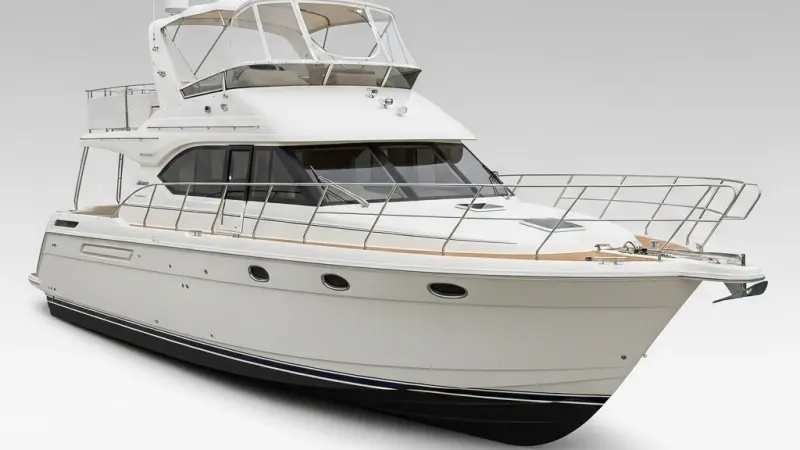
Imagine a grand old ship, gracefully gliding through the waves, pushing water aside rather than climbing over it. That’s the essence of a displacement hull. These traditional designs, often found on trawlers and many larger cruising yachts (30-60 ft+), are built for stability, comfort, and long-range efficiency.
- How They Work: A displacement hull "displaces" (moves) its own weight in water as it travels. It is inherently limited by its hull speed, a theoretical maximum speed determined by the waterline length. Trying to go faster simply creates massive waves and wastes fuel.
- Characteristics:
- Speed: Slower, typically 7-10 knots (1 knot = 1.15 mph). Think leisurely cruising, not racing.
- Efficiency: Extremely fuel-efficient at hull speed, making them ideal for long voyages.
- Comfort: Offer a smooth, stable ride, even in choppy conditions, as they slice through waves rather than bouncing over them. Often have a deeper draft (the vertical distance from the waterline to the bottom of the hull).
- Engine: Typically rely on a single, robust inboard diesel engine (like a Yanmar or Volvo Penta) designed for continuous, lower RPM operation.
- Ideal Uses: Extended coastal cruising, offshore passages, liveaboards, fishing where steady speed is key, and anyone prioritizing comfort and range over speed. Models like a Nordhavn or Grand Banks are classic examples.
- Construction & Maintenance: Often built from strong fiberglass or steel, these hulls require routine annual haul-outs for bottom paint and zinc anode replacement for corrosion prevention. Engine service every 100-200 hours is standard for diesel reliability.
The Nimble Sprinter: Planing Hulls
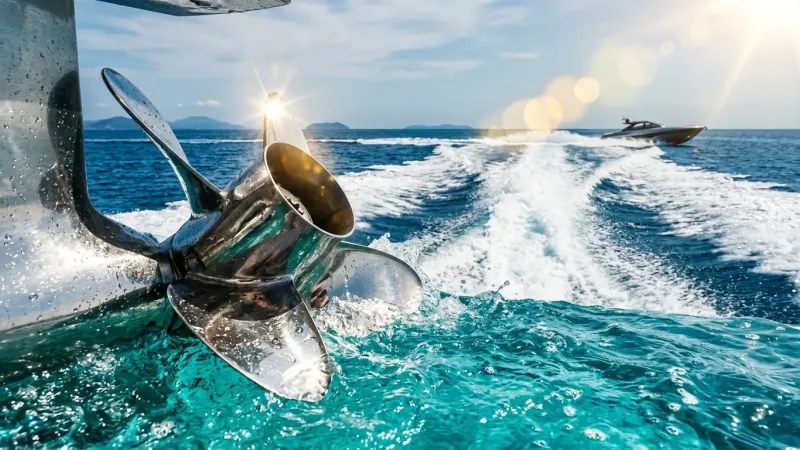
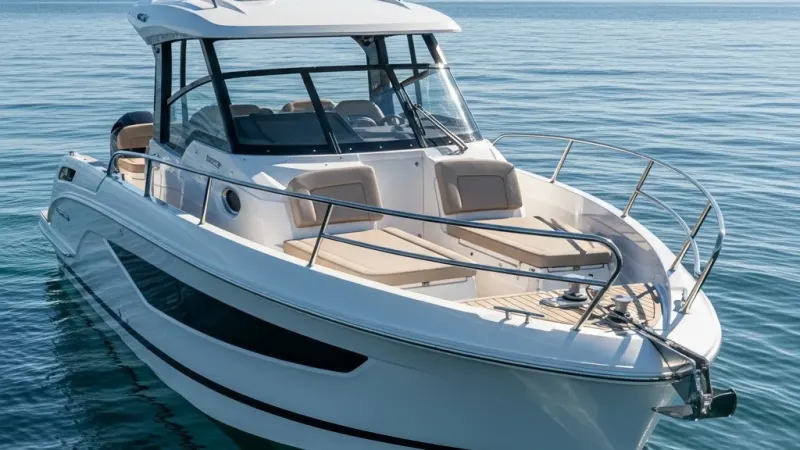
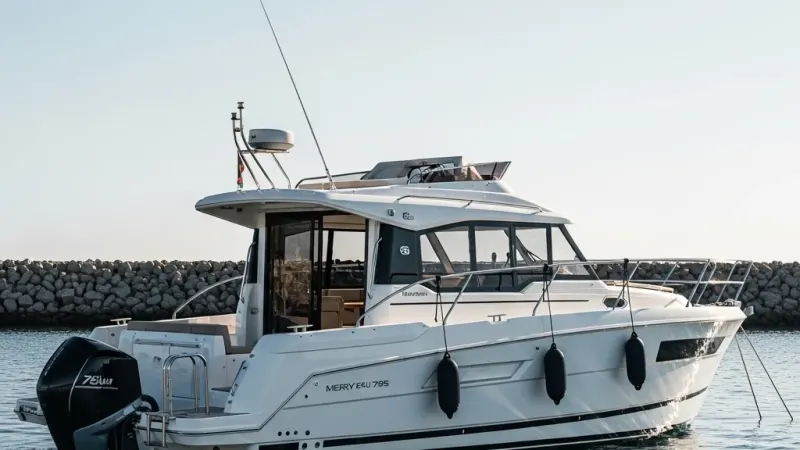
Now, imagine a sleek speed demon, seemingly defying gravity as it skims across the water’s surface. That’s a planing hull. These hulls are designed for speed and exhilaration, lifting out of the water at higher velocities to reduce drag.
- How They Work: At lower speeds, they operate like displacement hulls. But as power increases, the hull generates dynamic lift, rising onto the water’s surface and reducing its wetted area. This allows for much higher speeds.
- Characteristics:
- Speed: Capable of much higher speeds, often 20-50 knots or more, depending on power and design. Perfect for quick trips.
- Efficiency: Less fuel-efficient than displacement hulls at their top speeds, but can be efficient when running "on plane." Fuel consumption jumps significantly at very high RPMs.
- Comfort: Can provide an exhilarating ride, but may be bumpier in choppy conditions as they pound over waves. The deadrise (the V-shape of the hull bottom) plays a big role in ride quality.
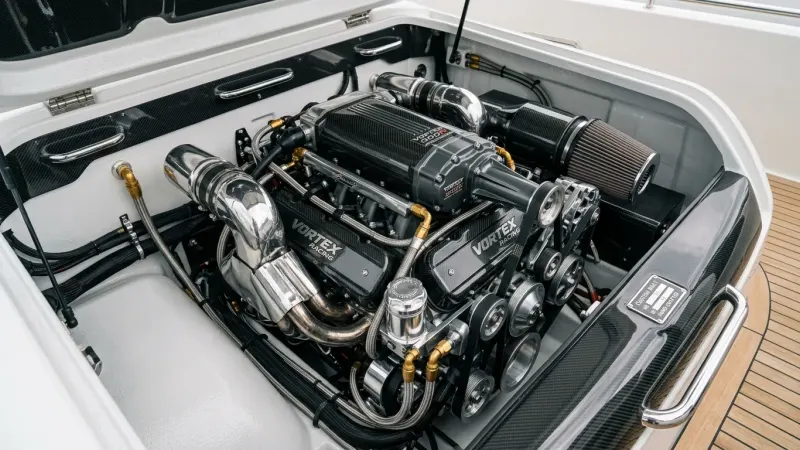
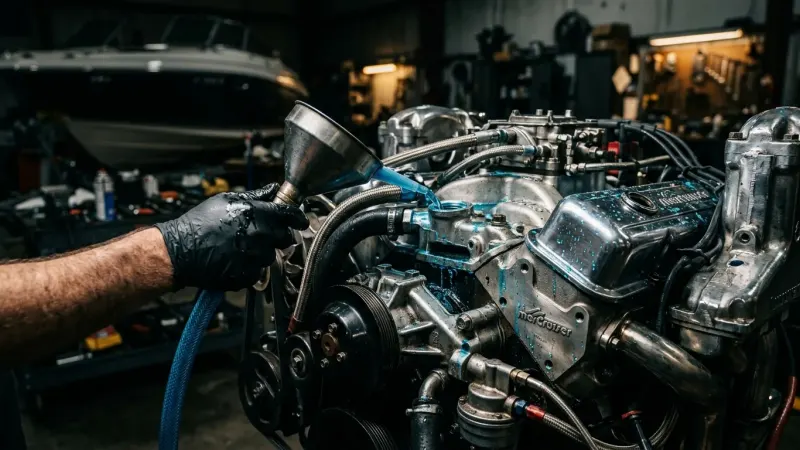
- Engine: Often feature powerful outboard engines (e.g., Mercury, Yamaha) or high-horsepower inboard gasoline or diesel engines (like a MerCruiser or Volvo Penta sterndrive).
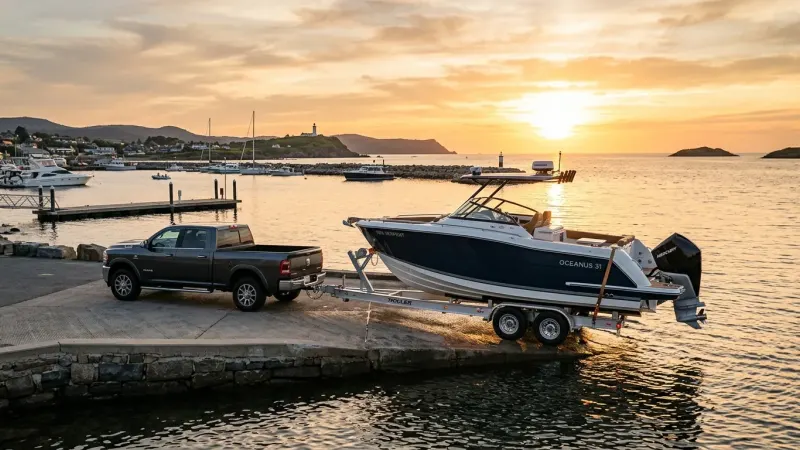
- Ideal Uses: Day boating (under 25 ft), watersports, fishing (especially sportfishing), weekend getaways, and anyone wanting to get to their destination quickly. Iconic models include Boston Whaler center consoles, Grady-White fishing boats, Axopar 28 adventure boats, and many Sea Ray express cruisers.
- Construction & Maintenance: Commonly made from fiberglass or aluminum, these boats also require regular engine service (especially for outboards or high-performance inboards), bottom cleaning, and gelcoat care. Winterizing steps are crucial for protecting engines in colder climates.
Making Your Choice: Match the Boat to Your Dream
Choosing between a displacement and planing hull comes down to understanding your cruising style and aspirations. Ask yourself:
- What’s your priority? Is it long-range comfort and fuel economy (displacement), or speed and adrenaline (planing)?
- Where will you boat? Coastal day trips, offshore passages, lake watersports, or fishing expeditions?
- Who’s coming along? Families needing stability, or thrill-seekers?
- What’s your budget? Consider initial cost, fuel consumption, and maintenance. Often, displacement vessels, while potentially larger, can be more economical to run over long distances.
For example, if you dream of slow, steady coastal cruising, exploring hidden coves and enjoying sunsets from the deck of a 30-40 ft cruiser like a Beneteau Antares (which can have semi-displacement or planing versions) or a true displacement trawler, a displacement hull is your ally. If your idea of freedom is zipping across the bay to your favorite fishing spot in a 20-30 ft center console, a planing hull is the way to go.
Your Next Steps to the Water
The best way to make this decision is to experience both!
- Test Drive Both Types: Go for a sea trial on a displacement boat and a planing boat. Feel the difference in motion, speed, and handling.
- Talk to Owners: Visit marinas, chat with owners of different hull types. They’re usually happy to share their experiences.
- Consult a Yacht Broker: As experienced brokers, we can help you match your desires with available vessels and guide you through the pros and cons specific to your needs and budget.
Remember, a boat is more than just a vessel; it’s a lifestyle, a promise of adventure, and a canvas for lifelong stories. Whether your heart yearns for the steady rhythm of a displacement hull or the exhilarating speed of a planing one, the right powerboat is out there waiting to carry you toward countless sunsets on the horizon. Let’s find "your" boat and start writing those stories!