
Don’t Let Winter Bite: Your Step-by-Step Boat Winterization Guide
Winterizing Your Boat: A Step-by-Step Guide to Protecting Your Vessel for the Off-Season
Ah, the crisp autumn air! While it brings beautiful colors, for us boaters, it also signals a critical time: preparing our beloved vessels for winter. Whether you own a nimble day sailer under 25 feet like a classic Catalina 22, a family cruiser in the 30-40 foot range such as a Beneteau Oceanis or Hunter 33, or a robust bluewater yacht 40+ feet like a Lagoon catamaran or a stout Jeanneau Sun Odyssey, proper winterization isn’t just a chore – it’s an act of love. It protects your investment, prevents costly damage, and ensures she’s ready to launch for new adventures come spring.
Table Of Content
As your trusted boating expert, I’ve seen countless boats over the decades, and I can tell you: skipping or rushing these steps is a recipe for headaches. Let’s walk through it together, step by step, to keep your boat safe, reliable, and beautiful.
The Heart of Your Boat: Engine and Propulsion Systems
This is arguably the most crucial part of winterizing. Water left in an engine can freeze and crack blocks, leading to catastrophic damage.
- Fuel System Protection: Fill your fuel tank completely to prevent condensation buildup, which can lead to water in your fuel. Add a high-quality fuel stabilizer (especially important for gasoline engines) according to product directions. This prevents fuel degradation over the long storage period.
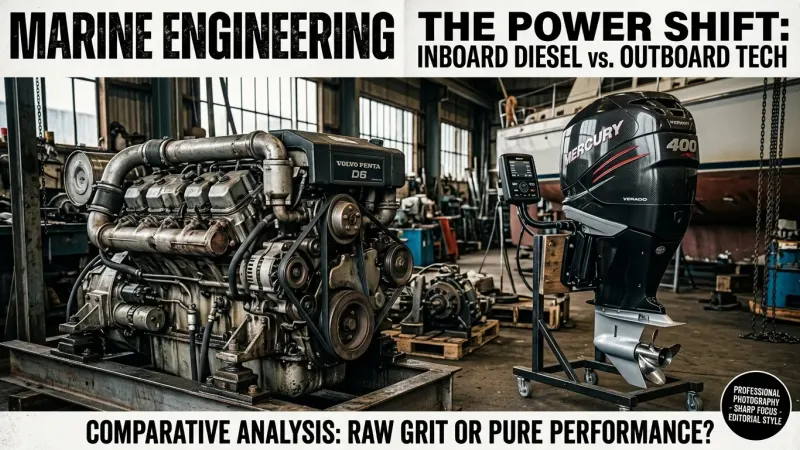
- Engine Oil & Filter Change: Old oil contains corrosive acids and contaminants. Change your engine oil and oil filter (for both inboard diesel engines like Yanmar or Volvo Penta, and gasoline outboards) while the engine is still warm. This fresh oil will protect internal components over winter.
- Cooling System Flush & Antifreeze:
- For raw water cooled engines (using outside water directly for cooling): Flush the system with fresh water to remove salt and debris. Then, introduce marine-grade non-toxic antifreeze (propylene glycol-based) into the cooling system until it comes out of the exhaust. This displaces all the water.
- For freshwater cooled engines (with a heat exchanger, like most modern diesels): Ensure the freshwater coolant mixture is sufficient for winter temperatures. For the raw water side, follow the same flushing and antifreeze procedure as above.
- Fogging (Gasoline Engines): For gasoline outboards or inboards, spray fogging oil into the carburetor or throttle body while the engine is running (until it stalls). This coats internal cylinder surfaces, preventing rust.
- Lower Unit (Outboards/Saildrives): Drain the gear oil from your outboard or saildrive (a propulsion unit common on sailboats). If you see milky oil, it indicates a water leak that needs repair. Refill with fresh gear oil.
- Anodes & Belts: Inspect and replace sacrificial anodes (zincs) if worn. Check all belts and hoses for cracks or wear.
Plumbing and Freshwater Systems: Don’t Let Pipes Burst!
Frozen water can crack pipes, tanks, and pumps. This is a common and expensive winter damage.
- Drain All Water: Empty your freshwater tanks completely. Open all faucets, showerheads, and pump out the hot water heater. Bypass the water heater if possible, or ensure it’s fully drained.
- Antifreeze Through Lines: Use a hand pump or the boat’s water pump (if safe to run dry briefly) to pull non-toxic marine antifreeze through every faucet, shower, toilet, and raw water washdown until you see pink liquid. Don’t forget the cockpit shower!
- Marine Head (Toilet): Pump out your holding tank at a pump-out station. Flush the head with fresh water, then pump non-toxic antifreeze through the system, including the intake seacock, toilet, and holding tank discharge line.
- Bilges: Clean your bilges thoroughly, remove any debris, and ensure your bilge pumps are clear and operational. A little non-toxic antifreeze can be added to the bilge to prevent any standing water from freezing.
Deck, rigging, and Hull Protection
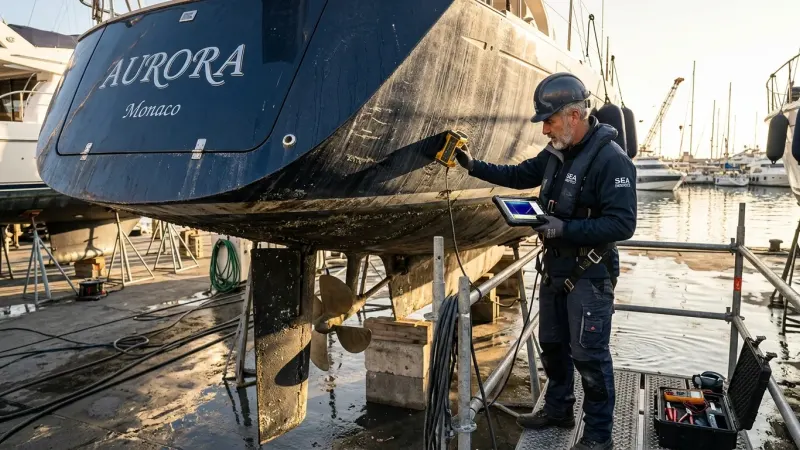
The exterior of your boat, whether it’s fiberglass, aluminum, or even classic wood construction, needs care too.
- Sails & rigging: For sailboats with a Bermuda rig (triangular mainsail) or gaff rig (four-sided mainsail), remove all sails – mainsail, genoa, spinnaker. Clean them, inspect for damage, and store them dry in a climate-controlled environment. Inspect your standing rigging (wires supporting the mast) and running rigging (ropes for sail control) for wear. Lubricate turnbuckles. Consider removing the mast if your boat is a smaller Catalina 30 or similar, or protect it well if left up.
- Hull & Deck Cleaning: Give your boat a thorough scrub. Clean the hull, deck, and topsides. Waxing or polishing the hull (especially for fiberglass Displacement hulls or planing hulls like an Axopar 28 or Boston Whaler) provides an extra layer of protection against the elements.
- Interior Prep: Remove all cushions, linens, electronics, and valuables. Clean the interior thoroughly. Open locker doors and drawers slightly to allow air circulation and prevent mildew. Use dehumidifiers or moisture absorbers.
- Batteries: Fully charge your batteries, then disconnect them. For optimal life, remove them from the boat and store them in a cool, dry place, keeping them on a trickle charger.
- Covering Your Boat: If your boat is stored outside, a proper cover is essential. Ensure it’s well-ventilated to prevent moisture buildup, strong enough to withstand snow loads, and securely tied down to avoid wind damage.
Your To-Do List for a Smooth Spring Launch
By the end of this article, you should feel confident in tackling winterization. Here’s your actionable summary:
- Gather Your Supplies: Antifreeze, fogging oil, fuel stabilizer, engine oil, filters, gear lube, rags, buckets, pump.
- Consult Your Manuals: Every boat and engine is a little different. Your owner’s manuals are your best friends for specific instructions.
- Start Early: Don’t wait for the first hard freeze!
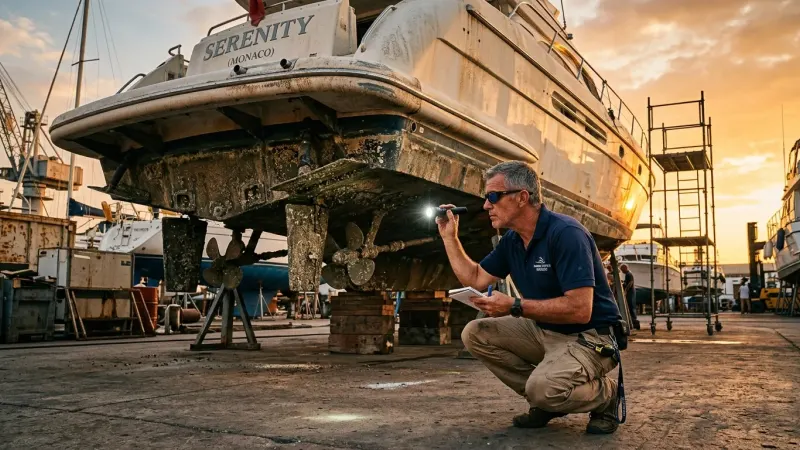
- Consider Professional Help: If you’re unsure or prefer expert hands, don’t hesitate to contact your local marina or a certified marine technician for assistance, especially for complex systems.
Winterizing your boat is an investment in future joy. It’s knowing that when spring arrives, with its promise of open water and sunny skies, your vessel will be ready. Ready for those weekend getaways, family adventures, and the freedom only the sea can offer. Take the time, do it right, and dream of the spring launch – it’s closer than you think!