


There’s a unique allure to the idea of taking your boat out, just you and the elements, facing the vastness of the ocean or the quiet serenity of a remote cove. It’s a dream many of us sailors harbor, a testament to independence and self-reliance. If you’ve ever considered single-handed sailing, you know it’s not just about setting sail; it’s about preparing yourself, your vessel, and your mindset for an adventure unlike any other.
Table Of Content
- Why Sail Solo? The Call of the Horizon
- Preparation is Paramount: Before You Cast Off Lines
- Your Vessel: The Ultimate Partner
- Your Mindset: The Inner Navigator
- Essential Gear for Solo Success
- Onboard Strategies for the Solo Sailor
- Sail Handling Made Simple
- Mastering the Helm (or Not)
- Watchkeeping and Rest
- Life at Sea: Routine and Rhythm
- Safety First: Mitigating Risks When You’re Alone
- Man Overboard (MOB) Drills (with a twist)
- Emergency Preparedness
- Communication is Key
- What to Watch Out For & Common Mistakes to Avoid
- Frequently Asked Questions
- What size boat is best for single-handed sailing?
- How do you sleep on a solo passage?
- Is single-handed sailing dangerous?
- What are the most crucial pieces of gear?
Here at Sail & Power & Boats & Motor Yachts, we’ve seen countless sailors chase this dream, from weekend warriors to circumnavigators. It’s a challenging but incredibly rewarding pursuit that builds character and skill in ways few other activities can. So, let’s explore how you can safely and confidently embark on your own solo voyaging adventures, armed with the best solo sailing tips.
Why Sail Solo? The Call of the Horizon
Honestly, the reasons why someone chooses to cast off alone are as varied as the currents of the sea. For many, it’s about the pure, unadulterated freedom – the ability to go where you want, when you want, without needing to coordinate schedules or preferences with anyone else. It’s an exercise in complete autonomy, a chance to truly listen to the wind and waves, and to make every decision on your own terms. This deep connection with the environment, free from distractions, is a powerful draw.
Beyond freedom, there’s an immense sense of accomplishment that comes from successfully maneuvering your vessel, navigating challenges, and reaching your destination entirely by your own hand. Based on my experience, it’s a profound confidence builder. For example, imagine this situation: you’re a hundred miles offshore, a squall is brewing on the horizon, and you single-handedly manage to reef your sails, secure the deck, and navigate through the sudden downpour, all while maintaining control and composure. That feeling of mastering both your boat and yourself in the face of nature’s power is exhilarating and profoundly satisfying.
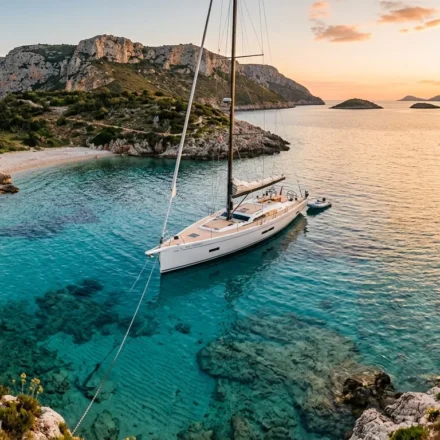
But let me add something here: it’s not just about the challenges. It’s also about the quiet moments. Picture yourself anchored alone in a pristine bay, the only sounds the lapping of water against the hull and the distant cry of a seabird. These moments of solitude, reflection, and connection with nature are, in my opinion, what truly define the magic of sailing alone. It’s a chance to disconnect from the frantic pace of modern life and reconnect with something much more fundamental.
Preparation is Paramount: Before You Cast Off Lines
Before you even dream of slipping the lines for an offshore single-handed passage, preparation is your most vital tool. This isn’t just about packing a bag; it’s about meticulous planning for both your vessel and your mental state. A well-prepared boat and a resilient mind are the bedrock of any successful solo journey.
Your Vessel: The Ultimate Partner
Your boat essentially becomes your only crewmate, so its reliability is absolutely non-negotiable. Every system must be robust, well-maintained, and ideally, have a backup. Think about your engine: Is it serviced? Do you have spare filters and belts? What about your rigging? Are all your standing and running rigging in top shape? Are your sails strong and free of chafe? Redundancy in critical systems, like navigation and communication, isn’t a luxury; it’s a necessity when you’re your own repair crew. This includes having a reliable tender if you plan to explore remote anchorages.
Furthermore, consider the ergonomics of your sailboat for single-person operation. Can you reach all critical lines from the cockpit? Are reefing systems easily managed without leaving the safety of the helm? Roller furling headsails and in-mast or slab reefing mainsails that can be controlled from the cockpit are almost mandatory for single-handed sailing. Think through every maneuver – docking, anchoring, reefing – and ensure you can execute it safely and efficiently without extra hands. Provisioning also falls under vessel preparation; plan your meals, water, and emergency supplies meticulously, ensuring everything is accessible and securely stowed.
Your Mindset: The Inner Navigator
While gear is important, your mental preparedness is equally, if not more, crucial. Solo voyaging demands self-sufficiency, problem-solving skills, and immense resilience. You need to be comfortable with solitude, able to manage stress, and confident in your ability to handle any situation, from a minor equipment malfunction to a significant weather event. Start small: practice day sails alone, then overnight trips, gradually extending your comfort zone and skill set. Don’t jump straight into an ocean crossing.
Are you truly ready to face anything the sea throws at you, all by yourself? Honestly, this question needs deep contemplation. It’s not just about physical capability, but mental fortitude. Cultivate a proactive mindset, always thinking several steps ahead. Visualize potential problems and how you would address them. This mental rehearsal builds confidence and reduces panic when real issues arise. Remember, fear is a natural emotion, but preparation and practice are its antidotes.
Essential Gear for Solo Success
Certain pieces of equipment move from “nice-to-have” to “absolute necessity” for the single-handed sailor. Top of this list is a reliable self-steering system. Whether it’s a robust autopilot for sailing or a mechanical wind vane, this device will be your tireless crewmate, allowing you to manage sails, navigate, eat, and rest without constantly being at the helm. It’s truly a game-changer.
Beyond steering, consider your communication and safety tools. An AIS (Automatic Identification System) receiver/transponder is vital for collision avoidance, especially when resting. A good radar with guard zones is excellent for detecting unlit vessels or bad weather. GPS, of course, is fundamental, and having redundant units is smart. For communication, a reliable VHF radio, a satellite phone or an InReach device for offshore messaging and tracking, and an EPIRB (Emergency Position Indicating Radio Beacon) or PLB (Personal Locator Beacon) are non-negotiable for safety for solo sailors. Don’t forget your personal safety gear: a strong harness and multiple tethers are essential when working on deck, especially at night or in rough conditions.
Onboard Strategies for the Solo Sailor
Once you’ve done your homework and are out on the water, having smart strategies for managing your boat and yourself will make all the difference between a stressful ordeal and a truly enjoyable voyage. This is where your preparations translate into practical, efficient sailing.
Sail Handling Made Simple
Managing sails efficiently is a cornerstone of single-handed sailing. The golden rule? Reef early, reef often. Don’t wait for the wind to build to uncomfortable levels before reducing sail. It’s always easier and safer to shake out a reef later than to put one in when the boat is heeling hard and waves are breaking over the deck. Roller furling systems for headsails are incredibly helpful, allowing you to adjust sail area from the cockpit. For the mainsail, a good slab-reefing system with all lines led aft, or a reliable in-mast furler, is a huge advantage.
Practice makes perfect for all sail maneuvers. Repeatedly practicing tacking, gybing, and especially reefing until it becomes second nature will pay dividends. Heaving-to is another invaluable skill for the solo sailor; it allows you to stop the boat safely, providing time for repairs, rest, or simply to weather a squall more comfortably. Consider a stack pack or lazy jacks for your main; they make flaking and securing the sail much easier when you’re alone and often tired.
Mastering the Helm (or Not)
As mentioned, a reliable autopilot for sailing or self-steering gear is your best friend. This system frees you from constantly being at the wheel, allowing you to perform other tasks around the boat, prepare meals, check charts, or simply rest your body. Invest in a good one, and understand its capabilities and limitations. However, don’t become overly reliant on it. Always be ready to take the helm manually, and periodically practice hand-steering to keep your skills sharp.
When choosing between the two main types of self-steering, here’s a quick comparison:
| Feature | Autopilot | Wind Vane |
|---|---|---|
| Power Source | Electrical (requires battery power) | Wind (mechanical, no electricity) |
| Cost | Generally more expensive | Can be less expensive, but depends on model |
| Steering Accuracy | Very precise course-holding, can steer to compass or waypoint | Steers relative to apparent wind, can be less precise for fixed compass course |
| Maintenance | Electronic components, motors; potential for electrical issues | Mechanical parts, linkages; fewer points of electrical failure |
| Ideal Use | Motor-sailing, steering specific GPS course, light wind | Long offshore passages, consistent wind, heavy weather |
Many experienced solo voyagers actually carry both, using the autopilot for short stints or motoring, and the wind vane for long offshore legs where power consumption is a concern.
Watchkeeping and Rest
One of the toughest challenges of sailing alone is managing fatigue. You are the only one on watch, 24/7. The key is short, frequent naps – often called catnaps. Set a timer for 15-20 minutes, allowing yourself to cycle through light sleep stages without falling into deep sleep, from which it’s harder to wake quickly. This keeps you relatively alert over long periods. I’ve found that breaking up longer stretches with these quick rests is far more effective than trying to push through exhaustion.
Modern electronics are a huge help here. Set your AIS alarm to warn you of approaching vessels, and configure your radar with a guard zone. These systems act as your vigilant eyes while you rest. However, never rely on them solely; always poke your head up for a visual scan before lying down, and often throughout your rest periods. Prioritize sleep and hydration above almost everything else. A well-rested sailor makes better decisions.
Life at Sea: Routine and Rhythm
Establishing a routine on board can bring a sense of normalcy and control to your solo journey. Simple, easy-to-prepare meals become essential. Think one-pot dishes or pre-prepared vacuum-sealed meals. Regular maintenance checks – bilges, engine, rigging – should be part of your daily rhythm. Keep the boat tidy; a cluttered boat is a dangerous boat, especially when you’re alone and need to move quickly. And don’t forget to connect with the outside world: regular check-ins with a shore contact, even if just via text or satellite email, can be a huge morale booster and a crucial safety measure.
Safety First: Mitigating Risks When You’re Alone
When you’re sailing alone, the stakes are inherently higher. There’s no one else to lend a hand in an emergency, which means proactive safety for solo sailors is not just recommended, it’s absolutely mandatory. Every decision you make should be filtered through a safety lens.
Man Overboard (MOB) Drills (with a twist)
This is the grim reality for the single-handed sailor: if you go overboard, there’s no one to turn the boat around and pick you up. Therefore, the absolute priority is to *not* fall overboard in the first place. This means always, and I mean *always*, wearing a harness and tether when on deck, especially at night, in rough weather, or when performing any task that requires your full attention away from the cockpit. Have jacklines rigged on both sides of the boat for secure movement.
While an MOB drill for a crewed boat involves recovery, for a solo sailor, it involves self-recovery. Do you have a strong, easily deployable swim ladder? Can you get back on board using a hoist system if you’re injured or too exhausted to climb? Practice this in calm conditions. It might feel a bit morbid, but understanding your limitations and having a plan for self-recovery is crucial. Additionally, ensure you have a personal locator beacon (PLB) attached to your life vest, so if the worst happens, rescuers can locate you.
Emergency Preparedness
Beyond MOB, you must be prepared for a range of other emergencies. Do you know how to fight a fire effectively on your boat? Where are all your extinguishers? Do you know how to stem a significant leak? Where is your emergency tiller? Having a well-stocked and organized medical kit, along with basic first aid knowledge (and maybe even advanced trauma training), is critical. Your ditch bag, packed with essential survival items, should be easily accessible and ready to go at a moment’s notice. Every tool, every spare part, every piece of safety gear should have a designated, easily remembered location. Don’t waste precious time searching in an emergency.
Here’s a list of crucial safety for solo sailors gear:
- Personal Flotation Device (PFD) with harness, tether, and PLB
- EPIRB (Emergency Position Indicating Radio Beacon)
- VHF Radio (fixed and handheld)
- Satellite Communicator (e.g., InReach) or Satellite Phone
- AIS Transponder
- Radar with guard zones
- Robust first aid kit with advanced medical supplies
- Emergency tiller
- Fire extinguishers and fire blanket
- High-capacity bilge pumps (manual and electric)
- Sea anchor or drogue
- Bolt cutters (for rigging emergencies)
- Visual distress signals (flares, signal mirror)
- Spare parts for critical systems (engine, steering, rigging)
Communication is Key
Even though you’re sailing alone, you shouldn’t be entirely cut off. Establish a reliable shore contact – a trusted friend or family member – who knows your itinerary, your boat’s capabilities, and your communication schedule. Check in regularly, even if it’s just a short message. This isn’t just for emergencies; it helps keep your morale up and provides a safety net. Stay updated on weather forecasts; modern apps and satellite weather services make this incredibly easy. Never underestimate the power of knowing what the sky and sea have in store for you.
What to Watch Out For & Common Mistakes to Avoid
Even the most experienced sailors can make mistakes, but when you’re alone, those errors can have amplified consequences. Being aware of common pitfalls is half the battle in preventing them.
One of the biggest mistakes I’ve seen is **under-preparation coupled with overconfidence**. Thinking “she’ll be right” is a dangerous mindset when you’re the sole person responsible for everything. This often manifests as skipping vital maintenance checks, not having redundant systems, or underestimating the severity of forecasted weather. Always err on the side of caution. It’s better to be over-prepared and not need it than to be under-prepared and face a crisis alone.
Another critical error is **neglecting rest and proper nutrition**. Fatigue impairs judgment, slows reaction times, and can lead to poor decision-making. Pushing yourself beyond your limits to “make good time” or “get through this patch” is a recipe for disaster. Likewise, poor nutrition can sap your energy and mental clarity. Simple, nutritious meals are your fuel, not an afterthought.
**Not tethering yourself to the boat** when on deck, especially at night or in rough conditions, is a mistake that can cost you everything. I know it can feel cumbersome, but the risk of going overboard when alone is simply too great to ignore. Similarly, **poor weather planning** can lead to being caught in conditions your boat (or you) isn’t prepared for. Always get multiple forecasts and understand how they apply to your specific route.
Finally, **ignoring small issues** is a slippery slope. A loose shackle, a drip from a seacock, or a flickering navigation light might seem minor, but when you’re alone and resources are limited, these can escalate into significant problems quickly. Address small issues promptly. Don’t let complacency set in. Always maintain a watchful eye and a proactive approach to maintenance, keeping your vessel in peak condition for any solo voyaging challenge.
Frequently Asked Questions
What size boat is best for single-handed sailing?
There’s no single “best” size, as it depends on your experience and intentions. Generally, boats between 28-45 feet are popular for single-handed sailing. Smaller boats are easier to manage, but larger boats offer more comfort, storage, and often better offshore capabilities.
How do you sleep on a solo passage?
Most solo sailors rely on short, frequent naps (15-30 minutes) using timers, coupled with robust collision avoidance systems like AIS and radar alarms. The goal is to accumulate enough rest over a 24-hour period to maintain alertness without falling into deep, unmonitored sleep.
Is single-handed sailing dangerous?
Any form of sailing carries inherent risks, and sailing alone adds to them because you lack immediate assistance. However, with meticulous preparation, redundant systems, a focus on safety for solo sailors, and a cautious approach, the risks can be significantly mitigated, making it a safe and rewarding experience.
What are the most crucial pieces of gear?
A reliable autopilot for sailing or wind vane is paramount. Beyond that, robust communication systems (VHF, satellite communicator), a personal locator beacon (PLB) on your PFD, AIS, and a well-stocked first aid kit are absolutely critical for safe solo voyaging.
Embarking on a journey of single-handed sailing is a profound experience, one that tests your limits and rewards you with unparalleled self-discovery. It’s not just about covering miles; it’s about understanding yourself, your boat, and the powerful forces of nature in a deeply personal way. By embracing meticulous preparation, smart onboard strategies, and an unwavering commitment to safety, you can unlock the incredible satisfaction of solo voyaging. So, if the call of the horizon whispers to your soul, prepare diligently, set sail confidently, and embrace the extraordinary adventure that awaits you.