

Mastering the Multihull Market: A Deep Dive into Power Catamaran Selection, Performance, and Value

Greetings, fellow mariners! As someone who has spent decades navigating the intricate currents of the boating world, from the quiet hum of a sailboat to the exhilarating roar of a motor yacht, I’ve witnessed countless evolutions in vessel design. Few, however, have captured the imagination and practical utility quite like the power catamaran. These twin-hulled marvels are no longer a niche curiosity; they represent a significant force in today’s marine market, offering a unique blend of attributes that appeal to a diverse range of boaters.
Table Of Content
- The Engineering Edge: Why Power Catamarans Dominate Specific Niches
- Stability and Seaworthiness: A Platform of Confidence
- Efficiency and Range: Covering More Ground, Consuming Less
- Unrivaled Space and Layouts: Your Floating Estate
- Decoding the Market: What to Look for in a Power Catamaran
- Hull Design & Propulsion Choices: Matching Form to Function
- Construction & Systems Integrity: The Backbone of Reliability
- Interior Layouts & Customization Potential: Tailoring Your Sanctuary
- The Ownership Experience: Beyond the Purchase Price
- Running Costs & Maintenance Realities: Dual Systems, Dual Care
- Long-Term Value & Resale: A Market in Motion
- The Community & Lifestyle: A Distinct Maritime Culture
- Finding Your Perfect Twin-Hull Match: Strategic Acquisition
- Leveraging Brokerage Expertise: Your Navigator in the Market
- The Private Sale Landscape: Opportunities and Caveats
- Pre-Purchase Surveys & Sea Trials: Non-Negotiable Imperatives
- Future-Proofing Your Investment: Vision Beyond the Horizon
For many years, when someone spoke of a catamaran, the image of billowing sails and tranquil gliding came to mind. Today, the power catamaran has carved out its own formidable identity. They are not merely sailboats stripped of their masts; they are purpose-built machines, engineered from the keel up to capitalize on the inherent advantages of twin hulls for motorized propulsion. If you’re pondering a significant investment in a new vessel, or considering a transition to a different class of boat, understanding the deep mechanics, operational nuances, and true market value of power catamarans is paramount. This isn’t just about finding a “deal”; it’s about making an informed, strategic acquisition that aligns with your maritime aspirations.
The Engineering Edge: Why Power Catamarans Dominate Specific Niches
Let’s cut through the marketing jargon and get to the heart of what makes power catamarans genuinely exceptional. Their twin-hull design isn’t just a aesthetic choice; it’s a fundamental engineering decision that unlocks performance characteristics largely unattainable by monohull counterparts. From enhanced stability to surprising efficiency, the advantages are deeply rooted in hydrodynamics and structural integrity.
Stability and Seaworthiness: A Platform of Confidence
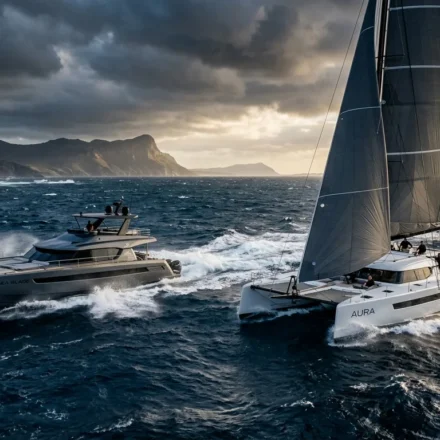
Perhaps the most immediately noticeable benefit of a power catamaran is its remarkable stability. Unlike a monohull, which rolls around its single keel, a catamaran’s two widely spaced hulls resist rolling motion with far greater force. This translates directly into a more comfortable experience on the water, whether you’re anchored in a chop, navigating a busy channel, or undertaking a serious offshore passage. For families with young children, those prone to seasickness, or individuals who simply prefer a more stable platform for entertaining or fishing, this attribute is a game-changer. The reduced motion fatigue is a significant factor on extended voyages, allowing crew and passengers to arrive refreshed. Furthermore, their inherent beam and buoyancy mean they generally have a higher reserve stability, contributing to a sense of security in adverse conditions. This isn’t to say they are immune to all motion, but the motion profile is typically a gentle pitch and hobby-horse, rather than the sharp, disorienting roll of many monohulls.
Efficiency and Range: Covering More Ground, Consuming Less
The slender hulls of a power catamaran are designed to cut through the water with minimal resistance. This reduced wetted surface area, compared to a broader monohull displacing the same volume, results in significantly improved fuel efficiency, especially at displacement and semi-displacement speeds. This is a crucial factor for long-range cruising. Many power cats, particularly those designed for true offshore work, boast impressive ranges, often thousands of nautical miles, allowing for trans-oceanic voyages without the need for excessive fuel stops. The ability to run two smaller, more efficient engines, each typically operating within its optimal RPM range, further enhances this economy. While high-performance planing power cats can still consume significant fuel at wide-open throttle, their sweet spot for economical cruising often surpasses that of comparable monohulls. This efficiency translates not only to lower operational costs but also to a reduced environmental footprint, a growing consideration for many conscientious boaters.
Unrivaled Space and Layouts: Your Floating Estate
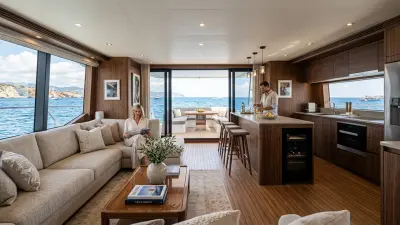
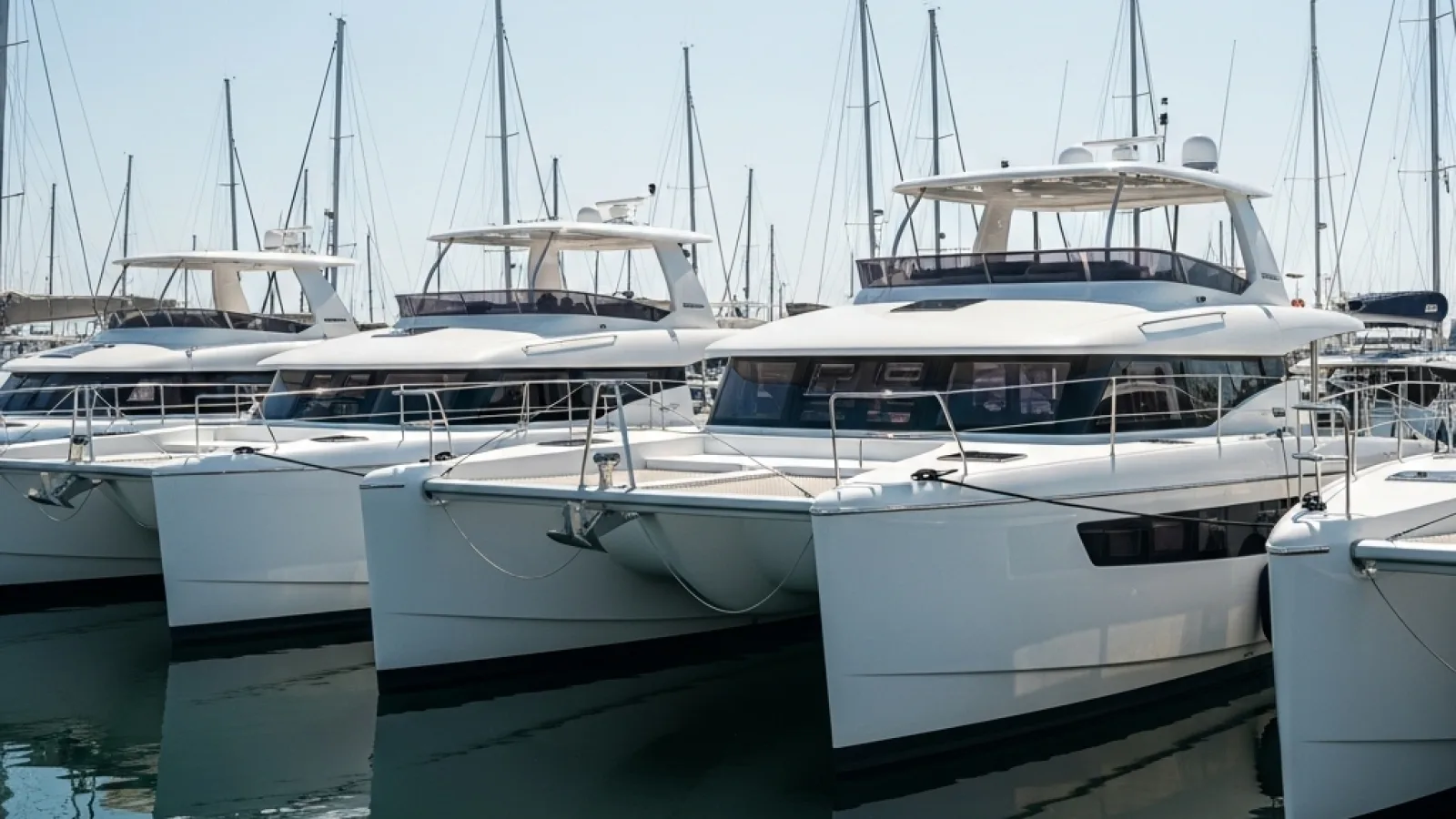
A power catamaran’s wide beam isn’t just for stability; it’s a canvas for expansive and innovative interior and exterior layouts. Imagine a yacht with living spaces typically found on a much larger monohull, but condensed into a more manageable length. The main deck often features an open-plan saloon and galley that flows seamlessly into an aft cockpit, creating a vast indoor-outdoor entertaining area. Below deck, each hull can house independent, private cabins, often with en-suite heads, providing an unparalleled level of privacy for owners and guests. This separation of sleeping quarters is particularly appealing for liveaboards, families, or charter operations. Flybridges on larger models become veritable outdoor living rooms, complete with dining areas, sun pads, and even hot tubs. The sheer volume and clever utilization of space make power catamarans ideal for extended cruising, liveaboard lifestyles, or hosting large groups without feeling cramped. The ability to separate noisy machinery spaces (engines in the stern, generators forward) from living areas is another often-overlooked benefit of the dual-hull design, enhancing comfort aboard.
Decoding the Market: What to Look for in a Power Catamaran
With the advantages understood, the next step is to navigate the diverse market. Not all power catamarans are created equal. Their suitability hinges on your specific boating mission, and a keen eye for design, construction, and systems integration will serve you well. Moving beyond the brochure, let’s explore the critical technical and practical elements to scrutinize.
Hull Design & Propulsion Choices: Matching Form to Function
The hydrodynamic shape of a power catamaran’s hulls is central to its performance. You’ll primarily encounter two main types:
- Displacement Hulls: These are characterized by slender, deep hulls designed to move efficiently through the water rather than over it. They offer exceptional fuel economy at lower speeds and a very smooth ride, making them ideal for long-range cruising and liveaboard comfort. Think of them as the marine equivalent of a long-distance runner – steady, enduring, and economical.
- Planing or Semi-Displacement Hulls: These hulls are designed to lift partially or fully out of the water as speed increases, reducing wetted surface and allowing for higher top speeds. While they offer thrilling performance, their fuel efficiency tends to drop off significantly once they leave displacement speeds. These are often favored for day cruising, island hopping, or reaching fishing grounds quickly.
Propulsion choices are equally varied. Traditional shaft drives are common, offering robust reliability. Volvo Penta’s IPS (Inboard Performance System) pods are increasingly popular, providing joystick control for unparalleled maneuverability in tight quarters and often better fuel economy at cruising speeds. Outboard engines are a growing trend, particularly on smaller to mid-sized power cats, offering ease of maintenance, shallow draft capabilities, and often impressive speed. The advent of hybrid and fully electric propulsion systems is also making inroads, offering silent, emission-free cruising for shorter durations, appealing to the eco-conscious boater.
Construction & Systems Integrity: The Backbone of Reliability
A yacht is only as good as its construction and the quality of its systems. When evaluating a power catamaran, delve deeper than the shiny surfaces. Inspect the hull-to-deck joint, often a critical stress point. Look for signs of robust layup schedules in fiberglass construction or quality welds in aluminum builds. Is there evidence of proper core material usage (e.g., balsa, foam) and effective moisture barriers? Systems integration is paramount:
- Electrical Systems: Are wiring runs neatly bundled, clearly labeled, and protected from chafing? Are battery banks appropriately sized and maintained? Is there redundancy for critical systems?
- Plumbing: Inspect freshwater, wastewater, and bilge systems for leaks, corrosion, and proper routing. Good access for maintenance is a strong indicator of thoughtful design.
- Mechanical Systems: Beyond the main engines, evaluate generators, air conditioning units, watermakers, and hydraulic systems. Are they properly installed, regularly serviced, and easily accessible?
A well-built power catamaran, with meticulously installed and maintained systems, will provide years of reliable service and retain its value far better than one with shortcuts in construction or neglected infrastructure.
Interior Layouts & Customization Potential: Tailoring Your Sanctuary
While power catamarans offer incredible volume, how that space is utilized varies greatly between manufacturers and models. Consider your primary use case:
- Liveaboard: Seek layouts with large galleys, ample storage, comfortable saloon areas, and private owner’s suites. Separate utility spaces are a bonus.
- Entertaining: Prioritize open-plan saloons, expansive cockpits, and generous flybridge spaces with wet bars and multiple seating zones.
- Fishing: Look for clear deck spaces, rod holders, bait wells, tackle storage, and easy access to the water for landing fish.
Some builders offer semi-custom options, allowing you to choose finishes, fabrics, and even reconfigure non-structural bulkheads. Even on production boats, discerning how easily you can personalize the space – adding specific electronics, changing upholstery, or installing specialized gear – is an important consideration. The modularity of twin hulls often allows for more flexible internal arrangements than a monohull of equivalent length.
The Ownership Experience: Beyond the Purchase Price
Acquiring a power catamaran is just the first chapter. The true story unfolds during ownership, encompassing the realities of running costs, maintenance, and the dynamic interplay of market forces. As an owner, you’ll find the experience to be distinct, enjoyable, and rewarding, provided you’re prepared for the specifics of multihull stewardship.
Running Costs & Maintenance Realities: Dual Systems, Dual Care
It’s an undeniable truth that two hulls typically mean two engines, two rudders (or equivalent steering systems), and often two sets of many other systems. This can translate to higher routine maintenance costs compared to a monohull with a single engine. Haul-outs often require specialized slings or wider travel lifts, potentially incurring higher yard fees. Antifouling paint is required for two hulls. However, the fuel efficiency at cruising speeds can offset some of these costs, particularly for active cruisers. Consider insurance premiums, which can vary based on the vessel’s value, cruising grounds, and your experience. Dockage fees might also be higher due to the wider beam, though many marinas are now well-equipped to accommodate catamarans. Understanding these ongoing expenses, and budgeting for them, is crucial for stress-free ownership. A robust preventative maintenance schedule, often more critical with dual systems, will be your best friend.
Long-Term Value & Resale: A Market in Motion
The market for power catamarans has seen consistent growth and strong demand over the past decade. This generally bodes well for resale value. Well-maintained vessels from reputable manufacturers tend to hold their value quite effectively, often outperforming comparable monohulls in certain segments. Factors influencing resale include:
- Brand Reputation: Established builders with a track record of quality and customer support command higher prices.
- Condition: Immaculate condition, up-to-date maintenance records, and recent upgrades significantly enhance value.
- Layout & Features: Popular layouts and desirable features (e.g., watermaker, solar, generator, advanced navigation) appeal to a wider buyer pool.
- Engine Hours: While engine hours are a factor, proper maintenance and service history are often more critical than just the number itself.
The strong demand for power cats, driven by their unique advantages, suggests a relatively stable and appreciating market for owners who care for their vessels. This isn’t just a purchase; it’s an investment that, with careful stewardship, can provide substantial returns in both enjoyment and financial value.
The Community & Lifestyle: A Distinct Maritime Culture
Owning a power catamaran often connects you to a vibrant and distinct segment of the boating community. Many power cat owners are long-distance cruisers, liveaboards, or avid explorers who value self-sufficiency and comfort. You’ll find active online forums, owner groups, and even specific rallies and rendezvous dedicated to power catamarans. The lifestyle itself offers unparalleled flexibility: you can be a luxurious floating condo one day, an efficient fishing machine the next, and a robust offshore cruiser ready for extended passages. The ability to anchor in shallower waters due to a shallower draft (compared to monohulls of similar size), and the expansive deck space for watersports and relaxation, further define this unique maritime experience. It’s a community built around a shared appreciation for the practical genius and boundless opportunities that twin hulls afford.
Finding Your Perfect Twin-Hull Match: Strategic Acquisition
With a comprehensive understanding of power catamarans now firmly in your grasp, the final step is a strategic approach to acquisition. This isn’t a quick search; it’s a methodical process that leverages expertise, thorough due diligence, and a clear vision of your boating future. Whether new or pre-owned, the right approach can make all the difference.
Leveraging Brokerage Expertise: Your Navigator in the Market
Engaging an experienced yacht broker specializing in power catamarans is arguably the most valuable step in your acquisition journey. A seasoned broker brings an intimate knowledge of the market, including inventory, pricing trends, and specific model strengths and weaknesses. They can:
- Identify Suitable Vessels: Beyond what’s publicly listed, brokers often have access to off-market opportunities.
- Negotiate on Your Behalf: Their experience in deal-making can save you significant money and stress.
- Facilitate Logistics: From sea trials to surveys, financing, and closing, a broker streamlines the entire process.
- Provide Objective Advice: They act as your advocate, guiding you through complexities and potential pitfalls.
Look for brokers who are not just boat salespeople, but genuine marine enthusiasts with a deep understanding of multihull dynamics and the specific needs of power catamaran owners. Their commission is a worthwhile investment in a smooth, secure, and ultimately successful purchase.
The Private Sale Landscape: Opportunities and Caveats
Purchasing directly from an owner can, in theory, eliminate broker commissions, potentially reducing the overall cost. However, this route demands a higher level of personal involvement and expertise from the buyer.
- Direct Negotiation: You’ll handle all price discussions and terms directly.
- Transparency (or lack thereof): While some owners are very forthcoming, you lack the same legal protections and impartial advice a broker provides.
- Legal & Financial Complexities: Handling escrow accounts, bills of sale, transfer of title, and regulatory compliance becomes your responsibility.
If you opt for a private sale, it is absolutely imperative to still engage independent professionals for critical stages: a marine surveyor, an engine mechanic, and potentially a maritime attorney. Never compromise on due diligence simply to save on commission.
Pre-Purchase Surveys & Sea Trials: Non-Negotiable Imperatives
Regardless of whether you buy new, used, or by owner, a comprehensive pre-purchase survey and a thorough sea trial are non-negotiable.
- Marine Survey: A qualified, independent marine surveyor will meticulously inspect the vessel’s structural integrity, systems, and overall condition. This report is your roadmap to understanding the boat’s true state, identifying any hidden issues, and negotiating repairs or price adjustments.
- Engine Survey: For diesel engines, an independent engine surveyor (separate from the marine surveyor) is highly recommended. They perform oil analyses, check compression, and evaluate the engine’s health.
- Sea Trial: This is your opportunity to experience the boat under power. Test all systems, observe engine performance, evaluate maneuverability (especially docking with twin engines), and assess comfort in various sea states. This is also when the surveyor will evaluate systems under operational load.
These steps are critical for mitigating risk and ensuring you make an informed decision about one of the most significant purchases of your life.
Future-Proofing Your Investment: Vision Beyond the Horizon
When selecting your power catamaran, consider not just your immediate needs but also your long-term aspirations. Will you grow into this boat, or outgrow it quickly? Are there options for future upgrades or modifications that align with evolving technologies or personal preferences? Think about the availability of parts, service networks for specific engines or systems, and the overall reputation of the manufacturer for long-term support. A well-chosen power catamaran isn’t just a boat; it’s a platform for years, if not decades, of adventure, relaxation, and unparalleled enjoyment on the water. Make a selection that is not only sound for today but also resilient for tomorrow.