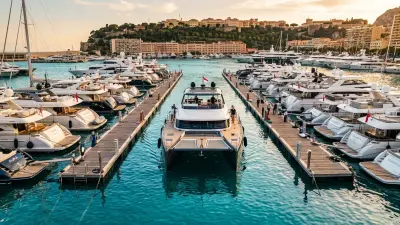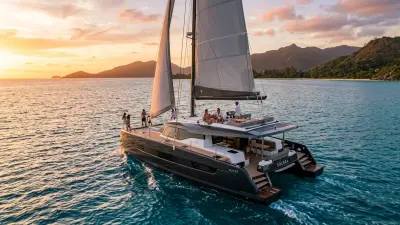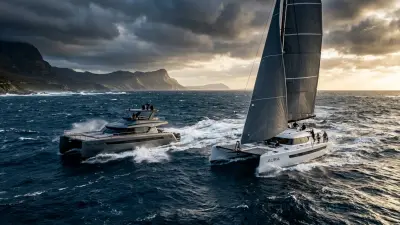
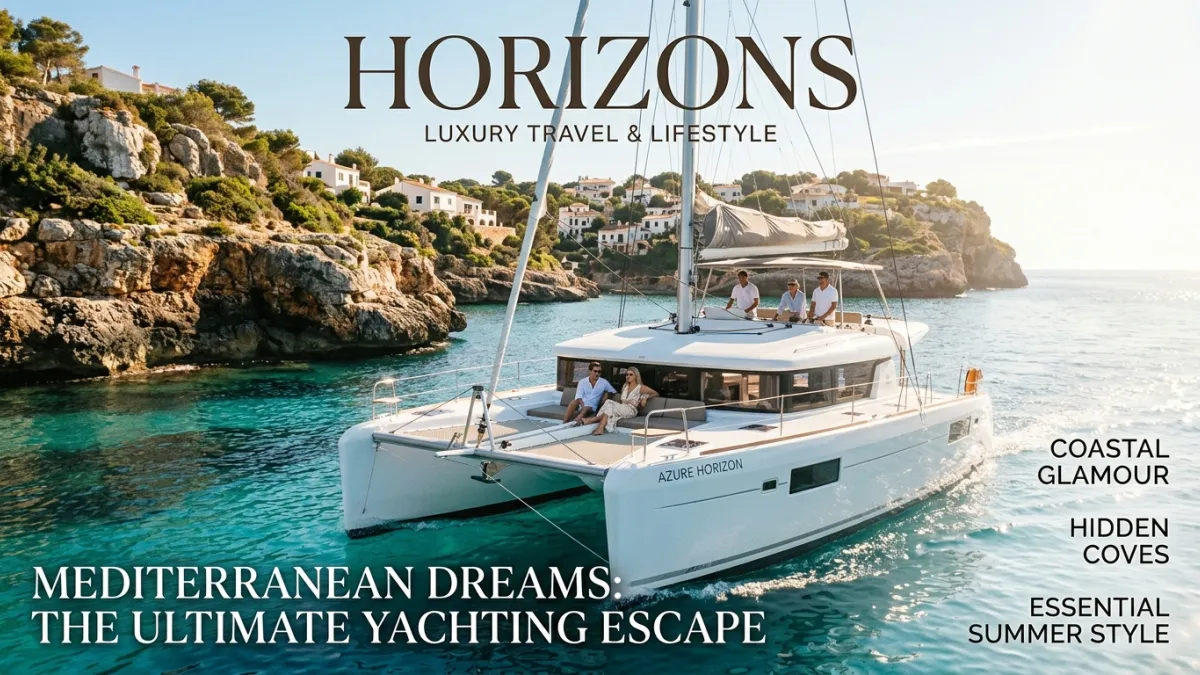
Few experiences in the maritime world match the sheer elegance, safety, and relaxation of a crewed catamaran charter in the Mediterranean. Cruising across turquoise waters with a dedicated captain handling the helm and a private chef curating regional delicacies transforms a standard vacation into an extraordinary journey. Whether you want to drop anchor in secluded bays along the Dalmatian Coast or glide past the dramatic cliffs of Amalfi, a dual-hull luxury yacht offers unmatched stability and living space.
Quick answer: A crewed catamaran charter in the Mediterranean provides a fully tailored, stress-free luxury sailing vacation where a professional captain and chef manage all navigation, meal preparation, and on-board logistics. Ideal for families and small groups, these dual-hulled vessels offer spacious accommodations, shallow drafts for secluded anchoring, and superior dynamic stability compared to traditional monohulls.
Why Choose a Crewed Catamaran for Mediterranean Cruising?
Modern luxury catamarans have revolutionized private chartering by blending expansive floor plans with remarkable on-the-water efficiency. Unlike monohulls that heel heavily under sail, a multihull stays exceptionally level, making it ideal for guests prone to motion sickness or those who prefer walking comfortably across the deck while underway. The expansive beam—often spanning half the overall length of the vessel—creates open-concept saloons and oversized aft cockpits that rival luxury land-based villas.
The operational features of multihulls are equally impressive for cruising Mediterranean micro-regions. Catamarans feature shallow drafts, typically between 3.5 to 4.5 feet (1.1 to 1.4 meters), allowing captains to navigate into skinny waters, shallow coves, and quiet anchorages that deep-draft keelboats cannot enter. Furthermore, twin inboard diesel engines—such as dual 57 hp or 80 hp Yanmar or Volvo Penta units—provide exceptional maneuvering control in tight harbors and ensure reliable cruising speeds of 8 to 10 knots when winds drop during hot summer afternoons.
Opting for a crewed charter removes every ounce of operational friction. Having a licensed skipper handles line handling, port clearances, weather routing, and anchoring, while an attentive deckhand or chef takes care of gourmet dining, housekeeping, and water sports setup. You gain the freedom to focus entirely on enjoying the coast, diving into crystal waters, and soaking up the rich local history at every port of call.
Top Mediterranean Charter Destinations Compared
The Mediterranean is a vast sailing ground, each region presenting a distinct flavor, climate pattern, and coastal topology. Choosing the right charter area depends on your group's appetite for active sailing, historical exploration, or quiet natural anchorage performance.
Greece remains an absolute powerhouse for yacht charters, split primary between the sheltered Ionian Islands and the windier Cyclades. The Ionian Sea offers calm morning thermal breezes, short hops between islands like Lefkada and Kefalonia, and emerald waters framed by pine forests. Conversely, the Cyclades feature iconic whitewashed architecture across Mykonos and Santorini, but require an experienced captain to navigate the robust summer Meltemi winds that frequently blow at 20 to 30 knots across the Aegean Sea.
Croatia’s Dalmatian Archipelago boasts over 1,000 islands, making it one of the safest and most visually stunning multihull environments on earth. Sailing between Split and Dubrovnik allows charters to visit the lavender fields of Hvar, the dense national parks of Mljet, and the protected anchorages of Vis. The Adriatic Sea features gentle summer mistral winds and exceptional shore-side infrastructure, including modern ACI marinas equipped with high-capacity moorings, shore power, and top-tier dining establishments.
The Western Mediterranean brings high-end glamour, world-class culinary scenes, and breathtaking geological formations. The French Riviera and Corsica offer a blend of lively harbor towns like Saint-Tropez and rugged, undeveloped island nature reserves like the Lavezzi Archipelago. Meanwhile, Italy’s Amalfi Coast and Sardinia's Costa Smeralda showcase dramatic volcanic cliffs, pastel villages, and clear emerald bays perfect for taking out the yacht's stand-up paddleboards and seabobs.
| Destination | Best Sailing Months | Average Wind Conditions | Highlight Attractions |
|---|---|---|---|
| Croatia (Dalmatia) | May to October | 10–18 knots (Summer Mistral) | Hvar, Vis, Kornati National Park |
| Greece (Ionian) | May to September | 8–15 knots (Gentle Therma) | Fiskardo, Zakynthos, Lefkada coves |
| Greece (Cyclades) | June to September | 15–30 knots (Meltemi) | Santorini, Mykonos, Delos ruins |
| Sardinia & Corsica | June to September | 12–22 knots (Variable) | Maddalena Archipelago, Bonifacio cliffs |
Popular Luxury Catamaran Models and Technical Specs
The charter market is dominated by world-renowned naval architects and builders who specialize in maximizing volume, structural integrity, and ergonomic living. Production builders like Lagoon, Fountaine Pajot, Bali, and Sunreef lead the industry, offering versatile platforms ranging from 45 feet to over 70 feet in length overall (LOA).
Mid-size luxury catamarans, such as the Lagoon 50 or Fountaine Pajot Elba 45, represent the sweet spot for small family groups or three couples. A typical 50-foot vessel features a Length Overall (LOA) of 48 ft 5 in (14.75 m), a beam of 26 ft 7 in (8.10 m), and a displacement around 45,000 lbs (20,000 kg). Designed with a fully battened mainsail (approx. 1,000 sq ft / 93 m²) and a furling genoa, these yachts deliver comfortable cruising speeds under sail while housing up to four ensuite guest cabins plus separate, dedicated crew quarters in the forward bows.
For larger parties seeking high-end mega-yacht amenities, catamarans in the 60 to 70-foot range provide unmatched luxury. Models like the Sunreef 60 or Lagoon 620 boast massive flybridges equipped with wet bars, sunpads, and secondary helm stations. Constructed from durable vacuum-infused GRP (fiberglass) with reinforced carbon-fiber structural stress points, these yachts feature high-capacity watermakers producing 60+ gallons (230 liters) per hour, heavy-duty generators (15-21 kW), and full air conditioning throughout all interior zones.
On-the-water tip: During a summer charter off the coast of Hvar, a unexpected afternoon squall rolled off the mountains with gusts exceeding 35 knots. While monohulls nearby began pitching heavily and scrambling to reef, our crew simply rolled away the electric furling genoa, started the twin Yanmar diesels, and comfortably adjusted our heading into a protected lee shore without spilling a glass of wine on the salon table. Always trust your captain to drop anchor in harbors with good holding ground (sand or mud) and double check your bridle attachment to absorb chain tension overnight.
What to Expect Onboard: Crew Roles and Life at Sea
Understanding the dynamics of a crewed charter ensures a seamless experience from the moment you step onto the teak transom steps. On a standard fully crewed yacht, the crew consists of a minimum of two professionals: a licensed Captain and a Chef/Hostess. On larger yachts above 60 feet, additional deckhands or dedicated stewards are added to maintain safety, service levels, and water toy operations.
The Captain holds complete authority over safety, navigation, and itinerary planning. Every morning, the skipper evaluates marine weather forecasts, wind directions, and harbor congestion before proposing the day’s route options. While you dictate your general preferences—such as spending more time in quiet bays or exploring bustling island nightlife—the captain retains final decision-making power to ensure vessel safety and guest comfort.
Your private chef creates tailored menu plans based on an extensive preference sheet completed weeks prior to embarkation. From fresh local seafood caught that morning to gluten-free pastries or fine Mediterranean wine pairings, culinary service onboard matches top-tier shore-side dining. Between meals, the crew manages all water sports gear, including launching the RIB tender (typically a 12 to 15-foot center console powered by a 40–60 hp outboard motor) for waterskiing, wakeboarding, or shore excursions.
Charter Costs, Advanced Provisioning Allowance (APA), and Planning Tips
Budgeting for a crewed catamaran charter involves a few distinct components beyond the base charter fee. The base fee covers the yacht rental, insurance, and the salaries of the professional crew. Peak summer season (July and August) commands the highest charter rates, while shoulder months like June and September offer ideal weather, lower costs, and significantly quieter anchorages.
In luxury crewed charters, expenses like food, drinks, fuel, marina mooring fees, and canal tolls are covered via an Advanced Provisioning Allowance (APA). The APA is typically calculated as 20% to 30% of the base charter rate and is paid prior to the voyage. The captain holds this fund in trust, paying for all your party’s operational expenses during the trip, and provides an itemized receipt journal at the conclusion. Any unspent funds are refunded directly to you, while any overages are settled at checkout.
Safety onboard is held to strict international standards. High-end charter catamarans carry mandatory marine safety equipment regulated by coastal authorities, including commercial-grade life rafts, automatic personal flotation devices (PFDs) for all age groups, an Emergency Position Indicating Radio Beacon (EPIRB), pyrotechnic flares, and comprehensive offshore first-aid kits. Crew members undergo rigorous emergency drills covering MOB (Man Overboard) protocols, fire suppression, and medical response.
- Base Rate: Covers yacht rental, crew salaries, and main hull insurance.
- APA (20-30%): Covers diesel fuel, fresh water, gourmet food, alcoholic beverages, and port mooring fees.
- VAT / Local Taxes: Varies by country (e.g., 13% in Greece, 13% in Croatia, 22% in Italy).
- Crew Gratuity: Industry standard is customly 10% to 15% of the base charter rate, left to your discretion based on service quality.
Frequently Asked Questions
What is the best time of year for a Mediterranean catamaran charter?
The primary charter season runs from May through October. Peak summer months (July and August) offer the warmest swimming waters and hot sun, but also feature higher rates and busier ports. May, June, September, and October provide pleasant sailing weather, lower temperatures, and fewer crowds in popular destinations.
Do I need sailing experience to book a crewed catamaran charter?
No sailing experience is required. Your professional captain handles all navigation, docking, anchoring, and safety management. You and your guests can relax completely or ask the captain to show you basic line handling and steering techniques if you wish to learn.
How far in advance should I book a luxury crewed catamaran?
Due to high demand for modern multi-hull yachts in top destinations like Croatia, Greece, and Sardinia, it is best to book your charter 6 to 10 months in advance—especially if traveling during peak July or August weeks.
Can crewed catamarans accommodate children and families?
Yes, catamarans are exceptional for families. Their wide, flat decks, high safety netting options, minimal roll, and easy water access via wide transom steps make them much safer and more comfortable for children than traditional mono-hulled vessels.
If you are planning your first luxury multihull experience, select a mild cruising region like the Croatian Dalmatian Coast or the Greek Ionian Islands during June or September. Partner with an experienced charter broker to secure a modern 50-to-60-foot catamaran with a dedicated captain and chef team, ensuring a seamless balance between secluded anchorage relaxation and coast-side exploration.