
Quick answer: Preserving a classic fiberglass boat requires a proactive, three-part strategy: restoring and sealing the exterior gelcoat to prevent water intrusion into structural cores, performing routine mechanical services on aged propulsion systems, and systematically replacing high-stress chainplates, standing rigging, and electrical wiring every 10 to 15 years.
Restoring Gelcoat and Safeguarding Hull Integrity
The protective outer layer of a fiberglass boat is its gelcoat, a specialized pigmented polyester resin applied during the original molding process. Over years of UV exposure, the chemical bonds in gelcoat degrade, leading to severe oxidation, chalking, and microscopic porosity. Washing the hull with standard dish soap accelerates this damage by stripping essential oils. Instead, working with a dedicated marine wash containing mild surfactant formulas prepares the surface for deep restorative compounding. When dealing with heavily oxidized topsides on older hulls like a 1978 Cape Dory 28, a multi-phase mechanical restoration is necessary before applying high-grade carnauba or synthetic polymer sealants.
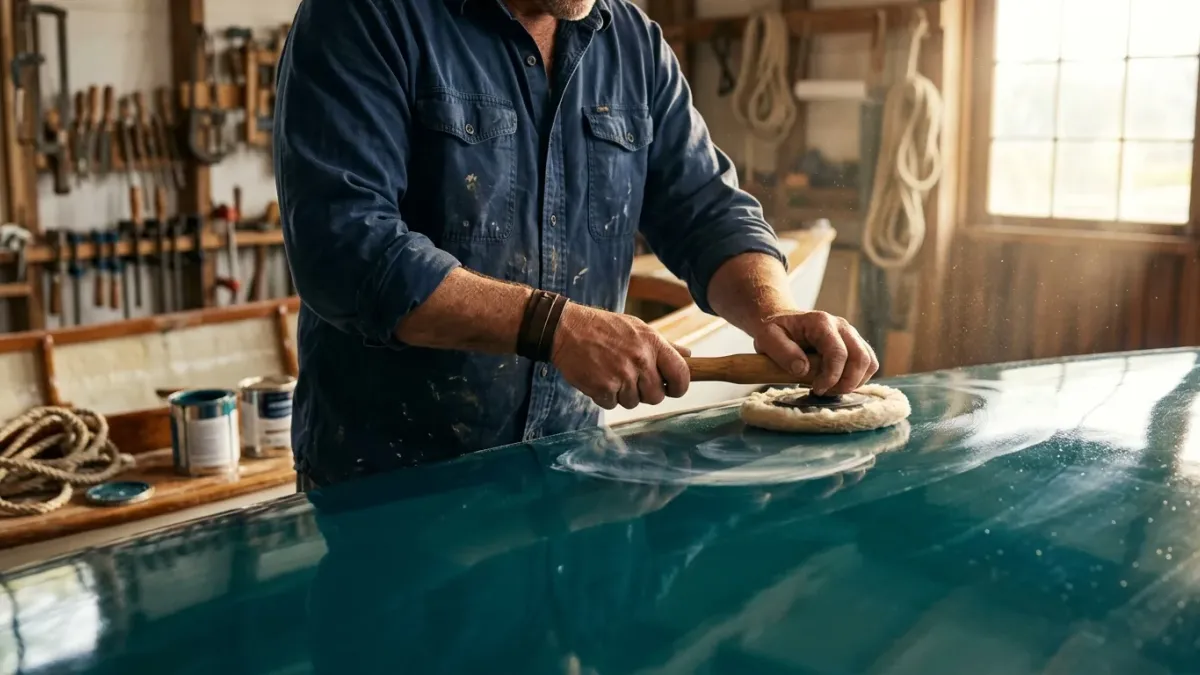
Compounding requires a variable-speed rotary buffer operating between 1200 and 1800 RPM paired with a heavy-wool cutting pad. Heavy oxidation demands an aggressive aluminum oxide compound to strip away dead resin molecules. Once the gloss returns, transition to a fine finishing polish on a foam pad to eliminate swirl marks. The final phase involves applying two thin coats of marine-grade sealant, allowing proper cure time between applications. Neglecting this barrier allows water to seep into micro-fissures, leading to frost wedging in northern climates or deep staining from saltwater minerals.
Managing Osmotic Blistering and Subsurface Moisture
Osmotic blistering, often called "boat pox," occurs when water molecules penetrate the gelcoat layer and react with uncured resin compounds within the underlying structural fiberglass mat. This chemical reaction creates acidic fluid pockets that expand, creating visible raised domes below the waterline. While vintage solid-fiberglass hulls under the waterline rarely suffer catastrophic structural collapse from minor osmotic blisters, widespread blistering compromises fairing and reduces hydro-performance. Remediating blisters involves grinding out each void down to sound laminate, rinsing the area with fresh water to clear soluble salts, drying the hull thoroughly, and filling with a dense silica-epoxy thickened fairing compound.
For deck structures, most builders sandwiched balsa wood or foam cores between thin fiberglass skins to reduce weight while maintaining stiffness. When deck fittings like stanchion bases, cleat backings, or genoa tracks lose their bedding compound sealant, freshwater migrates into the core. Over time, wood cores rot, causing soft spots beneath your feet. Locating moisture early requires a marine moisture meter or a light tapping test using a small plastic mallet—a hollow, dull thud indicates delamination or water-logged core material. Repairing these areas involves opening the top skin, excavating soft wood, rebuilding the core with high-density foam or marine plywood, and re-bonding with structural epoxy resin.
On-the-water tip: During a offshore passage on a 1982 Tartan 37, we noticed subtle creaking near the port chainplate while beating into a 22-knot breeze. A post-voyage inspection revealed that undetected deck core moisture had weakened the chainplate knees beneath the deck, allowing the fitting to pull upward by almost a quarter-inch under load. Always inspect deck bedding around high-load hardware annually to stop water migration before structural displacement occurs.
Engine, Shaft, and Auxiliary System Care
A classic sailboat or vintage power cruiser is only as reliable as its auxiliary motor. Many classic vessels carry classic diesel engines like the Yanmar 3GM30F, Universal Atomic 4, or Volvo Penta MD series. These heavy-cast diesels are famously robust, yet they depend heavily on clean fuel delivery and functional cooling loops. Fuel tanks on older vessels are frequently made of aluminum or mild steel, both of which accumulate condensation, rust particulates, and biological sludge over decades. Installing a dual-filter Racor fuel water separator setup with an isolation valve allows you to switch filter elements on the fly without shutting down the engine during choppy sea conditions.
Raw-water cooling systems require diligent maintenance, particularly in warm marine environments where salt crystals and marine growth clog internal water jackets. Flexible neoprene raw-water pump impellers should be removed and replaced annually; even minor cracks in impeller vanes can lead to catastrophic engine overheating under high load. Additionally, clean heat exchangers every two seasons by removing the end caps and clearing scale deposits using a soft wire brush or a circulating descaling acid bath solution.
Stuffing Boxes and Drivetrain Alignment
Traditional shaft setups feature a bronze stuffing box using waxed flax or Teflon-impregnated packing rings wrapped around a stainless steel propeller shaft. Unlike modern dripless shaft seals, traditional stuffing boxes are designed to drip slowly—roughly 2 to 4 drops per minute while the shaft is spinning—to lubricate and cool the packing material. If the drip rate stops completely, friction heat can score the shaft or scorch the packing, causing unexpected flooding when the seal fails.
Over time, engine mounts settle, or engine beds flex under load, pulling the engine out of alignment with the shaft log. Misalignment creates excessive vibration, accelerates cutless bearing wear, and stresses shaft couplings. Checking engine alignment requires separating the shaft coupling flanges and measuring the gap around the perimeter using a feeler gauge. The clearance variance around the entire 360-degree flange interface should not exceed 0.003 to 0.004 inches per inch of coupling diameter.
Standing Rigging, Spars, and Deck Hardware
For vintage sailboat owners, the rig represents the primary propulsion unit and a significant structural load center. Most classic production boats feature 1x19 stainless steel wire standing rigging attached to swage fittings. Marine industry guidelines recommend replacing stainless steel standing rigging every 10 to 12 years, regardless of how clean the wire looks visually. Crevice corrosion thrives in anaerobic environments—such as inside the lower swage sockets where water settles—making it nearly invisible from the outside until sudden mechanical failure occurs under sail.
Chainplates, which transfer mast tension from the shrouds down into the hull structure, require frequent inspection and periodic re-bedding. Remove deck trim collars annually to check for rust streaks, stress cracks, or elongated bolt holes. Clean off old butyl tape or polyurethane sealants, inspect the metal with a 10x jeweler's loupe or dye-penetrant test kit, and re-bed using flexible marine sealants designed for dynamic marine joints.
Evaluating Hardware Loads and Deck Backing Plates
Classic boats often carry hardware fitted with original mild-steel or undersized aluminum backing plates. Modern loads from high-tenacity synthetic halyards and upgraded sails transfer significantly higher peak forces into deck laminate than original dacron equipment did decades ago. Upgrading backing plates to heavy-gauge G10 fiberglass board or 316-grade stainless steel spreads these load concentrations across larger surface areas, preventing deck flexing and spider-cracking around cleats and winches.
Electrical Refitting and Safe Plumbing Upgrades
Outdated marine electrical systems represent one of the leading causes of onboard fires and sinkings in vintage vessels. Original factory wiring on boats built prior to 1990 rarely met modern American Boat and Yacht Council (ABYC) safety standards. Non-tinned copper wire rapidly corrodes in moist marine environments, turning black inside the insulation jacket and creating high electrical resistance, voltage drops, and severe heat build-up. Replacing old runs with fully tinned copper marine wire (UL 1426 standard) ensures long-term conductivity and reduced fire risk.
Plumbing systems on classic hulls deserve equal attention, particularly underwater pass-through fittings (thru-hulls) and seacocks. Older vessels frequently feature gate valves intended for residential plumbing or degraded cast-bronze fittings. Replace all original gate valves with heavy-duty marine bronze or Marelon flanged seacocks bolted directly to reinforced backing pads on the hull. Ensure every thru-hull below the static waterline utilizes double stainless-steel hose clamps with worm gear bands tightening in opposite directions.
Comprehensive Classic Boat Maintenance Framework
Keeping a classic fiberglass vessel in offshore-ready condition requires structured routine care. Below is a specification and maintenance matrix comparing common classic boat systems, typical operational lifespans, and essential service protocols.
| System / Component | Common Classic Specifications | Expected Lifespan | Recommended Service Protocol |
|---|---|---|---|
| Gelcoat Polish & UV Sealant | Polyester Isophthalic Gelcoat (15-20 mils thick) | 3 to 6 Months (Coatings) | Wash with mild marine soap; machine-compound with aluminum oxide; apply marine-grade synthetic polymer sealant twice yearly. |
| Deck Core & Hardware Bedding | End-grain Balsa or Marine Plywood Sandwich | 10 to 15 Years (Sealants) | Perform sound-testing with plastic mallet; re-bed hardware with marine butyl tape or polyurethane compound; drill and pot holes with epoxy. |
| Standing Rigging (1x19 Wire) | 316 Stainless Steel Wire with Swage Ends | 10 to 12 Years | Inspect wire entry points at swages annually with dye-penetrant; replace complete rig every 10-12 years for offshore peace of mind. |
| Auxiliary Diesel Engine | Yanmar / Universal / Volvo (20-40 HP range) | 8,000+ Engine Hours | Change engine oil/filters every 100 hours or annually; replace impeller yearly; flush raw water cooling loop with descaling solution bi-annually. |
| Seacocks & Thru-Hulls | C83600 Bronze or Marelon Composite Valves | 15 to 20 Years | Exercise valves monthly; lubricate internal seals annually; check hose clamps and replace degraded double-clamp hose connections immediately. |
Systematic Maintenance Action Plan
Maintaining a classic boat should follow a disciplined seasonal rhythm rather than reactive crisis repairs. Begin each spring season with a comprehensive structural audit of all lower-hull penetrations, steering linkages, safety gear, and battery banks before putting the boat back in the water. Keep a detailed physical logbook documenting component part numbers, torque values, and maintenance dates; accurate records preserve the vessel's market value and assist marine surveyors during future insurance evaluations.
When selecting maintenance tasks for your classic vessel, prioritize structural safety, underwater mechanics, and electrical safety before investing time or money in purely cosmetic brightwork upgrades. Securing the hull structure, rig, and drivetrain ensures your classic fiberglass boat delivers safe, dependable sea adventures for decades to come.
Frequently Asked Questions
How can I tell if my classic boat deck has structural rot in the core?
Walk across the deck surface while checking for flex under foot, or perform a tap test using a light plastic hammer across a grid pattern. A clear, crisp ring indicates a solid, well-bonded sandwich core, while a dull, hollow thud signals moisture intrusion, core rot, or delamination between the core and fiberglass skin.
Is it better to paint or re-gelcoat an old fiberglass hull?
While re-gelcoating is possible, it requires extensive labor, grinding, and specialized spray setups to achieve a factory finish on an older hull. In most cases, prepping the existing hull and applying a high-performance two-part polyurethane marine paint (such as Awlgrip or Alexseal) provides superior gloss retention, UV protection, and long-term durability with far less labor intensity.
How often should I pull my classic boat out of the water for hull service?
Most marine operators recommend hauling out every 12 to 24 months depending on your local climate, water temperature, and paint type. Annual haul-outs allow thorough underwater inspections of cutless bearings, zinc anodes, shaft couplings, and seacocks, while permitting fresh application of antifouling bottom paint.