


Chasing the Bargain: Setting Realistic Expectations for Your Sub-$5K Boat
The open water calls to many of us, promising freedom, adventure, and a unique connection with nature. For decades, I’ve seen countless folks dream of owning a boat, only to be daunted by the perceived cost. But what if I told you that dream is well within reach, even on a modest budget?
Table Of Content
- Chasing the Bargain: Setting Realistic Expectations for Your Sub-$5K Boat
- What $5,000 Really Buys (and Doesn’t Buy)
- The "Project Boat" vs. "Ready-to-Go" Spectrum
- Your Personal "Why": Defining Your Boating Needs
- Navigating the Digital Tides: Where to Hunt for Your Under-$5K Gem
- Online Marketplaces & Specialized Forums
- Local Listings and Physical Searches
- The Art of the Search Query: Keywords and Filters
- The Deep Dive: Essential Inspections Before You Buy
- Hull and Transom: The Foundation of Your Vessel
- Engine and Mechanicals: The Heartbeat of Your Boat
- Trailer and Accessories: Don’t Forget the "Extras"
- The Test Run: A Non-Negotiable Step
- Popular Picks Under $5,000: What You’ll Likely Find
- Aluminum Fishing Boats & Jon Boats: The Indestructible Workhorses
- Small Fiberglass Runabouts & Bowriders: Days on the Water
- Older Pontoons: The Floating Living Room
- Sailboats & Kayaks: Niche Opportunities
- Beyond the Purchase Price: Budgeting for Ownership
- Registration, Insurance, and Safety Gear
- Maintenance and Repairs: The Ongoing Cost
- Storage and Transportation: Hidden Expenses
- DIY vs. Professional: Knowing Your Limits
The market for a used boat under $5,000 is a vibrant, bustling place, brimming with potential if you know where to look and, crucially, what to expect. This isn’t about finding a pristine, turn-key yacht with all the latest electronics. Instead, it’s about uncovering a solid foundation, a reliable engine that needs a little love, or a sturdy hull ready for a new chapter. Your sub-$5,000 boat will likely be a testament to a previous owner’s adventures, bearing the marks of time and use. It’s an entry point, a learning platform, and often, a project that offers immense satisfaction when you bring it back to life.
So, let’s cast off the notion that boating is only for the wealthy. With a keen eye for value, a willingness to get your hands dirty, and a solid understanding of the market, you can absolutely find a fantastic watercraft that fits your budget and opens up a world of aquatic possibilities.
What $5,000 Really Buys (and Doesn’t Buy)
Understanding the value proposition at this price point is critical. For $5,000, you are primarily investing in the core components: a sound hull, a working (though often older) motor, and a serviceable trailer. Think of it as buying good bones. You should anticipate that the electronics might be outdated or non-existent, the upholstery will likely be weathered, and cosmetic flaws will be part of the package. This isn’t a bad thing; it simply means your budget is focused on functionality and structural integrity rather than luxury.
What you won’t typically get is a boat requiring zero maintenance, sporting a brand-new outboard, or equipped with modern GPS and fish finders. Expect to find vessels from the 1980s or 1990s, possibly early 2000s for smaller, simpler models. These boats have character and history, and with a bit of elbow grease, they can provide years of enjoyment. My first boat, a 1978 "project" runabout, cost me $1,500 and taught me more about boat maintenance than any textbook ever could – and gave me incredible memories along the way!
The "Project Boat" vs. "Ready-to-Go" Spectrum
When searching for boats under $5,000, you’ll encounter a spectrum ranging from "ready for the water" (with caveats) to "definitely a project." A "ready-to-go" boat in this price range means it’s likely functional for its intended purpose but will still benefit from minor repairs, cleaning, and perhaps some deferred maintenance. Think of cosmetic touch-ups, fluid changes, or a new battery. These are the diamonds in the rough that can often be on the water the same weekend you buy them.
On the other hand, a "project boat" is what you’ll find more frequently. These might have known issues like a non-running engine, soft spots in the deck, or significant cosmetic damage. While these require more time, skill, and potentially additional investment, they also offer the most significant savings upfront and the immense satisfaction of restoring a vessel. If you’re handy and enjoy tinkering, a project boat can be incredibly rewarding, allowing you to customize it exactly to your taste over time.
Your Personal "Why": Defining Your Boating Needs
Before you even start browsing, ask yourself: Why do I want a boat? What will I primarily use it for? This crucial self-reflection will narrow your search considerably. Are you dreaming of quiet mornings casting lines on a freshwater lake? A small aluminum fishing boat or a bass boat might be perfect. Do you envision leisurely afternoons with family, cruising calm rivers or sheltered bays? An older pontoon or a small fiberglass runabout could fit the bill. Perhaps you’re a thrill-seeker looking for tow sports, or a sailor yearning for the wind in your sails, even if it’s just a small dinghy.
Understanding your primary use will help you focus on the right type of hull, engine, and overall condition. For instance, if you’re targeting bass fishing, a sturdy transom and a reliable trolling motor are paramount. If family cruising is the goal, deck space, seating, and safety features take precedence. By defining your "why," you prevent impulse buys and ensure that the boat you eventually purchase truly serves your needs, even if it’s a budget-friendly option.

Navigating the Digital Tides: Where to Hunt for Your Under-$5K Gem
The quest for a bargain boat often begins online, but knowing where to focus your efforts can make all the difference. The internet has revolutionized how we find used boats, but local connections and physical searches still hold immense value, especially when dealing with smaller, more affordable vessels.
Online Marketplaces & Specialized Forums
Your first port of call should be general online marketplaces like Craigslist, Facebook Marketplace, and Kijiji (especially prominent in Canada). These platforms host a vast array of private sellers and often have a "used boat for sale under $5000" category or the ability to filter by price. Be prepared to sift through many listings, as quality varies wildly. Websites like BoatTrader.com and YachtWorld.com also list smaller boats, though their focus tends to be on higher price points, you might occasionally find a deal.
Don’t overlook boating-specific forums and enthusiast groups on social media. Many local fishing clubs or sailing associations have classified sections where members sell their boats. These communities can be goldmines, as sellers are often fellow enthusiasts who have maintained their vessels with care and are more transparent about their boat’s history. Plus, you might get valuable advice from experienced members on what to look for.
Local Listings and Physical Searches
While online searches are convenient, the "used boat for sale under $5000 near me" approach is highly effective. Transportation costs for boats can quickly eat into your budget – moving a boat even a few hundred miles can easily cost $500-$1500, making a cross-country deal uneconomical for a sub-$5K boat. Therefore, prioritize local finds.
Beyond the internet, consider old-school methods: check local marina bulletin boards, boatyards, and even drive through neighborhoods with many boats parked in driveways. Often, a "For Sale" sign with a phone number is still the best way to find a motivated seller. In areas like Nova Scotia, known for its strong maritime culture, you might find more fiberglass pleasure craft or small utility boats listed locally. In contrast, the prairies of Saskatchewan or areas around the Great Lakes in Ontario will yield more freshwater fishing boats and pontoon boats. Regional differences in boating culture directly impact what’s available and where.
The Art of the Search Query: Keywords and Filters
When searching online, be creative and specific with your keywords. Beyond "used boat for sale under $5000," try variations like "cheap fishing boat," "project boat," "bass boat for sale $4000," or "pontoon boat under 5K." Include brand names you know are common in older models, such as "older Lund," "Tracker boat," "Sea Ray project," or "Bayliner fishing."
Utilize the filtering options on marketplace sites to narrow down your results by price, location, and boat type. Don’t be afraid to look at listings slightly above your budget – sometimes sellers are negotiable, especially if the boat has been listed for a while. Likewise, consider looking at listings without a price, as these can sometimes be motivated sellers just wanting to get rid of a boat. Always be polite, respectful, and clear in your communication with sellers, and remember, a good deal often requires patience and persistence.
The Deep Dive: Essential Inspections Before You Buy
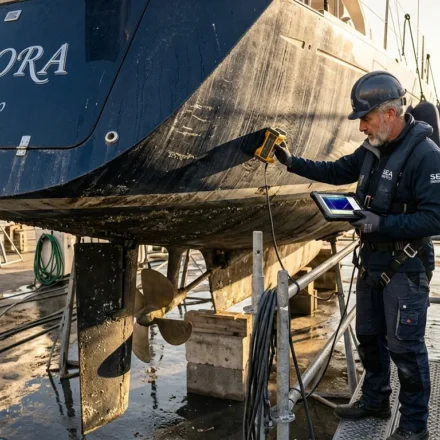
Once you’ve found a promising candidate, the real work begins: the inspection. This is where you transform from an eager buyer into a meticulous detective. A thorough inspection can save you thousands in future repairs and prevent buyer’s remorse. Never buy a boat unseen or without a comprehensive check, especially at this price point where hidden issues are more common.
Hull and Transom: The Foundation of Your Vessel
The hull is the most critical component. For fiberglass boats, look for deep gouges, spider cracks (which can indicate structural stress), and signs of previous repairs. Check for any delamination or soft spots, particularly on the deck and floor. Walk the entire length of the deck, feeling for any spongy areas underfoot, which often signal rotten wood beneath the fiberglass skin – a costly repair.
The transom, where the engine mounts, is another critical area. Any flex, cracking, or soft spots around the engine well are red flags indicating catastrophic wood rot. Push and pull on the outboard motor; if the transom moves independently of the hull, walk away. For aluminum boats, inspect for dents, punctures, or compromised welds. Small dents are often cosmetic, but larger ones can affect structural integrity and buoyancy. For pontoons, meticulously inspect the tubes for large dents, punctures, or signs of water intrusion. Minor scratches are normal, but significant damage or poor patching suggests neglect.
Engine and Mechanicals: The Heartbeat of Your Boat
The engine, especially an older two-stroke outboard, is often the most expensive component to repair or replace. A compression test is non-negotiable. If the seller won’t allow it, or won’t let you have a mechanic perform it, be wary. Uneven or low compression across cylinders points to major internal engine problems that could easily cost $3,000-$5,000 to fix or replace, instantly blowing your budget.
Beyond compression, check for obvious leaks (oil, fuel, coolant), corrosion, and overall cleanliness. Does it start easily? Does it idle smoothly? Shift through forward, neutral, and reverse. Test the steering and throttle controls for smooth operation. Inspect the fuel lines, tank, and electrical wiring for signs of age, cracking, or shoddy repairs. Remember, a boat "that just needs a carburetor cleaning" often needs much more.
Trailer and Accessories: Don’t Forget the "Extras"
The trailer is often overlooked but essential. Inspect the frame for rust, especially at welds and leaf springs. Check the tires for dry rot, proper inflation, and tread depth – new tires can be a couple of hundred dollars. Test all lights, ensure the coupler works, and inspect the winch and safety chains. Bearings are another common failure point; listen for grinding noises during a test tow. A neglected trailer can quickly become a safety hazard and an unexpected expense.
Finally, consider the "extras." Does the bilge pump work? Are navigation lights functional? Is there a working battery? What about the condition of the anchor, lines, and life vests? While these items are often considered secondary, replacing them individually can add up. Factor their condition into your overall assessment of the boat’s value. A boat with a good quality cover, for example, suggests better care and can protect your investment for years.
The Test Run: A Non-Negotiable Step
If the boat runs, a test run on the water is absolutely crucial. This is where you’ll truly experience how the boat handles. Does it track straight? Does the engine reach its full RPM range without sputtering or overheating? Listen for unusual noises from the engine or hull. Test the trim and tilt. Does the steering feel responsive? Does it take on water in the bilge? Many issues, particularly with engine performance or hull integrity, only reveal themselves when the boat is under power and in its element.
If a seller refuses a test run, that’s a major red flag. Unless you’re buying a known project boat with a non-running engine, you need to see it perform. Offer to pay for the fuel and a reasonable "splash fee" if launching is involved. A seller confident in their boat will have no issue demonstrating its capabilities on the water.
Popular Picks Under $5,000: What You’ll Likely Find
At the sub-$5,000 price point, certain types of boats dominate the market. These vessels offer excellent value for their utility and are generally simpler to maintain, making them ideal for first-time boat owners or those on a strict budget. Knowing what to expect can help you target your search effectively.
Aluminum Fishing Boats & Jon Boats: The Indestructible Workhorses
These are arguably the most common and best value boats you’ll find under $5,000. Brands like Lowe, Starcraft, Crestliner, and older Lund or Tracker models from the 1980s and 1990s are plentiful. Aluminum hulls are incredibly durable, forgiving of minor bumps, and less prone to the structural rot issues that can plague older fiberglass boats. They are perfect for freshwater fishing, hunting, or as utility boats on protected waters.
When inspecting, focus on the integrity of the rivets or welds, particularly along the keel and chines. Look for large dents that could compromise the hull’s shape or create leaks. The floor (often plywood) can still rot, so check for soft spots. The outboards on these are usually smaller (9.9 HP to 50 HP) two-strokes, which are generally robust but still require the compression test mentioned earlier. Many used bass boats for sale under $5,000 will fall into this category, offering a solid platform for a dedicated angler.
Small Fiberglass Runabouts & Bowriders: Days on the Water
For those seeking a boat for day cruising, tubing, or watersports (if well-powered), small fiberglass runabouts and bowriders from the 1980s are often available. Brands like older Bayliner, Sea Ray, or Four Winns models might pop up. These boats offer more seating and often a slightly smoother ride than aluminum boats in choppy conditions.
However, be extra vigilant about fiberglass boats of this vintage. The common issues are floor rot, transom rot, and fuel tank issues. The interiors will almost certainly need updating – cracked upholstery and faded gelcoat are par for the course. Focus your inspection on the structural integrity of the hull and transom. A good running engine with a solid hull, even with a tired interior, can be a fantastic way to get on the water for family fun. Just be prepared to budget for new upholstery or seat covers down the line.
Older Pontoons: The Floating Living Room
Pontoon boats offer unparalleled space and comfort for their length, making them excellent "floating living rooms" for calm water cruising with family and friends. A used pontoon boat for sale under $5,000 will likely be an older model, typically 18-20 feet, and will almost certainly require cosmetic upgrades. Used pontoon boats for sale Ontario under $5000, for example, are common due to the abundance of lakes.
The critical inspection points are the pontoon tubes themselves: check for large dents, obvious patches, or signs of water leakage inside the tubes. Waterlogged tubes can affect buoyancy and performance. The deck floor, usually plywood under carpet, is highly susceptible to rot, so walk every square inch to feel for soft spots. While railings may be faded or have missing sections, and upholstery will definitely be cracked or mildewed, these are often manageable cosmetic issues. Budgeting $500-$1,000 for replacement pontoon boat seats or marine vinyl can transform the interior.
Sailboats & Kayaks: Niche Opportunities
While less common, you can occasionally find small sailboats (like dinghies, small catamarans, or older monohulls under 20 feet) or groups of kayaks and canoes under $5,000. These offer unique boating experiences. For sailboats, inspect the mast, rigging (shrouds, stays), and sails for condition. Dry rot in the sails or severe corrosion in the rigging can be expensive to fix. For kayaks and canoes, look for cracks, deep gouges, or sun damage that could compromise their integrity.
Even houseboats for sale under $5000 can pop up, but these are almost exclusively salvage projects, very old, tiny cabin cruisers needing extensive structural and mechanical work, or small barges. Expect a significant undertaking if you go this route, likely far exceeding the initial purchase price in repairs. It’s truly a niche for the dedicated DIY enthusiast.
Beyond the Purchase Price: Budgeting for Ownership
Congratulations, you’ve found your dream boat under $5,000! But the journey doesn’t end with the sale. Owning a boat, regardless of its initial cost, comes with ongoing expenses. Smart budgeting for these "hidden costs" is crucial to ensure your boating dream doesn’t turn into a financial nightmare. Many first-time buyers are so focused on the purchase price that they overlook these essential expenditures.
Registration, Insurance, and Safety Gear
Every boat needs to be registered with the appropriate government authority, which involves a fee (often annual or bi-annual). Don’t forget insurance! While liability insurance might be optional for smaller vessels in some regions, it’s always a wise investment to protect yourself in case of an accident. Comprehensive coverage, though more expensive, can protect your investment against theft, damage, or natural disasters.
Safety gear is non-negotiable. This includes life jackets (one for every person on board, appropriately sized), a bailing device (bucket or pump), paddle, sound-signaling device (whistle or horn), visual distress signals (flares or flag), fire extinguisher, and a first-aid kit. While some items might come with the boat, expect to spend a few hundred dollars to ensure you meet all local and national safety requirements. Ignorance of safety regulations is no excuse, and fines can quickly exceed your boat’s purchase price.
Maintenance and Repairs: The Ongoing Cost
A used boat, especially one under $5,000, will require ongoing maintenance and likely some repairs. This isn’t a downside; it’s just part of boat ownership. Budget for annual engine tune-ups, oil changes, lower unit fluid changes, and winterization/de-winterization. Depending on the engine’s age and condition, you might face costs for new spark plugs, fuel filters, water pump impellers, or even propeller repairs.
Minor fiberglass repairs, gelcoat touch-ups, or deck cleaning are also common. If you’re handy, learning to perform some of these tasks yourself can save a significant amount. However, always know your limits. For complex engine issues, electrical problems, or structural repairs, it’s often best to consult a professional marine mechanic. Skimping on maintenance will inevitably lead to more significant, more expensive problems down the line.
Storage and Transportation: Hidden Expenses
Where will you keep your boat when it’s not in the water? If you don’t have space at home, you’ll need to budget for storage. Marina slips, dry storage facilities, or even winter boat storage can range from a few hundred to several thousand dollars per season, depending on your location and the boat’s size. Even trailering the boat requires a reliable tow vehicle and fuel for transportation to and from the launch ramp.
Consider the cost of launching and retrieving. Some public ramps are free, while others charge a daily or annual fee. If your trailer needs significant work, factoring in new tires, bearings, or even a complete overhaul is essential. These "hidden" costs can quickly add up, so it’s wise to create a comprehensive budget that goes beyond just the initial purchase price, ensuring your watercraft dream remains an enjoyable reality rather than a burden.
DIY vs. Professional: Knowing Your Limits
For many budget boat owners, a significant portion of the savings comes from doing much of the work themselves. Learning basic engine maintenance, cleaning, minor fiberglass repair, and electrical troubleshooting can be incredibly empowering and cost-effective. Online resources, YouTube tutorials, and local boating clubs are excellent places to learn.
However, it’s crucial to know your limits. Attempting complex engine overhauls, structural hull repairs, or intricate electrical wiring without proper knowledge can lead to dangerous and costly mistakes. For critical safety systems or jobs requiring specialized tools and expertise, don’t hesitate to call in a professional. A good marine mechanic or surveyor can provide peace of mind and ensure your boat is safe and reliable. Striking the right balance between DIY and professional help is key to successful, affordable boat ownership.