

Vintage Charm, Modern Power: Upgrading Your Classic Boat’s Engine for Enhanced Performance

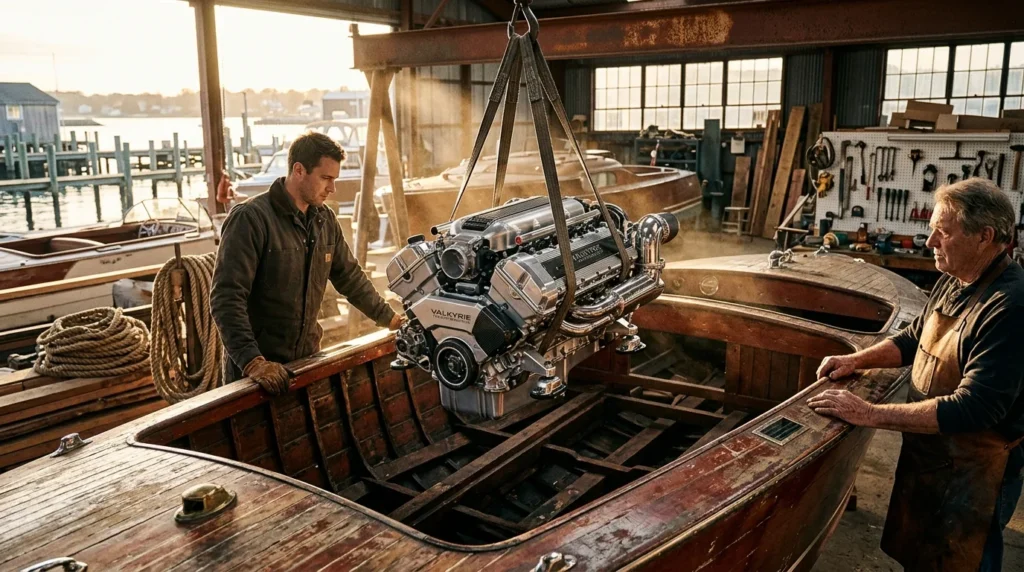
The Heart of the Matter: Why a Modern Engine in a Classic Hull?
You love your classic boat, right? That timeless hull, the rich history, the unmistakable lines that turn heads in every marina. There’s a certain magic to a vintage vessel. But honestly, even the most devoted classic boat owner eventually faces a dilemma: that old engine. It might be loud, thirsty, unreliable, or simply not delivering the smooth, confident power you need for today’s adventures. It’s like having a beautiful antique car with a sputtering, inefficient engine under the hood. Wouldn’t it be incredible if you could combine that classic charm with modern reliability and performance?
Table Of Content
- The Heart of the Matter: Why a Modern Engine in a Classic Hull?
- Why Make the Leap? The Undeniable Benefits of Modern Power
- Enhanced Reliability and Safety
- Superior Performance and Fuel Efficiency
- Quieter Operation and Reduced Emissions
- Increased Resale Value
- Choosing Your New Heart: Engine Selection Considerations
- Matching Power to Hull Type and Intended Use
- Diesel vs. Gasoline: A Classic Debate
- Weight, Dimensions, and Installation Challenges
- Brand Reputation and Support Network
- The Repower Process: More Than Just an Engine Swap
- Professional Planning and Execution are Non-Negotiable
- Removal, Inspection, and Engine Room Preparation
- Installation and Systems Integration: The Devil is in the Details
- Beyond the Engine: Complementary Upgrades for the Ultimate Repower
- Propeller Optimization
- Fuel System Overhaul
- Electrical System Enhancements
- Soundproofing and Vibration Dampening
- Embrace the Future with Your Classic Beauty
That’s exactly what an engine upgrade, or “repower,” offers. It’s not just about replacing a worn-out motor; it’s about breathing new life into your beloved classic, making it safer, more enjoyable, and significantly more capable. Based on my experience, a well-executed repower can utterly transform the boating experience, turning a sometimes-stressful outing into pure joy. It’s an investment, yes, but one that pays dividends in peace of mind and enhanced enjoyment on the water.

Why Make the Leap? The Undeniable Benefits of Modern Power
So, why go through the process of replacing a perfectly “functional” (or semi-functional) old engine? The reasons are compelling and touch every aspect of your boating life. From safety to your wallet, a modern engine brings a host of advantages.
Enhanced Reliability and Safety
Let’s be real: old engines break down. Often. Imagine this situation: you’re enjoying a beautiful day offshore, perhaps with family or friends, and suddenly that familiar hum turns into an unsettling clatter, or worse, silence. A breakdown far from home or in challenging conditions isn’t just an inconvenience; it can be downright dangerous. Modern marine engines, with their advanced engineering and robust construction, offer vastly superior reliability. You get peace of mind knowing that when you turn the key, your boat will start and get you where you need to go, and back again.
Superior Performance and Fuel Efficiency
New engines are powerful. They deliver more horsepower per pound, often with significantly better torque curves, meaning smoother acceleration and more confident handling, especially in choppy seas or strong currents. But it’s not just about raw power; it’s about efficiency. Modern engines are designed to optimize fuel consumption. This means you’ll spend less at the pump, extend your cruising range, and reduce your carbon footprint. For many, the long-term fuel savings alone can justify a significant portion of the upgrade cost. It’s a win-win for your wallet and the environment.
Quieter Operation and Reduced Emissions
One of the immediate benefits you’ll notice is the dramatic reduction in noise and vibration. Old engines can be incredibly loud and rattly, making conversation difficult and long trips tiring. Modern engines are engineered for quiet, smooth operation, transforming your classic boat into a more tranquil sanctuary. Furthermore, stricter environmental regulations mean new engines produce significantly fewer harmful emissions. This isn’t just good for the planet; it’s increasingly important for maintaining access to certain waterways and marinas.
Increased Resale Value
While the emotional value of your classic boat is priceless, practical considerations matter too. A well-maintained classic with a modern marine engine upgrade instantly becomes more attractive to potential buyers. It signals that the boat has been cared for, is reliable, and ready for many more years of enjoyment without the immediate need for a costly repower. In my opinion, it’s one of the best investments you can make to enhance both your enjoyment and your boat’s marketability.
Choosing Your New Heart: Engine Selection Considerations
Once you’re convinced that an engine repower for your classic boat is the way to go, the next critical step is selecting the right engine. This isn’t a “one size fits all” decision; it requires careful thought and often, expert advice.
Matching Power to Hull Type and Intended Use
This is paramount. Overpowering a hull can be dangerous, stressing the structure and compromising handling. Underpowering leaves you wanting more, especially when facing adverse conditions. You need to consider your boat’s hull design – is it a displacement hull meant for slow, efficient cruising, or a semi-planing hull that could benefit from a bit more speed? What are your typical cruising speeds and loads? A reputable marine mechanic or yard will help you determine the optimal horsepower range. Don’t just match the old engine’s HP; often, a new engine with less nominal HP can outperform an old one due to better torque and efficiency.
Diesel vs. Gasoline: A Classic Debate
For most classic powerboats, especially those over 25 feet, diesel engine upgrades are often the preferred choice. Diesels are generally more fuel-efficient, have a longer lifespan, are safer (no spark ignition means less fire risk from fuel vapors), and hold their value better. However, they are typically heavier and more expensive upfront. Gasoline engines are lighter, quieter, and less costly to purchase, but their fuel efficiency is lower, and fire safety protocols are more stringent. Your boat’s existing fuel system and tank location will also play a role in this decision. For safety and longevity, I generally lean towards diesel for repowers on displacement or semi-displacement classic yachts.
Weight, Dimensions, and Installation Challenges
A new engine must physically fit in the existing engine space without compromising the boat’s balance or structural integrity. Modern engines are often more compact and lighter than their vintage counterparts, which can be a huge advantage. However, you’ll need to account for all the ancillary systems: exhaust routing, cooling lines, electrical connections, and engine mounts. Every inch counts in an engine room. This is where professional surveying and templating become invaluable to ensure a smooth, safe installation.
Brand Reputation and Support Network
Just like buying a car, choosing a reputable engine manufacturer is key. Look for brands known for reliability, parts availability, and a strong service network. You want to be sure that if you need a part or service down the line, it’s readily accessible. Yanmar, Volvo Penta, Cummins, and John Deere are just a few examples of brands that often come up in yacht engine upgrade discussions for their robust marine solutions.
The Repower Process: More Than Just an Engine Swap
So far, we’ve covered the “why” and the “what” of an engine upgrade. Now let’s get to the really critical point: the “how.” An engine repower is a significant project, far more involved than simply pulling out the old engine and dropping in a new one. It’s a comprehensive systems integration.
Professional Planning and Execution are Non-Negotiable
Honestly, unless you’re a seasoned marine mechanic with a fully equipped boatyard, a DIY repower is incredibly risky. This is a job for professionals. Start by finding a reputable marine yard or engine specialist with experience in classic boat engine replacement. They’ll help you with everything from engine selection and procurement to the intricate installation details. A detailed project plan, including a budget and timeline, is essential to avoid unwelcome surprises.
Removal, Inspection, and Engine Room Preparation
The first step, naturally, is removing the old engine. This often involves carefully cutting away parts of the cockpit sole or superstructure for access, which then needs to be meticulously restored. With the old engine out, the engine room can be thoroughly cleaned. This is the perfect opportunity to inspect the engine beds, stringers, and hull for any structural issues, rot, or damage that might have been hidden. Any necessary repairs here are critical for the long-term success of the repower.
Installation and Systems Integration: The Devil is in the Details
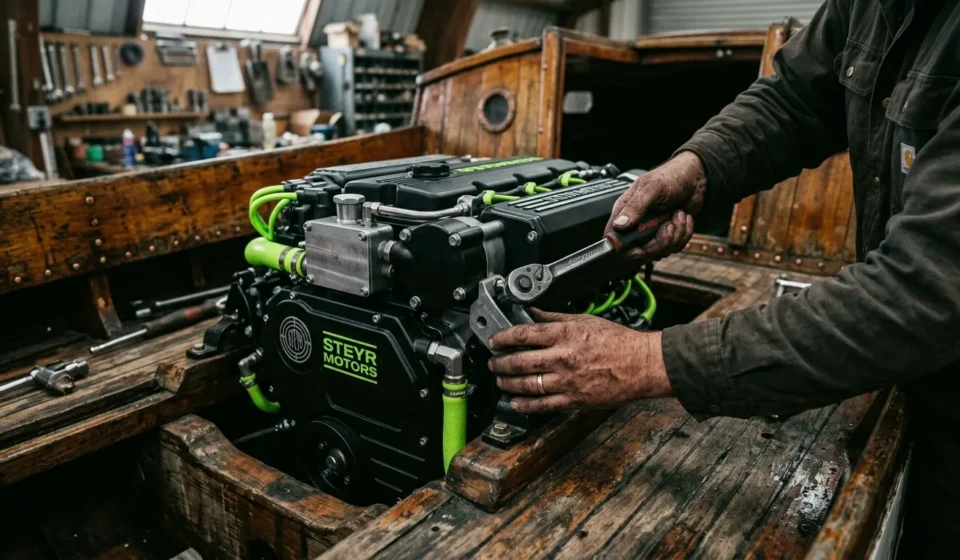
Once the space is prepped, the new engine can be carefully lowered into position. This requires precise alignment with the propeller shaft – a critical step that impacts vibration and drivetrain longevity. But what about all the other bits and pieces? A modern engine demands modern support systems. This includes:
- Exhaust System: Often needs to be redesigned for the new engine’s output and temperature.
- Fuel System: Tanks might need cleaning, new fuel lines, filters, and possibly a fuel polishing system.
- Cooling System: Upgraded raw water intake, sea strainers, and thru-hulls might be necessary.
- Electrical System: Modern engines often have more sophisticated electrical demands, requiring upgraded wiring, battery banks, and charging systems.
- Controls and Instrumentation: New throttle/shift controls, gauges, and potentially electronic interfaces.
This intricate web of connections is why professional expertise is invaluable. Each component must be perfectly integrated to ensure optimal classic boat performance.
Beyond the Engine: Complementary Upgrades for the Ultimate Repower
While the engine is the star of the show, a truly successful repower often involves a few other boat maintenance and system upgrades that will maximize your investment and overall enjoyment.
Propeller Optimization
This is often overlooked, but absolutely crucial. A new engine requires a propeller specifically matched to its power output, gear ratio, and your boat’s hull characteristics. The right prop will ensure you hit your target RPMs, achieve optimal speed, and maximize fuel efficiency. An incorrect prop can severely hinder performance and even damage the engine. Always factor a new, properly sized propeller into your repower budget.
Fuel System Overhaul
Even if your tanks are sound, it’s wise to consider replacing old fuel lines, upgrading to modern filters (like Racor fuel/water separators), and inspecting or replacing fuel senders. Older tanks might accumulate sludge, which a powerful new engine will quickly pull into its filters, causing issues. A thorough cleaning or even replacement of older fuel tanks is often a smart move during a repower.
Electrical System Enhancements
Modern engines typically feature higher output alternators and more sophisticated electronic controls. This is a prime opportunity to upgrade your boat’s entire electrical system. Consider new battery banks, a modern battery charger, and inspection/replacement of old wiring. Ensuring your new engine has a robust and reliable electrical supply is fundamental to its performance and longevity.
Soundproofing and Vibration Dampening
With a quieter, smoother engine, you’ll want to enhance the experience even further. Upgrading engine room soundproofing and installing new vibration dampeners can create an incredibly peaceful environment inside your classic boat. This truly transforms the cruising experience, allowing you to enjoy the sounds of the water and conversation, rather than engine roar.
Embrace the Future with Your Classic Beauty
An engine upgrade for your classic boat is more than just a mechanical swap; it’s an investment in its future, your safety, and your enjoyment. It allows you to honor the timeless beauty and craftsmanship of your vessel while enjoying the unparalleled reliability, efficiency, and performance that modern marine technology offers. It’s about creating the best of both worlds: that undeniable vintage charm, powered by confidence and modern capabilities.
If you’re contemplating this journey, I encourage you to do your homework, seek out experienced professionals, and prepare for a rewarding transformation. Your classic boat deserves a powerful, reliable heart, ready for countless more adventures on the water. Here at Sail & Power & Boats & Motor Yachts, we believe every classic deserves to shine, inside and out. Happy boating!