


As a seasoned veteran of the marine industry, I’ve seen countless anglers chase their passion across every conceivable body of water. But for those dedicated freshwater enthusiasts, particularly the ones captivated by the elusive walleye, the pursuit isn’t just a hobby—it’s a quest. And like any great quest, it demands the right tools, chief among them being a purpose-built vessel. If you’re currently in the market, whether you’re eyeing a brand-new rig or searching for hidden gems among used walleye boats for sale, understanding the nuances of this specialized market is absolutely critical.
Table Of Content
- The Walleye Boat Defined: A Purpose-Built Predator Chaser
- Deep-V Hulls: Taming the Chop
- High Freeboard and Smart Layout: Safety and Functionality
- Storage and Livewells: The Angler’s Arsenal
- Powering Your Pursuit: Engine Considerations
- Decoding the Market: Where Your Walleye Dream Awaits
- Localized Hotspots: The Walleye Belts
- Navigating Online Marketplaces: Digital Docks
- The “For Sale By Owner” Advantage: Unearthing Gems
- The Price of Passion: Budgeting for Your Walleye Rig
- Understanding Price Tiers: What Your Dollar Buys
- The Electronics Factor: More Than Just a Screen
- The Value of Inclusions: Kicker Motors and More
- The Art of Inspection: Your Pre-Purchase Checklist
- Structural Soundness: The Foundation of Your Boat
- Mechanical Health: The Heartbeat of Your Vessel
- Electrical and Electronics: Powering Your Edge
- The Trailer: Don’t Forget the Road Home
- Beyond the Purchase: Maximizing Your Walleye Experience
- Outfitting Your Rig: Customizing for Success
- Maintenance Matters: Protecting Your Investment
- Safety First: Preparing for Any Condition
From the immense, often brutal chop of the Great Lakes to the winding rivers and vast reservoirs, walleye thrive in diverse conditions, and your boat needs to be ready for all of them. This isn’t just about getting on the water; it’s about stability, speed, safety, and a layout optimized for the distinct tactics of walleye fishing—trolling, jigging, drifting, and casting. Let’s cast off into the waters of the walleye boat market and equip you with the knowledge to make an informed, confident purchase, ensuring your ultimate angler’s quest is a successful one.
The Walleye Boat Defined: A Purpose-Built Predator Chaser
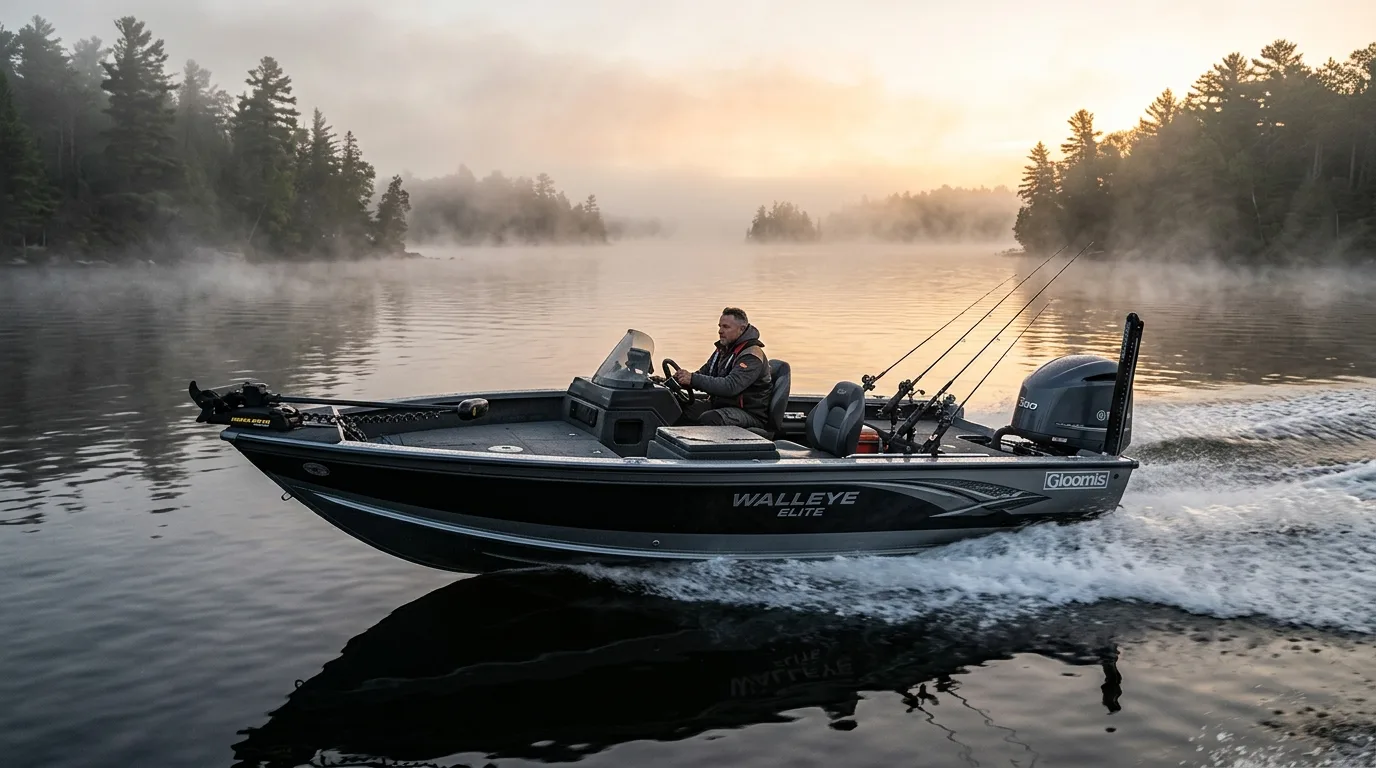
Forget the sleek, low-profile bass boats or the simple utility skiffs; a true walleye boat is a highly specialized piece of equipment. It’s designed to withstand rough water, provide a comfortable, dry ride, and offer an unparalleled fishing platform. Think of it as the SUV of fishing boats – rugged, versatile, and built for performance in demanding conditions. Its design elements aren’t arbitrary; they are the result of decades of anglers refining what works best on big, often unpredictable freshwater bodies.
Deep-V Hulls: Taming the Chop
The cornerstone of almost every serious walleye boat is its deep-V aluminum hull. Unlike the flatter bottoms of many bass boats, a deep-V hull is engineered to slice through waves rather than slap over them. This design is paramount for navigating large bodies of water like Lake Erie, Lake of the Woods, or the vast expanses of the Great Lakes, where conditions can turn from glass-smooth to white-capped fury in a matter of minutes. Brands like Lund, Crestliner, Alumacraft, and even fiberglass contenders like Ranger and Warrior, have perfected these hulls, ensuring a drier, softer, and more comfortable ride, which is crucial when you’re running miles offshore in pursuit of a bite.
When you’re inspecting walleye boats for sale, pay close attention to the deadrise angle at the transom. A deeper V (higher deadrise) typically offers a smoother ride in rough water but might sacrifice a little stability at rest. Conversely, a slightly shallower V can provide more stability when fishing stationary but might feel harsher in a chop. It’s a balance, and understanding your primary fishing grounds will help you decide which balance is right for you. For instance, Lake Erie walleye boats for sale often feature deeper V designs due to the lake’s notorious conditions.
High Freeboard and Smart Layout: Safety and Functionality
Another distinguishing feature is the high freeboard, or the height of the boat’s sides above the waterline. This isn’t just for aesthetics; it’s a critical safety feature. Higher sides reduce the chance of taking waves over the bow or stern, especially when running in stiff crosswinds or navigating following seas. This added protection keeps you and your gear safer and drier, an invaluable asset when conditions deteriorate rapidly miles from shore. It’s also a key differentiator from many bass boats, which often feature much lower profiles.
The interior layout is equally purposeful. Walleye boats prioritize a large, open cockpit in the stern, providing ample space for working multiple lines, fighting fish, and mounting essential equipment like downriggers, planer board masts, or kicker motors. The bow area often features a casting deck, but it’s typically less expansive than on a bass boat, with more emphasis on secure footing and integrated features. Every inch of space is designed for maximum fishability, allowing you to execute complex trolling patterns or precise jigging techniques without feeling cramped or hindered.
Storage and Livewells: The Angler’s Arsenal
Walleye fishing often involves a substantial amount of gear: multiple rods rigged for different techniques, tackle boxes overflowing with baits, and safety equipment. Therefore, abundant, secure, and easily accessible storage is mandatory. Expect to find dedicated, often in-floor or side-panel rod storage capable of handling rods up to 8 or 9 feet, protecting your valuable graphite investments. Many boats also integrate storage for tackle boxes, landing nets, and other essentials, keeping the deck clear and safe.
Perhaps most crucial is livewell capacity. Walleye are often caught in large numbers, and keeping a limit of sizable fish healthy for weigh-ins or the ride home requires a robust livewell system. Walleye boats typically feature large, aerated livewells, often with re-circulation and timer functions, designed to maintain optimal water quality and temperature. Some even boast dual livewells or baitwells, demonstrating their commitment to keeping your catch, and your bait, in prime condition.
Powering Your Pursuit: Engine Considerations
When you’re scanning the walleye boats for sale listings, the engine package will jump out at you. Most walleye boats run powerful, reliable outboard motors, typically in the 150-300 horsepower range, from reputable brands like Mercury, Yamaha, Suzuki, or Evinrude. These engines provide the speed to cover vast distances quickly and the reliability to get you home safely. However, serious walleye anglers often equip their boats with a secondary, smaller outboard—a “kicker motor”—typically 9.9 to 15 horsepower. This dedicated trolling motor allows for precise speed control, conserves fuel on long trolling passes, and provides a crucial backup in case your main engine experiences an issue. It’s a definite plus when looking at used walleye boats for sale.
Decoding the Market: Where Your Walleye Dream Awaits
Finding the perfect walleye boat can feel like searching for a needle in a haystack, but with a strategic approach, you can narrow down your options significantly. The market is diverse, ranging from brand-new dealership offerings to privately sold gems, each with its own advantages and disadvantages. Your search strategy should heavily depend on your budget, your desired features, and your willingness to travel.
Localized Hotspots: The Walleye Belts
The size and weight of a quality walleye boat mean that transport can be costly, making a localized search the most practical strategy. You’ll find concentrations of walleye boats in regions where the fish are most plentiful and the culture of walleye fishing is deeply embedded. For instance, if you’re looking for Lake Erie walleye boats for sale, you’re in luck. This region, encompassing northern Ohio, Michigan, Pennsylvania, and New York, is the absolute epicenter of serious walleye fishing. Listings here often feature larger, more rugged boats (20-22 feet) specifically rigged for battling the notoriously rough conditions of the lake. Expect higher prices here, but also a greater selection of fully-equipped, high-quality boats.
Beyond Lake Erie, the entire Great Lakes region and the “walleye belt” states—Minnesota, Wisconsin, North Dakota, South Dakota, and the Canadian provinces of Ontario and Manitoba—are continuous sources of high-quality aluminum fishing boats. Anglers in these areas understand the demands of walleye fishing, so the boats are typically well-maintained and appropriately rigged. Searching for walleye boats for sale near me in these areas will yield a much richer selection than in regions where walleye fishing isn’t as prevalent.
Navigating Online Marketplaces: Digital Docks
In today’s digital age, your search for used walleye boats for sale will undoubtedly begin online. These platforms offer an unparalleled reach and the ability to filter your search precisely. The key is knowing where to look and how to use the tools effectively.
- Facebook Marketplace & Local Fishing Groups: Currently, these are arguably the most active platforms for finding direct walleye boats for sale by owner. The benefit here is often bypassing dealer markups and potentially inheriting a boat that comes with a full suite of electronics and accessories. Join local walleye fishing groups; many members post their boats there first. Use filters for specific brands (Lund, Ranger, Alumacraft, Crestliner, Warrior, Triton) and desired lengths (e.g., “18 ft walleye boat”).
- Craigslist: While perhaps not as flashy as Facebook, Craigslist remains a strong source for local, cash-in-hand deals. Listings here can often be older or more budget-focused, making it a great place to find a project boat or a solid rig at a lower price point. Again, searching for “walleye boats for sale by owner” can lead to excellent opportunities for negotiation.
- Boat Trader & YachtWorld: These platforms cater to a broader marine market but also list many walleye boats, both new and used, from dealerships and private sellers. They offer more detailed specifications and often higher-quality photos. While you might encounter higher prices due to dealer involvement, you also get the added security of a professional transaction, potential financing options, and sometimes even warranties on used boats.
The “For Sale By Owner” Advantage: Unearthing Gems
When searching for walleye boats for sale by owner, you’re not just buying a boat; you’re often buying a complete, ready-to-fish package. Unlike dealers, who often strip boats down to bare bones to maximize profit on accessories, private owners frequently include thousands of dollars worth of high-value gear in the sale. This might include a perfectly matched kicker motor, high-end fish finders (Lowrance LiveScope, Garmin Panoptix, Humminbird Mega Live), an electric bow-mounted trolling motor with GPS capabilities (Minn Kota Ulterra, Terrova, Lowrance Ghost), custom rod holders, downriggers, and planer board masts.
This “turn-key” aspect can offer incredible value, but it also means you need to inspect everything thoroughly. Ensure all included gear is fully functional and factor its replacement cost into your offer. A well-maintained, fully-rigged boat from a dedicated angler can save you significant time and money compared to buying a bare boat and outfitting it from scratch. I once saw a buyer snag a 20-foot Lund with a newer main engine, a 9.9 kicker, three high-end graphs, and a full set of planer boards for what the electronics alone would have cost new. That’s the kind of deal you hunt for!
The Price of Passion: Budgeting for Your Walleye Rig
The cost of a walleye boat can vary dramatically, influenced by age, size, engine health, and crucially, the electronics package. It’s easy to get carried away when you see a fully loaded rig, but a smart angler knows how to budget effectively and identify true value. Don’t just look at the sticker price; consider the total cost of ownership and what you’re truly getting for your money.
Understanding Price Tiers: What Your Dollar Buys
When you’re looking at used walleye boats for sale, prices can range widely, so let’s break down what you might expect:
- $8,000 – $15,000: The Entry Point. In this range, you’re typically looking at smaller boats (16-18 feet), often older aluminum hulls (15-25+ years old), with basic electronics and possibly a single, older outboard. Your focus during inspection should be on hull damage, potential floor rot (especially if it’s a wood core deck), and engine compression. These are great starter rigs for local lakes or rivers, perfect for the angler who doesn’t need to tackle huge water.
- $15,000 – $35,000: The Mid-Range Workhorse. Here, you’ll find mid-sized boats (18-20 feet), generally 8-15 years old, with reliable main engines and the potential for a kicker motor. The electronics will be decent, perhaps a generation or two old, but still highly functional. Key inspection points include transom stability, engine hours, and trailer condition. This is often the sweet spot for many serious anglers, offering a balance of capability and affordability.
- $35,000 – $60,000+: The Premium Rig. This tier includes larger boats (20-22 feet), often fiberglass models (Ranger, Warrior, Skeeter) or top-tier aluminum (Lund Pro-V, Crestliner MX), typically 3-8 years old. These boats will feature late-model outboards, often with extended warranties, and high-end electronics packages (e.g., multiple large-screen fish finders with LiveScope or similar technology). Engine diagnostics, warranty status, and the completeness of the electronics package are paramount here. These are tournament-ready boats designed for maximum performance and comfort on big water.
The Electronics Factor: More Than Just a Screen
Modern walleye fishing relies heavily on sophisticated electronics. A high-end fish finder with side imaging, down imaging, and forward-facing sonar (like Lowrance LiveScope, Garmin Panoptix, or Humminbird Mega Live) can easily cost $3,000-$6,000 per unit, plus installation. Electric trolling motors with GPS spot-lock and auto-pilot features (Minn Kota Ulterra, Terrova, Lowrance Ghost, Garmin Force) can add another $2,000-$4,000. When comparing walleye boats for sale, carefully assess the electronics package. A boat that seems expensive might be a bargain if it includes a full suite of up-to-date, high-performance electronics. Conversely, a cheap boat with outdated or non-functional electronics will quickly rack up additional costs.
The Value of Inclusions: Kicker Motors and More
As mentioned earlier, buying walleye boats for sale by owner often means inheriting a wealth of accessories. A well-maintained kicker motor (worth $2,000-$5,000 new), custom rod holders, planer boards, and even safety gear can significantly increase the actual value of your purchase. Always make a comprehensive list of everything included in the sale and research its individual market value. This holistic view will help you negotiate more effectively and truly understand the overall value proposition of the boat you’re considering. Remember, a boat is an investment, and like any investment, you want to ensure you’re getting maximum return for your capital.
The Art of Inspection: Your Pre-Purchase Checklist
Once you’ve identified a potential walleye boat, the real work begins: the inspection. This isn’t just a quick look-over; it’s a meticulous examination of the entire vessel, from hull to propeller. As a seasoned broker, I’ve seen eager buyers overlook critical flaws that lead to expensive headaches down the line. A thorough inspection protects your investment and ensures your safety on the water. Focus on what truly matters for a walleye boat – structural integrity, mechanical reliability, and functional electronics.
Structural Soundness: The Foundation of Your Boat
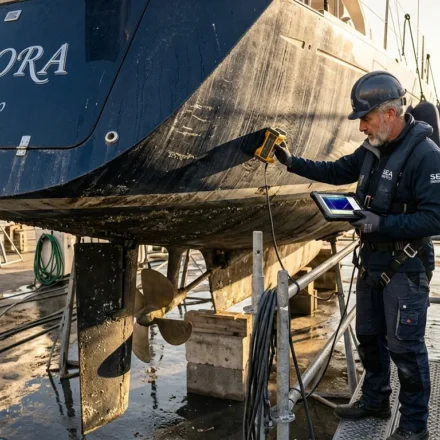
Your first priority is the hull, especially for aluminum deep-V boats. Start by checking the bottom for excessive road damage, large gouges, or cracked welds. While small dents are common and often cosmetic, any significant breaks in the welds can be expensive and complex to repair. Run your hand along the chine (the intersection of the bottom and side panels) and the keel; these areas take the most abuse. Pay particular attention to the transom, where the engine is mounted. Walleye boats often carry heavy outboards and kicker motors, so look for any signs of flexing, cracking, or soft spots in the transom, which could indicate water intrusion or structural failure.
Move inside and inspect the floor and stringers. If the boat has a wood core floor, check for soft spots, mildew, or signs of rot, especially near seat bases, livewells, and drain plugs. For aluminum decks, look for fatigue cracks around stress points. Examine the integrity of the casting decks and storage compartments. Are hinges secure? Do lids seal properly? Small details often reveal larger insights into how the boat has been cared for over its lifetime.
Mechanical Health: The Heartbeat of Your Vessel
The engine is the heart of your walleye boat, and its condition is paramount. Ideally, you want a professional marine mechanic to perform a pre-purchase inspection, including a compression test on each cylinder and a diagnostic scan of the engine’s computer (if applicable). This will reveal any hidden issues and provide a reliable reading of engine hours. However, you can do a lot yourself.
Visually inspect the outboard for corrosion, especially around the powerhead and lower unit. Check the propeller for dings or bent blades, which can indicate impacts. Test the steering and throttle controls for smooth operation. If there’s a kicker motor, go through the same checks. Always, and I mean always, insist on a sea trial. Listen for unusual noises, check water pressure, and ensure the boat planes out smoothly and reaches appropriate RPMs. This is also your chance to test the electric trolling motor, checking its deployment, steering, and spot-lock function.
Electrical and Electronics: Powering Your Edge
With so much riding on your electronics, a thorough check is non-negotiable. Turn on every single electronic component: the main fish finder, GPS unit, radar (if equipped), bilge pumps, livewell aerators, navigation lights, and interior lights. Check all wiring for corrosion, loose connections, or amateurish installations. Look for multiple battery banks and verify their condition with a multimeter. Are they secured properly? Are the terminals clean and free of corrosion? Many walleye boats have extensive electrical systems, so a clean, organized wiring job is a good sign of a well-maintained vessel.
Even if an electronic unit appears to power on, test its functionality during the sea trial. Does the GPS acquire satellites quickly? Does the sonar read depth and structure accurately? Are there any dead pixels or ghosting on the screens? Remember, replacing a single high-end fish finder can be a significant unexpected expense, so don’t skimp on this part of the inspection.
The Trailer: Don’t Forget the Road Home
Finally, don’t overlook the trailer. It’s often the most neglected component of a boat package, but a faulty trailer can turn your journey to the lake into a nightmare. Check the tires for wear, dry rot, and proper inflation. Inspect the wheel bearings for grease and play. Test all trailer lights and inspect the wiring harness for corrosion. Look at the winch, tongue jack, and safety chains. Are the bunks or rollers in good condition? Is there any rust on the frame? A rusty, poorly maintained trailer not only makes transport unsafe but can also indicate a general lack of maintenance by the previous owner.
Beyond the Purchase: Maximizing Your Walleye Experience
Congratulations, you’ve navigated the market, secured your ideal walleye boat, and now the real fun begins! Ownership is more than just fishing; it’s about optimizing your rig, maintaining its pristine condition, and ensuring every trip is as safe and enjoyable as possible. As an experienced boater, I can tell you that a well-loved boat will return the favor tenfold in reliable service and countless memories.
Outfitting Your Rig: Customizing for Success
Even if your new-to-you boat came with a solid electronics package, there are always opportunities to customize it to your specific fishing style. Consider adding more rod holders in strategic locations for different trolling patterns. Perhaps a tackle management system that keeps your favorite baits organized and accessible. Many walleye anglers swear by aftermarket lighting for night fishing or early morning launches. Think about comfort too: upgraded seats, a marine-grade cooler that doubles as an extra seat, or even a small heater for those chilly shoulder-season days. Your boat should be an extension of your fishing prowess, tailored to your exact needs on the water.
Don’t rush into buying every gadget; prioritize what genuinely enhances your fishing experience and safety. For example, a good quality marine VHF radio, even if you typically fish within cell service, is a critical safety item on big water like Lake Erie. Similarly, a high-quality anchor and sufficient rode are indispensable for holding position in windy conditions while jigging or casting.
Maintenance Matters: Protecting Your Investment
A walleye boat is a significant investment, and proper maintenance is key to protecting its value and ensuring its longevity. After every trip, rinse your boat thoroughly with fresh water, paying special attention to the trailer, engine, and any areas exposed to lake water. This prevents corrosion and the spread of invasive species. Regularly check your engine’s oil, fuel filters, and spark plugs, and adhere to the manufacturer’s recommended service schedule. Don’t defer maintenance; a small issue caught early can prevent a major, costly repair down the line.
Beyond the engine, inspect your electrical connections for corrosion, keep your livewells clean and free of debris, and check your bilge pump for proper operation. Store your boat properly, whether it’s trailered in a garage, under a cover, or docked. Protecting it from the elements will significantly extend the life of the hull, interior, and electronics. A clean, well-maintained boat not only performs better but also holds its resale value far better should you decide to upgrade in the future.
Safety First: Preparing for Any Condition
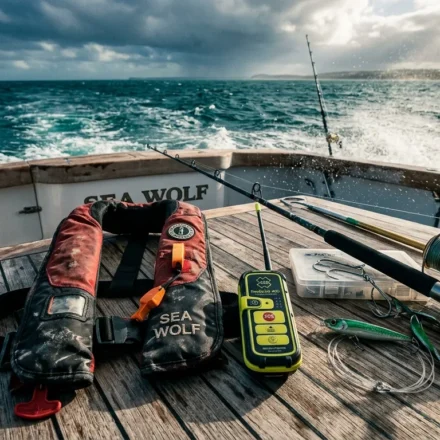
Walleye fishing often takes you to big water, and big water demands respect. Always prioritize safety. Ensure you have all required safety equipment on board: properly fitting life jackets for everyone, a throw cushion, fire extinguisher, horn, and navigation lights that work. Consider adding a marine first-aid kit, an emergency repair kit, and a weather radio.
Before every outing, check the weather forecast, paying attention to wind speed and direction. Inform someone on shore of your float plan – where you’re going, when you expect to return, and who is with you. Always operate your boat sober and with a clear head. A walleye boat provides the platform for incredible fishing adventures, but your knowledge, preparation, and respect for the water are what truly ensure a safe and successful quest. Happy fishing, and may your livewells always be full!