


There’s a special kind of freedom that comes with being out on the water, isn’t there? The wind in your hair, the sun on your face, the endless horizon calling. But that freedom also comes with responsibility, especially when it comes to knowing precisely where you are and where you’re going. For decades, celestial navigation and paper charts were the cornerstones, but today, modern technology has given us an indispensable tool: the marine GPS.
Table Of Content
- Why a Dedicated Marine GPS is Non-Negotiable (Beyond Your Phone)
- Key Features to Prioritize in Your First Chartplotter
- Screen Size and Readability
- Cartography and Chart Options
- Ease of Use and Interface
- Connectivity and Integration (NMEA 2000)
- Types of Marine GPS Units: What Fits Your Boat?
- Fixed-Mount Chartplotters
- Portable GPS Units
- GPS/Fishfinder Combos
- Installation Considerations and Powering Your New System
- Budgeting for Your First Marine GPS and Thinking Ahead
If you’re new to boating or upgrading your vessel for the first time, choosing the right marine GPS can feel a bit overwhelming. There’s a sea of options out there, each with its own jargon and features. But don’t worry, my friend. In my opinion, this isn’t just about buying a gadget; it’s about investing in your safety, your confidence, and your enjoyment on the water. Let’s cut through the noise and find the perfect navigation companion for your boat.
Why a Dedicated Marine GPS is Non-Negotiable (Beyond Your Phone)
I get it. You’ve got a smartphone in your pocket with GPS capabilities, and maybe even a few navigation apps. They’re fantastic for a quick glance, sure, but honestly, relying solely on a phone for serious marine navigation is like bringing a butter knife to a sword fight. It just won’t cut it when the stakes are high.
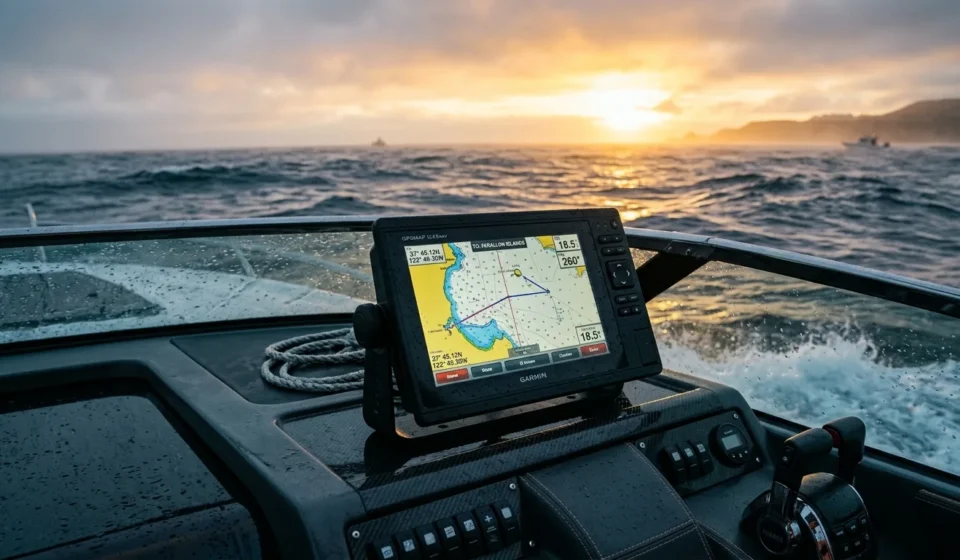
Think about it: your phone isn’t designed for the harsh marine environment. It’s not waterproof, its screen struggles in direct sunlight, and its battery life can be a major liability. What would you do if your phone battery died miles offshore, or if it took an unexpected dip in the drink? A dedicated marine GPS, often called a chartplotter, is built from the ground up to withstand the elements – salt, spray, sun, and vibration. It’s your steadfast co-pilot, always ready.
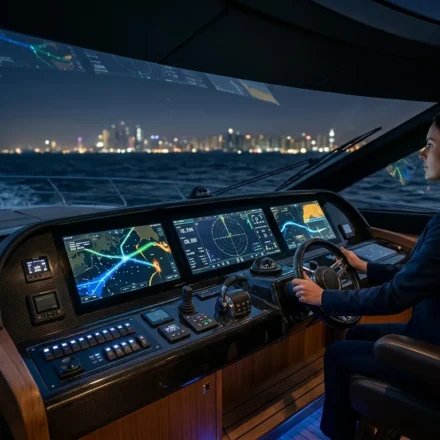
Moreover, marine GPS units offer superior accuracy, faster refresh rates, and crucial integration with other boat systems like sonar, radar, and autopilots. They use detailed digital charts specifically designed for navigation, showing depths, aids to navigation, hazards, and much more in rich detail. This level of specialized information and rugged reliability is simply unmatched by consumer-grade devices. For safe and confident boating, it’s truly essential.
Key Features to Prioritize in Your First Chartplotter
Now that we’ve established *why* a dedicated unit is so important, let’s dive into *what* makes a good one. When you’re looking at your first marine GPS, there are a few core features that should be at the top of your list. These are the workhorses that will serve you well, whether you’re cruising a lake or exploring coastal waters.
Screen Size and Readability
This might seem obvious, but it’s incredibly important. Can you easily read the screen in bright sunlight? Is it large enough to see critical details without squinting? Screen sizes for chartplotters can range from small 5-inch displays to massive 20-inch behemoths. For most first-time boat owners, especially on smaller to mid-sized vessels, a screen between 7 and 9 inches offers a great balance of visibility and space economy at the helm. Always opt for a display with good resolution and brightness controls.
Cartography and Chart Options
The charts are the heart of your GPS. Most modern units come pre-loaded with basic charts, but for detailed navigation, you’ll want to invest in premium charts from providers like Navionics or C-MAP. These offer incredibly rich detail, including high-definition bathymetry, shaded relief, satellite overlays, and even community-sourced data. Make sure your chosen unit supports the chart formats you prefer and offers easy updates, often via Wi-Fi or SD card. These detailed digital charts are where you gain real confidence.
Ease of Use and Interface
You don’t want to be fumbling with complicated menus when you should be watching the water. A user-friendly interface with intuitive menus and responsive controls (touchscreen or physical buttons) is paramount. If possible, try out a few different brands at a marine electronics store. See how easily you can zoom, pan, mark waypoints, and create routes. Some people prefer the tactile feel of buttons, especially in choppy conditions, while others love the fluidity of a touchscreen. Choose what feels most natural to you.
Connectivity and Integration (NMEA 2000)
This is where your GPS truly becomes the hub of your boat’s electronics. Look for NMEA 2000 compatibility. This industry standard allows your chartplotter to “talk” to other devices like your autopilot, VHF radio, engine sensors, depth sounder, and radar. Imagine this situation: your chartplotter automatically displays engine RPMs, fuel consumption, and depth alongside your navigation data. It simplifies your helm and provides a comprehensive overview of your vessel’s status, significantly enhancing boating safety.
Types of Marine GPS Units: What Fits Your Boat?
Just as there are many types of boats, from agile center consoles to majestic sailing yachts, there are different styles of marine GPS units designed to fit various needs and installations. Understanding these options will help you narrow down your choices.
Fixed-Mount Chartplotters
These are the most common type and what we’ve largely been discussing. They are permanently installed at your helm, hardwired into your boat’s power, and often connected to external antennas and other NMEA 2000 devices. Fixed-mount units offer the largest screens, most robust features, and best integration capabilities. They’re ideal for any boat where navigation is a primary concern and a dedicated space is available at the helm. This is your go-to for serious navigation.
Portable GPS Units
For smaller boats, kayaks, or as a backup on larger vessels, a portable marine GPS can be a good option. These are typically handheld, battery-powered devices with smaller screens. They are often rugged and waterproof but lack the detailed charting and integration capabilities of fixed-mount units. They’re fantastic for personal watercraft or for carrying in a ditch bag, but I wouldn’t recommend one as your sole navigation device for extended trips.
GPS/Fishfinder Combos
Many chartplotters today come with built-in sonar capabilities, making them a dual-purpose GPS/fishfinder combo. If you enjoy fishing, this is a fantastic value proposition, allowing you to see bottom contours, structure, and fish arches right alongside your navigation chart. It simplifies installation and saves space at the helm by combining two essential functions into one unit. For many recreational boaters, this is the sweet spot.
Installation Considerations and Powering Your New System
So, you’ve picked out your dream chartplotter. Great! Now comes the installation. While a professional installer is always an option, many boaters, especially with smaller units, can handle this themselves. Proper installation is crucial for performance and longevity.
First, consider mounting. Where will your unit be placed so it’s easily visible, accessible, and protected from excessive spray? Ensure there’s enough room for wiring behind the dash. Second, power. marine electronics require a clean, stable power source. Your unit will need to be wired directly to your boat’s 12V DC system, ideally to a dedicated circuit breaker. Always use marine-grade wiring and connectors to prevent corrosion and ensure reliable power delivery. Don’t forget an inline fuse!
Finally, external components. While many modern units have internal GPS antennas, an external antenna can sometimes provide better signal reception, especially if your helm is under a hardtop or within an enclosed cabin. If you’re integrating with other systems via NMEA 2000, you’ll need a starter kit for the backbone network and appropriate drop cables. This might sound like a lot, but honestly, with a little planning, it’s quite manageable.
Budgeting for Your First Marine GPS and Thinking Ahead
Let’s talk money, because that’s often the biggest consideration. Marine GPS units range widely in price, from a few hundred dollars for basic portable units to several thousand for high-end, multi-function displays. For your first dedicated marine GPS, I believe a budget of $500 to $1,500 will get you a very capable 7-9 inch chartplotter with good cartography options and NMEA 2000 compatibility.
Remember, the initial cost isn’t just the unit itself. Factor in the cost of premium digital charts (often a subscription or one-time purchase), any necessary mounting hardware, wiring, and potentially an NMEA 2000 starter kit. Think of it as an investment. A quality unit will last for years and significantly enhance your boating experience and safety. Don’t just buy the cheapest option; consider what features you’ll truly need and how the unit will serve you in the long run.
To be fair, technology moves fast. While you don’t need the absolute latest and greatest, consider future-proofing where you can. Does the unit support software updates? Can it expand to include radar or a better depth transducer down the line if you decide to add those? Making a thoughtful choice now will save you headaches and expenses in the future. Sail & Power & Boats & Motor Yachts is all about making smart choices for your vessel, and your GPS is right at the top of that list.
Choosing your first marine GPS is an exciting step towards becoming a more confident and capable boater. It’s not just about knowing where you are on a map; it’s about making informed decisions, staying safe, and truly enjoying every moment on the water. Take your time, do your research, and don’t hesitate to ask questions. With the right marine electronics at your helm, you’ll be charting new courses with ease and making memories that will last a lifetime. Happy boating!