
Is a 2006 Bennington Pontoon Boat Worth Buying Today?
As a seasoned veteran of the marine industry, I’ve seen countless boats come and go, some fading into obscurity, others becoming legends. When a client asks me about a specific model from nearly two decades ago, like the 2006 Bennington Pontoon Boat, it immediately piques my interest. Why? Because it suggests a vessel with enduring appeal, a testament to its original design and build quality. But, the real question isn’t just about its past reputation; it’s whether a 2006 Bennington still offers genuine value and enjoyment in today’s market.
Table Of Content
- The Enduring Appeal and Legacy of Bennington Pontoons
- Understanding the 2006 Bennington Lineup and Features
- A Comprehensive Pre-Purchase Inspection Guide for a 2006 Model
- Inspecting the Pontoons and Undercarriage
- Deck, Upholstery, and Helm Station Assessment
- Engine and Mechanical Systems: The Heart of the Boat
- Understanding Value, Pricing, and Ownership Costs
- Market Value and Pricing Trends for a 2006 Bennington
- Beyond the Sticker Price: Hidden Costs of Ownership
- Making the Decision: Is a 2006 Bennington Right for You?
- Pros and Cons of a Nearly Two-Decade-Old Pontoon
- My Personal Take and Final Recommendation
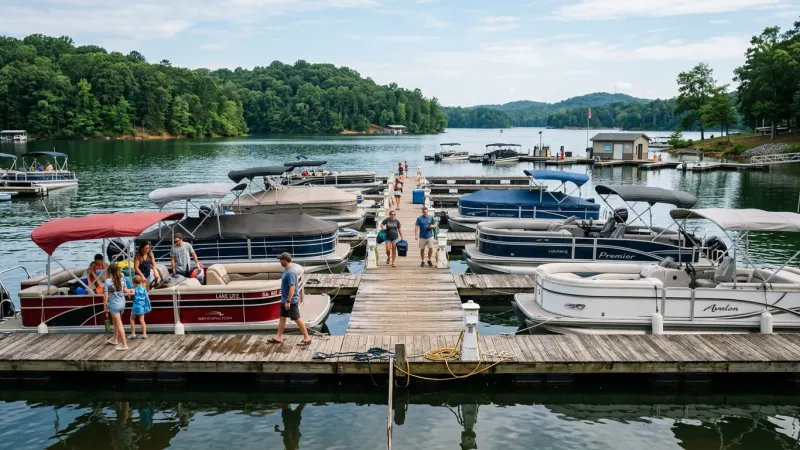
For many boaters, a pontoon represents the ultimate in family fun, versatility, and comfortable cruising. Bennington, in particular, has long been synonymous with premium quality in the pontoon segment, and their 2006 models were no exception. These boats were designed for longevity, blending robust construction with thoughtful amenities. Today, as you navigate the used boat market, you’ll find plenty of these venerable vessels still in circulation, some lovingly maintained, others showing their age. So, let’s dive deep and assess if a 2006 Bennington Pontoon Boat is truly worth your hard-earned money today.
The Enduring Appeal and Legacy of Bennington Pontoons
Bennington has always prided itself on being a cut above the rest, focusing on quality components, meticulous craftsmanship, and innovative designs. In 2006, their lineup, much like today, offered a range of models from entry-level to luxury, all built on a foundation of strong aluminum pontoons and durable decking. These boats weren’t just designed to look good; they were engineered to withstand years of sun, water, and enthusiastic use, which is precisely why so many are still viable options today.
What specifically made the 2006 models stand out? They often featured robust, all-aluminum substructures, heavy-gauge pontoons, and full-length keels, providing a solid, stable ride. Inside, you’d find marine-grade vinyl upholstery that, while now nearly two decades old, often holds up remarkably well if cared for. Bennington also offered a range of floor plans, from fishing layouts with livewells to spacious cruising configurations with ample seating and even refreshment centers. This versatility means that a 2006 Bennington wasn’t a one-trick pony; it could adapt to various on-water activities, a trait that remains highly desirable.
Consider the average lifespan of a well-maintained fiberglass runabout versus a quality pontoon. While many boats might start showing serious structural fatigue around the 15-year mark, a Bennington pontoon, with its less complex hull structure and often more robust materials in key areas, tends to age gracefully. Their inherent stability and spacious decks also contribute to a timeless appeal, as the fundamental desire for comfortable, safe, and social boating hasn’t changed. This legacy of quality is the first reason why these older Benningtons still command respect in the used market.
Understanding the 2006 Bennington Lineup and Features
In 2006, Bennington offered several distinct series, each catering to different preferences and budgets. While specific model names might have varied slightly, you generally encountered options like the “S Series” (standard, comfortable family cruisers), the “G Series” (more amenities, slightly larger), and the “R Series” (premium, performance-oriented with triple pontoons often available). Knowing which series a particular 2006 model belongs to can give you immediate insight into its original level of fit, finish, and features.
Common specifications for a 2006 Bennington pontoon boat would typically include lengths ranging from 20 to 24 feet, with beams around 8.5 feet. Passenger capacities often fell between 8 and 12 people, making them excellent for gatherings. Engine options were predominantly outboard motors, usually from reputable brands like Yamaha, Mercury, or Honda, ranging from 50 HP for leisurely cruising up to 150 HP (or even more for triple-pontoon performance models). Fuel capacities were typically around 24-30 gallons. Standard features often included a comfortable helm station, a sturdy Bimini top, and ample under-seat storage, while optional upgrades could add advanced sound systems, fishing packages, ski tow bars, or even changing rooms.
A Comprehensive Pre-Purchase Inspection Guide for a 2006 Model
Buying any used boat, especially one nearing its 20th birthday, requires a meticulous inspection. You’re not just buying a boat; you’re buying its history, and that history can hide both triumphs and tribulations. My advice, as always, is to treat this process like buying a used car: kick the tires, lift the hood, and don’t be afraid to ask tough questions. Better yet, if you’re serious, hire a qualified marine surveyor for a pre-purchase inspection – it’s an investment that can save you thousands down the line.
Inspecting the Pontoons and Undercarriage
The pontoons are the foundation of your boat, so their condition is paramount. Get under the boat and examine every inch. Look for significant dents, gouges, or signs of impact damage. Pay close attention to the welds – any signs of cracking, separation, or poor repairs should be a major red flag. Corrosion, especially pitting or bubbling, can indicate issues with galvanic corrosion or exposure to harsh conditions. Check the condition of any lifting strakes or spray rails, as these contribute to performance and efficiency. Remember, these aluminum tubes are designed to be watertight; even a small pinhole can lead to performance issues and future headaches.
Beyond the tubes themselves, examine the transom and engine mount area. This is where the engine’s power is transferred to the boat, and any structural weakness here could be catastrophic. Look for cracks, flexing, or signs of water intrusion around mounting bolts. If the boat has a ski tow bar, check its mounting points as well. Finally, inspect the deck support system, often made of aluminum cross-members. Look for bends, breaks, or excessive corrosion that could compromise the deck’s integrity.
Deck, Upholstery, and Helm Station Assessment
Step aboard and feel the deck underfoot. Is it solid, or do you detect any soft spots or sponginess? Many Benningtons from this era used marine plywood decking, which, while durable, can succumb to rot if water penetrates the vinyl or carpet. Check around all seat bases, tables, and railing mounts for signs of water intrusion or delamination. The flooring itself, whether carpet or vinyl, will show wear and tear, but look beyond surface scuffs for tears, lifting, or mold growth. Replacement flooring can be a significant expense.
Next, move to the upholstery. Bennington’s marine-grade vinyl was excellent, but even the best materials degrade under UV exposure. Look for cracking, tears, fading, and stiffening of the material. Pay attention to the stitching; unraveling seams are common. Lift seat cushions and inspect the foam underneath for moisture, mold, or rodent damage. Also, check the hinges and latches on storage compartments; these often fail with age and use. The helm station is your command center: test all switches, gauges, and electronics. Are the gauges clear and functional? Does the steering feel smooth, or is it stiff and sticky? Check the navigation lights, bilge pump, and horn. Don’t forget to inspect the Bimini top for tears, bent frames, or faded canvas.
Engine and Mechanical Systems: The Heart of the Boat
The outboard motor is likely the most expensive single component on a pontoon boat, so its condition is paramount. While a surveyor will perform a compression test and check the lower unit, you can do an initial visual inspection. Look for corrosion, especially on the powerhead and lower unit. Check for fluid leaks. Insist on seeing service records. A well-maintained 2006 outboard from a reputable brand (Yamaha, Mercury, Honda, Suzuki) can still have plenty of life left, but neglect will shorten it dramatically. What are the engine hours? While not a definitive indicator, lower hours with consistent maintenance are preferable. Does the engine trim and tilt smoothly? Are the propeller blades free of major damage?
Beyond the engine, examine the fuel system. Are the fuel lines cracked or brittle? Is the fuel tank secure and free of leaks? Check the battery and its connections; corrosion here is a common issue. If the boat has a power steering system, check for leaks and proper fluid levels. Test the bilge pump; it’s a critical safety device. For boats equipped with freshwater systems, check the pump and look for leaks. Finally, if a trailer is included, inspect its tires (look for dry rot, not just tread), lights, brakes, wheel bearings, and the integrity of the frame and bunks. A neglected trailer can quickly turn a good deal into a very expensive headache.
Understanding Value, Pricing, and Ownership Costs
The allure of a used boat is often its price, and a 2006 Bennington pontoon can indeed offer significant savings compared to a new model. However, understanding its true value goes beyond the initial asking price. It involves factoring in depreciation, market trends, and the often-overlooked ongoing costs of boat ownership.
Market Value and Pricing Trends for a 2006 Bennington
In today’s market, a 2006 Bennington Pontoon Boat in good, well-maintained condition might typically range from $12,000 to $25,000, sometimes even higher for a premium model with a larger, newer, or freshly serviced engine and desirable features. “Project boats” needing significant work could be found for less than $10,000, but these often require a substantial investment of time and money. The key factors influencing price are:
- Overall Condition: This is paramount. A boat with fresh upholstery, a clean deck, and a strong running engine will always command a premium.
- Engine Health and Hours: A newer outboard or a meticulously maintained original engine significantly boosts value.
- Features and Upgrades: Ski tow bars, upgraded sound systems, fishing packages, LED lighting, or even a newer Bimini can add value.
- Location: Boats in areas with longer boating seasons or higher demand may fetch better prices.
- Time of Year: Prices can fluctuate seasonally, often dipping slightly in late fall/winter.
Bennington boats are renowned for holding their value better than many competitors. This isn’t just anecdotal; it’s a reflection of their build quality and brand reputation. While a boat will always depreciate, a Bennington tends to do so at a slower rate, making it a relatively sound investment in the used market. This strong resale appeal means that if you buy wisely, you might not lose a tremendous amount of money when it comess time to sell.
Beyond the Sticker Price: Hidden Costs of Ownership
Ah, the “hidden” costs of boat ownership! They’re not truly hidden, but they often surprise first-time buyers. When budgeting for your 2006 Bennington, remember these essential expenses:
- Insurance: Depending on your location, boat value, and usage, this can range from a few hundred to over a thousand dollars annually.
- Storage: Marinas, dry storage, or even a secure spot in your yard can incur costs. If it includes a trailer, consider registration and maintenance.
- Fuel: Even a 50-100 HP outboard uses fuel, and prices fluctuate.
- Maintenance and Repairs: This is where an older boat requires attention. Expect annual engine servicing, winterization/summerization, and the inevitable repair of a switch, pump, or electrical component. Budget at least 10% of the boat’s purchase price annually for maintenance and unexpected repairs.
- Registration and Taxes: State-specific fees for boat registration and possibly sales tax on the purchase.
- Safety Equipment: Life jackets, flares, fire extinguishers, first-aid kits – all necessary and can add up.
- Upgrades: You might want to update the stereo, add a fishfinder, or replace old lighting.
Financing an older boat can also be more challenging. Traditional marine lenders often prefer newer vessels. You might need to secure a personal loan, which could have higher interest rates or shorter terms. Be prepared for this, and ensure your overall budget can comfortably accommodate both the purchase and ongoing ownership costs.
Making the Decision: Is a 2006 Bennington Right for You?
So, after all this detailed examination, does a 2006 Bennington Pontoon Boat still hold its own as a smart purchase? The answer, as with many things in boating, is “it depends.” It depends heavily on the specific boat’s condition, your budget, and your intended use. However, I can offer some insights from my years on the water.
Pros and Cons of a Nearly Two-Decade-Old Pontoon
The Upside: The primary advantage is affordability. You get Bennington’s renowned build quality and spacious design at a fraction of the cost of a new model. These boats are generally durable, stable, and highly versatile, perfect for family cruising, fishing, watersports, or just relaxing on the lake. Their strong resale value means you’re investing in a boat that likely won’t plummet in worth. Plus, the simpler systems on older boats can sometimes be easier and less expensive for a handy owner to repair, unlike the complex digital networks of modern vessels.
The Downside: The age factor is undeniable. Components wear out. You’re more likely to face repairs, especially with electrical systems, pumps, and possibly engine components, than with a brand-new boat. The technology will be dated – no fancy touchscreens or integrated digital switching unless they’ve been upgraded. Fuel efficiency might not be on par with newer, lighter designs or more advanced outboard engines. Furthermore, finding certain cosmetic parts, like specific trim pieces or original upholstery patterns, might be difficult or require custom fabrication.
My Personal Take and Final Recommendation
I once helped a client, a young family, find their first boat. They were on a tight budget but dreamt of lakeside weekends. We scoured the market and found a 2005 Bennington, meticulously cared for by its original owner. It wasn’t the newest, nor the flashiest, but it was solid, reliable, and perfectly suited their needs. With a little cosmetic refresh and a thorough engine service, that boat gave them over a decade of unforgettable memories.
My honest opinion? A 2006 Bennington Pontoon Boat can absolutely be a worthwhile purchase today, provided you approach it with your eyes wide open. It’s an excellent option for:
- Budget-conscious buyers: Who want a quality boat without the new-boat price tag.
- Families: Looking for a versatile platform for multi-activity enjoyment.
- Those who appreciate classic design: And the robust build quality of an era where things were often built to last.
- Handy owners: Who are comfortable with basic maintenance and minor repairs.
However, if you demand cutting-edge technology, pristine aesthetics, or a completely worry-free experience, a newer boat might be a better fit. Always prioritize a thorough inspection, ideally by a professional. Don’t be swayed by a low price alone; a well-maintained, slightly more expensive 2006 Bennington will almost always be a better long-term investment than a “deal” that needs extensive work. Do your homework, budget realistically for ownership, and you might just find that this classic Bennington is the perfect vessel to launch your next chapter of on-water adventures.