Center Console Boats: The Ultimate Guide to Versatility & Fun
Ahoy there, fellow boaters! As a yacht broker and marine enthusiast with decades on the water, I’ve seen countless vessels come and go. But few have captured the hearts of so many diverse boaters quite like the center console. It’s truly a marvel of marine engineering, offering a blend of utility and excitement that’s hard to beat. If you’re looking for a boat that can do it all – from serious offshore fishing to leisurely family outings – you’ve come to the right place. Let’s dive into the world of center console boats!
Table Of Content
- What Exactly is a Center Console Boat?
- Why Choose a Center Console? The Trifecta of Boating
- Understanding Center Console Features & Components
- Hull Design & Construction: Built for Performance
- Engine & Propulsion: The Heartbeat of Your Vessel
- Deck Layout & Amenities: Comfort Meets Function
- Matching a Center Console to Your Lifestyle
- Choosing the Right Size & Type
- Buying Your First Center Console
- Essential Maintenance for Your Center Console
- Raise Your Boating Skills & Confidence
- Your Next Step to Freedom
What Exactly is a Center Console Boat?
At its core, a center console is a type of powerboat where the helm (the steering station) is located in the center of the vessel. This unique design provides 360-degree access around the console, making it incredibly versatile for various activities. Unlike a traditional monohull – a traditional single-hull boat design – where the helm might be forward or to one side, the center console’s layout maximizes deck space and maneuverability, whether you’re fighting a fish or simply enjoying the view.
Why Choose a Center Console? The Trifecta of Boating
The popularity of center consoles isn’t accidental; it’s by design. These boats truly excel in three key areas:
- Fishing Prowess: This is where center consoles truly shine. The open deck space allows multiple anglers to cast simultaneously without obstruction. Most come equipped with essential fishing features like livewells (tanks to keep baitfish alive), multiple rod holders, insulated fishboxes, and ample storage for tackle.
- Family Fun & Watersports: Don’t let the fishing focus fool you. Many modern center consoles are designed with comfort in mind. You’ll find comfortable bow seating (often convertible into a sun pad), aft seating, swim platforms for easy water access, and even tow points for watersports like tubing or wakeboarding. They’re perfect for a day of island hopping, coastal cruising, or a sunset dinner cruise.
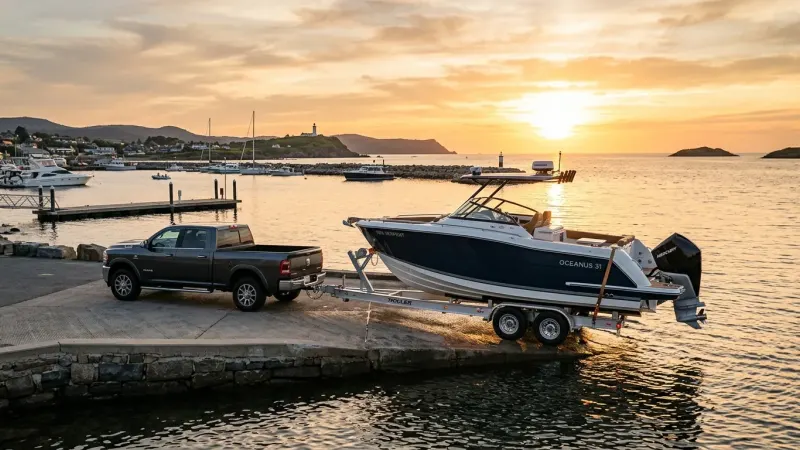
- Unmatched Versatility: From shallow bay cruising to venturing miles offshore, center consoles can handle a wide range of conditions. Their design often allows for easy trailering, giving you the freedom to explore different waterways.
Understanding Center Console Features & Components
Hull Design & Construction: Built for Performance
Most center consoles feature a planing hull, meaning they are designed to lift out of the water at speed, reducing drag and allowing for higher speeds – perfect for getting to your favorite fishing spot quickly. You’ll typically find:
- Deep-V Hulls: Common on larger, offshore-oriented center consoles, these hulls have a sharp deadrise (the angle of the hull bottom relative to the horizontal) at the transom, cutting through waves for a smoother ride in choppy conditions.
- Modified-V Hulls: A balance between speed and stability, often found in mid-size models, suitable for both nearshore and some offshore use.
- Catamaran Hulls: While less common, some center consoles are built on twin-hull (catamaran) designs, offering exceptional stability and a softer ride, like those from World Cat or Invincible Catamarans.
The vast majority of center consoles are constructed from fiberglass, known for its strength, durability, and ease of maintenance. Some smaller, tougher utility models might be made from aluminum.
Engine & Propulsion: The Heartbeat of Your Vessel
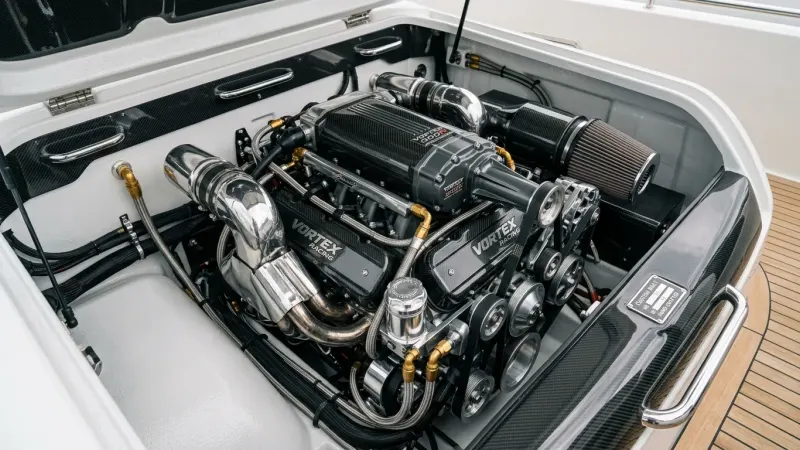
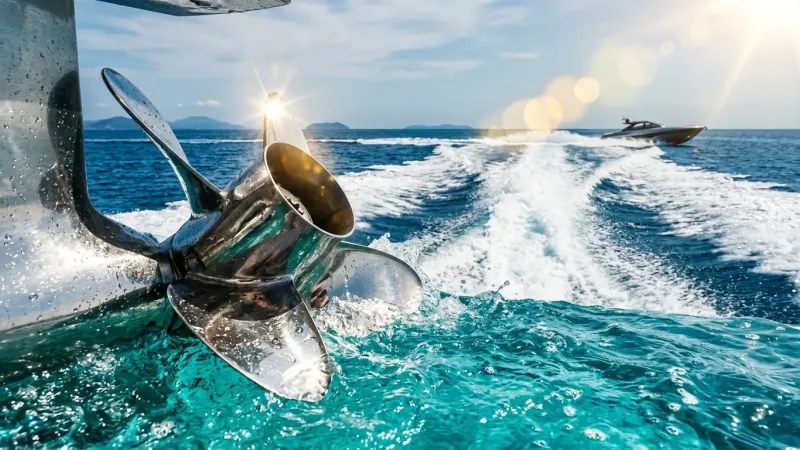
Center consoles are almost exclusively powered by outboard engines. These engines are mounted on the transom (the flat surface at the stern) and are renowned for their power-to-weight ratio, ease of maintenance, and ability to be trimmed up for shallow water access. Depending on the boat’s size and intended use, you might find a single outboard on smaller models or twin, triple, or even quad outboards on larger offshore machines. Common, reliable brands include Mercury Marine, Yamaha, Suzuki Marine, and Honda Marine.
Unlike sailboats with their complex rigging and sail types (like a sloop with its single mast and mainsail/genoa, or a ketch with two masts), center consoles are pure powerboats, meaning less time spent on sail handling and more on fishing or cruising. The simplicity of a power-only setup often translates to more accessible maintenance too.
Deck Layout & Amenities: Comfort Meets Function
Modern center consoles offer a surprising array of amenities:
- T-tops or Hardtops: Providing shade and often mounting points for electronics, lights, and rod holders.
- Console Head Compartments: Many models, even mid-size ones, feature a small head (marine toilet) within the console, a huge plus for family outings.
- Seating Options: From forward bow seating that converts to a sun lounge to comfortable aft fold-down benches and leaning posts at the helm.
- Electronics: Modern dashboards are packed with GPS/fishfinders, radar, VHF radios, and sometimes even autopilot systems.
Matching a Center Console to Your Lifestyle
Choosing the Right Size & Type
Center consoles come in a wide range of sizes, each suited for different adventures:
- Small (17-23 ft): Often called “bay boats” or “inshore models.” Perfect for day trips, fishing in calmer waters, and easily trailerable. Think Boston Whaler Montauk or a Key West 1720.
- Mid-size (24-30 ft): These are your versatile workhorses, capable of coastal cruising, serious nearshore fishing, and occasional offshore runs. Models like the Grady-White 251 CE or a Sea Hunt Gamefish 27 are excellent examples.
- Large (31-40+ ft): These are often considered “bluewater” fishing machines. With multiple engines, deep-V hulls, and extensive amenities, they are built for long runs offshore and serious angling. Brands like Contender, Yellowfin, and Regulator excel in this category. Even modern sport fishing models like the Axopar 28 (though a different layout style, often functions similarly) offer high performance and versatility.
Buying Your First Center Console
As your trusted boat dealer, my advice is always to match the boat to your primary use and budget. Consider:
- Where will you boat? Bays, lakes, coastal, or offshore?
- What will you do most? Fish, cruise, watersports, or a mix?
- How many people will typically be on board?
- What’s your budget? Remember to factor in not just the purchase price, but also fuel, insurance, storage, and maintenance.
When inspecting a used boat, always perform a thorough visual check of the hull for damage, test all electronics, and most importantly, get a professional marine survey and an engine inspection. This investment can save you thousands down the line.
Essential Maintenance for Your Center Console
Keeping your center console reliable and beautiful is key to enjoying it for years. Here’s a basic schedule:
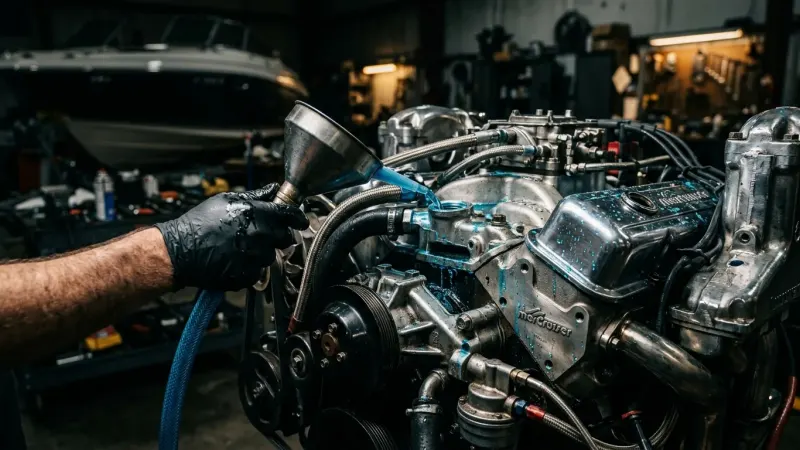
- Engine Service: Follow manufacturer recommendations, typically every 100-200 hours or annually. This includes oil changes, filter replacements, spark plug checks, and lower unit gear lube. Brands like Yanmar or Volvo Penta are more common in larger inboard-powered cruisers, but outboards have their own specific service needs.
- Hull Care: Wash your boat after every use to remove salt and grime. Wax the hull every 3-6 months. If your boat is left in the water, annual haul-out and bottom paint application is crucial to prevent marine growth.
- Electronics: Regularly check connections for corrosion, especially in saltwater environments.
- Sail Care and Storage: (Not applicable to center consoles) Since center consoles rely on power, you won’t have sails to worry about, simplifying storage and winterizing compared to a sloop or a gaff-rig sailboat.
- Safety Gear: Inspect life jackets, flares, fire extinguishers, and first aid kits regularly.
- Winterizing: If you boat in a cold climate, proper winterization (flushing engines, stabilizing fuel, removing batteries) is essential to prevent damage.
Corrosion prevention is vital, especially for metals and electrical connections in a saltwater environment. Use corrosion inhibitors and clean all connections regularly.
Raise Your Boating Skills & Confidence
Whether you’re a first-time buyer or upgrading from a Catalina 30 or Jeanneau Sun Odyssey, operating a powerboat like a center console requires skill. Consider taking a boating safety course. Practice docking, navigation, and understanding weather patterns. The more confident you are, the more you’ll enjoy your time on the water.
Your Next Step to Freedom
A center console boat isn’t just a piece of machinery; it’s a gateway to freedom, escape, and countless family memories. It’s about chasing sunsets, feeling the thrill of a fish on the line, and writing lifelong stories with every wave. Whether you dream of a weekend getaway or a family adventure, a center console can be “your” boat.
Ready to find yours? Visit your local boat show, chat with owners at the marina, or better yet, connect with a reputable yacht broker. They can help you navigate the options and find the perfect center console to match your dreams and budget. The water is calling!