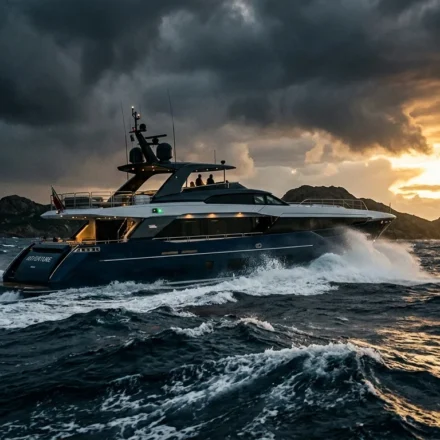



Ah, the allure of a luxury yacht! Picture it: the sun on your face, the gentle rocking of the waves, a limitless horizon, and the freedom to explore hidden coves or cruise glamorous coastlines. For many, the dream of owning a yacht is a powerful one, representing the pinnacle of leisure and adventure. But as a seasoned expert who’s helped countless dreamers find their perfect vessel, I’m here to tell you that the purchase price is often just the beginning of your financial journey.
Table Of Content
- The Hidden Iceberg: Beyond the Broker’s Bill
- 1. Dockage and Mooring Fees
- 2. Insurance: Protecting Your Investment
- 3. Fuel Costs: Especially for Power Yachts
- 4. Maintenance and Repairs: The Never-Ending Task
- 5. Crew and Management (for Larger Luxury Yachts)
- 6. Provisions, Toys, and Entertainment
- 7. Registration, Taxes, and Fees
- 8. Winterization and Storage (for Seasonal Boaters)
- Actionable Advice: Navigating the Waters of Ownership Costs
Buying a yacht, especially a luxury one, is a significant investment. Yet, the true cost of ownership – the ongoing expenses that keep your vessel gleaming, seaworthy, and ready for adventure – can easily equal or even exceed the initial price over time. Let’s dive deep into understanding these crucial, often overlooked, costs so you can budget wisely and enjoy your maritime dream without unwelcome surprises.
The Hidden Iceberg: Beyond the Broker’s Bill
When you sign on the dotted line for your new (or new-to-you) yacht, you’ve just bought a magnificent piece of marine engineering. But unlike a car that you park in your driveway, a yacht demands constant care, a place to rest, and a host of services. Here’s a breakdown of what you can expect:
1. Dockage and Mooring Fees
Your yacht needs a home. Marina slips, especially for larger luxury yachts (typically 40+ ft for coastal cruising, or 60+ ft for serious bluewater cruising), can be substantial. Fees are usually calculated by the foot, and prime locations mean premium prices. Think about:
- Annual Slips: A fixed spot in a marina, offering security and amenities. For a 50-foot yacht, this could easily be tens of thousands of dollars annually, varying wildly by location (e.g., Miami vs. a quieter coastal town).
- Transient Dockage: When cruising, you’ll pay nightly or weekly rates at various marinas.
- Mooring Buoys: A more economical option in some areas, but lacks shore power and direct access.
Even a smaller day sailer (under 25 ft) or a popular cruiser like a Catalina 30 or Hunter 33 will incur dockage costs, though much lower than for a superyacht.
2. Insurance: Protecting Your Investment
Comprehensive marine insurance is non-negotiable. It protects your vessel against damage, theft, and liability. Costs depend on:
- Vessel Value and Size: A larger, more expensive yacht means higher premiums.
- Navigation Area: Cruising in hurricane-prone zones or international waters will increase costs.
- Owner’s Experience: Experienced captains often get better rates.
- Crew: If you have professional crew, this can impact liability coverage.
Expect to pay 0.5% to 1.5% of the yacht’s value annually for a good policy.
3. Fuel Costs: Especially for Power Yachts
If you own a power yacht, especially one with powerful inboard diesel engines (common brands like Yanmar, Volvo Penta, or MAN), fuel will be a major ongoing expense. Luxury motor yachts often feature planing hulls, designed for speed, which consume significantly more fuel than displacement hulls found on trawlers or sailboats. A day of cruising can easily burn hundreds, if not thousands, of dollars in diesel.
- Consumption: Understand your engine’s GPH (gallons per hour) at cruising speed.
- Fuel Type: Diesel for most larger yachts; gasoline for smaller outboards.
- Storage: Ensuring your fuel tanks are full and treated properly, especially during layup, is part of good maintenance.
4. Maintenance and Repairs: The Never-Ending Task
This is arguably the largest and most unpredictable category. A yacht is a complex machine operating in a harsh saltwater environment. Regular upkeep is vital for safety, reliability, and preserving value.
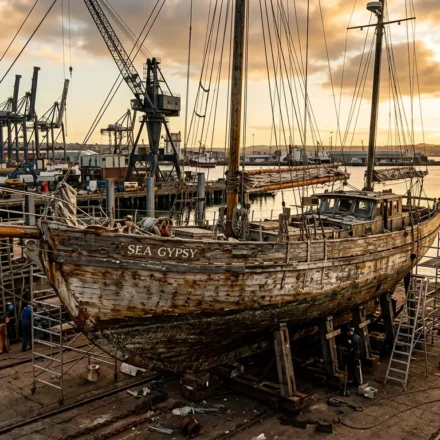
- Annual Haul-Out: Every 1-2 years, your yacht needs to be lifted out of the water. This allows for:
- Bottom Paint (Anti-fouling): Applying a fresh coat to prevent marine growth (barnacles, algae) on the hull.
- Zinc Anodes: Replacing sacrificial anodes to prevent corrosion on metal parts (propellers, shafts, rudders, through-hulls).
- Hull Inspection: Checking for blisters, damage, and overall structural integrity of the fiberglass, aluminum, or steel hull.
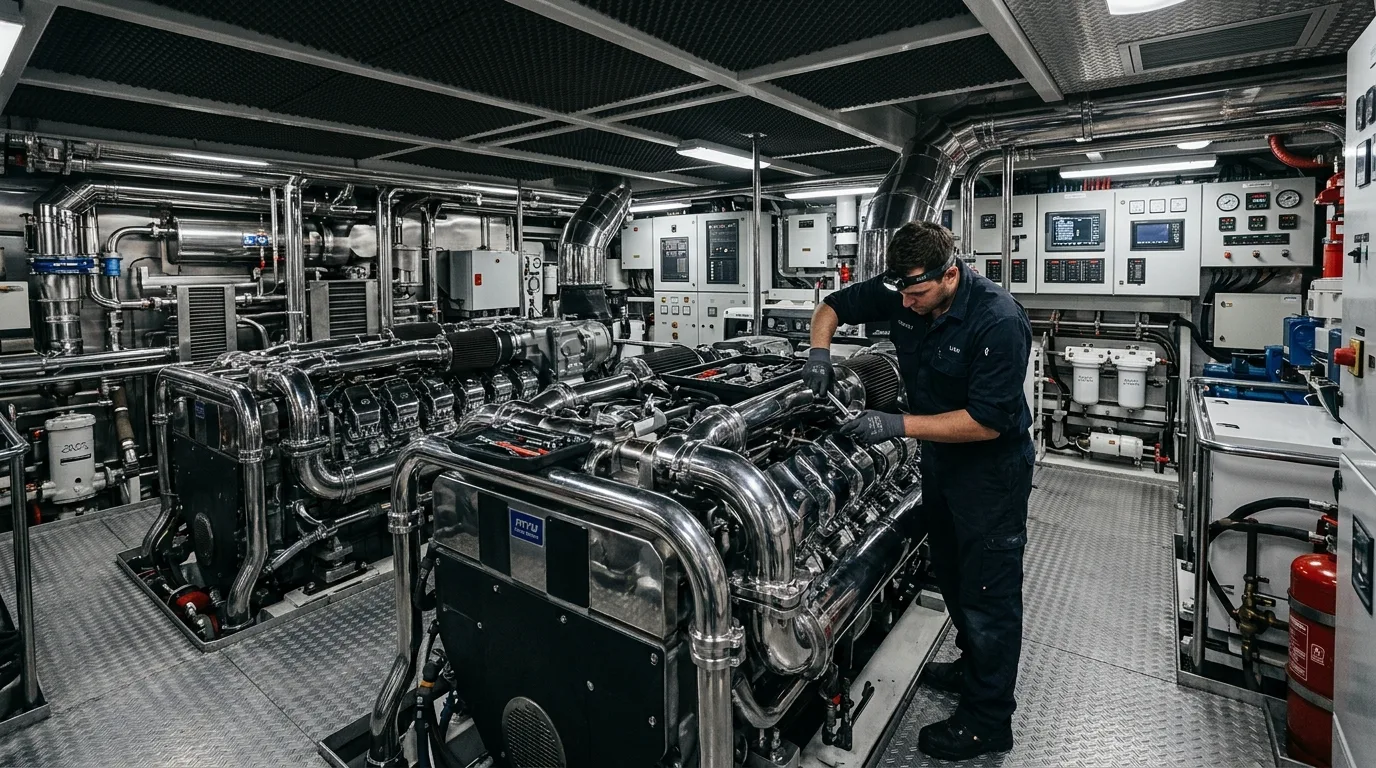
- Engine Service: Inboard diesels (Yanmar, Volvo Penta) typically require service every 100-200 hours of operation or annually, whichever comes first. This includes oil changes, filter replacements, impeller checks, and fluid top-ups. Outboard engines have similar schedules.
- Systems Maintenance: Your yacht has numerous complex systems: HVAC, plumbing, electrical, navigation electronics, fresh water makers, sanitation, and hydraulic systems. All need regular checks and occasional repairs.
- Rigging and Sail Care (for Sailing Yachts): For a sloop, ketch, or cutter rig, standing rigging (wires supporting the mast) needs inspection every few years, and running rigging (lines used to operate sails) needs replacement as it wears. Sails (mainsail, genoa, spinnaker) require cleaning, repair, and proper storage.
- Exterior & Interior Upkeep: Washing, waxing, polishing stainless steel, teak maintenance, interior detailing, and canvas repairs.
- Unexpected Repairs: Things break. Pumps fail, electronics glitch, props get dinged. Always have a contingency fund.
A rule of thumb is to budget 10-15% of the yacht’s purchase price annually for maintenance and repairs, especially for older vessels.
5. Crew and Management (for Larger Luxury Yachts)
For yachts above, say, 60-70 ft, a professional crew becomes essential. This includes a captain, first mate, deckhands, and sometimes a chef or engineer. Their salaries, benefits, and provisions are significant expenses. If you don’t have a full-time crew, you might still employ a yacht management company to oversee maintenance, provisioning, and logistics.
6. Provisions, Toys, and Entertainment
Part of the luxury yacht experience is enjoying life on board. This includes stocking the galley, fine wines, and, of course, the fun stuff: tenders, jet skis, paddleboards, diving gear – all of which have their own maintenance, storage, and fuel costs.
7. Registration, Taxes, and Fees
Depending on where you register your yacht and where you cruise, you’ll encounter annual registration fees, potential luxury taxes, import duties, and cruising permits. These vary significantly by jurisdiction.
8. Winterization and Storage (for Seasonal Boaters)
If you live in a region with cold winters, properly winterizing your yacht is critical to prevent damage. This includes draining water systems, adding antifreeze, stabilizing fuel, removing batteries, and often shrink-wrapping the entire vessel. Many owners opt for indoor heated storage, which adds to the cost.
Actionable Advice: Navigating the Waters of Ownership Costs
- Get a Detailed Pre-Purchase Survey: Before buying any used yacht, hire a qualified marine surveyor. Their detailed report will uncover potential issues and deferred maintenance, giving you leverage in negotiations and a clearer picture of immediate post-purchase costs.
- Budget Realistically: Don’t just factor in the purchase price. Sit down with your yacht broker and discuss expected annual running costs. Factor in at least 10% of the purchase price annually for maintenance and operations.
- Start Small: If you’re a first-time owner, consider starting with a smaller vessel (e.g., a Beneteau Oceanis 35 or an Axopar 28) to learn the ropes of ownership before upgrading to a larger luxury yacht. The costs scale dramatically with size.
- Seek Multiple Quotes: For insurance, dockage, and major repairs, always get quotes from several providers.
- Learn Basic Maintenance: The more you can do yourself (washing, waxing, minor engine checks), the more you’ll save on labor costs. However, for complex systems, always rely on certified professionals.
- Plan for Upgrades: Boats are rarely “finished.” You’ll always find something to upgrade, from new navigation electronics to fresh upholstery. Budget for these desires.
Owning a luxury yacht is a dream come true for many, offering unparalleled freedom, adventure, and memories on the water. It’s a lifestyle choice, not just a purchase. By understanding and budgeting for the true costs beyond the initial price tag, you’ll ensure that your yacht remains a source of joy and not financial stress. As we often say at Sail & Power & Boats & Motor Yachts, the best voyage is a well-prepared one. So, plan meticulously, embrace the journey, and prepare for countless sunsets on the horizon.