Your Essential Guide to Boating Safety Gear: Stay Safe on the Water
Anchoring Your Adventures in Safety: Essential Gear for Every Boater
There’s nothing quite like the feeling of the open water, the wind in your hair, and the promise of endless horizons. Whether you’re a seasoned sailor navigating the coast on a Beneteau Oceanis, reeling in a trophy catch on a Boston Whaler, or enjoying a serene sunset cruise on your family’s day sailer, your boat is more than just a vessel—it’s a gateway to freedom, escape, and unforgettable memories. But to truly enjoy those moments, safety must always be your top priority. As a seasoned captain and broker, I’ve seen firsthand that a well-equipped boat isn’t just about compliance; it’s about peace of mind, confidence, and ensuring every adventure ends with a safe return home.
Table Of Content
- Anchoring Your Adventures in Safety: Essential Gear for Every Boater
- The Non-Negotiables: U.S. Coast Guard (USCG) Requirements
- Beyond Compliance: Smart Additions for True Peace of Mind
- Tailoring Safety to Your Boating Lifestyle
- Maintenance: The Unsung Hero of Safety
- Your Next Step: Get Prepared, Get Out There!
Let’s dive into the essential boating safety gear every vessel needs, from the smallest dinghy to the most robust bluewater yacht. This isn’t just a checklist; it’s your roadmap to responsible and enjoyable boating.
The Non-Negotiables: U.S. Coast Guard (USCG) Requirements
The first step in equipping your boat is understanding the mandatory gear required by the USCG. These items are the bedrock of marine safety, designed to save lives and prevent emergencies from escalating.
- Personal Flotation Devices (PFDs): Commonly known as life jackets, PFDs are your primary defense against drowning. You must have a readily accessible, USCG-approved PFD for every person on board. For boats 16 feet and longer, you also need one throwable device (Type IV PFD) like a cushion or ring buoy. Remember, PFDs come in various types (e.g., Type I for offshore, Type II for nearshore, Type III for recreational). Ensure they fit properly – especially for children – and are in good condition.
- Visual Distress Signals (VDS): In an emergency, VDS help you signal for help. For recreational boats operating on coastal waters, the Great Lakes, or territorial seas, and boats 16 feet or longer on U.S. inland waters, you need USCG-approved VDS. This typically includes a combination of pyrotechnic devices (like flares – handheld, aerial) and non-pyrotechnic devices (like an orange signal flag or a signal mirror). Always check expiration dates for flares and replace them promptly.
- Sound-Producing Devices: Whether it’s to signal your intentions, warn of danger, or alert others to your position in fog, a sound signal is crucial. Boats under 39.4 feet (12 meters) need an efficient sound-producing device, like an athletic whistle or a hand-held air horn. Larger vessels often require a horn and a bell.
- Fire Extinguishers: Engine compartments, galleys, and electrical systems all pose fire risks. Most recreational boats need at least one USCG-approved marine fire extinguisher (typically Type B-I for small fires or Type B-II for larger ones). Ensure yours is easily accessible, charged, and inspected regularly. For boats with inboard engines (like those found on many Jeanneau Sun Odyssey cruisers), automatic fire suppression systems are a wise, often required, addition in the engine room.
- Navigation Lights: From sunset to sunrise, and during periods of restricted visibility, proper navigation lights are vital for preventing collisions. These lights indicate your boat’s size, type, and direction of travel to other vessels. Ensure all your navigation lights – bow (red/green), stern (white), and masthead (white) for power-driven vessels – are fully functional before every outing.
Beyond Compliance: Smart Additions for True Peace of Mind
While compliance is a start, true safety goes further. These items provide an extra layer of protection, particularly as you venture further from shore or spend more time on the water.
- Communication Devices:
- VHF Radio: A Very High Frequency (VHF) marine radio is indispensable for communicating with other boats, marinas, and the Coast Guard. Consider a fixed-mount unit for larger boats and a handheld waterproof VHF as a backup, especially for dinghies or when going ashore.
- Cell Phone: While handy, a cell phone should only be considered a backup for nearshore use, as coverage is often unreliable offshore.
- EPIRB or PLB: For offshore passages on a Lagoon catamaran or a Catalina 30, an Emergency Position Indicating Radio Beacon (EPIRB) or Personal Locator Beacon (PLB) is critical. These devices transmit a distress signal and your location to search and rescue services via satellite.
- First Aid Kit: A basic kit is required by the USCG for some boats, but a comprehensive marine first aid kit is essential. It should include supplies for cuts, burns, seasickness, and other common boating ailments. Customize it for your typical trips and crew.
- Anchor and Rode: An appropriately sized anchor (e.g., Danforth, Bruce, Spade) with sufficient chain and rode (rope) is not just for mooring; it’s a critical safety device for holding position in an emergency or preventing grounding. Even a small Axopar 28 needs a reliable anchor.
- Bilge Pumps: Water intrusion is a boat owner’s nightmare. Your boat should have at least one working bilge pump, preferably an automatic electric one, and a manual backup. Regularly check their operation.
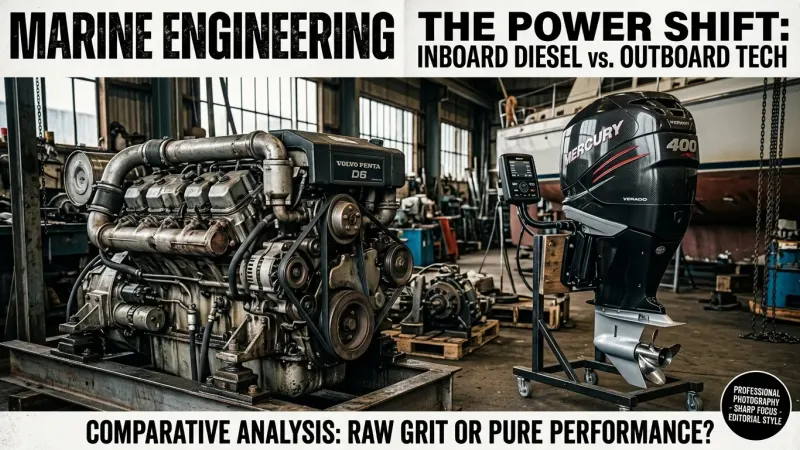
- Tools & Spares: A basic toolkit (wrenches, screwdrivers, pliers) can get you out of many jams. Consider spare parts like fuel filters (for your Yanmar or Volvo Penta inboard diesel), belts, spark plugs (for outboards), duct tape, and sealants.
- Man Overboard (MOB) Recovery Gear: A throwable PFD, a rescue sling, a life ring, and a boarding ladder are crucial for recovering someone who has fallen overboard. Practice MOB drills with your crew.
- Charts & Navigation Aids: Even with a modern GPS/chartplotter, always carry up-to-date paper charts for your cruising area. A reliable compass, binoculars, and a good understanding of navigation are timeless safety assets.
- Weather Monitoring: Stay informed about weather conditions. Use reliable marine weather apps, listen to VHF weather broadcasts, and learn to read the sky.
Tailoring Safety to Your Boating Lifestyle
The specific gear you need will vary depending on your boat’s size, type, and how you use it:
- Day Sailers (under 25 ft) & Small Powerboats: Focus on the USCG essentials, a basic first aid kit, and a handheld VHF radio. Keep it simple, accessible, and in good repair.
- Cruisers (30-40 ft) & Weekend Fishermen: Boats like a Hunter 33 or a Grady-White demand more. Add a fixed VHF, a robust anchor, comprehensive first aid, and MOB gear. Redundancy in systems is key.
- Bluewater Yachts (40+ ft) & Offshore Adventurers: For vessels embarking on extended voyages, think self-sufficiency. This includes an EPIRB/satellite communicator, a comprehensive medical kit, redundant navigation systems, storm sails for sloops or cutters, a sea anchor/drogue, and extensive spares for your propulsion (e.g., Yanmar, Volvo Penta diesels) and electrical systems.
Maintenance: The Unsung Hero of Safety
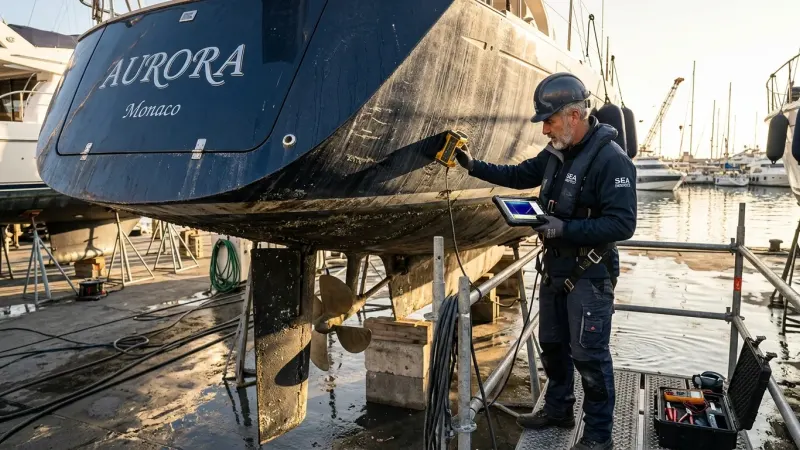
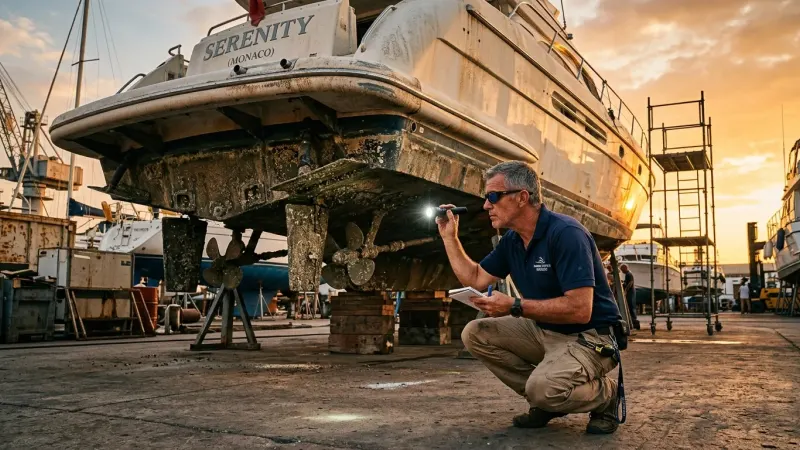
Having the gear is only half the battle; keeping it ready is the other. Regularly inspect all your safety equipment: check expiration dates on flares and first aid supplies, test PFDs for buoyancy, ensure fire extinguishers are charged, and verify all lights and electronics are working. An annual haul-out is a great time to inspect through-hulls and ensure everything below the waterline is sound. Keep batteries charged and corrosion at bay—especially on electrical components—to ensure reliable operation when you need it most.
Your Next Step: Get Prepared, Get Out There!
Boating offers a unique blend of adventure and tranquility. By equipping your vessel with the right safety gear and maintaining it diligently, you’re not just adhering to regulations; you’re investing in the safety of yourself, your crew, and the longevity of your boating dreams. Take an inventory of your current gear, identify any gaps, and make a plan to acquire what you need. Consider enrolling in a boating safety course to further enhance your skills and confidence.
So, check your gear, make a plan, and then cast off those lines! The water is calling, and with proper preparation, you’re ready to answer, confident in the knowledge that you’re prepared for whatever lies ahead. Here’s to many safe and unforgettable voyages!