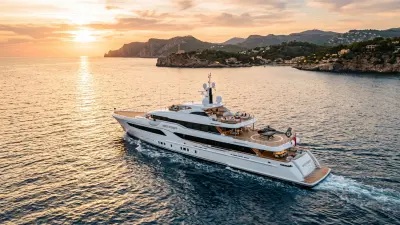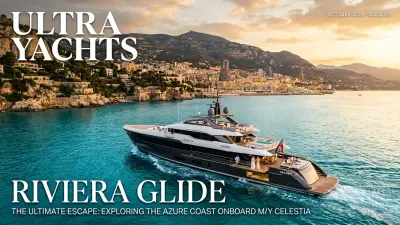
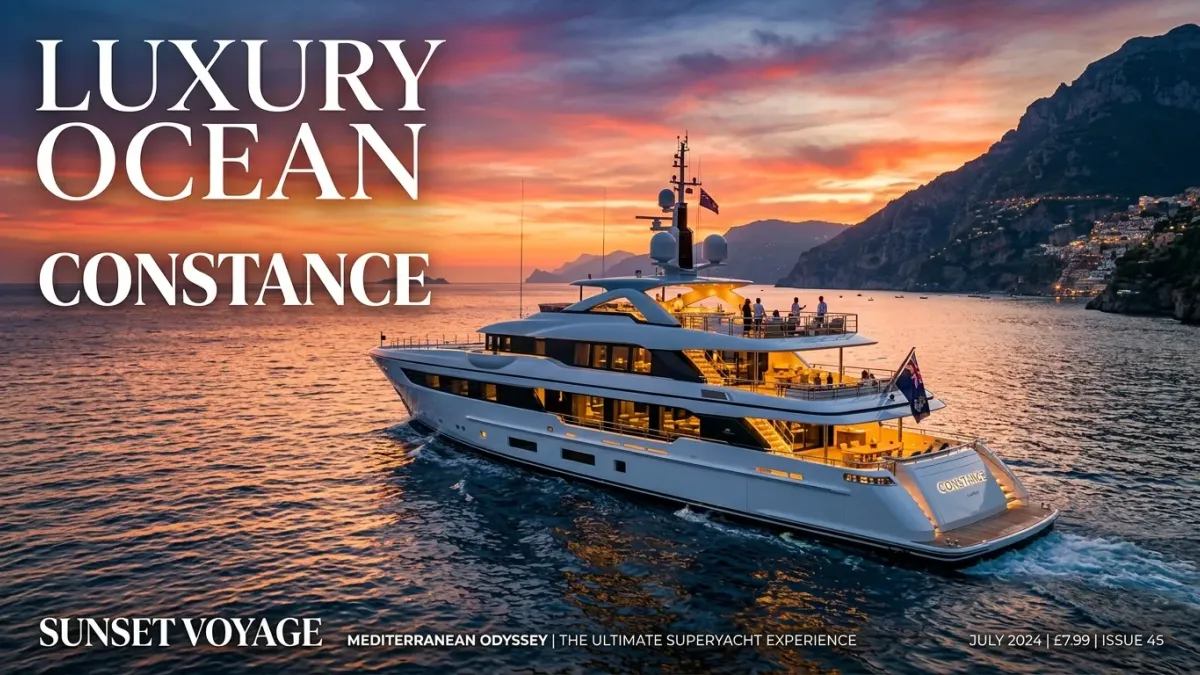
Quick answer: The 200-foot (60.96m) superyacht Constance is a landmark Feadship build featuring a heavy-displacement steel hull, an aluminum superstructure, and an incredible transatlantic range exceeding 4,000 nautical miles. Refitted extensively throughout her operational lifecycle, she seamlessly blends classic Dutch craftsmanship with modern navigation tech, zero-speed stabilization, and lavish six-stateroom accommodations for up to 12 guests.
Dutch Shipbuilding Heritage and Naval Architecture
Understanding what makes Constance an iconic vessel requires looking below the waterline. Built by the world-renowned De Vries shipyard under the Feadship umbrella, her structural integrity rests upon a heavy-grade displacement steel hull topped by a lightweight marine-aluminum superstructure. This structural pairing creates a low center of gravity that naturally dampens roll and pitch when operating in heavy swells. With a substantial beam of 31 feet (9.48 meters) and a draft of 10.5 feet (3.20 meters), she displaces approximately 680 gross tons, giving her the momentum and sheer mass necessary to slice through rough seas without sacrificing guest comfort.
Over her decades of service, the yacht has undergone several multi-million-dollar refits to maintain her position at the top of the luxury yacht sector. These overhauls were careful not to ruin her original Frits De Voogt lines, retaining the timeless, elegant profile that defines 1980s peak custom yachting. However, under the skin, everything from electrical looms to mechanical systems has been comprehensively modernized. The integration of advanced Quantum zero-speed fin stabilizers transformed her at-anchor performance, virtually eliminating the annoying side-to-side roll that plagues older displacement vessels when resting in exposed Mediterranean anchorages.
When you step onto the bridge deck of a displacement yacht of this caliber, the difference in navigational confidence is immediately noticeable compared to lightweight fiberglass builds. Her thick steel plating provides acoustic dampening that keeps hull noise down to a whisper, even while running through choppy coastal waters. For owners looking into long-distance passages or extended live-aboard trips, this structural resilience offers a sense of security that synthetic composites simply cannot match.
Engineering, Propulsion, and Ocean-Crossing Range
Engine room layout and mechanical access on Constance reflect classic commercial marine engineering principles rather than compressed modern interior packing. Powering this massive displacement vessel are twin Caterpillar 3512B diesel engines, each generating approximately 1,280 horsepower. Unlike high-revving sports yacht engines designed for quick bursts of speed, these low-RPM, heavy-duty diesels are built for continuous operation over thousands of hours with minimal thermal stress.
The yacht operates comfortably at a cruising speed of 12 knots, pushing to a maximum speed of 15 knots when necessary. Where her engineering truly shines, however, is in fuel efficiency and autonomous range. Carrying over 33,000 gallons (125,000 liters) of diesel fuel, Constance easily achieves an ocean-crossing range of over 4,000 nautical miles at economic cruising speeds. This allows her to undertake non-stop transatlantic or transpacific voyages without the need for intermediate refueling stops, making her a genuine world cruiser rather than a island-hopping day boat.
On-the-water tip: Handling heavy displacement steel superyachts in tight marina fairways requires respect for momentum. When maneuvering a 680 GT vessel like Constance in strong crosswinds, avoid leaning entirely on bow thrusters. Use the immense mass and inertia of the deep-set twin screws in opposition to slide the stern into position first, letting the hull's natural hydrodynamic weight stabilize your movement before applying transverse thruster power.
Complementing her main propulsion are two large-capacity diesel generators that provide total redundancy for her hotel loads, air conditioning plants, and desalination units. Fresh water production systems on board yield thousands of gallons daily through reverse-osmosis filtration, allowing long stays at anchor in isolated regions without relying on shore infrastructure. For those interested in technical hull maintenance, maintaining structural steel hulls requires meticulous anti-corrosion protection, ultra-sonic thickness testing, and specialized impress-current cathodic protection (ICCP) systems to prevent galvanic degradation.
Interior Luxury, Layout, and Onboard Accommodations
While her hull and machinery cater to global passage-making, her interior spaces focus entirely on high-end hospitality and guest relaxation. The interior joinery features rich, hand-selected warm woods—predominantly mahogany and satin teak—paired with custom Italian marbles and tailored leather upholstery. High ceilings throughout the main deck eliminate the claustrophobic feel common in older classic vessels, while expansive panoramic windows flood the main salon and formal dining area with natural sunlight.
The accommodation layout is masterfully organized to host up to 12 guests across six expansive staterooms, supported by a professional crew of up to 14. The master suite, positioned forward on the main deck to ensure optimal privacy and reduced motion while underway, spans the full beam of the vessel. It features a private owner's office, walk-in dressing wardrobes, a king-sized berth, and an en-suite bathroom lined with hand-finished marble slabs. Below deck, the guest accommodation wing includes a full-beam VIP suite along with four additional double and twin cabins, each equipped with private en-suite facilities, individual climate controls, and state-of-the-art entertainment systems.
Exterior living areas are divided across three meticulously planned decks. The main deck aft provides a shielded settee for morning coffee, while the upper bridge deck aft features a large teak table designed for outdoor dining under the stars. Up on the sun deck—often the center of daytime social life onboard—guests have access to a large heated Jacuzzi surrounded by sunpads, a wet bar, lounge seating, and open deck space suitable for morning workouts or evening cocktail receptions. To explore hidden coves, her tender garage holds dual custom RIB tenders, personal watercraft, diving compressors, and an assortment of water toys, all safely deployed via overhead crane davits.
Technical Specifications & Market Analysis
In the secondary market for custom superyachts, pedigree plays a crucial role in value retention. A custom Feadship built with structural steel and maintained under strict classification standards (such as Lloyd's Register or ABS) retains its structural integrity far longer than mass-produced vessels. While annual operating budgets for a 200-foot superyacht generally range between 10% to 12% of her overall valuation—covering crew compensation, insurance, dockage fees, and scheduled machinery overhauls—vessels like Constance maintain continuous appeal on the global charter market due to their heritage and sea-keeping reputation.
Below is a comprehensive breakdown of the core technical parameters defining Constance:
| Specification Parameter | Metric / Detail |
|---|---|
| Length Overall (LOA) | 200 feet / 60.96 meters |
| Beam (Width) | 31 feet / 9.48 meters |
| Draft (Maximum) | 10.5 feet / 3.20 meters |
| Gross Tonnage | ~680 GT |
| Hull Material | Grade-A Structural Steel |
| Superstructure Material | Marine-Grade Aluminum |
| Main Engines | 2x Caterpillar 3512B Diesels (1,280 HP each) |
| Cruising / Max Speed | 12 Knots / 15 Knots |
| Transatlantic Range | 4,000+ Nautical Miles @ 12 knots |
| Fuel Tank Capacity | ~33,000 Gallons / 125,000 Liters |
| Guest / Crew Capacity | 12 Guests (6 Staterooms) / 14 Crew |
Ownership by figures like tech entrepreneur Alan Dabbiere has ensured that Constance received continuous capital investment. Regular mechanical updates, updated bridge electronics, and systematic structural refits have allowed this classic Feadship to outshine many modern builds in both reliability and overall operational efficiency.
If you are considering stepping into the world of classic displacement superyachts or planning an extended ocean passage, prioritize vessels with documented Dutch pedigree and full shipyard service histories. Your initial step should involve hiring an independent marine surveyor specializing in heavy steel hulls to evaluate plate thickness and ultrasonic readings before committing to a purchase or long-term charter agreement.
Frequently Asked Questions
What makes a full-displacement steel hull better for ocean crossings than fiberglass?
Steel displacement hulls provide superior structural strength, deep draft balance, and immense weight, allowing them to absorb heavy ocean swells smoothly. Unlike lighter fiberglass composite vessels that tend to slide across waves or suffer from intense motion, steel hulls slice through waves with steady momentum, offering a safer and far more comfortable ride during multi-day offshore passages.
How far can the Constance yacht travel without refueling?
Thanks to her massive fuel storage of roughly 33,000 gallons (125,000 liters) and efficient twin Caterpillar 3512B engines, Constance features an ocean-crossing range exceeding 4,000 nautical miles at her 12-knot cruise speed. This allows her to effortlessly complete non-stop transatlantic voyages between Europe and the Caribbean.
How many guests and crew members can Constance accommodate?
The yacht comfortably accommodates up to 12 guests across six well-appointed staterooms, including a full-beam master suite on the main deck and a VIP suite below deck. She is operated by a dedicated crew of up to 14 professionals, ensuring high service standards and professional marine operations.