Quick answer: A superyacht crew operates under a strict naval-style chain of command split into four primary departments: Deck, Engineering, Interior, and Galley. Advancement from an entry-level deckhand to a Master 3000GT Captain requires accumulating up to 36 months of logged sea time, passing rigorous Maritime and Coastguard Agency (MCA) written and oral examinations, and obtaining specialized certifications like Officer of the Watch (OOW).
The Four Core Departments Operating a Superyacht
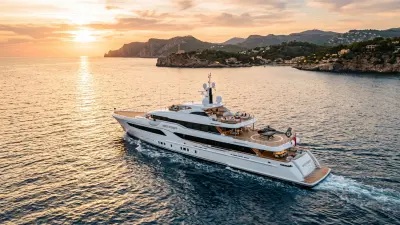
Every motor or sailing superyacht relies on four fundamental departments to ensure safety, operational continuity, and top-tier guest satisfaction. While smaller yachts under 30 meters often utilize cross-departmental hybrid roles, vessels over 50 meters establish rigid boundaries between departments to maintain high standards of service and regulatory compliance.
Deck & Bridge Operations
The Deck Department is responsible for safe navigation, bridge watchkeeping, exterior maintenance, line handling, and operating guest water toys. Led by the Captain and Chief Officer, this team manages anchoring maneuvers, tender transfers, teak deck preservation, and paint repairs. Deckhands work closely with the Bosun to ensure that equipment remains seaworthy and aesthetically flawless despite prolonged exposure to saltwater environments.
Engineering and Technical Systems
Modern superyachts contain complex onboard infrastructure, including diesel propulsion engines generating thousands of horsepower, desalinators, air conditioning plants, and sophisticated AV/IT systems. The Chief Engineer oversees all mechanical operations, preventative maintenance, and emergency repairs, keeping the vessel self-sufficient at sea. On larger vessels exceeding 60 meters, the department expands to include Second Engineers, Electro-Technical Officers (ETO), and dedicated AV/IT specialists.

Interior and Hospitality Division
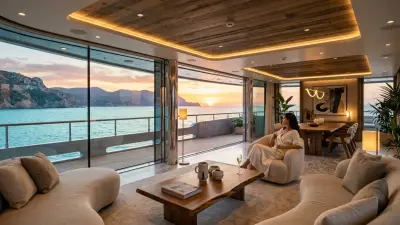
The Interior Department delivers the five-star luxury experience that charter clients and owners expect. Under the guidance of the Chief Stewardess (or Chief Stew), the interior crew handles housekeeping, silver-service dining, bartending, floral arrangements, and guest concierge services. On mega-yachts, this department splits further into dedicated service and housekeeping teams to maintain immaculate cabin standards around the clock.
The Galley and Culinary Experience
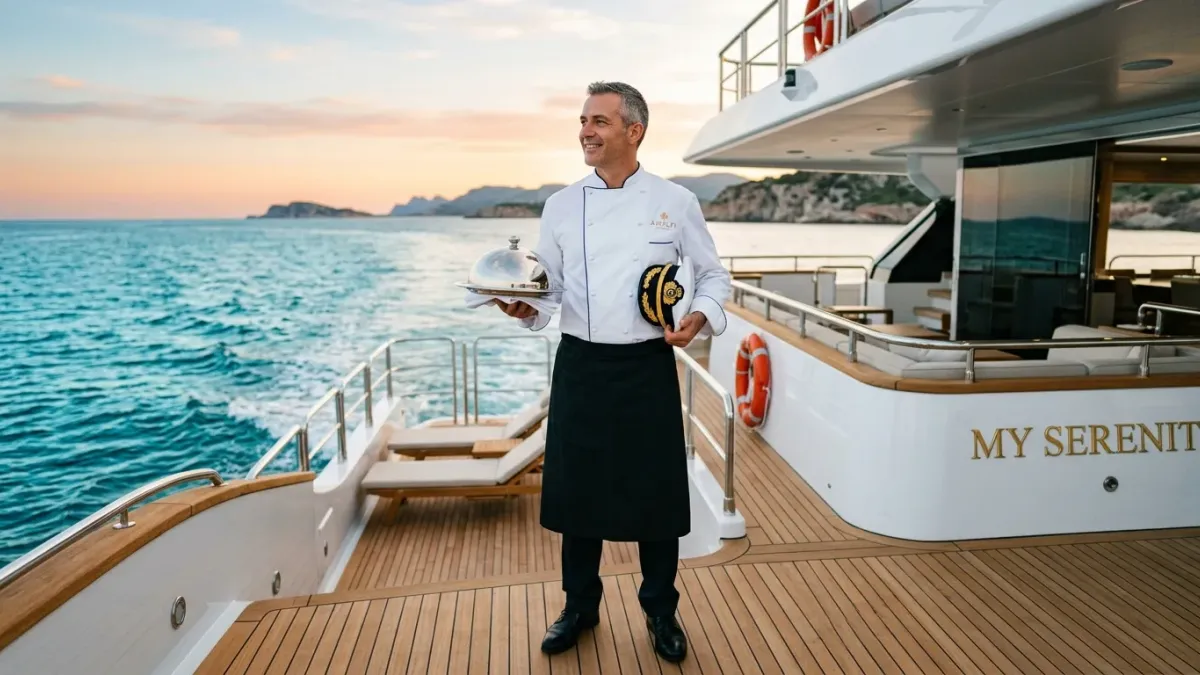
Head Chefs on superyachts function as high-pressure culinary masters, often cooking out of specialized galleys while catering to demanding palates, strict dietary restrictions, and variable provisioning options in remote harbors. On vessels carrying over 12 guests or 15 crew members, a Sous Chef or Crew Chef is brought on board to prepare separate meals for the crew, allowing the Head Chef to focus exclusively on multi-course guest menus.
Superyacht Crew Hierarchy and Ratios by Vessel Size
The size and gross tonnage (GT) of a yacht dictate both its safe manning legal requirements under international maritime laws (such as SOLAS and the Maritime Labour Convention) and the practical staffing required for smooth operations. Larger vessels require dedicated specialists, whereas smaller yachts require flexible crew members capable of assisting across deck and interior duties.
| Yacht Length (LOA) | Typical Crew Size | Key Onboard Ranks | Primary Maritime Qualifications Required |
|---|---|---|---|
| 24m – 35m (78ft – 115ft) | 3 to 6 Crew | Captain, Deckhand/Mate, Chief Stew, Chef | Master 200GT / RYA Yachtmaster Offshore, STCW, ENG1 |
| 35m – 50m (115ft – 164ft) | 7 to 12 Crew | Captain, Chief Mate, Chief Engineer, Chief Stew, Chef, Deckhands | Master 500GT / 3000GT, AEC 1&2, STCW, ENG1 |
| 50m – 80m (164ft – 262ft) | 13 to 22 Crew | Captain, Chief Officer, 2nd Officer, Chief Engineer, 2nd Engineer, Chief Stew, Head Chef, Bosun | Chief Mate 3000GT, OOW Unlimited, Chief Engineer Y2/Y3, STCW |
| 80m+ (262ft+) | 25 to 50+ Crew | Master, Chief Officer, Purser, ETO, Staff Chef, Head of Housekeeping, Security, Deck Team | Master Unlimited / Master 3000GT, STCW Advanced, GMDSS GOC, HELM Management |
The Career Path: Climbing from Green Deckhand to Master 3000GT
Ascending through the yachting ranks requires a structured combination of logged sea service, classroom training, practical task completion, and formal oral exams administered by recognized maritime authorities such as the UK Maritime and Coastguard Agency (MCA) or International Yacht Training (IYT).
On-the-water tip: When building sea time toward an Officer of the Watch (OOW) ticket, always keep your Training Record Book meticulously signed by the Captain after every passage. A common mistake entry-level deckhands make is waiting until they leave a vessel to request signatures, which can delay certification approvals by months if sea service verification cannot be confirmed quickly.
Step 1: Entry Level Foundation
Every aspiring crew member must obtain two mandatory documents before stepping foot on a commercial superyacht: the 4-day STCW Basic Safety Training certificate (covering Firefighting, First Aid, Personal Survival, and Social Responsibility) and an ENG1 Seafarer Medical Certificate. Green deckhands typically earn supplementary qualifications like the RYA Powerboat Level 2 or Short Range Radio (VHF) license to boost their chances of being hired.
Step 2: Lead Deckhand and Bosun
After acquiring 12 to 18 months of sea service, deckhands learn specialized seamanship, line handling, and exterior painting. Earning an Efficient Deck Hand (EDH) certificate and an RYA Yachtmaster Offshore qualification allows a deckhand to step up to Bosun (Lead Deckhand). In this position, they lead exterior maintenance and delegate daily work orders given by the First Officer.
Step 3: Officer of the Watch (OOW) & Chief Mate
Transitioning from the deck to the bridge requires passing formal modules in Navigation and Radar, General Ship Knowledge, ECDIS, and Human Element, Leadership, and Management (HELM). Candidates with 36 months of documented sea time can take the MCA Oral Exam to earn the Officer of the Watch (OOW) Yachts less than 3000GT qualification. Subsequent sea time as OOW opens the door to Chief Mate status, where the officer takes full responsibility for onboard safety systems, stability calculations, and departmental scheduling.
Step 4: Command — Master 3000GT
The pinnacle of a yachting career is reaching Master 3000GT status. Candidates must complete advanced modules in Business and Law, Celestial Navigation, Meteorology, and Advanced Medical Care, culminating in an intensive one-on-one MCA Master Oral Examination. Captains at this level command multi-million dollar vessels, manage large budgets, liaise directly with owners, and carry ultimate legal responsibility for everyone on board.
Key Responsibilities Across the Onboard Chain of Command
The efficiency of a superyacht relies on unambiguous delegation of duties. Each crew member understands their role in emergency protocols, routine operations, and guest service.
- Captain (Master): Overall legal responsibility, navigation strategy, owner relations, safety management compliance (ISM/ISPS), financial budgeting, and final crew hiring decisions.
- Chief Officer / First Mate: Second-in-command, bridge watchkeeper, head of safety equipment maintenance, deck crew supervisor, and passage planner.
- Chief Engineer: Oversees main engines, generators, hydraulics, electrical grids, watermakers, sewage treatment systems, and engine room logbooks.
- Chief Steward/ess: Interior department manager, administrative liaison, inventory controller, guest service director, and event planner.
- Head Chef: Menu creation, fresh provisioning logistics, galley hygiene compliance, and preparing high-end custom meals for guests and crew.
- Bosun: Lead hands-on exterior operator, tender driver instructor, toy supervisor, and maintenance manager for teak, paint, and varnish work.
- Deckhands & Stewards: Frontline crew performing vessel washdowns, line handling, night watches, cabin turn-downs, table service, and laundry operations.
Whether you are preparing to charter a 50-meter motor yacht in the Mediterranean or aiming to launch your career on deck, respecting the structure of the yachting hierarchy is key to a smooth journey. Ambitious crew members should focus on securing early certifications like STCW BST and an ENG1 medical, maintaining clean sea logs, and pursuing specialized training courses to advance steadily from deckhand to bridge command.
Frequently Asked Questions
How long does it typically take to go from deckhand to superyacht captain?
With consistent sea time and prompt completion of required MCA exam modules, most professionals transition from entry-level deckhands to Master 3000GT captains in approximately 6 to 10 years.
What are the two absolute mandatory certifications needed to work on a superyacht?
All commercial superyacht crew must hold a valid STCW Basic Safety Training certificate and an ENG1 (or equivalent national maritime authority) Seafarer Medical Certificate.
What is the difference between a First Officer and a Chief Mate?
In the superyacht industry, the terms First Officer and Chief Mate are often used interchangeably to denote the second-in-command directly under the Captain; however, Chief Mate usually indicates a higher level of formal MCA licensing for vessels over 500GT.
Can someone with interior experience advance to become a yacht captain?
Yes, stewardesses and pursers can transition to the deck department and qualify as captains, provided they earn the necessary sea time hours, pass navigation and seamanship modules, and obtain required deck certifications.
Sources
- UK Maritime and Coastguard Agency (MCA)
- International Maritime Organization (IMO) - STCW Standards
- Professional Yachting Association (PYA)

Check Out Our Top Recommended Boat Gear on Amazon
Hand-picked sailing & boating essentials we actually recommend.
As an Amazon Associate, we earn from qualifying purchases.