Quick answer: Chartering is the superior choice for anyone spending under four to six weeks on the water each year, offering total freedom across global destinations with zero maintenance burdens. Ownership only makes financial and practical sense if you plan to live on board for extended periods, desire bespoke interior customizations, or demand immediate, unscheduled access to your vessel at a moments notice.
Financial Breakdown: Upfront Capital vs. Ongoing Operational Expenses
The headline purchase price of a yacht is only the starting point of financial commitment. A modern 100-foot (30.48 m) motor yacht built by premium shipyards like Sanlorenzo, Azimut, or Sunseeker generally costs between $8 million and $14 million on the secondary market, with custom new builds reaching significantly higher. When purchasing, prospective owners must factor in state or flag registration fees, maritime tax implications, and initial outfitting costs ranging from tender upgrades to safety gear meeting U.S. Coast Guard (USCG) and SOLAS requirements.
Operational realities set in quickly once the vessel takes to the water. The widely cited industry benchmark—known as the 10% rule—dictates that yearly running costs will approximate 10% to 15% of the yacht's purchase price. On a $10 million vessel with twin 1,900 hp MTU diesel engines, a draft of 6.5 feet (1.98 m), and a displacement of 130 metric tons, annual overhead reliably lands between $1.0 million and $1.5 million. These expenses cover insurance premiums (typically 0.8% to 1.2% of hull value), dockage fees in prime marinas, routine servicing, fuel, and permanent crew salaries.
Conversely, chartering requires zero capital expenditure and no long-term liability. You pay a fixed weekly charter rate plus the Advance Provisioning Allowance (APA), which is usually 30% to 35% of the base rate to cover fuel, berthing fees, food, and beverages. On a 100-foot charter motor yacht costing $80,000 per week, your total outlay for a luxury vacation is fully predictable, transparent, and completely contained within that specific getaway.
Lifestyle Flexibility: Bespoke Personal Sanctuary vs. Global Exploration
Ownership grants you absolute control over your environment. Every detail on board—from the custom joinery, soft furnishings, and high-end audio-visual systems to the vintage wine stored in the galley—is tailored exclusively to your personal taste. You can leave your personal gear, dive equipment, and clothing on board year-round, stepping onto your boat in Miami, Antibes, or Nassau without carrying more than a small carry-on bag.
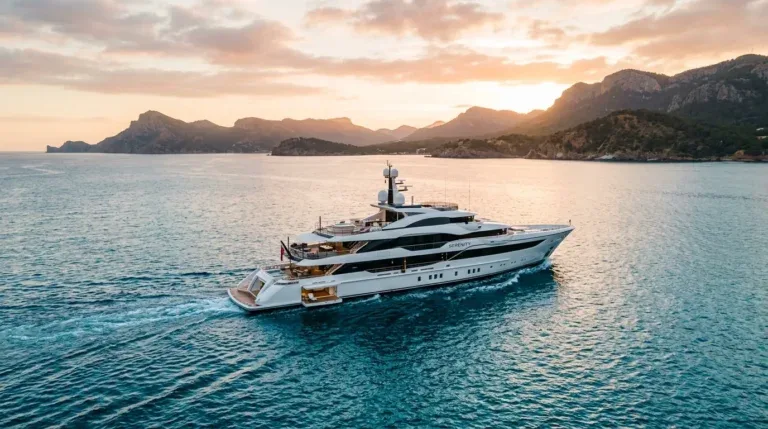
Chartering, on the other hand, grants unrivaled geographical flexibility. Owning a vessel based in the West Mediterranean means relocating it to the Exumas or the South Pacific requires expensive transoceanic shipping or long passage-making, adding substantial fuel and engine hours. A charter client can easily explore the Greek Cyclades in June, charter a high-performance sailing catamaran in the British Virgin Islands during Christmas, and cruise Alaska's Inside Passage the following summer without worrying about logistics.
Furthermore, chartering allows you to tailor the boat to the specific type of trip you want to take. You might charter a 50-foot (15.2 m) luxury sailing sloop with a 7.5-foot draft for an intimate island-hopping trip with your partner, and charter a 140-foot (42.6 m) tri-deck motor yacht with a 28-foot beam, stabilizer fins, and a 10-person crew when entertaining business partners or extended family.
Maintenance, Crew Management, and Operational Overhead
Every boat operates in a harsh marine environment where salt, UV radiation, and mechanical wear are relentless. Hull antifouling, teak deck sanding, generator overhauls, and hydraulic passarelle servicing require constant attention and dedicated shipyard haul-outs. For owners of crewed vessels, managing personnel is often the single most demanding task. Hiring a qualified captain, first mate, engineer, chef, and stewardesses requires active human resources management, payroll handling, and crew welfare oversight.
On-the-water tip: Before buying a 70+ foot yacht, shadow an active captain during a mandatory haul-out period at a working shipyard. Seeing the sheer scale of hull sanding, sea-cock replacements, and running-gear maintenance firsthand will quickly teach you whether you want to manage an asset or simply rent one.
When you charter, all maintenance headaches and crew management tasks fall entirely on the vessel's owner and management company. If an air-conditioning chiller fails or a bow thruster hydraulic line leaks during your charter week, the crew and broker work behind the scenes to rectify the issue or compensate your itinerary. You never have to negotiate shipyard quotes, deal with crew turnover, or manage emergency mechanical repairs.
Comparing Key Factors: Charter vs. Ownership
To help you weigh your options objectively, the table below compares the primary operational and financial metrics associated with chartering versus owning a 90-to-110 foot luxury motor yacht:
| Factor | Chartering | Sole Ownership |
|---|---|---|
| Capital Required | $0 upfront (pay per trip) | $5M – $15M+ initial purchase |
| Annual Overhead | None (costs tied strictly to charter weeks) | 10% – 15% of vessel value annually |
| Destination Variety | Unlimited (worldwide availability) | Restricted to vessel location / passage limits |
| Customization | Standard luxury layouts & decor | 100% personalized layout, toys, and gear |
| Crew Management | Handled entirely by owner/management | Owner responsibility (hiring, payroll, insurance) |
| Spontaneity | Subject to fleet charter availability | Instant access anytime the vessel is ready |
When Ownership Makes Sense: Key Indicators
Despite the high costs, ownership remains the ultimate goal for many seasoned mariners. Ownership generally becomes the right path if your situation checks several of these boxes:
- High annual usage: You spend more than 6 to 8 weeks on board every year.
- Uncompromising privacy and custom design: You require specific medical equipment, unique office space, or custom master suite layouts that standard charter yachts do not offer.
- Immediate availability: You want the ability to decide on a Thursday afternoon to spend the weekend on your boat without checking charter booking calendars.
- Emotional attachment: You view the yacht as a family sanctuary and take pride in owning, maintaining, and naming your own vessel.
Strategic Decision: What Path Should You Take?
If you spend less than four weeks a year cruising and prefer testing different destinations without operational stress, booking through a reputable yacht charter broker is unequivocally the smartest route. If you are hovering on the edge of buying, start by chartering the exact size, hull design (catamaran vs. monohull motor yacht), and brand you are considering. This gives you a clear sense of how your family utilizes space on board, how deep a draft your favorite anchorages require, and what crew dynamics suit your lifestyle best before committing millions to a purchase contract.
Frequently Asked Questions
Can placing my yacht in a charter management fleet cover all my ownership costs?
Placing your yacht in charter management helps offset annual running expenses such as dockage, insurance, and routine maintenance, but it rarely generates a net profit. High charter usage also increases wear and tear, accelerating depreciation on engines and interior finishes.
What is the typical length and spec of an entry-level crewed luxury yacht?
Entry-level crewed luxury yachts generally measure between 70 and 90 feet (21 to 27 meters) LOA, feature twin inboard diesel engines producing 1,200 to 1,900 hp each, carry a draft between 5 and 7 feet, and operate with a dedicated crew of 2 to 4 professionals.
What is APA in a yacht charter agreement?
Advance Provisioning Allowance (APA) is a standard deposit—typically 30% to 35% of the total charter fee—used by the captain to cover operational expenses during your charter, including fuel, harbor berth fees, food, communications, and alcohol. Any unspent portion is refunded at the end of the trip.
Sources
- MYBA The Worldwide Yachting Association
- United States Coast Guard (USCG) Marine Safety Guidelines
- International Yacht Brokers Association (IYBA)