Discover the Feadship 75m: Pinnacle of Bespoke Yachting
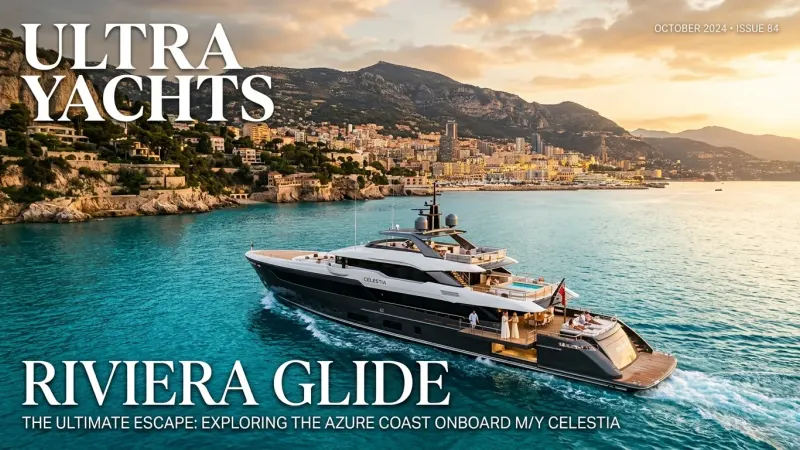
Hello, fellow mariners and dreamers! As someone who’s spent decades immersed in the world of boats, from humble day sailers to magnificent superyachts, there are few names that command as much respect and admiration as Feadship. When we talk about a Feadship 75m custom yacht, we’re not just discussing a vessel; we’re exploring a floating masterpiece, a true testament to bespoke design and unparalleled engineering. For many of us, the idea of a custom yacht like this represents the ultimate freedom on the water – a private sanctuary capable of traversing oceans, exploring hidden coves, and creating unforgettable memories. It’s the pinnacle of luxury, crafted precisely to an owner’s vision. Let’s dive deep into what makes a Feadship 75-meter (246-foot) vessel such an extraordinary feat of maritime artistry.
Table Of Content
- The Feadship Legacy and the Grand Scale of a 75m Superyacht
- The Art of Bespoke Design: Crafting a Unique Vision
- Exterior Aesthetics and Naval Architecture
- Interior Opulence and Customization
- Engineering Prowess and Uncompromising Performance
- Hull Construction and Materials
- Propulsion and Advanced Systems
- Sustainability and Innovation
- The Ownership Experience: Beyond the Purchase
- The Dedicated Crew and Continuous Management
- Meticulous Maintenance Regimen and Operational Costs
The Feadship Legacy and the Grand Scale of a 75m Superyacht
Feadship, an acronym for “First Export Association of Dutch Shipbuilders,” has been synonymous with custom superyacht excellence for over a century. Born from a collaboration of Dutch shipyards in 1949, their reputation was forged on an unwavering commitment to quality, innovation, and an almost obsessive attention to detail. Owning a Feadship isn’t merely about possessing a boat; it’s about joining an exclusive lineage of connoisseurs who demand the absolute best in maritime craftsmanship and personalized luxury.
So, what does “75 meters” truly signify in the realm of yachting? To put it into perspective, a typical day sailer might be 20-25 feet (6-7.5 meters), while a popular cruising sailboat like a Beneteau Oceanis 45 is around 13.7 meters (45 feet). Even a large production motor yacht rarely exceeds 30-40 meters. A 75-meter vessel, at 246 feet, isn’t just a “big boat”; it firmly entrenches itself in the upper echelon of what the industry refers to as “megayachts” or “gigayachts” – vessels typically over 60 meters. This scale unlocks capabilities and amenities unimaginable on smaller craft.
At this size, a Feadship 75m is designed for extensive blue-water cruising, meaning it possesses the range, stability, and self-sufficiency to undertake long-distance, offshore passages across oceans with absolute confidence. These yachts are not just for coastal hops or weekend getaways; they are global exploration platforms, lavish entertaining venues, private family retreats, and fully-fledged, self-sufficient floating estates. Imagine circumnavigating the globe or spending months exploring remote archipelagos, all while enjoying the comforts and services of a five-star resort. This is the promise of a Feadship 75m.
The Art of Bespoke Design: Crafting a Unique Vision
The essence of a Feadship 75m lies in its “custom” nature. This isn’t about selecting options from a brochure; it’s an intimate, years-long collaboration where an owner’s wildest dreams are translated into tangible maritime reality. From the initial conceptual sketches to the final meticulous detailing, every element of a Feadship 75m is a direct reflection of its owner’s personal aesthetic, lifestyle, and operational requirements. It’s a journey of creation, involving the owner, world-renowned naval architects, exterior designers, interior designers, and Feadship’s master craftsmen.
Exterior Aesthetics and Naval Architecture
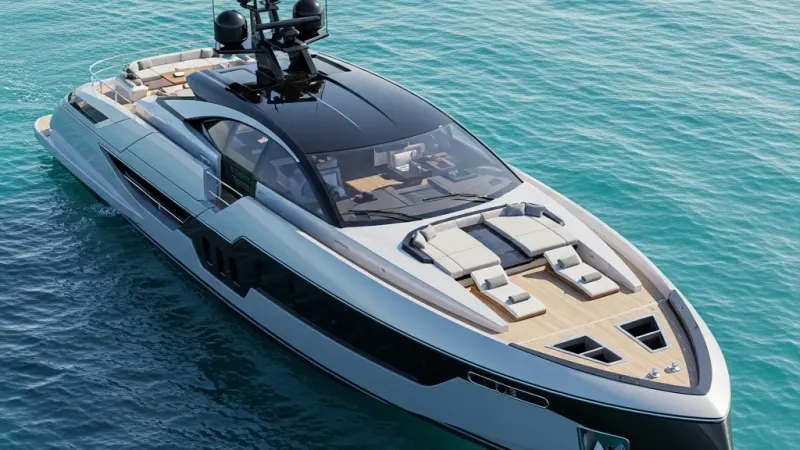
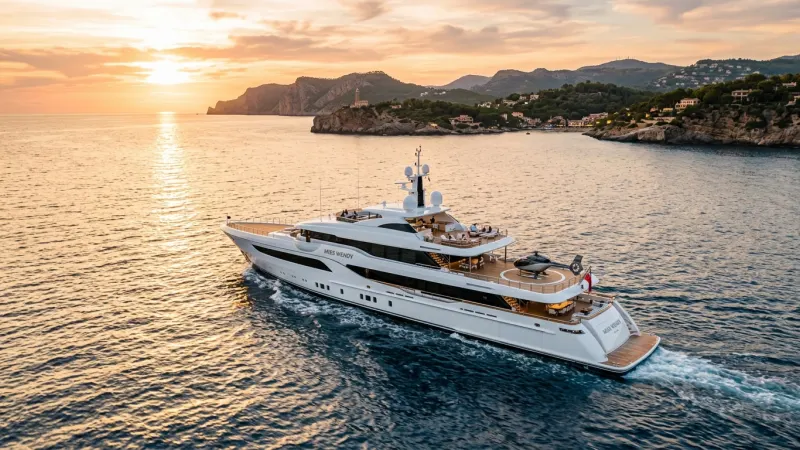
The exterior styling of a Feadship is instantly recognizable for its elegant lines, timeless proportions, and powerful presence. Naval architects like De Voogt, Feadship’s in-house design and engineering firm, work tirelessly to blend aesthetic beauty with hydro-dynamic efficiency and robust seaworthiness. The hull shape, superstructure configuration, and deck layouts are meticulously designed to optimize performance, stability, and comfort. Feadships typically feature a full-displacement hull, known for its smooth motion through the water, exceptional range, and fuel efficiency at cruising speeds, making it ideal for long oceanic voyages. Owners can specify unique features such as helipads for convenient transfers, expansive beach clubs with fold-down platforms for direct water access, or even custom tenders and submarine garages integrated seamlessly into the design.
Interior Opulence and Customization
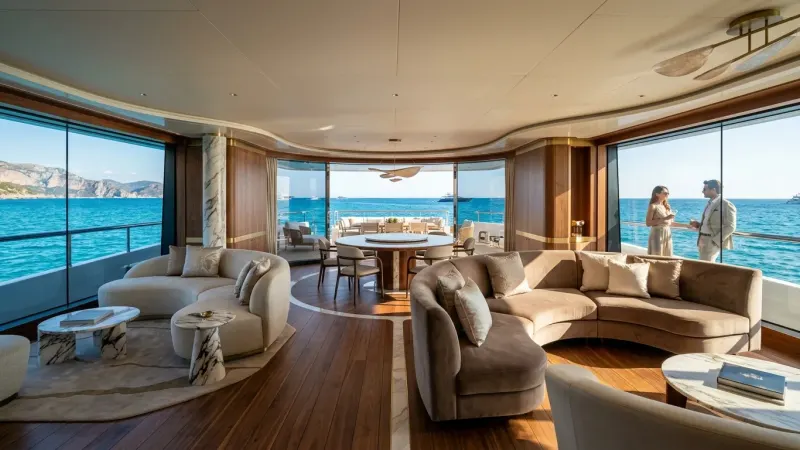
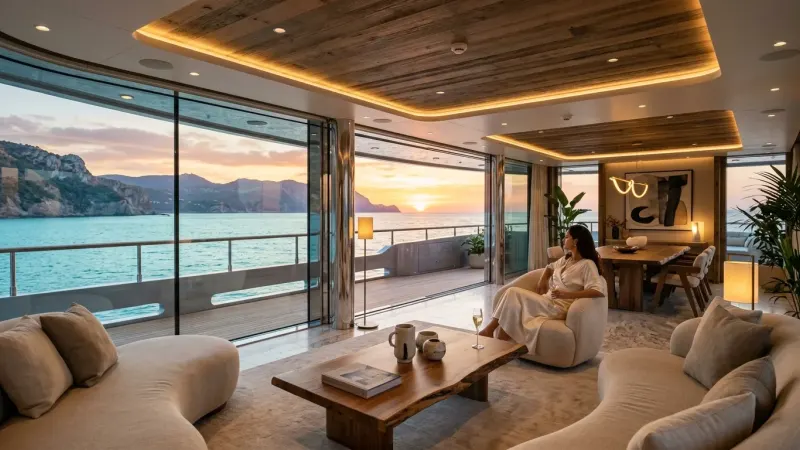
Step inside a Feadship 75m, and you enter a realm where luxury knows no bounds. The interior layout and decor are entirely bespoke, tailored to create a personal sanctuary that reflects the owner’s taste, whether that leans towards classic elegance, art deco glamour, or ultra-modern minimalism. Owners specify everything from the number of staterooms, expansive guest lounges, formal and informal dining areas, to the type of rare woods, exotic stones, luxurious fabrics, and curated art pieces. Imagine a dedicated cinema with plush seating, a state-of-the-art gym overlooking the ocean, a tranquil spa with massage rooms, a fully equipped medical facility, or even a revolutionary underwater lounge offering panoramic views of the marine world. Each space is a carefully considered environment, designed for comfort, entertainment, and functionality. For example, a recent 77-meter Feadship (Project 821) features an immense open-air lounging area and a sophisticated interior by Sinot Yacht Architecture & Design, illustrating the boundless possibilities.
To further illustrate the level of detail and foresight in a Feadship 75m, here’s a glimpse at some typical specifications:
| Feature | Typical Feadship 75m Specification |
|---|---|
| Length Overall (LOA) | 75 meters (246 feet) |
| Beam | 12-14 meters (39-46 feet) |
| Draft | 3.5-4 meters (11.5-13 feet) |
| Gross Tonnage (GT) | Approx. 1800-2200 GT |
| Cruising Speed | 12-14 knots |
| Max Speed | 16-18 knots |
| Range (at cruising speed) | 5,000+ nautical miles (transatlantic capability) |
| Guest Capacity | 12-18 (depending on layout) |
| Crew Capacity | 18-25 (depending on service level) |
| Hull Material | Steel (high-tensile) |
| Superstructure Material | Aluminum |
Engineering Prowess and Uncompromising Performance
Beneath the stunning aesthetics and luxurious finishes lies Feadship’s legendary engineering prowess, the true heart of these magnificent vessels. These yachts are not just beautiful; they are built to the absolute highest maritime standards, ensuring unparalleled safety, reliability, and comfort in any sea condition. It’s a testament to Dutch engineering excellence, where functionality and form are inextricably linked.
Hull Construction and Materials
Feadships typically feature a robust steel hull, specifically high-tensile steel, chosen for its exceptional strength, durability, and resistance to impact – qualities crucial for a vessel designed for global exploration. Steel provides a solid foundation for the displacement hull design, allowing it to cut through waves efficiently, offering a smoother, more stable, and fuel-efficient ride at lower speeds. This is in stark contrast to planing hulls, often found on smaller, faster craft like a Boston Whaler or Axopar 28, which lift out of the water at speed. The superstructure, the part of the yacht above the main deck, is almost always constructed from aluminum. This strategic choice significantly reduces overall weight, helping to keep the vessel’s center of gravity low. A lower center of gravity enhances stability, reducing roll in rough seas and contributing to a more comfortable experience for everyone on board.
Propulsion and Advanced Systems
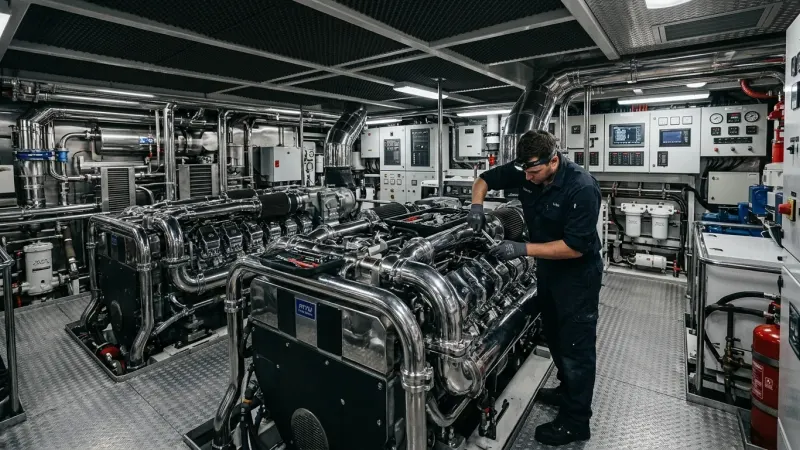
As motor yachts, Feadships do not rely on sails or complex rigging like a sloop or ketch. Instead, they are powered by sophisticated propulsion systems, typically twin inboard diesel engines from renowned manufacturers such as MTU or Caterpillar. These engines are selected not only for their immense power but also for their proven reliability, efficiency, and quiet operation – crucial for long passages where comfort is paramount. The engines drive fixed-pitch propellers through robust shaft drives, a traditional and highly dependable system preferred for large displacement vessels, rather than the saildrives common on smaller sailing vessels. Furthermore, Feadships are equipped with advanced stabilization systems, including sophisticated active fin stabilizers. Crucially, these often include “zero-speed” stabilizers, which deploy even when the yacht is at anchor, virtually eliminating roll and ensuring sublime comfort whether underway or enjoying a tranquil cove.
Sustainability and Innovation
In today’s maritime world, innovation extends beyond sheer power and luxury. Feadship is a leader in integrating sustainable technologies and practices. Many new Feadship builds feature hybrid propulsion systems, combining diesel engines with electric motors and battery banks. This allows for silent, emission-free cruising in sensitive areas or at low speeds, significantly reducing fuel consumption and environmental impact. Advanced waste management systems, heat recovery, and efficient HVAC systems are also standard, reflecting a commitment to greener yachting without compromising the luxury experience. This foresight ensures that a Feadship 75m isn’t just a vessel of today, but a vision for tomorrow’s sustainable luxury.
Here are some key engineering features that set a Feadship 75m apart:
- Full Displacement Steel Hull: Optimized for stability, long-range efficiency, and robust construction.
- Aluminum Superstructure: Reduces weight, lowers the center of gravity, and enhances performance.
- Twin High-Performance Diesel Engines: Typically MTU or Caterpillar, providing reliable power and global range.
- Advanced Stabilization Systems: Including active fin stabilizers with zero-speed functionality for comfort at sea and anchor.
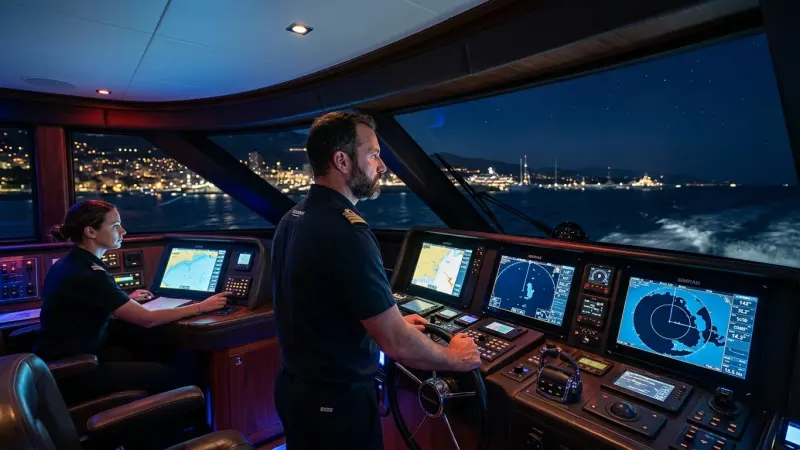
- Integrated Automation and Monitoring: State-of-the-art bridge systems for navigation, communication, and real-time systems monitoring.
- Redundant Systems: Duplication of critical systems (e.g., generators, pumps, navigation) to ensure uninterrupted operation and safety.
- HVAC Systems: Sophisticated climate control capable of maintaining optimal temperatures and humidity in any global climate.
- Bow Thrusters & Stern Thrusters: For superior maneuverability in tight marinas and challenging conditions.
The Ownership Experience: Beyond the Purchase
As a yacht broker with years of experience, I always tell my clients that purchasing a Feadship 75m is just the beginning of an extraordinary journey. The true luxury of ownership lies in the seamless operation and meticulous care these vessels receive, which necessitates a significant ongoing commitment. This isn’t just a boat; it’s a complex, high-performance asset that requires a dedicated team and a rigorous maintenance regimen to keep it pristine and operational, ready for adventure at a moment’s notice.
The Dedicated Crew and Continuous Management
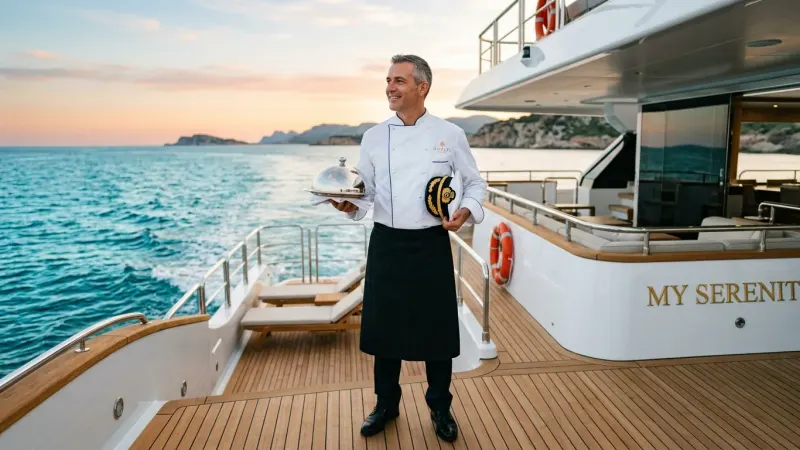
A vessel of this size and complexity demands a full complement of professional crew, often numbering between 18 and 25 individuals, depending on the desired level of service and guest capacity. This isn’t just a captain and a deckhand; we’re talking about a highly skilled team comprising a captain, chief engineer, second engineer, chief stewardess, several stewardesses, a chef, sous chef, bosun, several deckhands, and sometimes even specialized personnel like a dive instructor or masseuse. They live onboard year-round, ensuring all systems are operational, the yacht is immaculate, and every guest’s need is anticipated. Their expertise is vital, not only for navigation and guest services but also for the constant monitoring and preventative maintenance of the yacht’s intricate systems.
Meticulous Maintenance Regimen and Operational Costs
The saying “if it floats, it depreciates” doesn’t quite apply to a well-maintained Feadship, but the investment in its upkeep is substantial. These vessels typically undergo an annual dry-docking or “haul-out” for comprehensive hull inspections, application of fresh antifouling bottom paint (essential to prevent marine growth), and thorough maintenance of propellers, rudders, and other underwater gear. Engines receive service every 100-200 hours of operation or annually, whichever comes first, strictly adhering to manufacturer guidelines. All onboard systems – electrical, plumbing, HVAC, navigation, communication, and crucial safety equipment – are continuously monitored, serviced, and updated. Given the combination of a steel hull and aluminum superstructure, vigilant corrosion prevention, including regular anode checks and replacement, is paramount to prevent galvanic corrosion.
Beyond maintenance, the operational costs are considerable. You’re looking at annual expenses that can range from 10-15% of the yacht’s initial purchase price. This includes crew salaries (which can easily exceed $1 million annually for a full complement), fuel (a transatlantic crossing can burn hundreds of thousands of dollars in diesel), provisions, dockage fees, insurance, spare parts, and classification society surveys. These surveys, performed by organizations like Lloyd’s Register or ABS, are rigorous and regular, ensuring the yacht continuously meets international safety and construction standards. I remember a client, incredibly meticulous about his Feadship, who insisted on having a full thermal imaging scan of the engine room every six months to catch any potential hotspots or wear long before they became issues. That level of dedication is common among Feadship owners, understanding that true luxury is about proactive care.
Your journey to the horizon on a Feadship 75m is an experience like no other. While a 75m Feadship might be a distant dream for many, the principles behind its creation – a clear vision, meticulous planning, and unparalleled craftsmanship – apply to every vessel, from a classic Herreshoff design to a modern performance cruiser. It’s a testament to what’s possible when human ingenuity meets the boundless possibilities of the sea, culminating in the ultimate expression of bespoke yachting.