
Mastering Wake Surfing: Your Guide to Creating the Perfect Wave
Catch the Endless Wave: Understanding Wake Shaping Systems
Ahoy, fellow boating enthusiasts! As someone who’s spent decades on the water, selling countless vessels and helping dreams set sail, few things excite me as much as seeing boaters truly embrace the full potential of their craft. And when it comes to thrilling, sun-soaked fun, wake surfing has truly taken the maritime world by storm. It’s that incredible feeling of carving a perfect, endless wave behind your boat, no ocean required! But how do you create that magic? That, my friends, is where wake shaping systems come in.
Table Of Content
- Catch the Endless Wave: Understanding Wake Shaping Systems
- The Science of the Surfable Wake
- Key Components of a Wake Shaping System
- 1. Ballast Systems
- 2. Surf Tabs or Plates
- 3. Engine and Propulsion
- Dialing in Your Perfect Wave: A Step-by-Step Guide
- Maintenance for Your Wake Machine
- Choosing Your Wake Surfing Vessel
- Ride the Wave, Live the Dream!
At boatandsailboat.com, we know that a boat is more than just transportation; it’s a gateway to adventure and unforgettable memories. Let’s dive deep into the fascinating technology that lets you sculpt the perfect wave for your next family outing or solo surf session.
The Science of the Surfable Wake
Before we talk about shaping, let’s understand what makes a wake. A boat moving through water displaces it, creating a trough and then a series of waves. For wake surfing, we’re after a specific kind of wave: one that’s tall, long, and has a clean, smooth face, allowing a rider to “surf” it without holding onto a tow rope.
Traditional planing hulls – boats designed to ride on top of the water at speed – don’t naturally create the ideal wake. For wake surfing, we want the boat to sit deeper in the water, generating more displacement and a larger wave. This is where modern wake boats, often based on a modified displacement hull principle at lower speeds, truly shine.
Key Components of a Wake Shaping System
Creating that perfect curl isn’t magic; it’s a combination of intelligently applied weight and clever hydrodynamics. Here are the core components:
1. Ballast Systems
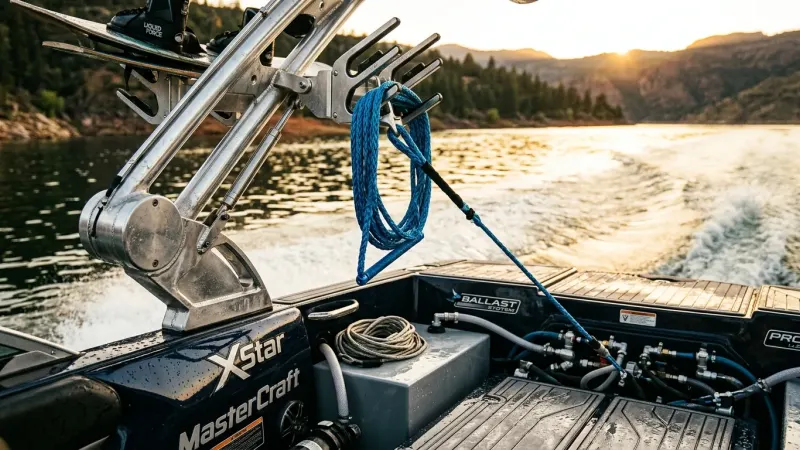
Ballast refers to added weight strategically placed within the boat to make it sit lower in the water. More displacement means a bigger wake. Modern wake boats feature sophisticated ballast systems:
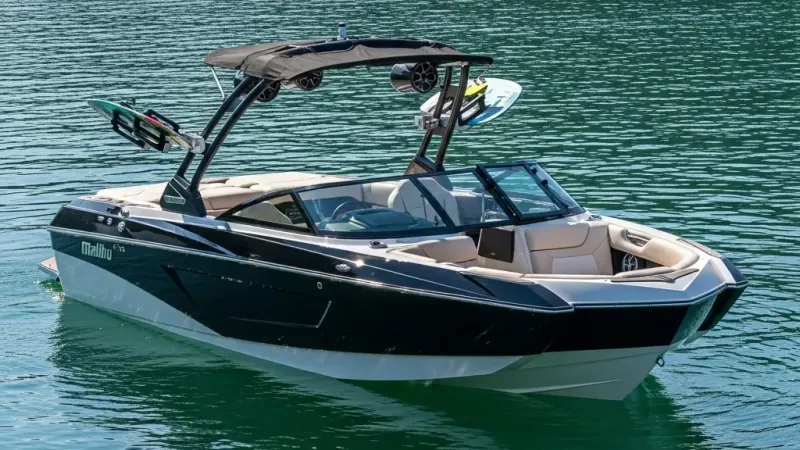
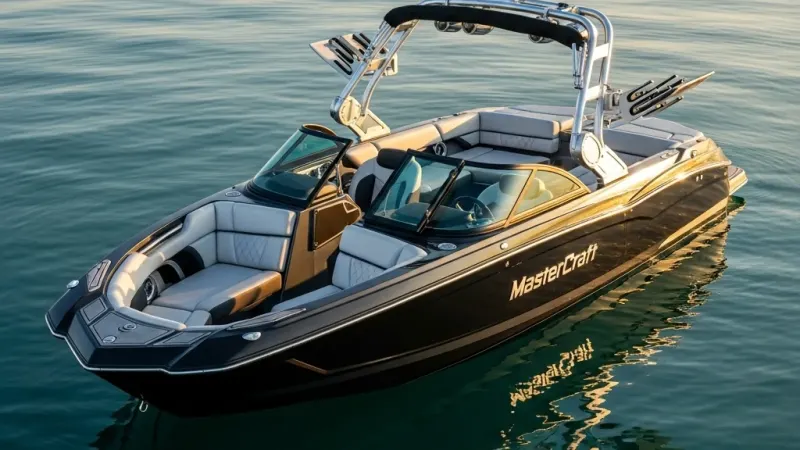
- Integrated Tanks: Many boats like the Malibu Wakesetter or MasterCraft X-Star come with built-in hard tanks, often located in the hull, bow, and stern. These are filled and emptied with electric pumps.
- Flexible Bags (Fat Sacks): These can be placed in lockers, under seats, or on the floor. They offer flexibility in weight distribution and are common in boats like the Nautique Super Air Nautique series. Some systems combine hard tanks and supplemental bags.
- How it Works: To create a surfable wave on one side (e.g., starboard), you’ll fill the ballast tanks on that side significantly more than the port side. This causes the boat to list, or lean, creating an asymmetrical wake.
2. Surf Tabs or Plates
These are external devices, typically hydraulically or electrically actuated, mounted to the transom (the flat back end) of the boat. Think of them as advanced trim tabs specifically designed for wake manipulation:
- Function: When extended into the water on one side (the non-surf side), they disrupt the water flow, causing the wake on the surf side to become larger, longer, and cleaner. Brands like Surf Gate (Malibu), NSS (Nautique), or Gen 2 Surf System (MasterCraft) are proprietary examples.
- Precision: These tabs allow for quick switching of the surf side and fine-tuning of the wave shape without having to move ballast around.
3. Engine and Propulsion
Dedicated wake boats feature powerful inboard engines (typically V-drive or direct drive) from brands like Indmar or PCM. These engines provide the high torque needed to push a heavily ballasted boat at optimal surf speeds (usually 9-12 MPH).
- Propellers: They use specialized high-pitch, low-diameter propellers designed for maximum thrust at lower speeds, not top-end speed.
- Safety: Inboard propulsion is crucial for wake surfing as the propeller is tucked safely under the boat, away from the rider. Never wake surf behind an outboard or sterndrive boat due to the exposed propeller.
Dialing in Your Perfect Wave: A Step-by-Step Guide
- Load Up the Ballast: Start by filling the ballast tanks on the side you want to surf. If you’re surfing on the port side, fill the port ballast tanks (and often some stern ballast) to about 80-100%. Keep the opposite side relatively empty. If you have a bow tank, fill it to lengthen the wave.
- Adjust Your Surf Tabs:
If your boat has surf tabs, deploy the tab on the non-surf side into the water. For example, if you’re surfing on the port side, deploy the starboard tab. Experiment with the degree of deployment – more tab often means a steeper, shorter wave, while less can make it longer and mellower.
- Find the Right Speed: Start at around 10.5 MPH and adjust in 0.5 MPH increments. Different boats and ballast setups will have a sweet spot, usually between 9-12 MPH. Use your boat’s cruise control system for consistency.
- Passenger Placement: Encourage passengers to sit on the surf side of the boat to further enhance the list and wave shape. This is an easy way to fine-tune the wave.
- Experiment and Observe: Every boat and every day is a bit different. Watch the wave, get feedback from your rider, and make small adjustments to ballast, tabs, and speed until you find that perfect pocket.
Maintenance for Your Wake Machine
Wake boats work hard, so regular maintenance is key to keeping your wave perfect and your adventures uninterrupted:
- Engine Service: Follow manufacturer recommendations (e.g., every 100-200 hours for brands like Yanmar or Volvo Penta, though wake boat engines often have specific service intervals). This includes oil changes, filter replacements, and checking belts.
- Ballast System Checks: Periodically inspect pumps, hoses, and valves for leaks or blockages. Clean ballast bags if you notice any mildew or odor. Ensure through-hull fittings are clear.
- Surf Tab/Plate Inspection: Check the hydraulic lines or electric actuators for any wear, corrosion, or damage. Keep them clean of marine growth.
- Propeller Care: Inspect your prop for dings or damage. Even minor damage can affect performance and vibration. Consider having a spare prop.
- Winterizing: If you’re in a cold climate, ensure your engine and ballast systems are properly winterized to prevent freezing damage.
Choosing Your Wake Surfing Vessel
If wake surfing is your primary passion, a dedicated wake boat (typically 20-25 ft and up) from brands like Malibu, MasterCraft, Nautique, or Centurion is your best bet. These boats are engineered from the keel up for wake performance, integrating powerful engines, extensive ballast, and advanced surf systems.
While you can add aftermarket ballast and surf shapers to some other inboard boats, the results often won’t match a purpose-built wake boat, and importantly, safety must always be paramount. Never attempt wake surfing behind a boat with an exposed propeller.
Ride the Wave, Live the Dream!
Wake surfing is more than just a sport; it’s an exhilarating way to experience the water, bond with family and friends, and embrace the freedom that only boating can offer. With a solid understanding of wake shaping systems, you’re not just a boat owner; you’re a wave architect, crafting endless perfect rides.
So, get out there, experiment with your setup, and feel the thrill of that endless wave beneath your board. The water is calling, and your perfect surf is just a few adjustments away. See you on the water!