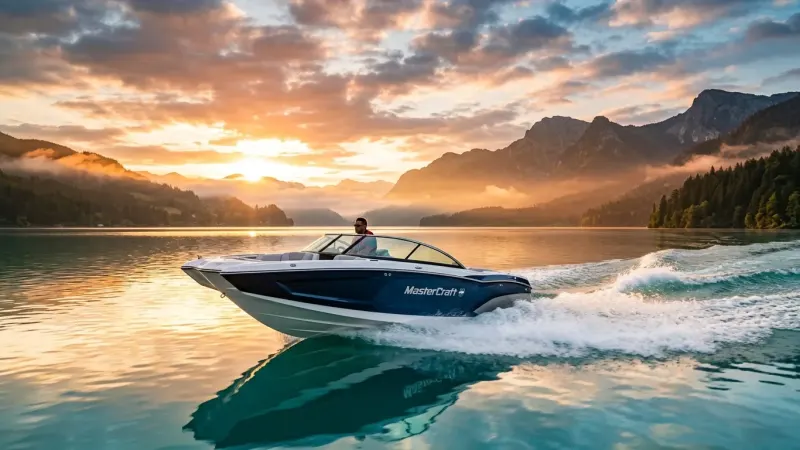
Unlock the Perfect Wave: Your Guide to Wake Shaping Systems
Creating Magic on the Water: Understanding Wake Shaping Systems
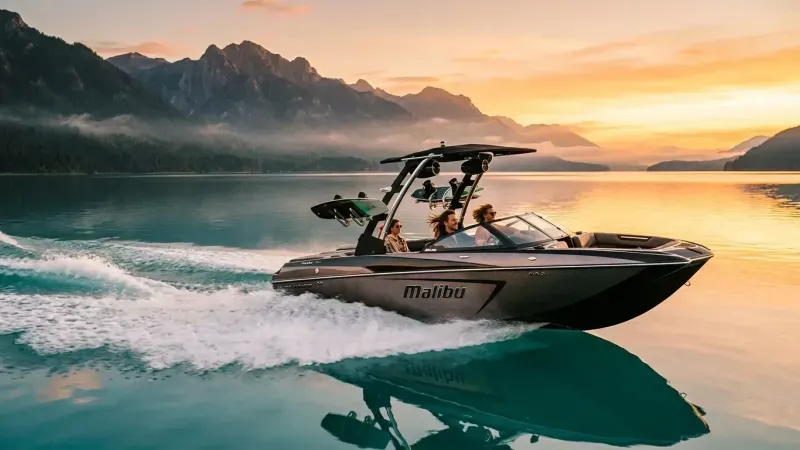
Ahoy, fellow water enthusiasts! There’s a special kind of magic that happens when you carve through the water, leaving a perfectly sculpted wave in your wake – especially when that wave is designed for surfing right behind your boat. Here at boatandsailboat.com, we know the thrill of the open water, and for many, that thrill now includes the exhilarating sport of wakesurfing. But how do you create that ideal, endless wave? The secret lies in understanding modern wake shaping systems.
Table Of Content
For decades, generating a big wake was often a byproduct of boat speed and hull design. But with the rise of wakesurfing, engineers have perfected technologies to precisely manipulate the water, giving you a custom wave right off your stern. Let’s dive into how these remarkable systems work and how you can harness them for your ultimate on-water adventure.
What Exactly Are Wake Shaping Systems?
Simply put, wake shaping systems are a combination of technologies on specialized powerboats designed to create and sculpt a large, clean, surfable wave behind the vessel. Unlike traditional wakeboarding, wakesurfing requires a much slower speed (typically 9-13 mph) and a continuously breaking wave that you can ride without being tethered to the boat.
These systems fundamentally work by altering the boat’s displacement and hull interaction with the water, pushing more water to one side to generate a larger, steeper wave face on that side.
The Core Components of a Perfect Wave
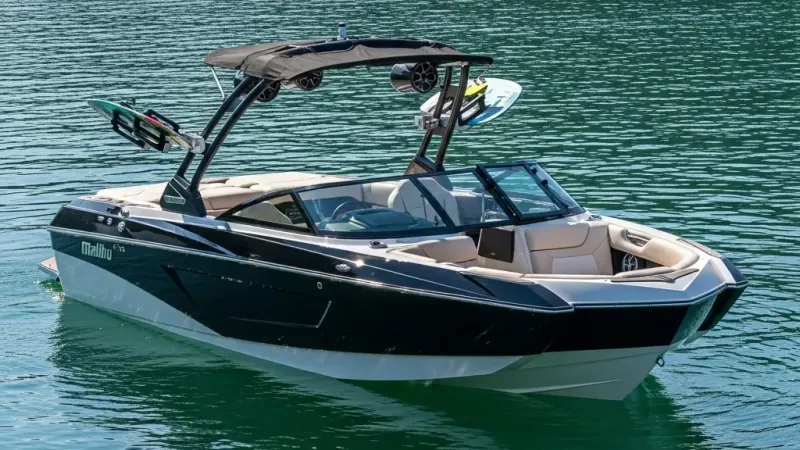
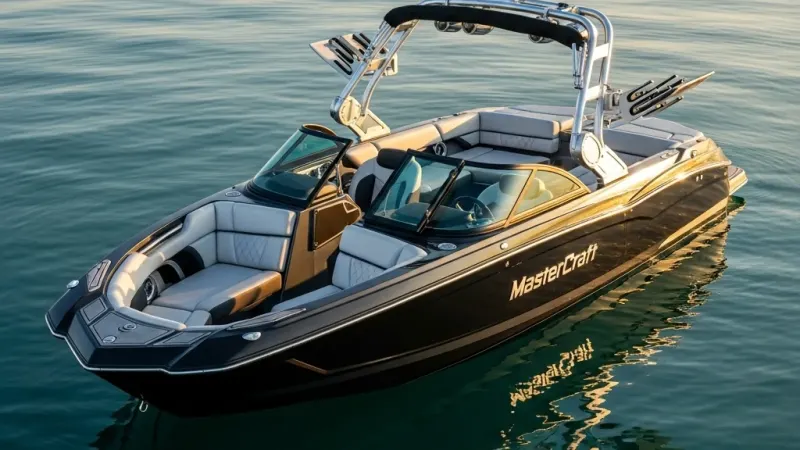
Modern wake boats, typically ranging from 20 to 26 feet (often classified as sport boats or day boats), integrate several key components to achieve their incredible wake-shaping capabilities. These boats almost exclusively feature a planing hull – a design that allows the boat to lift out of the water and skim across the surface at higher speeds, but at wakesurfing speeds, it’s carefully designed to displace water effectively.
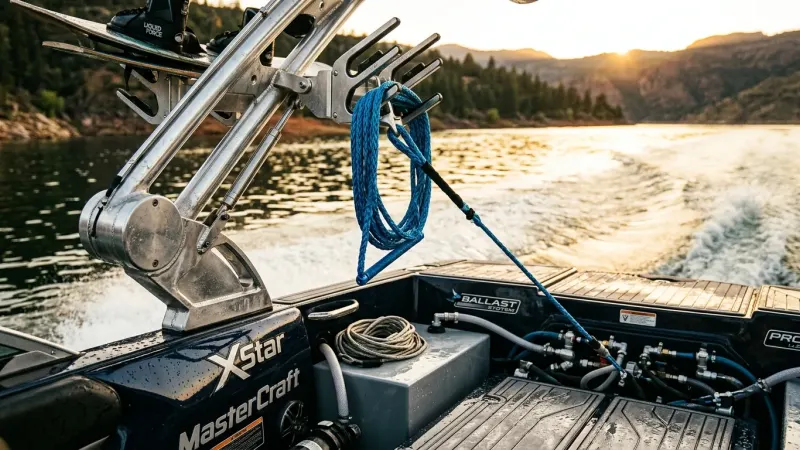
- Ballast Systems: This is the cornerstone of wake shaping. Ballast refers to additional weight strategically placed within the boat to increase its displacement. Most systems use a series of integrated tanks or “fat sacs” that can be filled and emptied with water via powerful pumps. By filling ballast tanks on one side of the boat (e.g., the starboard side for a regular-footed surfer), you effectively sink that side deeper, forcing the hull to push more water, creating a larger wave.
- Actionable Tip: Modern systems are often controlled digitally. Experiment with different fill levels (e.g., 80% starboard, 20% port, 50% rear) to see how it impacts wave size and shape.
- Surf Plates or Tabs: These are adjustable plates or wedges mounted on the transom (the flat back end) of the boat. Brands like MasterCraft, Malibu, and Nautique have proprietary systems (e.g., Gen 2 Surf System, Surf Gate, NSS). When deployed, these plates extend into the water, creating drag and further manipulating the flow of water off the hull, refining the wave’s shape, length, and height. They allow for quick adjustments and even “transferring” the wave from one side to the other with the push of a button.
- Actionable Tip: Small adjustments to your surf plate settings can make a huge difference. Think of them as fine-tuning controls after your ballast is set.
- Hull Design: While ballast and plates are crucial, the fundamental design of the boat’s hull plays a massive role. Dedicated wake boats feature specific hull geometries, often with deeper V-sections and wider beams, optimized for wake generation at slow speeds. Construction is almost always fiberglass, offering durability and the ability to mold complex hull shapes.
Engine and Propulsion Basics for Wake Boats
To power these systems and move the heavy, ballasted boats, specialized wake boats rely on powerful inboard engines, almost exclusively a V-drive configuration. This means the engine is mounted towards the rear of the boat, and the propeller is underneath, well forward of the transom. This design is critical for safety (keeping the propeller away from surfers) and for optimizing wake formation. Common engine brands include PCM, Ilmor, and Indmar, known for their high torque and reliability. These engines are designed for the specific demands of pushing a heavy boat at slower speeds.
Dialing in Your Perfect Wave
Achieving the “perfect wave” is part art, part science, and a lot of fun experimentation! Here’s how you can make it happen:
- Choose Your Side: Determine if your rider is regular-footed (left foot forward, surfs on the starboard side of the boat) or goofy-footed (right foot forward, surfs on the port side).
- Load the Ballast: Fill the ballast tanks predominantly on the rider’s side. For example, if surfing starboard, fill starboard tanks to 90-100% and port tanks to 0-30%. Fill rear tanks to a higher percentage to help sink the stern.
- Adjust Speed: Start with a speed around 10.5-11.5 mph. Use your boat’s GPS speed control for consistency.
- Deploy Surf Plates: Engage the surf plate on the opposite side of the rider (e.g., port plate for a starboard surfer). This helps clean up and lengthen the wave on the riding side.
- Passenger Weight: Strategically place passengers on the riding side, especially towards the stern, to further enhance the wave.
- Fine-Tune: Make small, incremental adjustments to speed, ballast levels, and surf plate settings until you find the sweet spot for your rider.
Maintenance for Years of Surfing Fun
Just like any vessel, a wake boat requires diligent care to keep those waves rolling. Here’s a basic maintenance schedule:
- Engine Service: Follow manufacturer recommendations, typically every 100-200 hours or annually, whichever comes first. This includes oil changes, filter replacements, and checking fluids. Brands like Yanmar and Volvo Penta are common in other powerboat categories, but for wake boats, stick to your specific engine manufacturer’s guidelines.
- Ballast System Check: Regularly inspect ballast pumps for debris and proper function. Flush the system with fresh water after use in brackish or saltwater. Check hoses and connections for leaks.
- Hull Care: Keep your fiberglass hull clean. Regular washing and waxing prevent sun damage and maintain that showroom shine. If operating in saltwater, ensure proper corrosion prevention for all metal components and an annual haul-out for bottom cleaning.
- Software Updates: Many modern wake systems are software-driven. Ensure your boat’s system is updated as recommended by the manufacturer.
- Winterizing: If you live in a colder climate, proper winterizing steps are crucial to protect your engine and ballast systems from freezing.
Your Next Adventure Awaits!
From the first-time buyer dreaming of weekend getaways to the seasoned enthusiast upgrading their vessel, understanding wake shaping systems opens up a whole new world of on-water enjoyment. Imagine the family memories, the laughter, the sunsets enjoyed after a perfect day of surfing – a boat is truly more than transportation; it’s freedom, escape, and a canvas for lifelong stories.
Ready to chase that perfect wave? Start by researching specific wake boat models like the MasterCraft X-Series, Malibu Wakesetter, or Nautique G23. Consider a demo ride to experience the waves firsthand. Talk to experienced owners, join online forums, and don’t hesitate to reach out to a trusted broker like us at boatandsailboat.com. We’ve advised countless dreamers and helped hundreds find “their” boat. The water is calling, and your perfect wave is waiting!