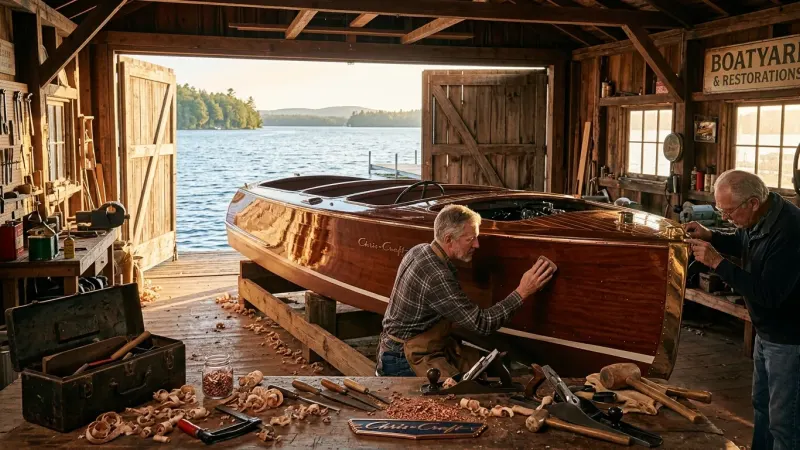

Revitalize Your Classic Fiberglass Boat: A Guide to Timeless Beauty
Keeping Your Beloved Classic Fiberglass Boat Shipshape
Ah, the classic fiberglass boat! Whether it’s a nimble day sailer under 25 feet, a comfortable 30-40 foot family cruiser like a Catalina 30 or Jeanneau Sun Odyssey, or a sturdy offshore vessel, these timeless beauties hold a special place in our hearts. They represent an era when boat builders first mastered fiberglass construction – a revolution that brought durable, low-maintenance vessels to the masses. But even fiberglass, while incredibly robust, requires love and attention, especially as the decades roll on.
Table Of Content
- Keeping Your Beloved Classic Fiberglass Boat Shipshape
- The Fiberglass Foundation: Hull and Deck Care
- Vital Systems: Keeping Her Running Smoothly
- Deck Hardware & Wood Trim: Preventing Leaks and Preserving Beauty
- Sail & Rigging Care (for Classic Fiberglass Sailboats)
- Bringing it All Together: Your Maintenance Schedule
- Your Next Step
As someone who’s spent a lifetime around marinas, helping countless dreamers find “their” boat and keep it pristine, I can tell you that maintaining a classic fiberglass boat isn’t just about upkeep; it’s about preserving a piece of maritime history and ensuring countless more sunsets on the water. Let’s dive into how you can keep your vintage vessel gleaming and structurally sound for years to come.
The Fiberglass Foundation: Hull and Deck Care
The core of your classic boat’s appeal and integrity lies in its fiberglass hull and deck. Over time, even the toughest gelcoat – the protective, colored outer layer of fiberglass boats – can oxidize, making it look dull and chalky. But don’t despair!
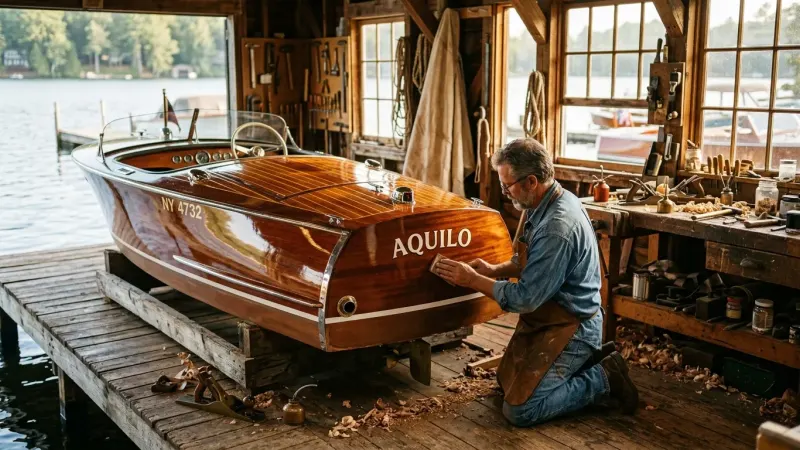
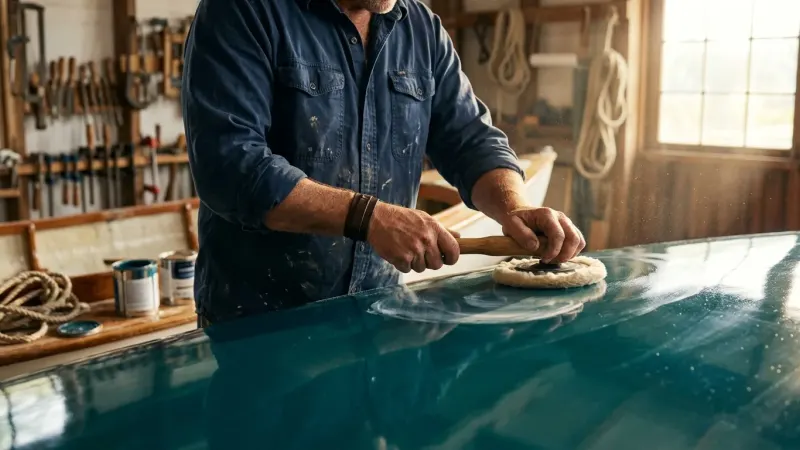
- Gelcoat Revival: This is often the most visible maintenance. Start with a good wash. For light oxidation, a marine cleaner wax might suffice. For heavier chalking, you’ll need to move to compounding (a coarse abrasive polish) followed by a finer polish, and then finally a high-quality marine wax or sealant. For severely faded gelcoat, wet sanding with fine-grit sandpaper (e.g., 1000 to 2000 grit) might be necessary before compounding. The result? A mirror-like shine that truly brings back that vintage charm.
- Inspecting for Structural Integrity: Older fiberglass boats, especially those built with balsa wood or plywood cores in their decks and hulls, can be susceptible to moisture intrusion if fittings aren’t properly sealed. This can lead to core rot and delamination – where the layers of fiberglass separate from the core. Regularly check for soft spots on the deck or hull. Look for stress cracks around hardware like cleats, stanchions, and chainplates (the fittings that connect the shrouds to the hull). Small cracks can often be ground out and filled with epoxy, but extensive issues may require professional repair.
- Bottom Paint and Osmotic Blistering: If your boat lives in the water, annual haul-out and fresh bottom paint is essential. This antifouling paint prevents marine growth from attaching to your hull. For classic fiberglass boats, keep an eye out for osmotic blistering – small, fluid-filled bubbles under the gelcoat. While not always structurally critical, severe cases should be addressed by a professional to prevent further degradation.
Vital Systems: Keeping Her Running Smoothly
A classic boat’s systems might be older, but with proper care, they’re often incredibly reliable.
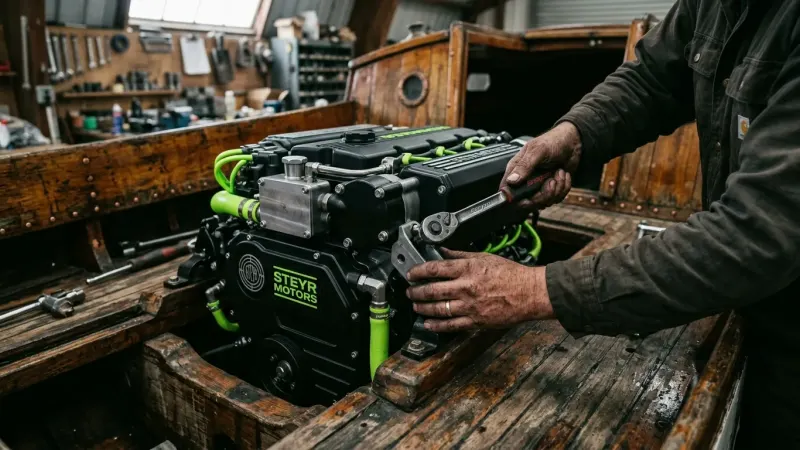
- Engine & Propulsion: Whether you have an inboard diesel engine (like a robust Yanmar or Volvo Penta) or an outboard, regular service is paramount. Aim for an engine oil and filter change every 100-200 operating hours or annually, whichever comes first. Don’t forget fuel filters, impellers (for cooling), and checking all belts and hoses. If you’re in a cold climate, proper winterizing is crucial to prevent freeze damage.
- Electrical Systems: Older wiring can corrode or become brittle. Inspect all connections, especially in damp areas, for signs of corrosion or fraying. Upgrade old fuse panels to modern circuit breakers where appropriate. Modern LED lighting can reduce electrical load and extend battery life.
- Plumbing: Inspect all hoses for cracks or stiffness, especially those below the waterline. Seacocks – valves that control water flow through hull fittings – should be regularly exercised to ensure they operate freely.
Deck Hardware & Wood Trim: Preventing Leaks and Preserving Beauty
Many classic fiberglass boats feature beautiful wood trim – teak, mahogany, or other hardwoods – that adds immensely to their character.
- Re-bedding Fittings: Leaks are the enemy of any boat, especially classic fiberglass. Over time, the sealants around deck hardware (stanchions, cleats, windows, hatches) can dry out and fail. A common and highly effective maintenance task is to remove, clean, and re-bed these fittings with fresh marine sealant. This simple step can prevent costly damage to core materials and interior joinery.
- Wood Care: For teak, many owners prefer the natural silver-gray patina, but regular cleaning is still important. If you prefer the warm, golden look, regular oiling or varnishing is required. Varnish offers more protection but demands more maintenance (sanding and re-coating) than teak oil.
Sail & Rigging Care (for Classic Fiberglass Sailboats)
If your classic fiberglass boat is a sailboat, like a beloved Hunter 33 or a Beneteau Oceanis from the 80s, your rigging and sails need attention too.
- Rigging Inspection: Regularly inspect your standing rigging (the wires that support the mast) for broken strands, corrosion, or bent terminals. Check running rigging (ropes) for chafe. Replace as needed. For older boats, consider a professional rig inspection every 5-10 years.
- Sail Care: Keep sails clean and dry when not in use. Store them out of direct UV light. Inspect for tears, chafe, and UV damage to stitching. Small repairs can be made in a sail loft, extending their lifespan significantly. Modern sails often use a Bermuda rig (triangular mainsail and headsail), while some classic designs might feature a gaff rig with a four-sided mainsail. Regardless, proper care is key.
Bringing it All Together: Your Maintenance Schedule
A consistent schedule is your best friend. Beyond routine washing, here’s a general guide:
- Seasonal Checks (Spring/Fall): Inspect all systems, deck hardware, and hull for any issues. Thoroughly clean and wax gelcoat.
- Annual Haul-Out: For bottom painting, hull inspection, prop cleaning, and anode replacement.
- Engine Service: Annually or every 100-200 hours.
- Rigging & Sail Inspection: Annually.
- Winterizing/De-winterizing: As appropriate for your climate.
Whether you own a classic Boston Whaler Montauk for fishing, a venerable Bertram 31 sportfish, or a graceful cruising sailboat, preserving its vintage charm and structural integrity is a rewarding endeavor. It connects you to the boat’s story and ensures it continues to create new ones for you and your family.
Your Next Step
Ready to get your hands dirty? Start with a thorough walk-around inspection of your boat. Make a list of everything that needs attention. Tackle the simplest tasks first, like a good wash and wax. For larger projects like core repair or extensive electrical upgrades, don’t hesitate to consult a reputable marine professional. Investing in your classic boat now means countless more years of freedom, escape, and unforgettable memories on the water. Happy boating from all of us at Sail & Power & Boats & Motor Yachts!