
Keep Your Ski & Wake Boat Roaring: Engine Maintenance for Endless Fun
The Heart of the Fun: Understanding Your Ski & Wake Boat Engine
Picture this: a glassy lake, the sun warming your skin, and the powerful thrum of your ski or wake boat engine as you carve the perfect wake. That feeling of exhilarating speed and precise control isn’t just magic; it’s the result of a meticulously engineered machine working flawlessly. For many of us, our boat isn’t merely a piece of equipment; it’s the centerpiece of countless summer memories, the stage for personal triumphs, and the catalyst for family bonding. But like any high-performance athlete, the engine powering that fun demands respect and regular, diligent care.
Table Of Content
- The Heart of the Fun: Understanding Your Ski & Wake Boat Engine
- Spring Commissioning: Waking Up Your Beast for a New Season
- Battery & Electrical Systems
- Fluid Management: The Engine’s Lifeblood
- Fuel System Integrity
- Ignition, Belts, and Hoses
- Raw Water System & Impeller
- Mid-Season TLC: Keeping the Roar Consistent
- Pre-Launch Routine: A Quick Once-Over
- Post-Use Habits: Simple Steps for Longevity
- Monitoring Performance & Indicators
- Propeller & Drive System Checks
- Winterization Wisdom: Preparing for the Off-Season Slumber
- Fuel Stabilization: Preventing “Winter Sludge”
- Engine Fogging: Internal Protection
- Cooling System Drainage & Antifreeze
- Battery Care: Keeping Them Healthy
- General Hull and Cover Prep
- Troubleshooting Common Issues & The Value of Professional Help
- Common Warning Signs & What They Mean
- DIY vs. Professional Service: When to Call the Experts
- The Long-Term Investment Perspective
Here at boatandsailboat.com, with decades spent navigating these waters, we understand that the engine is the undisputed heart of your ski or wake boat. Neglecting it isn’t just a recipe for a bad day on the water; it’s an invitation for costly repairs, diminished performance, and even safety hazards. Proper maintenance ensures a reliable vessel that consistently delivers optimal power, creates those coveted perfect wakes, and ultimately extends the life and value of your significant investment. It’s about protecting your fun and your financial future.
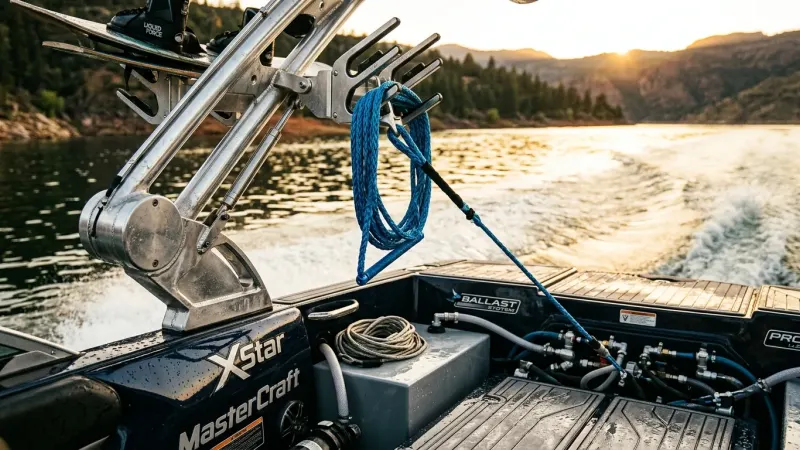
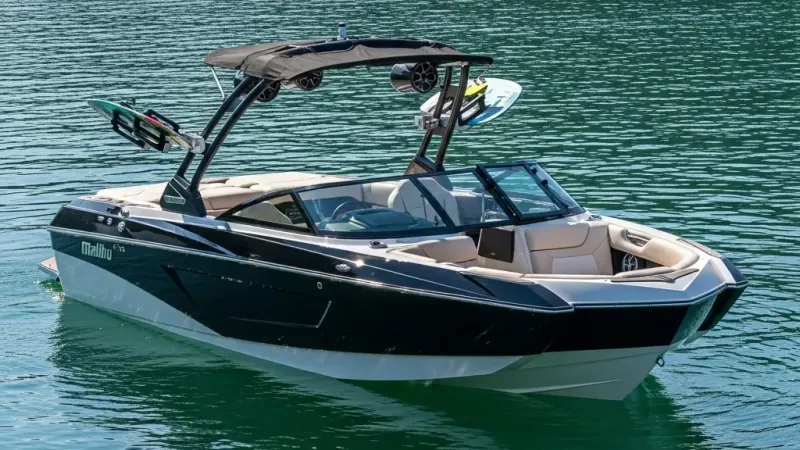
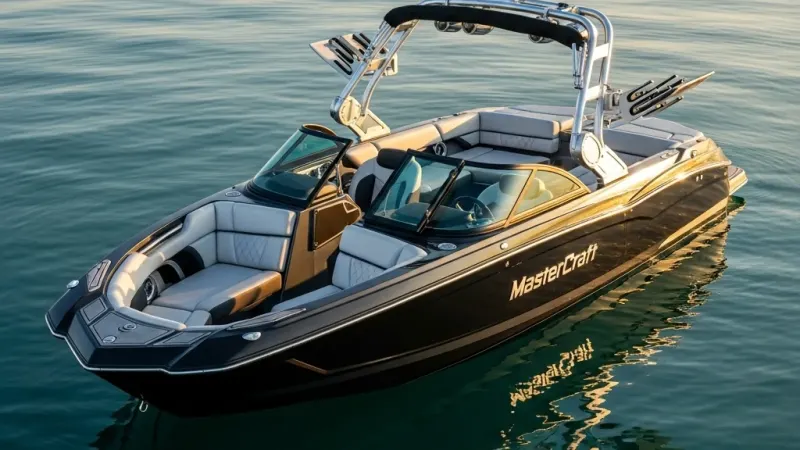
Ski and wakeboard boats, typically ranging from 18 to 25 feet, are purpose-built for power and precision. They almost exclusively feature inboard engines—meaning the engine is mounted inside the hull, connected to a propeller shaft. You’ll usually find either a direct drive system, where the engine is mid-ship and the shaft runs straight aft, or a V-drive system, which places the engine further back, using a V-shaped gearbox to route power forward and then aft to the propeller. Brands like PCM, Ilmor, and Indmar are stalwarts in this segment, building robust gasoline-powered engines designed for high RPMs and the consistent torque crucial for pulling skiers and boarders. These powerhouses propel planing hulls, engineered to lift and glide efficiently on top of the water at speed, making your engine’s health paramount.
Spring Commissioning: Waking Up Your Beast for a New Season
After a long winter slumber, that first splash of the season is pure joy. But before you launch, a thorough spring commissioning is non-negotiable. This annual ritual sets the tone for your entire boating season, ensuring reliability and peak performance. It’s more than just a checklist; it’s an investment in uninterrupted fun.
Battery & Electrical Systems
- Reconnect and Inspect Batteries: Reconnect your fully charged batteries. Clean all terminals thoroughly with a wire brush, apply a light coat of dielectric grease to prevent corrosion, and ensure all connections are tight. A loose connection can lead to intermittent power issues or even arcing.
- Check Voltage: Use a multimeter to confirm your batteries are holding a proper charge, typically around 12.6-12.8 volts for a fully charged 12V battery.
- Inspect Wiring: Visually inspect all accessible wiring for fraying, cracks, or signs of rodent damage. Secure any loose wires.
Fluid Management: The Engine’s Lifeblood
- Engine Oil and Filter: If you didn’t change your oil and filter during winterization, or if you’ve hit the manufacturer-recommended 50-100 hour mark since the last change, now is the time. Use only marine-grade oil specified by your engine manufacturer. This is critical for protecting internal components from wear and corrosion.
- Transmission Fluid: Check the transmission fluid level and condition. It should be clean and clear; if it looks milky or burnt, it’s a sign of a potential issue and needs immediate attention.
- Power Steering Fluid: Verify the power steering fluid level. Low fluid can lead to stiff steering and premature pump wear.
- Coolant Levels (Closed Cooling Systems): If your boat has a closed cooling system (like a car), check the coolant reservoir level. Ensure it’s topped off with the correct type of marine-grade antifreeze/coolant. This system keeps your engine at optimal operating temperature, much like your car.
Fuel System Integrity
- Inspect Fuel Lines: Carefully examine all fuel lines for cracks, kinks, or leaks. Pay particular attention to connections and where lines might rub against other components.
- Change Fuel Filter/Water Separator: This is arguably one of the most critical steps. A clogged or contaminated fuel filter is a common culprit for engine stuttering, loss of power, or outright failure. Replace it annually, or more often if you suspect fuel contamination.
- Check for Ethanol Issues: Modern fuels often contain ethanol, which can wreak havoc on older fuel systems. Ensure your system is compatible, and consider using a marine fuel stabilizer with every fill-up if you haven’t already.
Ignition, Belts, and Hoses
- Spark Plugs: Remove and inspect your spark plugs. Look for excessive wear, fouling, or carbon buildup. Replace them according to your manufacturer’s schedule, typically every 100-200 hours. Properly gapped, clean spark plugs are vital for efficient combustion and fuel economy.
- Belts: Check all engine belts (alternator, power steering, etc.) for cracks, fraying, or excessive wear. Ensure they have the correct tension – usually about 1/2 inch of deflection with moderate thumb pressure. A squealing belt is a definite sign of trouble.
- Hoses: Inspect all engine hoses for bulges, cracks, softness, or leaks. A burst hose on the water can quickly turn fun into a serious problem.
Raw Water System & Impeller
For boats with open cooling systems or raw water pumps for engine cooling, this is vital. The raw water impeller, usually made of rubber, pulls lake water into your engine to cool it. Over time, it can harden, crack, or even break apart, leading to catastrophic engine overheating. Replace it annually or every other year, regardless of its appearance. It’s a small part that protects your entire engine. Also, check the raw water strainer for any debris before launching.
Mid-Season TLC: Keeping the Roar Consistent
Once your boat is launched and the season is in full swing, your maintenance routine shifts from major overhaul to consistent vigilance. Think of it as preventative medicine for your engine. Small, regular checks can prevent minor issues from becoming major headaches, ensuring your boat is always ready when the sun is shining and the water is calling.
Pre-Launch Routine: A Quick Once-Over
Before every outing, especially if your boat sits for a few days, take five minutes to do a quick visual inspection. Check your oil and transmission fluid levels – just like you would a car. Look into the bilge for any unusual fluid leaks (oil, fuel, coolant). Confirm your battery switch is on and that the bilge pump is operating correctly. My personal rule: if something looks or smells off, it’s worth investigating before you leave the dock.
Post-Use Habits: Simple Steps for Longevity
After a day of tearing up the lake, a few simple steps can make a big difference. If you operate in brackish or saltwater, always flush your engine with fresh water. This is non-negotiable to prevent corrosive salt buildup. Even in fresh water, a quick flush can help remove sediment. Always trim your drive down to allow water to drain from the exhaust, preventing stagnant water from sitting in the system. And of course, wipe down your engine compartment to keep it clean, making future inspections easier and helping you spot leaks quickly.
Monitoring Performance & Indicators
Your boat gives you clues about its health. Pay close attention to your gauges: oil pressure, engine temperature, voltage, and RPMs. Any sudden or sustained deviation from normal operating parameters warrants immediate investigation. Does the engine sound different? Is there a new vibration? Is it consuming more fuel than usual? Trust your instincts; if something feels “off,” it probably is. Ignoring these warning signs is like ignoring a check engine light in your car—it rarely ends well.
Propeller & Drive System Checks
The propeller is your engine’s connection to the water, and it takes a beating. Regularly inspect your prop for dings, bends, or damage. Even minor damage can cause vibrations that lead to premature wear on your driveline, shaft, and engine bearings. If you spot damage, have it repaired or replaced by a professional. Also, check the propeller shaft for fishing line entanglement, which can quickly destroy propeller shaft seals and lead to water intrusion.
Winterization Wisdom: Preparing for the Off-Season Slumber
As the leaves turn and temperatures drop, it’s time to prepare your ski boat for its long winter nap. Proper winterization is absolutely critical to protect your engine from freezing temperatures, corrosion, and fuel degradation. Skipping this step, or doing it improperly, is a gamble that rarely pays off, often leading to thousands in repair costs come spring.
Fuel Stabilization: Preventing “Winter Sludge”
One of the most common winterization mistakes involves the fuel system. Without proper treatment, gasoline can break down over several months, forming gums and varnishes that clog fuel lines, filters, and injectors. Fill your fuel tank to about 90-95% full to minimize condensation, then add a high-quality marine fuel stabilizer. Run the engine for 10-15 minutes after adding the stabilizer to ensure it circulates throughout the entire fuel system, including the carburetor or injectors.
Engine Fogging: Internal Protection
To prevent rust and corrosion on the internal surfaces of the engine cylinders, fogging is essential. While the engine is running (on a flush kit or in the water), spray fogging oil into the air intake until the engine starts to smoke heavily and eventually stalls. This coats the cylinder walls and other internal components, providing a protective barrier against moisture during storage. Alternatively, for EFI engines, remove the spark plugs and spray fogging oil directly into each cylinder, then briefly turn the engine over by hand or with the starter (with spark plugs still out) to distribute the oil, before reinstalling the plugs.
Cooling System Drainage & Antifreeze
This is perhaps the most critical step to prevent catastrophic freeze damage.
- Raw Water Systems (Open Cooling): Completely drain all water from the engine block, exhaust manifolds, and any raw water lines. Consult your owner’s manual for specific drain plug locations. Once drained, many boat owners then circulate non-toxic marine-grade antifreeze (propylene glycol) through the system using a flush kit and a bucket. This ensures no pockets of water remain that could freeze and crack components.
- Closed Cooling Systems: While these systems contain permanent antifreeze, you still need to drain and flush the raw water side of the system (heat exchanger, exhaust manifolds, sea strainer) and introduce marine antifreeze there. Check the concentration of the permanent antifreeze in the closed system and top it off or replace it if needed to ensure adequate freeze protection.
Do not use automotive antifreeze in your raw water system, as it’s toxic to marine life.
Battery Care: Keeping Them Healthy
Remove your batteries from the boat. Clean them thoroughly and store them in a cool, dry place where they won’t freeze. Connect them to a marine-specific trickle charger or battery maintainer. Periodically check the water levels in serviceable batteries. This ensures they’ll be ready to go in the spring and significantly extends their lifespan.
General Hull and Cover Prep
Beyond the engine, take the time to clean your boat thoroughly—hull, deck, and interior. Apply a good coat of wax to the hull to protect against UV damage and grime. Ensure your boat cover is in good condition, watertight, and properly secured to prevent snow and ice accumulation, which can cause structural damage or allow moisture into the boat.
Troubleshooting Common Issues & The Value of Professional Help
Even with diligent maintenance, issues can arise. Knowing how to recognize common problems and when to call in the cavalry can save you time, money, and frustration. While DIY can be rewarding, understanding your limits is key to preserving your sanity and your boat.
Common Warning Signs & What They Mean
- Engine Cranks, But Won’t Start: This often points to a fuel delivery issue (clogged filter, old fuel, bad fuel pump) or an ignition problem (bad spark plugs, faulty ignition system). Check your fuel filter first, then move to spark.
- Loss of Power/Stuttering: Typically a fuel-related problem (clogged filter, water in fuel, bad fuel pressure), but can also be ignition (bad spark plugs/wires) or even an overloaded propeller.
- Overheating: This is an emergency. Immediately shut down the engine. Common causes include a clogged raw water intake, a failed impeller, a stuck thermostat, or a blockage in the cooling system. Never ignore an overheating engine.
- Unusual Noises/Vibrations: A new grind, squeal, clunk, or vibration could indicate anything from a failing bearing, loose belt, damaged propeller, or even a serious internal engine problem. Investigate immediately.
- Fluid Leaks: Any fluid leak (oil, coolant, fuel, transmission fluid) is a red flag. Trace the source and address it. Fuel leaks, in particular, are extremely dangerous.
DIY vs. Professional Service: When to Call the Experts
Many routine maintenance tasks—fluid checks, filter changes, spark plug replacement, battery care—are well within the capabilities of a competent boat owner. There’s a certain satisfaction that comes from knowing you’ve kept your vessel in top shape. However, for more complex issues like diagnosing persistent electrical problems, rebuilding carburetors, serious engine knocking, or any major internal engine repair, professional marine mechanics are indispensable. They have specialized tools, diagnostic equipment, and the deep expertise to tackle intricate problems safely and effectively. Trying to tackle a job beyond your skill level can often lead to more damage and higher repair bills in the long run. My advice from years in the industry: know your limits, don’t be afraid to ask for help, and always prioritize safety.
The Long-Term Investment Perspective
Think of your boat’s engine as a significant long-term investment, much like a classic car or a piece of real estate. Consistent, quality maintenance isn’t just about avoiding breakdowns; it’s about preserving the value and joy your boat brings. A well-maintained engine will not only provide years of reliable service but will also command a higher resale value when the time comes to upgrade. By following these practical tips and staying vigilant, you’ll ensure your ski and wake boat remains a roaring source of endless fun for countless seasons to come.