
Mastering the Art of Singlehanding: Your Solo Sailing Guide
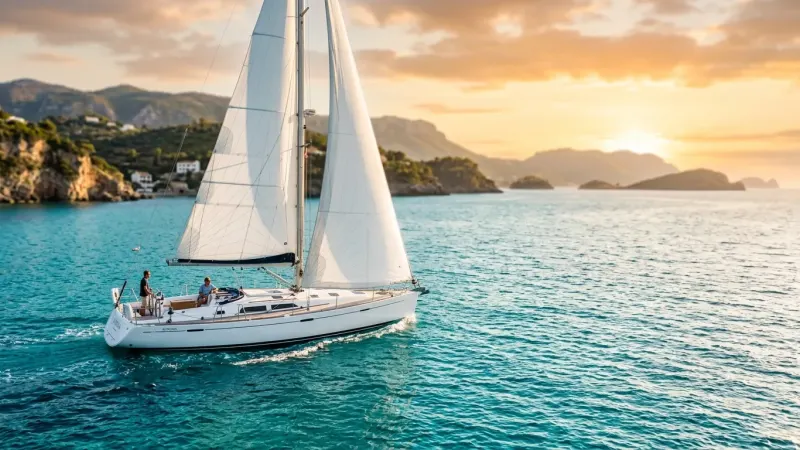
Ah, the allure of the open water, just you, your boat, and the horizon. For many, the dream of singlehanding – sailing a boat by yourself – is the ultimate expression of freedom and self-reliance. It’s a journey of personal growth, a dance with the elements, and an experience that truly connects you with the sea. As someone who’s spent decades helping fellow enthusiasts find their perfect vessel and embrace their boating dreams, I can tell you that singlehanding is not just possible, it’s immensely rewarding. But it requires preparation, practice, and the right approach.
Table Of Content
Why Sail Solo? The Freedom of the Open Water
The reasons sailors choose to singlehand are as varied as the boats they sail. For some, it’s the challenge of mastering every aspect of their vessel. For others, it’s the peace and solitude, a chance to truly disconnect. And for many, it’s simply a matter of circumstance – sometimes, the crew isn’t available, but the call of the water is too strong to resist!
Essential Boat Setup for the Solo Sailor
Before you untie those dock lines, ensuring your boat is optimized for solo operation is paramount. Think efficiency, safety, and ease of control.
- Autopilot or Wind Vane: This is your indispensable crew member. An autopilot (an electronic system that steers the boat to a set course) or a wind vane (a mechanical system that steers based on wind direction) frees you to handle sails, navigate, or simply make a cup of coffee. Brands like Raymarine and B&G offer excellent electronic autopilots.
- Lines Led Aft: The golden rule for singlehanders. All essential control lines – halyards, reefing lines, and most importantly, sheets – should be led back to the cockpit. This allows you to hoist, trim, and reef sails without leaving the safety of the cockpit.
- Roller Furling Systems: For both your genoa (the large foresail) and ideally your mainsail, roller furling (a system that allows you to roll sails around a stay or into the mast/boom) makes deploying and stowing sails incredibly easy and safe. No wrestling with big sails on deck!
- Self-Tailing Winches: These powerful mechanical devices greatly reduce the physical effort needed to trim sails or hoist halyards, especially useful when you don’t have extra hands.
- Safety Harness and Jacklines: Always wear a safety harness and tether to a jackline (strong webbing running along the deck) when moving outside the cockpit, especially at night or in rough weather. Falling overboard when singlehanding is a critical emergency.
- Reliable Engine: Your auxiliary engine (often an inboard diesel from brands like Yanmar or Volvo Penta) is crucial for docking, leaving anchorages, and emergency maneuvers. Ensure it’s meticulously maintained (engine service every 100-200 hours).
Boat Size and Type Considerations
While almost any sailboat can be singlehanded with enough preparation, some are naturally easier. A monohull (a traditional single-hull boat design) in the 25-40 ft cruiser category, like a Catalina 30, Hunter 33, or Beneteau Oceanis 35, often strikes the perfect balance between comfort and manageable size for solo sailors. Larger bluewater cruisers (40+ ft) like a Jeanneau Sun Odyssey 45 can also be singlehanded but require more robust systems and experience. A simple sloop rig (one mast, one mainsail, one foresail) is often the easiest to manage.
Mastering Solo Sailing Techniques
Practice makes perfect, and nowhere is this truer than in singlehanding.
- Docking and Undocking: This is often the most intimidating part.
- Preparation: Have fenders pre-set and dock lines ready.
- Strategy: Use wind and current to your advantage. Approach slowly.
- Spring Lines: Learn to use a midship spring line to pivot and control your boat for easy departure or arrival.
- Anchoring:
- Pre-Set Anchor: Have your anchor and chain ready to deploy.
- Chain Counter: An electronic chain counter in the cockpit is invaluable for knowing how much rode is out.
- Practice: Practice in calm conditions until it becomes second nature.
- Sail Handling:
- Reef Early: If in doubt, put a reef (reducing sail area) in your mainsail before the wind builds too much. It’s much harder to reef in a blow.
- Heave-to: Learn to heave-to (a technique to stop the boat in the water) to give yourself time to assess or address an issue without forward motion.
- Navigation & Watchkeeping: Rely on your electronics (chartplotter, AIS – Automatic Identification System for tracking other vessels), but always maintain visual watch. For longer passages, schedule short, frequent naps.
Safety First, Always!
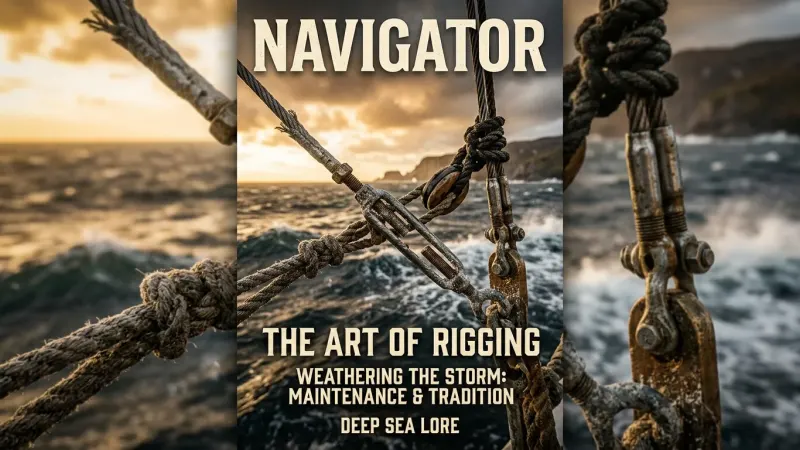
Your safety is your primary concern. Always wear a PFD (Personal Flotation Device), especially when on deck. Have an EPIRB (Emergency Position Indicating Radio Beacon) or PLB (Personal Locator Beacon) registered to you. Conduct regular maintenance: annual haul-out for bottom paint and hull inspection (fiberglass, aluminum, or wood hulls all need attention), and thorough checks of your rigging (standing and running) and sails (mainsail, genoa, spinnaker) before any solo trip. Corrosion prevention, especially with saltwater exposure, is vital for all metal components.
Building Your Confidence and Skills
Start small. Begin with day sails in familiar waters. Gradually extend your trips, practicing new techniques as you go. Take advanced sailing courses that focus on boat handling and emergency procedures. Confidence doesn’t come overnight; it’s built one successful passage at a time.
Your Solo Adventure Awaits
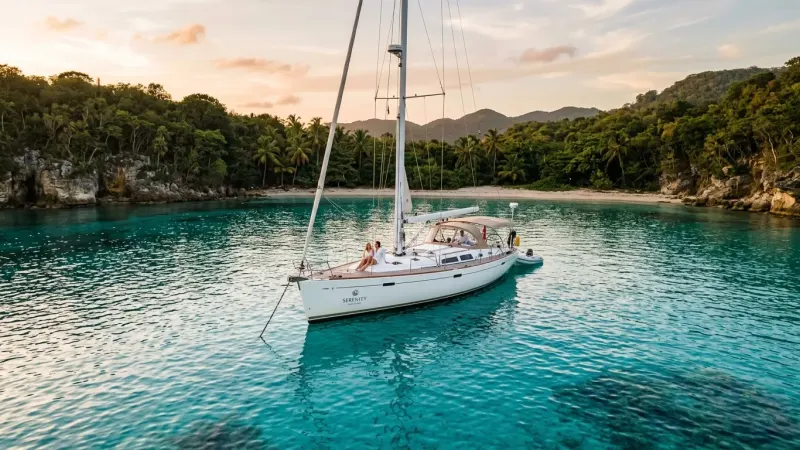
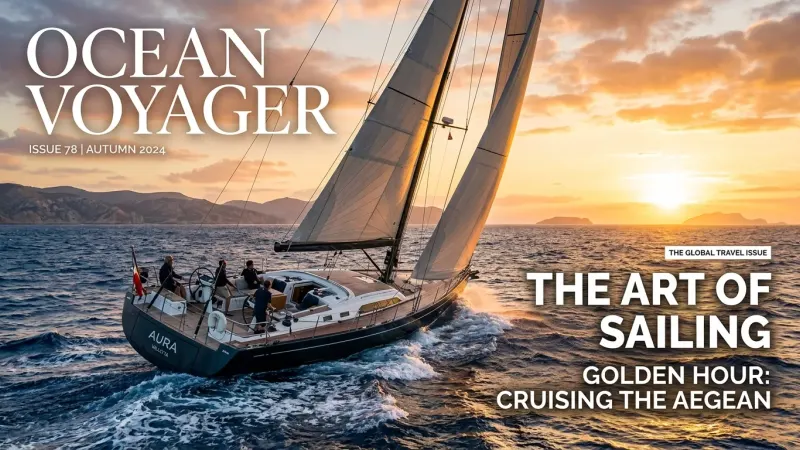
Singlehanding is more than just a skill; it’s a mindset. It’s about preparedness, self-reliance, and finding a deep connection with your vessel and the marine environment. It’s about those unforgettable sunsets from your cockpit, the thrill of the wind in your sails, and the immense satisfaction of knowing you did it all yourself. So, ready to cast off? The ocean is calling, and your solo adventure on Sail & Power & Boats & Motor Yachts is waiting to begin. Prepare well, stay safe, and embrace the extraordinary journey!