




Ah, the open water! The gentle hum of a powerful engine, the salty air, and the endless horizon – there’s nothing quite like the freedom a motor yacht offers. Whether you’re planning a weekend jaunt along the coast in your sporty Axopar 28 or embarking on a longer cruise aboard a spacious Beneteau Swift Trawler, your vessel is more than just transportation; it’s your gateway to incredible memories. But like any cherished possession, a motor yacht needs love, attention, and a consistent maintenance routine to keep those adventures smooth and worry-free. As a seasoned captain and broker, I’ve seen firsthand how a little preventative care goes a long way. Let’s dive into keeping your engine and systems shipshape!
Table Of Content
The Heart of Your Yacht: Engine Maintenance
Your engine is the beating heart of your motor yacht, whether it’s a robust inboard diesel from brands like Yanmar or Volvo Penta, or powerful outboard motors you might find on a Boston Whaler or Grady-White. Neglecting it is simply not an option. Here’s what you need to prioritize:
- Oil and Filter Changes: This is fundamental. Most manufacturers recommend changing your engine oil and oil filter every 100-200 hours of operation or annually, whichever comes first. Clean oil reduces friction and extends engine life.
- Fuel System TLC: Your fuel system is susceptible to contamination. Regularly replace your fuel filters (primary and secondary) to prevent water and particulates from reaching your engine. Consider a fuel polishing system if your yacht sits for extended periods, especially with modern diesel fuels.
- Cooling System Check: Your engine relies on a cooling system to prevent overheating. Inspect and replace your raw water impeller – a critical rubber component that pumps seawater through your engine – annually or every 200 hours. Check coolant levels in closed systems and ensure your heat exchanger is clean.
- Belts and Hoses: Inspect all engine belts for cracks or fraying and ensure proper tension. Check all hoses for leaks, bulges, or hardening. A burst hose far from shore is a headache you want to avoid!
- Exhaust System: Look for any signs of leaks or corrosion in the exhaust manifold and risers. These are often forgotten but critical for safe engine operation.
Propulsion & Running Gear
Beyond the engine itself, consider your propulsion system:
- Propeller & Shaft: During your annual haul-out (when the boat is taken out of the water), inspect your propeller for dings or bends and ensure your shaft is straight and free of corrosion. For vessels with saildrives (a leg-like propulsion unit connecting the engine to the propeller), check the rubber diaphragm and seals.
- Zinc Anodes: These sacrificial metals (often called “zincs”) protect underwater metal components from galvanic corrosion. Replace them annually during your haul-out.
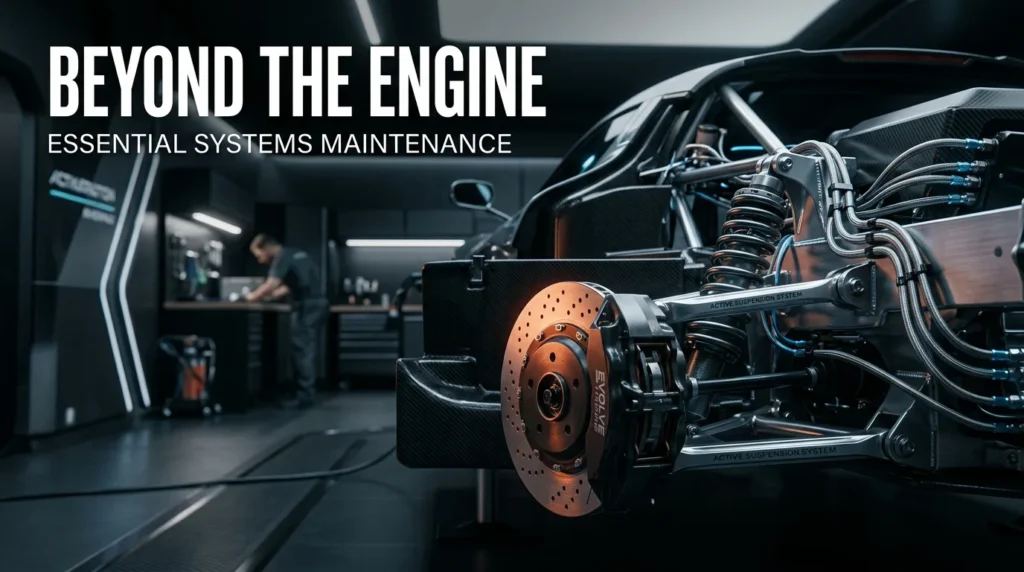
Beyond the Engine: Essential Systems Maintenance
A motor yacht is a complex machine with many interconnected systems. Keeping them all in top shape ensures safety and comfort.
Electrical Systems
- Battery Health: Regularly check battery fluid levels (if applicable), clean terminals, and ensure secure connections. Test your battery charge and overall health, especially before extended trips.
- Wiring & Connections: Inspect wiring for chafing, corrosion, or loose connections. Secure all wires properly.
Plumbing & Sanitation
- Seacocks: These are valves that control water flow through hull fittings. Exercise (open and close) all seacocks regularly to ensure they don’t seize up.
- Pumps: Test your bilge pumps – essential for removing water from the hull – and ensure float switches work. Check your fresh water and sanitation pumps for proper function and leaks.
- Hoses: Inspect all plumbing hoses for leaks, cracks, or signs of deterioration.
Steering & Controls
- Hydraulic Steering: Check fluid levels and look for leaks. Bleed the system if necessary to remove air bubbles.
- Cables & Linkages: For cable-based steering and throttle controls, ensure cables are free of corrosion and operate smoothly. Lubricate as needed.
Your Maintenance Schedule: A Roadmap to Reliability
Creating a maintenance schedule is your best defense against unexpected issues. Here’s a general guide:
- Pre-Trip/Daily Checks:
- Visually inspect the engine compartment for leaks (oil, fuel, coolant).
- Check bilge for standing water.
- Verify fluid levels (oil, coolant, power steering).
- Test bilge pumps.
- Monthly/Quarterly Checks:
- Exercise all seacocks.
- Check battery charge and terminals.
- Inspect shore power cords for damage.
- Annual Service (Typically during haul-out):
- Professional engine service (oil, filters, impeller, belt checks).
- Hull inspection and cleaning.
- Bottom paint application (anti-fouling paint to prevent marine growth).
- Replacement of all zinc anodes.
- Inspection of propeller, shaft, and rudder.
- Check steering and control systems.
- Inspect through-hull fittings and hoses.
- Test all safety equipment (fire extinguishers, flares, life jackets).
- Winterizing (for colder climates):
- Drain or flush engine cooling systems with antifreeze.
- Treat fuel.
- Drain water tanks and plumbing, adding non-toxic antifreeze.
- Remove batteries for storage or ensure they are trickle-charged.
Your Next Steps for Shipshape Adventures
Maintaining a motor yacht, whether it’s a sleek planing hull like an Axopar 28 or a displacement hull cruiser, is an ongoing commitment, but it’s one that pays dividends in safety, reliability, and pure enjoyment. Don’t be intimidated! Here’s how to move forward:
- Read Your Manuals: Your yacht’s and engine’s owner’s manuals are goldmines of specific maintenance information.
- Keep a Logbook: Document all maintenance performed, including dates and hours. This helps track schedules and adds value if you ever sell.
- Build a Relationship with a Marine Mechanic: A trusted professional can handle complex tasks and offer invaluable advice.
- Learn Basic troubleshooting: Knowing how to change a fuel filter or impeller yourself can save a trip.
At boatandsailboat.com, we believe your time on the water should be about making memories, not fixing problems. By following these essential maintenance tips, you’re not just taking care of a machine; you’re preserving your freedom, safeguarding your adventures, and ensuring countless sunsets on the horizon. Happy boating!