Your First Boat: Choose, Buy & Enjoy Your Dream Vessel
Your First Boat: The Start of an Unforgettable Journey
There’s a unique magic that comes with boat ownership. It’s the promise of freedom, the thrill of adventure, and the serene escape from the everyday. As someone who’s spent decades helping fellow enthusiasts find their perfect vessel, I can tell you that buying your first boat is more than a transaction – it’s the beginning of a lifelong love affair with the water. Welcome aboard, future captain! At boatandsailboat.com, we’re here to guide you every step of the way.
Table Of Content
- Your First Boat: The Start of an Unforgettable Journey
- 1. What Kind of Boater Are You? Defining Your Dream
- 2. Power or Sail? Understanding the Vessel
- Power Boats: Speed, Space, and Convenience
- Sailboats: The Thrill of the Wind
- 3. Budgeting for Your Dream: Beyond the Purchase Price
- 4. The Buying Process: New or Used?
- Inspecting Your Potential Vessel: Don’t Skip This!
- 5. Enjoying Your Vessel: Maintenance & Skills
- Essential Maintenance Schedule
- Raise Your Boating Skills
- Your Adventure Awaits!
1. What Kind of Boater Are You? Defining Your Dream
Before you even think about models, let’s talk about what you want to do with your boat. This is the single most important question. Are you:
- The Day Dreamer? Looking for short, relaxing trips, perhaps a few hours on a lake or coastal waters? A small day sailer (under 25 ft) like a classic Catalina 22 or a nimble center console powerboat (like a Boston Whaler 170 Montauk) might be perfect.
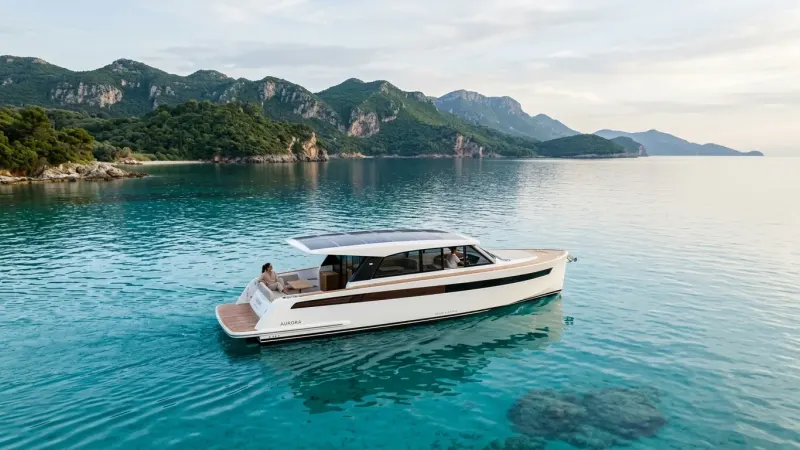
- The Weekend Wanderer? Planning overnight stays, exploring local coves, or fishing with friends and family? A coastal cruiser (25-40 ft) fits the bill. Think popular models like a Beneteau Oceanis 31 or a Grady-White 251 CE Coastal Explorer. These offer more amenities and comfort.
- The Adventurous Explorer? Dreaming of longer voyages, perhaps even crossing oceans? A bluewater cruiser (40+ ft) designed for serious offshore passages, like a robust Lagoon catamaran or a sturdy monohull such as a Jeanneau Sun Odyssey 440, will be your companion.
- The Fishing Fanatic? Your primary goal is to chase the big one? Look at dedicated sportfishing boats, from nimble center consoles to larger offshore battlewagons.
2. Power or Sail? Understanding the Vessel
This is the classic fork in the road. Both offer incredible experiences!
Power Boats: Speed, Space, and Convenience
- Hull Types: Most powerboats feature planing hulls – designed to rise up and skim across the water at higher speeds, offering a thrilling ride. Construction is typically fiberglass for its durability and ease of maintenance, though aluminum is common for fishing boats due to its strength and lighter weight.
- Engine & Propulsion:
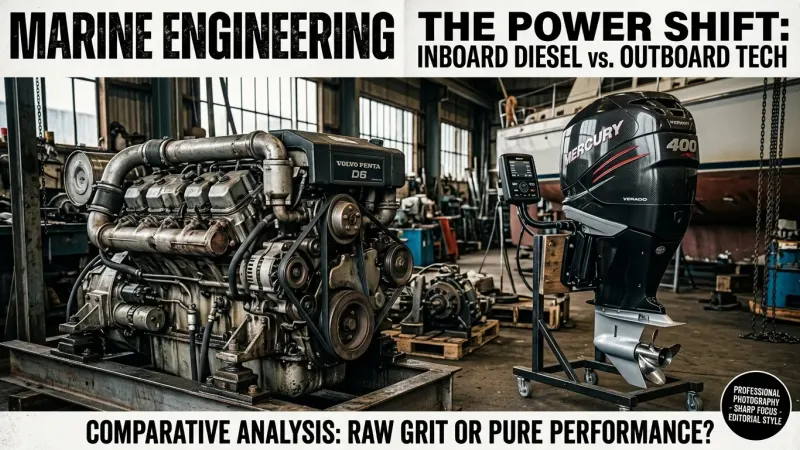
- Outboards are popular for smaller to mid-sized boats (like an Axopar 28), mounted on the transom, easy to service, and offer great maneuverability.
- Inboard diesels (common brands: Yanmar, Volvo Penta) are found in larger cruisers and yachts, known for their fuel efficiency and longevity.
- Sterndrives combine aspects of both, offering good performance and shallow water capability.
Sailboats: The Thrill of the Wind
- Hull Types: Sailboats primarily use displacement hulls – they move through the water rather than over it, designed for stability, efficiency, and comfort on longer journeys. Like powerboats, fiberglass is the dominant construction material, but you’ll also find classic wood boats (think Herreshoff designs) or modern carbon fiber for high-performance racers.
- Rigging & Sail Types:
- The most common rig is the sloop – featuring one mast and two sails: a mainsail (on the mast) and a genoa (a large foresail).
- Other rigs include the ketch (two masts, main and mizzen) or cutter (one mast, two foresails), offering more sail plan flexibility.
- The modern Bermuda rig (triangular sails) is standard, offering efficiency and ease of handling.
- For downwind speed, a colorful spinnaker is often used.
3. Budgeting for Your Dream: Beyond the Purchase Price
The sticker price is just the first splash! Factor in:
- Insurance: Essential protection.
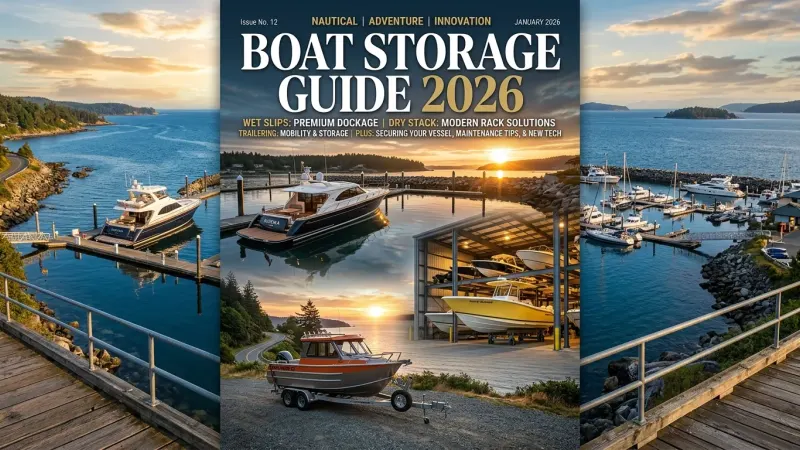
- Dockage/Storage: Marina fees, dry stack, or trailering costs.
- Fuel: Especially for powerboats, this can add up.
- Maintenance & Repairs: This is ongoing.
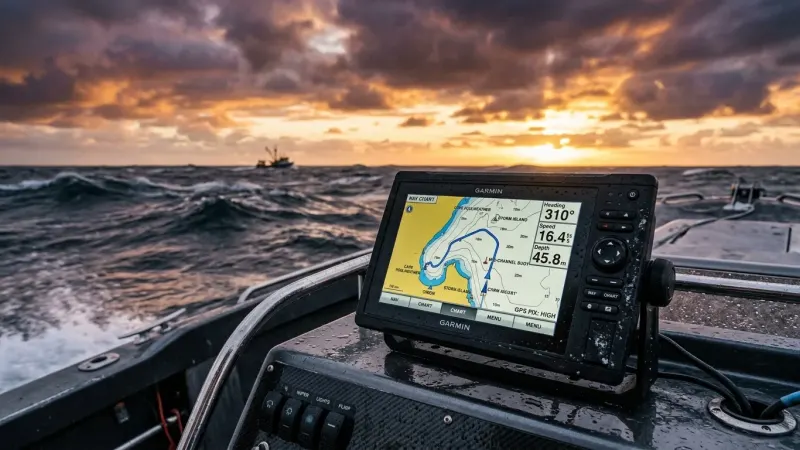
- Equipment: Safety gear, electronics, upgrades.
- Winterizing: If you live in a colder climate, preparing your boat for winter is crucial to prevent damage.
4. The Buying Process: New or Used?
Both have merits. A new boat offers warranties, customization, and the latest tech. A used boat (like a well-maintained Hunter 33 or a reliable Catalina 30) can be a fantastic value, allowing you to get more boat for your budget.
Inspecting Your Potential Vessel: Don’t Skip This!
Whether new or used, a thorough inspection is paramount.
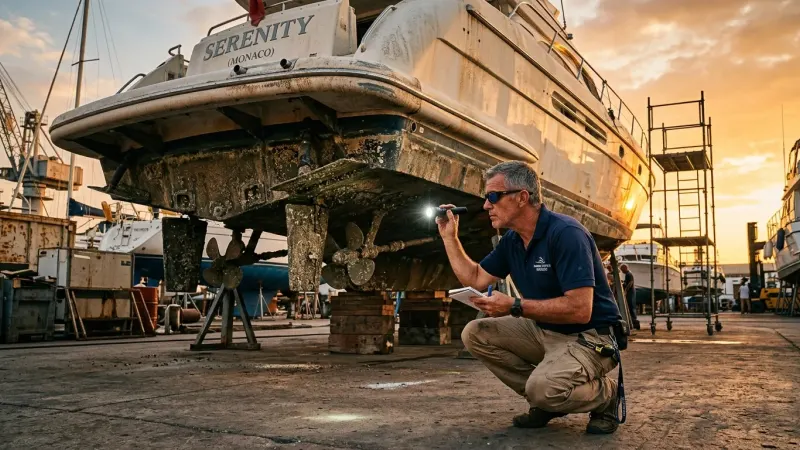
- Professional Marine Survey: Always hire an independent, certified marine surveyor. They’ll meticulously inspect the hull (for delamination or impact damage), deck, rigging, systems, and overall structural integrity.
- Engine Inspection: For powerboats, have a qualified marine mechanic check the engine(s) for compression, fluid analysis, and overall health. For sailboats, the auxiliary diesel engine (Yanmar, Volvo Penta) needs the same scrutiny.
- Sea Trial: Take the boat out for a spin! Test all systems, engine performance, and handling.
- Check Documentation: Ensure all titles, registrations, and maintenance records are clear and complete.
5. Enjoying Your Vessel: Maintenance & Skills
Ownership is a journey of continuous learning and care.
Essential Maintenance Schedule:
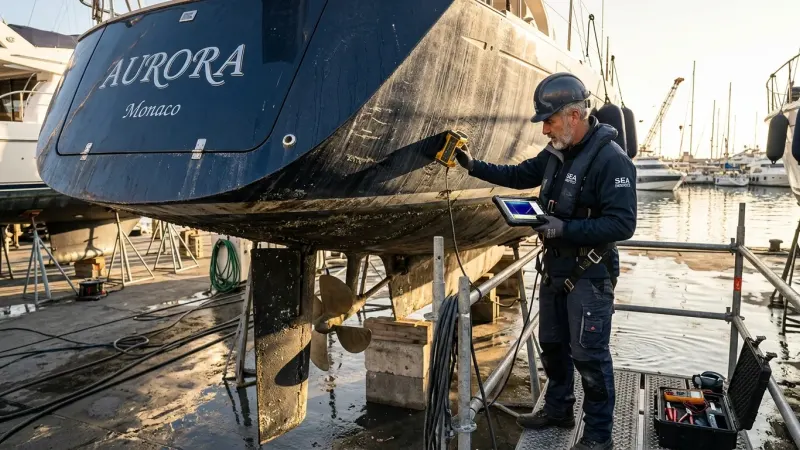
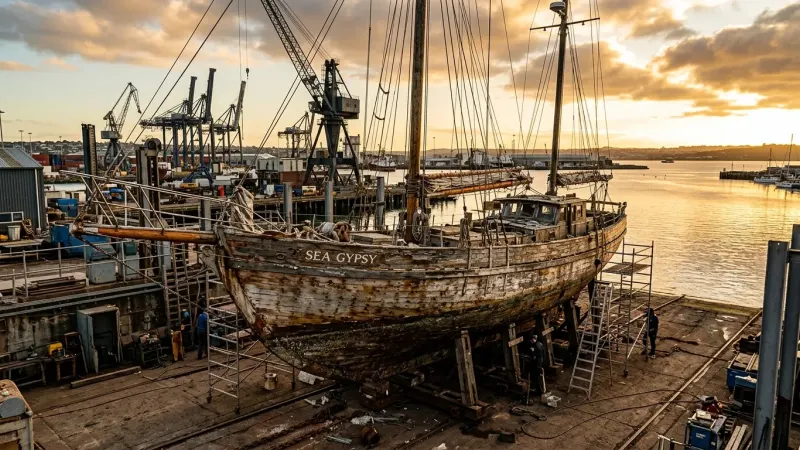
- Annual Haul-Out: Every 1-2 years, pull your boat out of the water for a fresh coat of bottom paint (anti-fouling paint to prevent marine growth), hull inspection, and zinc anode replacement (for corrosion prevention).
- Engine Service: Follow manufacturer recommendations, typically every 100-200 hours or annually, including oil changes, filter replacements, and impeller checks.
- Sail Care: Inspect sails regularly for tears or chafe. Wash, dry, and store them properly during the off-season to prolong their life.
- Corrosion Prevention: Especially critical in saltwater. Regularly inspect and replace sacrificial anodes (zincs) on your hull, prop, and engine. Flush engines with fresh water after saltwater use.
Raise Your Boating Skills:
Invest in yourself! Take boating safety courses (like those offered by the US Coast Guard Auxiliary or Power Squadrons), learn navigation, practice docking, and understand basic engine checks. Confidence on the water comes with knowledge and experience.
Your Adventure Awaits!
Choosing and buying your first boat is an exhilarating experience. It’s about finding the vessel that aligns with your dreams – whether it’s a nimble day sailer for coastal escapes or a robust cruiser for epic adventures. Remember, a boat isn’t just a possession; it’s a gateway to sunsets on the horizon, the thrill of wind in your sails, and a lifetime of stories waiting to be written. Welcome to the boating family. We can’t wait to hear about your adventures!