Luxury Yacht Ownership Costs: Beyond the Purchase Price
The True Cost of Paradise: Understanding Luxury Yacht Ownership Beyond the Purchase Price
Ah, the allure of a luxury yacht! The sparkling water, the sun on your face, the freedom of the open sea, and those unforgettable sunsets. For many of us at boatandsailboat.com, it’s the ultimate dream. Whether you’re eyeing a sleek motor yacht like an Azimut or Sunseeker, or a sophisticated sailing catamaran from Lagoon, the thought of casting off lines and embarking on your own adventures is intoxicating.
Table Of Content
As a seasoned captain and broker, I’ve had the immense pleasure of helping countless dreamers find their perfect vessel. But there’s a conversation we always have, one that’s crucial for anyone considering stepping into yacht ownership: the purchase price is just the beginning. Understanding the ongoing costs is key to truly enjoying your investment and avoiding unpleasant surprises down the line. Let’s dive into the real expenses that come with owning a slice of maritime heaven.
The Big Picture: Why Ongoing Costs Matter
Think of your yacht not just as a vessel, but as a floating home, an intricate machine, and a cherished possession. Each aspect requires care, maintenance, and protection. For a luxury yacht – typically anything from a 40-foot cruiser (like a Beneteau Oceanis 46.1 or Jeanneau Sun Odyssey 490) up to larger 80+ foot bluewater yachts – these costs escalate significantly with size and complexity.
Key Categories of Ongoing Yacht Ownership Costs
- Dockage & Storage: Your Yacht’s Address
This is often the first major expense after buying. Marina berths, especially in prime locations, can be costly. Fees vary wildly by geographic location (think Mediterranean vs. Caribbean vs. US coasts), yacht length, and the amenities offered. A 50-foot yacht could easily incur dockage fees ranging from a few hundred to several thousand dollars per month. Don’t forget winter storage if you’re in colder climates – either in a heated shed or securely shrink-wrapped for the off-season. - Insurance: Peace of Mind on the Water
Just like your home or car, comprehensive marine insurance is non-negotiable. It covers damage, liability, and sometimes even salvage. Factors influencing your premium include the yacht’s value, type (sailing yacht vs. motor yacht), cruising grounds, your boating experience, and the deductible. Expect annual premiums to be 1-2% of your yacht’s insured value, potentially more for larger or older vessels. - Maintenance & Repairs: The Heart of Ownership
This is where many new owners are surprised. A yacht, regardless of its fiberglass displacement hull or modern carbon fiber planing hull, is a complex machine exposed to harsh marine environments.- Hull Care: An annual haul-out (lifting the boat out of the water) is essential for inspection and bottom paint (anti-fouling) application. This paint prevents marine growth like barnacles from slowing you down and damaging the hull. Regular waxing and polishing keep the gelcoat pristine, preventing UV damage.
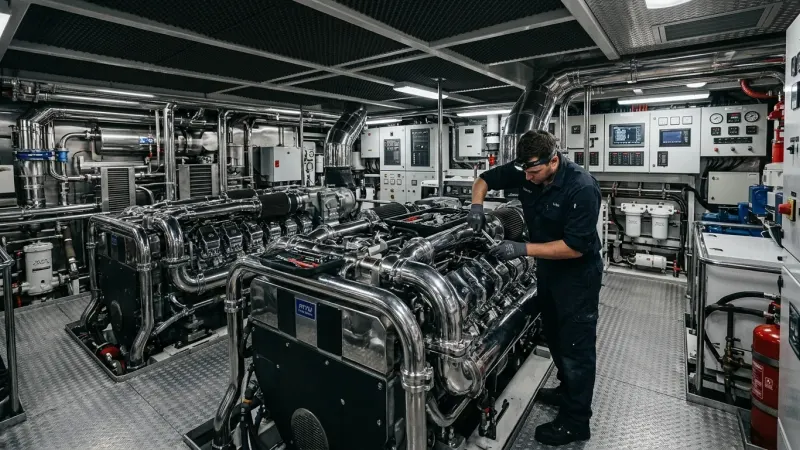
- Engine & Propulsion: Your inboard diesel engines (common brands like Yanmar, Volvo Penta, Caterpillar) require diligent servicing. Plan for engine service every 100-200 hours or annually, including oil changes, filter replacements, and impeller checks. Saildrives (where the engine is connected directly to the propeller shaft through the hull) need specific maintenance, including gaiter replacement every 7-10 years. Don’t forget generators, thrusters, and tender outboards!
- Systems: Plumbing (freshwater, blackwater), electrical systems, air conditioning, navigation electronics, and safety gear all need regular checks and occasional repairs.
- Rigging & Sails (for sailing yachts): If you have a sloop (single mast, main and fore-and-aft sails like a mainsail and genoa) or ketch rig, your sails and standing/running rigging (wires and ropes supporting the mast) need inspection, cleaning, repair, and eventual replacement. Sail care and storage are crucial for longevity.
- Corrosion Prevention: Especially critical in saltwater. Anodes (sacrificial zincs) need regular inspection and replacement.
- Fuel & Provisions: Keeping Her Running and You Fed
The cost of fuel can be substantial, especially for larger motor yachts with powerful engines. A day trip or a week-long cruise can easily consume thousands of dollars in diesel. Then there are provisions – food, drinks, and supplies for you and your guests. - Crew (for larger yachts): Your Professional Team
For yachts typically over 60-70 feet, a professional crew (captain, chef, deckhands, engineers) becomes a necessity. This is a significant annual expense covering salaries, benefits, and crew provisions. - Upgrades & Customization: The Endless Wish List
There’s always something new – a better navigation system, a more comfortable tender, new upholstery, or a fresh coat of varnish. Personalizing your yacht is part of the joy, but it adds to the budget. - Registration, Taxes & Fees:
Annual registration fees, local cruising permits, and potentially sales or use taxes (depending on where and how you bought the yacht) are recurring administrative costs.
Actionable Advice for Smart Yacht Ownership
So, how do you manage these costs without letting them overshadow the joy of ownership? Here’s my advice:
- Budget Realistically: A common rule of thumb is to allocate 10-15% of the yacht’s purchase price annually for ongoing operating and maintenance costs. For a $1 million yacht, that’s $100,000-$150,000 a year!
- Get a Comprehensive Pre-Purchase Survey: Before you buy, invest in a thorough marine survey. This inspection by a qualified professional will uncover potential issues that could lead to costly repairs later. It’s the best money you’ll ever spend.
- Prioritize Preventative Maintenance: Stick to recommended schedules for engine services, hull cleaning, and general checks. Addressing small issues early prevents them from becoming major, expensive problems.
- Learn Basic DIY: Knowing how to perform simple tasks like fluid checks, filter changes, or basic cleaning can save labor costs. Consider taking courses to raise your boating skills and confidence.
- Build a Contingency Fund: Unexpected repairs happen. Have a dedicated fund for those unforeseen expenses.
- Consider Chartering: If you don’t use your yacht full-time, placing it in a reputable charter fleet can help offset a significant portion of your operating costs. Companies managing Lagoon catamarans or Beneteau Oceanis models often have charter programs.
Your Journey Begins With Knowledge
Owning a luxury yacht is an unparalleled experience – a gateway to adventure, family memories, and breathtaking moments that truly define freedom. It’s more than just a vessel; it’s a lifestyle. By understanding and planning for the financial realities beyond the initial purchase, you’ll be well-equipped to keep your vessel safe, reliable, and beautiful for years to come.
Ready to embark on your yacht ownership journey? Arm yourself with this knowledge, find a trusted broker (like myself!), and prepare for a lifetime of stories waiting to be written on the water. The horizon is calling!