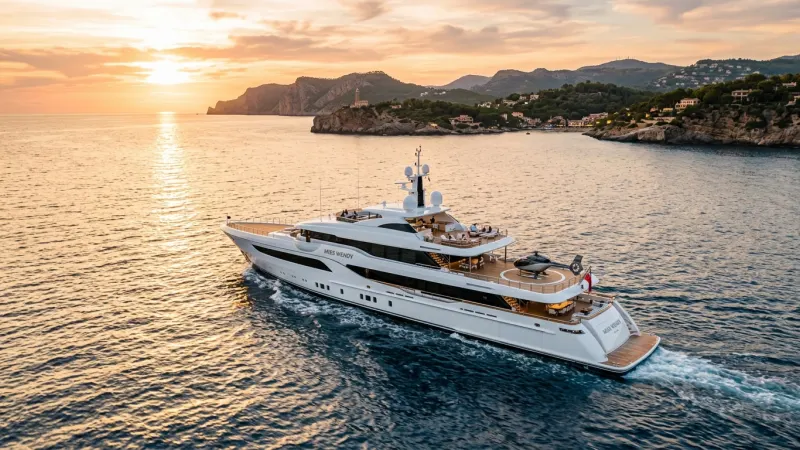
Trawler Yachts: Your Ultimate Guide to Long-Range Cruising & Comfort
Ah, the open water! For decades, I’ve had the privilege of helping countless dreamers find their perfect vessel, and few boats stir the soul quite like a trawler yacht. If you envision endless horizons, comfortable living, and the gentle rhythm of the sea, a trawler might just be your soulmate on the water. At boatandsailboat.com, we often talk about boats that embody freedom, and trawlers deliver it in spades – not with speed, but with steady, reliable grace.
Table Of Content
What Exactly is a Trawler Yacht?
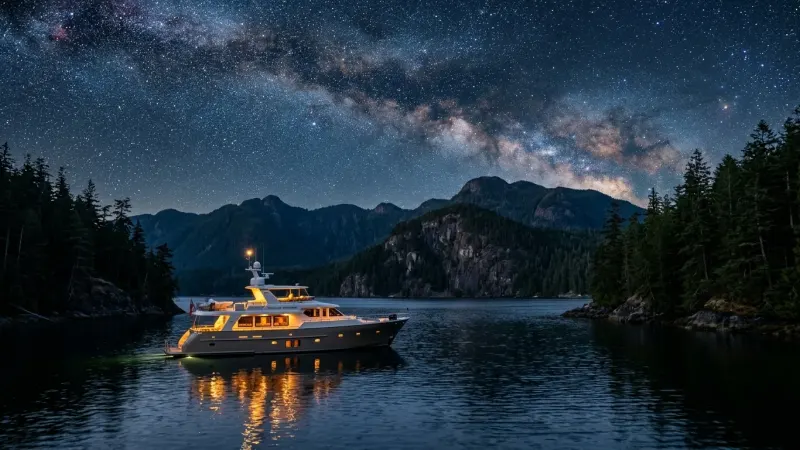
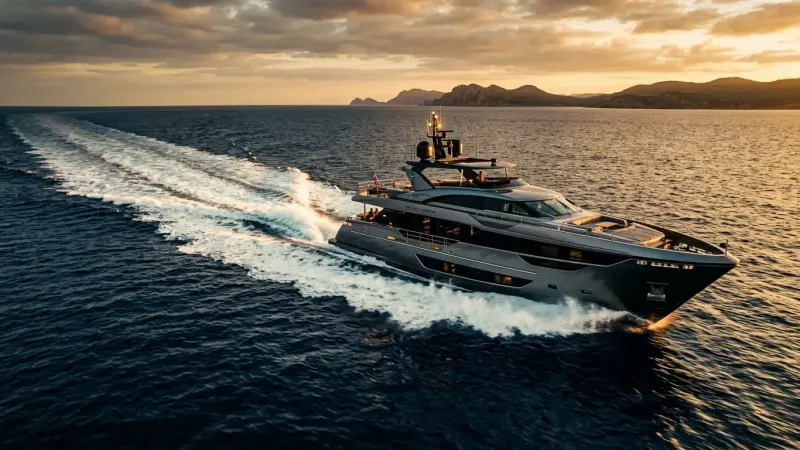
Imagine a vessel built for journeys, not just destinations. That’s a trawler. Unlike fast planing hulls that skim across the water, trawler yachts are designed around a displacement hull – a traditional, round-bottomed hull that pushes through the water, rather than on top of it. This design prioritizes stability, efficiency, and range over raw speed. Think of it as the marine equivalent of a comfortable, long-distance touring car rather than a sports car.
Their roots are in commercial fishing trawlers, renowned for their seaworthiness and ability to stay offshore for extended periods. Modern trawler yachts have evolved into luxurious, capable cruisers perfect for extended coastal exploration or even true bluewater voyages.
The Trawler Advantage: Why They Shine
- Unmatched Fuel Efficiency: Because they move through the water, not over it, trawlers operate at lower speeds (typically 7-10 knots) with significantly less fuel consumption than their planing counterparts. This means more miles per gallon and longer ranges between fuel stops.
- Exceptional Stability and Comfort: The deep, heavy displacement hull and often a full keel (a long, deep fin running along the bottom of the hull) provide incredible stability, making passages more comfortable for everyone aboard. Many larger trawlers also incorporate active stabilizers to further reduce roll.
- Long-Range Capability: Large fuel tanks are standard, often allowing for non-stop voyages of thousands of nautical miles. This opens up possibilities for extensive cruising, exploring remote areas, or even crossing oceans.
- Spacious Interiors: The hull design typically allows for voluminous interiors, offering more living space, storage, and amenities than similarly sized planing boats. Perfect for liveaboards or extended family trips.
Hull, Construction, & Propulsion Basics
Most modern trawlers are built with fiberglass for its durability and ease of maintenance. For serious expedition or ice-class vessels, you might find steel or aluminum construction. As powerboats, trawlers don’t rely on complex sail rigs like a sloop or ketch with mainsails or genoas. Instead, their power comes from robust inboard diesel engines. Brands like Yanmar, Volvo Penta, Cummins, or John Deere are common, known for their reliability and fuel efficiency at lower RPMs. Most employ shaft drive propulsion, with a propeller directly connected to the engine via a shaft. Many also feature bow and stern thrusters for easier maneuvering in tight marinas.
Finding Your Perfect Trawler: Size & Style
Trawlers come in a wide range, each suited to different adventures:
- Coastal Cruisers (under 40 ft): Ideal for weekend trips, extended holidays along the coast, or exploring inland waterways. Models like the Ranger Tugs (often under 30 ft), smaller Grand Banks like the 36 Classic, or Beneteau Swift Trawler 30/35 are fantastic examples. They offer comfort and efficiency for exploring your local cruising grounds.
- Long-Range Cruisers (40-60 ft): These are designed for more serious voyaging, often with features for liveaboard comfort and longer passages. Think Nordhavn 47/55, Kadey-Krogen 48, or larger Grand Banks models. Perfect for island hopping in the Caribbean or exploring the Alaskan wilderness.
- Expedition Yachts (60+ ft): True bluewater vessels built for global exploration, often with heavy-duty construction, redundant systems, and extended ranges. Nordhavn 60/68 are prime examples, capable of crossing any ocean.
Essential Trawler Maintenance for the Long Haul
To keep your trawler running reliably and beautifully for years, a consistent maintenance schedule is key:
- Annual Haul-Out: Essential for inspecting the hull, cleaning and applying bottom paint (anti-fouling paint to prevent marine growth), inspecting the propeller and shaft, and replacing zincs (sacrificial anodes crucial for corrosion prevention).
- Engine Service: Follow manufacturer recommendations, typically every 100-200 hours or annually. This includes oil and filter changes, fuel filter replacements, checking belts, hoses, and cooling systems. Reliable engines are paramount for long-distance cruising.
- Winterizing (if applicable): Protect your engines, plumbing, and freshwater systems from freezing if you live in a cold climate. This involves flushing systems with antifreeze and draining water.
- Systems Checks: Regularly inspect electrical, plumbing, navigation, and steering systems. Lubricate moving parts and clean through-hulls.
- Exterior Care: Wash and wax regularly to protect the gelcoat. Inspect windows, hatches, and deck fittings for leaks or wear.
Your Next Adventure Awaits
Choosing a trawler is choosing a lifestyle – one of deliberate speed, deep comfort, and boundless exploration. Whether you dream of a weekend escape on a Beneteau Swift Trawler or circumnavigating the globe in a Nordhavn, the possibilities are as vast as the ocean itself.
Ready to take the plunge? My best advice is to:
- Determine your cruising style and preferred range.
- Research models that fit your criteria, like the classic Grand Banks or the robust Kadey-Krogen.
- Visit boat shows and talk to owners – they are a wealth of knowledge!
- When you find a contender, always invest in a thorough marine survey by a qualified professional. It’s the best way to ensure your dream boat doesn’t become a nightmare.
A trawler yacht isn’t just a boat; it’s a floating home, a passport to adventure, and a vessel for creating lifelong memories. Get out there, feel the sun on your face, and let the gentle hum of the diesel carry you to your next horizon!