


The allure of the water is undeniable. For many, the dream of owning a boat sparks a deep desire for exploration, tranquility, and connection with the marine environment. While the vision of sun-drenched days and open horizons is compelling, transforming that dream into a sustainable reality requires a thoughtful, strategic approach. As someone who has spent decades immersed in the boating world, from the keel up, I’ve seen countless first-time owners navigate these exciting yet sometimes challenging waters. My goal at boatandsailboat.com is to equip you with the knowledge to make your initial vessel not just a purchase, but a successful entry into a lifelong passion.
Table Of Content
- Setting the Compass: Beyond the Initial Spark
- Understanding Your Boating Aptitude and Time Commitment
- The Imperative of Early Education and Mentorship
- The Vessel Spectrum: Matching Capability to Your Learning Curve
- Small, Manageable Powerboats for Learning
- Entry-Level Sailboats for the Aspiring Mariner
- Navigating the Purchase: Due Diligence and Smart Acquisition
- The Indispensable Role of a Marine Surveyor
- Understanding Financing, Insurance, and Documentation
- The True Cost of the Tide: Sustaining Your Boating Life
- Beyond the Sticker Price: Annual Operational Costs
- Maintenance, Repairs, and Upgrades
- Mastering Your Craft: Enjoying the Journey and Growing as a Boater
- The Practice of Proficiency: From Docking to Navigation
- Building Community and Responsible Stewardship
This isn’t just about picking a boat; it’s about building a foundation for responsible, enjoyable, and affordable boating. We’ll move beyond the initial excitement to explore the critical steps that ensure your first boat is a source of joy, not unexpected headaches. Let’s chart a course that emphasizes education, practicality, and foresight.
Setting the Compass: Beyond the Initial Spark
Before you even glance at a boat listing, the most crucial step is a deep, honest self-assessment. The romantic ideal of boat ownership often overshadows the practical realities. Understanding your own capabilities, limitations, and lifestyle commitments will save you considerable time, money, and potential frustration down the line.
Understanding Your Boating Aptitude and Time Commitment
Ask yourself: What is my mechanical inclination? Do I enjoy tinkering, or do I prefer to delegate all maintenance? Boats, regardless of size, require attention. Furthermore, how much time can you realistically dedicate? A boat isn’t a static possession; it demands time for preparation, actual use, cleaning, and maintenance. If your schedule is already packed, a complex vessel might quickly become a burden rather than a pleasure.
- Mechanical Aptitude: Basic understanding of engines, electrical systems, and plumbing is invaluable. If this is foreign territory, factor in professional assistance costs.
- Time Allocation: Consider not just sailing/cruising time, but also travel to the boat, launching/retrieving, cleaning, and routine checks.
- Storage and Access: Where will the boat live? Trailer storage, a dry stack, or a wet slip all come with different costs, access considerations, and maintenance implications. Proximity to your home and desired waterways is key.
The Imperative of Early Education and Mentorship
One of the biggest mistakes a first-time owner can make is to buy a boat before gaining basic operational and safety knowledge. Formal training is non-negotiable. Organizations like the United States Power Squadrons (USPS) or the American Sailing Association (ASA) offer comprehensive courses that cover everything from navigation and docking to emergency procedures and boat systems. Many local marinas also offer introductory courses. Beyond formal training, seek out experienced boaters. Join local yacht clubs, attend boating seminars, or volunteer to crew on someone else’s vessel. The insights gained from seasoned mariners are priceless and often highlight aspects you hadn’t considered.
Consider hands-on experiences before committing. Rent different types of boats, charter a vessel for a weekend, or even take a captained tour. These “test drives” can reveal preferences and practicalities that no brochure ever could, helping you confirm if a particular style of boating truly resonates with your expectations.
The Vessel Spectrum: Matching Capability to Your Learning Curve
Once you have a clearer understanding of your commitment and educational needs, it’s time to consider the types of vessels that align with a beginner’s journey. Our focus here is on manageability, simplicity, and opportunities for skill development, rather than maximum luxury or performance.
Small, Manageable Powerboats for Learning
For many, a smaller powerboat offers a forgiving entry point. These boats are generally easier to handle, trailer, and maintain, making them ideal for developing fundamental skills like docking, navigation, and understanding marine weather. Examples include:
- Simple Aluminum Skiffs (14-18 ft): Extremely robust, low maintenance, and perfect for fishing or exploring calm inland waters. Brands like Lund or Crestliner offer durable, no-frills options. Their lightweight nature makes trailering and launching straightforward.
- Modest Deck Boats or Bowriders (17-22 ft): Designed for versatility, these provide ample seating and are great for day cruising, watersports, and family outings on lakes or sheltered bays. Look for models from manufacturers like Four Winns or Glastron, which often prioritize user-friendliness and stable platforms.
- Center Console Utility Boats (18-24 ft): While often associated with fishing, many smaller center consoles (e.g., a Key West 1720 or a Robalo R180) are excellent all-around utility boats. Their open layout simplifies movement and their outboard engines are generally easy to access for basic checks. They offer a good balance of capability and simplicity for coastal exploration.
Key considerations for powerboats include the engine type (outboards are often simplest for beginners), the trailerability (can you launch and retrieve yourself?), and the complexity of the onboard systems. Start simple, allowing yourself to master the basics before upgrading to more intricate vessels.
Entry-Level Sailboats for the Aspiring Mariner
For those drawn to the wind, sailing offers a unique connection to the elements. Starting with a smaller, forgiving sailboat is paramount for learning the nuances of sail trim, wind dynamics, and basic navigation without being overwhelmed. Don’t jump into a complex cruising yacht.
- Day Sailing Dinghies (8-16 ft): Vessels like a Sunfish, Laser, or a small Rhodes 19 are exceptional teachers. They are highly responsive, provide immediate feedback on sail trim, and can be easily righted if capsized (in the case of dinghies). They instill fundamental sailing principles in a low-stakes environment.
- Trailerable Pocket Cruisers (20-25 ft): These offer a small cabin for basic overnighting and are generally stable and forgiving under sail. Classic examples include models from O’Day (e.g., O’Day 22/23) or a Catalina 25. Their smaller size makes them less intimidating to dock and maintain, and the ability to trailer them can significantly reduce dockage costs.
- Fixed Keel Sloops (20-28 ft): Slightly larger, these offer more stability and can handle a bit more chop. They are still manageable for a single or double-handed crew but provide a more substantial feel. Think about a Pearson Commander or an older Tartan 27. Their robust construction and simple rigs make them good learning platforms for coastal cruising.
When selecting a sailboat, prioritize a simple sloop rig (one mast, one mainsail, one headsail) and robust, easily accessible deck hardware. Avoid complex multi-hulls or boats with extensive control lines until you’ve mastered the fundamentals of wind and water.
Navigating the Purchase: Due Diligence and Smart Acquisition
Once you’ve identified a general type of boat, the actual acquisition phase demands meticulous attention to detail. This isn’t just a transaction; it’s an investment in a lifestyle, and protecting that investment through thorough due diligence is critical.
The Indispensable Role of a Marine Surveyor
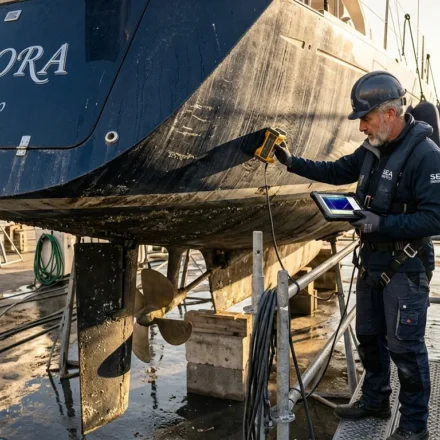
Never, under any circumstances, buy a used boat without a professional marine survey. A qualified surveyor will conduct a comprehensive inspection of the hull, deck, rigging, engine, electrical systems, plumbing, and safety equipment. They are your independent expert, identifying latent defects, structural issues, and potential safety hazards that an untrained eye would miss. The survey report provides a detailed assessment of the vessel’s condition, often including a fair market valuation. This report is also invaluable for insurance purposes and can serve as a powerful negotiation tool for any identified deficiencies.
A sea trial is the crucial complement to the survey. This is your opportunity to operate the boat in its intended environment, testing the engine under load, checking steering and controls, and assessing its handling characteristics. Ensure all systems (navigation, bilge pumps, head, galley appliances) are tested during the sea trial.
Understanding Financing, Insurance, and Documentation
Financing: While some smaller boats can be purchased outright, marine loans are common for larger vessels. Marine lenders specialize in boat financing and often offer longer terms than traditional banks. Be prepared for a substantial down payment and understand that interest rates can vary based on the loan term, your creditworthiness, and the boat’s age.
Insurance: Marine insurance is mandatory for most financed boats and highly recommended for all. Coverage typically includes hull damage, liability, and sometimes personal property. Factors influencing premiums include the boat’s value, type, age, cruising grounds, and your boating experience. Shop around and understand policy specifics, including deductibles and exclusions.
Documentation & Titling: Boats are subject to state registration or federal documentation (for vessels over five net tons, often 25-27 feet and up). Understand the requirements in your state, including sales tax, titling, and registration fees. A clear title or documented vessel history is paramount to ensure there are no outstanding liens or ownership disputes. Always use a purchase agreement that clearly outlines the terms, conditions, and contingencies (like a satisfactory survey).
The True Cost of the Tide: Sustaining Your Boating Life
The purchase price is merely the entry fee. A significant portion of boat ownership costs lies in the ongoing expenses. Being realistic about these “hidden” costs is essential for long-term enjoyment and avoiding financial strain.
Beyond the Sticker Price: Annual Operational Costs
Budgeting for recurrent expenses is key. These often include:
- Dockage/Storage: Whether it’s a wet slip at a marina, a spot in a dry stack facility, or even trailer storage at home, this is a major expense. Costs vary wildly by location and season.
- Fuel: Depending on your usage and boat type, fuel can be a significant recurring cost. Diesel is generally more fuel-efficient than gasoline, but the initial engine cost is higher.
- Winterization & Commissioning: For boats in colder climates, preparing the boat for winter storage (winterization) and then bringing it back to operational readiness in spring (commissioning) are annual, often professional, services.
A common rule of thumb among seasoned owners is to budget approximately 10-15% of the boat’s value annually for maintenance, insurance, and routine operational costs. For a $50,000 boat, this means planning for $5,000-$7,500 per year.
Maintenance, Repairs, and Upgrades
Boats operate in a harsh environment, and components wear out. Regular preventative maintenance is vital for safety, reliability, and preserving resale value. This includes:
- Engine Service: Annual oil changes, filter replacements, and system checks are non-negotiable for longevity.
- Hull & Deck Care: Regular washing, waxing, and inspecting for osmotic blistering or gelcoat cracks. Bottom painting for boats kept in water.
- Systems Checks: Inspecting electrical connections, plumbing hoses, bilge pumps, and navigation lights.
- Safety Gear: Ensuring life jackets are in good condition, flares are current, fire extinguishers are charged, and first-aid kits are stocked.
Be prepared for unexpected repairs. A bilge pump might fail, an electrical short could occur, or a piece of rigging might need replacement. Allocating a contingency fund is a smart practice. As you gain experience, you’ll also likely want to make upgrades, such as new electronics, improved sails, or enhanced comfort features.
Mastering Your Craft: Enjoying the Journey and Growing as a Boater
The purchase is just the beginning. The true joy of boat ownership comes from the continuous learning, the adventures, and the community you become a part of. Embrace the journey of becoming a proficient and responsible mariner.
The Practice of Proficiency: From Docking to Navigation
Nothing replaces hands-on experience. Spend time on the water, practicing fundamental maneuvers. Docking, anchoring, picking up a mooring, and navigating in various conditions are skills that improve with repetition. Seek opportunities to broaden your horizons, perhaps by joining an organized cruise with a local yacht club or participating in boating rallies. These events provide a safe and social environment to gain experience and confidence.
Continuous education is also key. Consider advanced navigation courses, diesel engine maintenance seminars, or celestial navigation classes if you aspire to longer passages. The more you understand your vessel and the marine environment, the safer and more enjoyable your experiences will be.
Building Community and Responsible Stewardship
Boating is a community. Connecting with other boaters provides invaluable support, shared knowledge, and camaraderie. Joining a local yacht club, a sailing association, or even online boating forums can enrich your experience significantly. You’ll find mentors, friends, and potentially even crew for your adventures.
Finally, responsible boat ownership extends to environmental stewardship. Practice proper waste disposal, avoid polluting the waterways, and be mindful of sensitive marine habitats. A good boater is a steward of the oceans, lakes, and rivers, ensuring these environments remain vibrant for generations of boaters to come.
Your first boat is more than wood, fiberglass, and engine oil; it’s a classroom, a companion, and a catalyst for incredible experiences. By approaching this milestone with preparation, practical knowledge, and a commitment to lifelong learning, you’ll set yourself up for a truly fulfilling journey on the water.