


Yacht Generators: Your Key to Uninterrupted Onboard Comfort
Ahoy, fellow mariners! There’s nothing quite like the freedom of a motor yacht, whether you’re anchored in a secluded cove, exploring coastal towns, or venturing further offshore. But true freedom on the water isn’t just about the open sea; it’s also about the comfort and convenience you bring with you. That’s where a reliable marine generator comes in – the unsung hero quietly humming away, ensuring your adventures are always powered.
Table Of Content
- Yacht Generators: Your Key to Uninterrupted Onboard Comfort
- Why a Generator is Essential for Your Motor Yacht
- Choosing the Right Generator for Your Vessel
- Essential Generator Maintenance for Longevity
- Routine Checks (Before Each Use or Daily During Extended Use)
- Scheduled Maintenance (Every 100-200 Hours or Annually)
- Winterizing/Layup (For Seasonal Boaters)
- Common Troubleshooting Tips
- Powering Your Dreams on the Water
As someone who’s spent decades around docks and boatyards, helping countless owners find and fettle their dream vessels, I can tell you that a well-chosen and properly maintained generator is paramount. It’s not just about luxury; it’s about making memories, keeping your family comfortable, and ensuring essential systems are always operational. Let’s dive into everything you need to know about generators for your motor yacht.
Why a Generator is Essential for Your Motor Yacht
While your main engines handle propulsion and your house batteries manage basic 12V DC power, a generator provides crucial 120V or 240V AC power – just like you have at home. This allows you to run high-demand appliances and systems when away from shore power. Think about it:
- Air Conditioning & Heating: Crucial for comfort in varying climates.
- Galley Appliances: Microwaves, induction cooktops, blenders, ice makers – making onboard meals a breeze.
- Entertainment Systems: TVs, stereos, gaming consoles for those rainy days or quiet evenings.
- Watermakers: Producing fresh water for extended cruising.
- Battery Charging: Efficiently recharging your house banks without running your main engines.
- Power Tools: For those inevitable onboard repairs.
Choosing the Right Generator for Your Vessel
Matching a generator to your yacht is like fitting a custom suit – it needs to be just right. Here’s how to approach selection:
- Determine Your Power Needs (kW): This is the most critical step. List every AC appliance you might run simultaneously. Add up their wattage, then divide by 1000 to get kilowatts (kW). Always factor in a healthy buffer (20-30%) for startup surges and future additions. A typical 30-40 ft coastal cruiser like a Beneteau Swift Trawler 30 might need 5-7 kW, while a larger Hatteras 50 or a Lagoon Power 46 could easily demand 10-20 kW or more.
- Fuel Type: Most motor yachts, especially those with inboard diesel propulsion (common brands like Yanmar or Volvo Penta), will have diesel generators. This allows for a single fuel source, simplifying logistics and enhancing safety due to diesel’s lower flammability compared to gasoline.
- Cooling System: Marine generators use either raw water cooling (drawing seawater directly) or freshwater cooling (closed system with a heat exchanger). Freshwater systems are generally preferred for longevity as they protect internal components from corrosive saltwater.
- Sound Enclosure: A well-engineered sound shield or enclosure is vital for comfort, especially on smaller vessels where the generator might be closer to living spaces.
- Brands & Reliability: Stick with reputable marine generator manufacturers known for durability and global service networks. Onan, Northern Lights, Westerbeke, and Kohler are industry leaders.
Essential Generator Maintenance for Longevity
A generator is a complex piece of machinery, and just like your main engines, it thrives on regular care. Neglect leads to breakdowns, often at the least convenient times!
Routine Checks (Before Each Use or Daily During Extended Use):
- Fluid Levels: Check engine oil and coolant levels.
- Visual Inspection: Look for leaks (oil, fuel, coolant), loose belts, frayed wires, or anything unusual.
- Exhaust: Ensure a steady flow of cooling water from the exhaust. No water means an issue!
Scheduled Maintenance (Every 100-200 Hours or Annually):
These tasks should be performed diligently, often coinciding with your yacht’s annual haul-out and bottom paint schedule or main engine service.
- Oil Change: Replace engine oil and oil filter.
- Fuel Filters: Replace primary and secondary fuel filters. Water in fuel is a common generator killer!
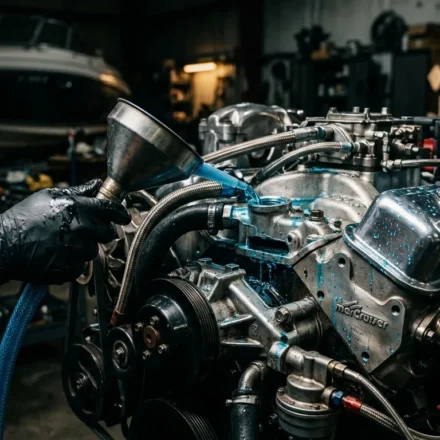
- Impeller Check/Replacement: The raw water pump impeller (a rubber vane-type pump that moves cooling water) is a wear item. Carry spares and replace annually or biennially.
- Air Filter: Clean or replace the air filter.
- Zinc Anodes: Check and replace internal zinc anodes (sacrificial metal parts that prevent corrosion) in the heat exchanger and elsewhere.
- Belt Tension: Check and adjust drive belt tension.
- Run Under Load: Always run your generator with a substantial load for at least an hour regularly. This prevents wet stacking (unburnt fuel and carbon buildup in the exhaust), which can significantly shorten its lifespan.
Winterizing/Layup (For Seasonal Boaters):
- Fuel Stabilizer: Add to the fuel tank and run the generator to ensure it circulates.
- Coolant: Ensure proper antifreeze mix in freshwater cooled systems.
- Fogging: Spray fogging oil into the air intake to protect internal engine components from corrosion.
- Batteries: Ensure starting battery is charged and maintained.
Common Troubleshooting Tips
Even with the best maintenance, issues can arise. Here are a few common problems and what to check:
- Generator Won’t Start:
- Check fuel level (it sounds obvious, but you’d be surprised!).
- Verify the generator’s dedicated starting battery is charged.
- Check the seacock for the raw water intake – ensure it’s open.
- If it cranks but doesn’t fire, check fuel filters for clogs or air in the fuel line. Diesel engines need proper bleeding after filter changes.
- Are the glow plugs (for cold starting diesel engines) working?
- Overheating:
- Is water flowing from the exhaust? If not, check the raw water intake seacock, strainer, and most likely, the impeller.
- Check coolant level in freshwater cooled systems.
- Ensure the heat exchanger is not clogged.
- No Power Output:
- Check the main breaker on the generator itself and on your yacht’s AC distribution panel.
- Has the generator been overloaded? Reduce load and try resetting the breaker.
For anything beyond these basic checks, don’t hesitate to consult your generator’s manual or call a certified marine technician. Attempting complex repairs without expertise can be dangerous and costly.
Powering Your Dreams on the Water
A marine generator is more than just an appliance; it’s an enabler of the boating lifestyle. It allows you to extend your adventures, enjoy the comforts of home, and focus on creating those unforgettable memories – watching sunsets from your Axopar 28 Cabin or preparing a gourmet meal on your Jeanneau Leader 40.
By carefully selecting the right unit, adhering to a diligent maintenance schedule, and knowing how to troubleshoot common issues, you’ll ensure your generator provides reliable power for years to come. So, get out there, enjoy the water, and let your generator hum a happy tune as you live your boating dreams. Fair winds and full power!