


Stepping aboard a powerboat, feeling the hum of the engine, and seeing the horizon open up before you—it’s a sensation unlike any other. Whether your dreams involve exhilarating coastal dashes, serene long-distance passages, or endless family fun on the lake, choosing the right powerboat starts with understanding its most fundamental characteristic: the hull design. The decision between a displacement hull and a planing hull will profoundly impact your boating experience, dictating everything from speed and fuel efficiency to comfort, stability, and even the types of adventures you can embark upon. As your trusted guide in the boating world, with decades spent on the water and around boatyards, let’s dive deep into these two distinct approaches to marine design to help you find the perfect match for your cruising style.
Table Of Content
- Understanding the Displacement Hull: The Gentle Prowler of the Seas
- Advantages of Displacement Hulls
- Disadvantages of Displacement Hulls
- Understanding the Planing Hull: The Agile Sprinter of the Water
- Advantages of Planing Hulls
- Disadvantages of Planing Hulls
- The Semi-Displacement Hull: Striking a Balance
- Choosing Your Perfect Match: A Personalized Journey on the Water
- Maintenance & Operational Considerations
- A Comparative Glance: Displacement vs. Planing Hulls
Understanding the Displacement Hull: The Gentle Prowler of the Seas
Imagine a boat that truly becomes one with the water, gracefully parting it rather than attempting to ride on top. This is the essence of a displacement hull – a traditional, time-tested design where the boat always remains fully immersed, displacing a volume of water equal to its own weight. Think of an iceberg or a submarine; their entire mass is supported by the buoyancy created by the water they push aside. These hulls are typically characterized by a round-bottomed, deep, and often relatively narrow shape, allowing them to slice through waves with minimal resistance, creating a smooth and incredibly stable ride.
The physics behind displacement hulls dictate a natural speed limit, often referred to as “hull speed.” This isn’t an arbitrary restriction but a fundamental principle where the boat creates a bow wave and a stern wave. As the boat approaches its hull speed, the distance between the crests of these two waves lengthens until the boat is essentially trying to climb over its own bow wave, a phenomenon known as being “trapped” by its own wave system. Trying to go faster requires exponentially more power, leading to diminishing returns and excessive fuel consumption, essentially forcing the boat to “dig a hole” in the water. For a typical 40-foot displacement hull, this hull speed might be around 7-8 knots (approximately 8-9 mph), offering a leisurely, comfortable pace for extended voyages.
Advantages of Displacement Hulls
- Exceptional Comfort and Stability: Their deep, rounded shape allows them to cut through waves rather than bouncing over them, significantly reducing pounding and making for a far more comfortable ride, especially in rougher offshore conditions. This can be a game-changer for passengers prone to seasickness or for those who prioritize a smooth journey.
- Superior Fuel Economy: Operating efficiently at lower speeds, displacement hulls offer remarkable fuel efficiency, translating to lower operational costs and a much greater range. This is paramount for long-distance cruisers or liveaboards who spend extended periods on the water.
- Increased Range: Thanks to their fuel efficiency, displacement vessels can carry less fuel for the same distance or travel much farther on a full tank, opening up possibilities for remote anchorages and true bluewater exploration without constant worry about refueling.
- Greater Load-Carrying Capacity: Their inherent buoyancy and robust construction allow them to carry significant weight – extra fuel, water, provisions, and gear – without impacting performance or stability as much as a planing hull, which is crucial for extended voyages.
- Seaworthiness: Often built with heavy displacement and robust construction, these vessels are inherently more seaworthy and capable of handling challenging offshore conditions with greater ease and safety, inspiring confidence in their crews.
Disadvantages of Displacement Hulls
- Slower Speeds: The primary trade-off is speed. While efficient at their hull speed, they simply cannot achieve the exhilarating speeds of planing boats, which can be a drawback for those with limited time or who enjoy fast transit.
- Less Agile: Their design, optimized for straight-line efficiency and stability, often means they are less nimble and responsive than planing hulls, especially at higher speeds (which they rarely achieve). Maneuvering in tight quarters can require more anticipation.
Typical displacement vessels include traditional trawlers, long-range cruisers, and expedition yachts, often designed for extended voyaging. Brands like Grand Banks, Nordhavn, Kadey-Krogen, and even some robust commercial fishing vessels are prime examples, renowned for their rugged dependability. These boats are often constructed from heavy fiberglass, steel, or aluminum, providing incredible strength and longevity. Propulsion typically comes from reliable, low-RPM inboard diesel engines, such as those from Cummins, Yanmar, or Volvo Penta, known for their extreme longevity and continuous duty cycles, sometimes boasting hundreds of thousands of hours of operation.
Understanding the Planing Hull: The Agile Sprinter of the Water
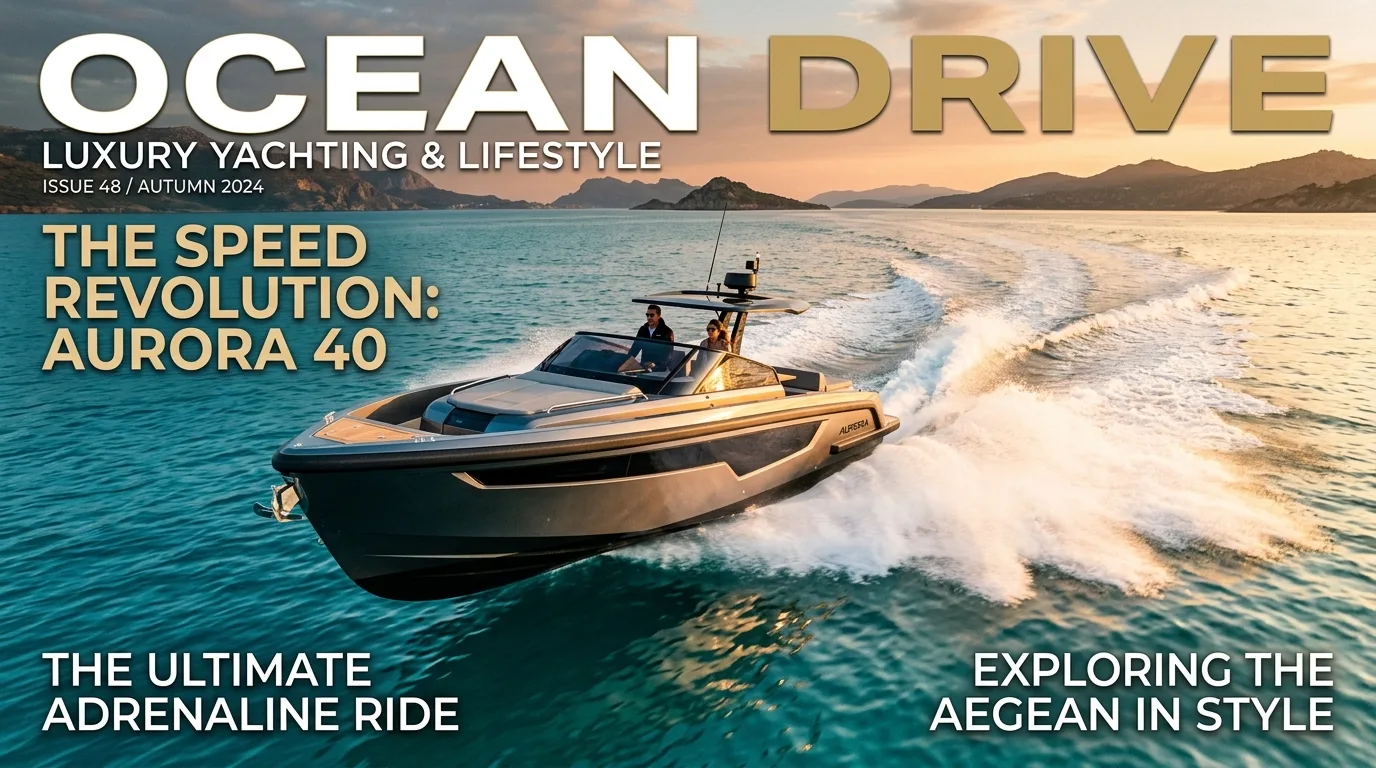
Now, let’s shift gears to a completely different approach: the planing hull. Imagine a boat that, at sufficient speed, actively lifts itself partially out of the water, skimming across the surface rather than pushing through it. This is the magic of hydrodynamic lift. Planing hulls are characterized by flatter, wider bottoms, often incorporating design features like hard chines (sharp angles where the hull sides meet the bottom) and strakes (longitudinal ridges on the bottom) that help generate lift, break surface tension, and direct spray away from the boat.
As a planing hull accelerates, the shape of its bottom creates upward pressure from the water, allowing it to “plane” or ride on top of the water. This significantly reduces the wetted surface area, dramatically decreasing drag and allowing for much higher speeds. Think of skipping a stone across a pond – the principle is similar, utilizing dynamic pressure rather than static buoyancy. This design is all about speed and excitement, transforming the journey into an adrenaline-filled dash across the waves.
Advantages of Planing Hulls
- High Speeds: The most obvious advantage is the ability to achieve exhilarating speeds, getting you to your destination, fishing grounds, or favorite sandbar in a fraction of the time, making the most of a short weekend.
- Agility and Maneuverability: Planing hulls are typically much more nimble and responsive, making them ideal for watersports like skiing or wakeboarding, or for navigating crowded waterways and docking with precision.
- Thrilling Performance: For many boaters, the sensation of cutting across the water at speed, feeling the wind and spray, is an undeniable draw and a core part of their boating enjoyment.
- Versatility: They come in a vast array of sizes and configurations, from small runabouts and day boats to large express cruisers and sportfishers, catering to diverse recreational needs and family activities.
Disadvantages of Planing Hulls
- “Pounding” in Rough Seas: Because they ride on top of the water, planing hulls can experience a jarring “pounding” motion when encountering waves, which can be uncomfortable for passengers, stressful for the boat’s structure, and limit offshore cruising comfort.
- Less Fuel-Efficient at Low Speeds: Below planing speed, these hulls are often less efficient than displacement hulls. They tend to “dig a bigger hole,” creating substantial drag and burning more fuel per mile until they can get up on plane, where efficiency significantly improves.
- Less Stable at Rest: The flatter, wider bottoms that aid planing can make them feel less stable when sitting still or at very slow speeds, potentially leading to more roll, especially in choppy anchorages or while fishing.
- Higher Demands on Seamanship: Operating a planing hull at speed in varying conditions requires more attention and skill to maintain comfort, trim, and safety, especially when encountering wakes or cross-seas.
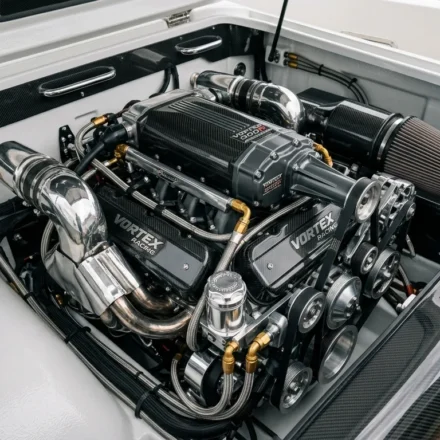
You’ll find planing hulls across a massive spectrum of recreational boats, including sportfishers, express cruisers, center consoles, bowriders, and high-performance boats. Brands like Sea Ray, Boston Whaler, Grady-White, Formula, and Axopar are classic examples. Construction is almost exclusively lightweight yet strong materials like fiberglass or aluminum, with high-performance variants sometimes incorporating carbon fiber to maximize strength-to-weight ratios. Propulsion options are equally diverse, from powerful outboard engines (Mercury, Yamaha, Honda) to high-horsepower inboard gasoline or diesel engines coupled with sterndrives, V-drives, or even jet drives.
The Semi-Displacement Hull: Striking a Balance
For those who crave a bit more speed than a pure displacement hull offers, but still desire better comfort and efficiency than a full planing hull at moderate speeds, the semi-displacement hull emerges as an attractive compromise. These designs blend characteristics of both, typically featuring a rounded or V-shaped forefoot (front) for cutting through waves, transitioning to a flatter, wider stern with distinct chines that allow for some hydrodynamic lift at higher speeds. They represent a middle ground, attempting to capture the best of both worlds.
A semi-displacement hull aims to achieve a “sweet spot” where it can exceed the traditional hull speed of a pure displacement vessel without the excessive power requirements and uncomfortable ride of a planing hull struggling in its displacement mode. While they won’t typically achieve the blistering speeds of a dedicated planing hull, they can often cruise comfortably at speeds 20-50% faster than their pure displacement counterparts, offering a respectable balance of speed, efficiency, and comfort. You’ll often see these hulls on larger cruising yachts, some modern trawlers that aim for faster passages (e.g., 15-20 knots), and many offshore fishing boats where getting to the grounds quickly but comfortably is key. Examples include many Down East style cruisers and some models from manufacturers like Selene or Beneteau’s Swift Trawler line, which prioritize versatile performance.
Choosing Your Perfect Match: A Personalized Journey on the Water
Deciding between a displacement, planing, or even a semi-displacement hull isn’t about identifying a universally “better” design. It’s about a deeply personal alignment between the boat’s inherent characteristics and your unique boating aspirations. As a seasoned yacht broker, I’ve seen countless individuals choose the wrong boat for their true cruising style, only to be disappointed. The key is to honestly assess your priorities and intended usage, taking a realistic look at how you truly plan to spend your time on the water.
Consider, for a moment, the vast difference in experience. Do you envision leisurely, multi-week voyages exploring remote coastlines, where the journey itself is the reward, and every gallon of fuel saved extends your adventure? Or do you picture thrilling day trips, rocketing across the bay to a favorite restaurant, dropping anchor for watersports, and being back at the dock by sunset? Each scenario points to a distinctly different hull design, and understanding your preference is paramount.
Here are crucial questions to ask yourself, designed to guide you toward the right choice:
- What is your primary intended use? Are you a long-distance cruiser, a weekend explorer, a serious angler, or a watersports enthusiast? This is perhaps the single most important factor, as it dictates almost every other choice.
- How important is speed? Do you prioritize getting to your destination quickly, or is a slower, more deliberate pace part of the charm and the experience you seek?
- What kind of waters will you typically be cruising in? Calm inland lakes and rivers, sheltered coastal bays, or exposed offshore waters where rough conditions are common? The environment directly impacts comfort and safety.
- What is your budget for fuel and maintenance? While displacement boats are incredibly efficient at their cruising speed, planing boats can cover more ground faster, but often with significantly higher fuel consumption when on plane, especially with powerful engines. Don’t forget the long-term running costs.
- How many people will typically be on board? And how important is their comfort, especially if they are prone to seasickness? A comfortable ride can make or break a trip for guests.
- What level of stability do you need, both at rest and underway? For fishing, entertaining at anchor, or simply enjoying a calm evening, stability at rest might be a higher priority than stability at speed.
- What’s your experience level? While both types require skill, operating a powerful planing boat at high speeds in varied conditions demands a different kind of finesse and awareness than captaining a displacement vessel.
Maintenance & Operational Considerations
Regardless of hull type, common maintenance practices are crucial for the longevity and reliability of your vessel. Annual haul-out and bottom paint are essential for preventing marine growth and corrosion, a universal truth for any vessel kept in water. Regular engine service, as per manufacturer recommendations, is non-negotiable for reliability and longevity, protecting your investment and ensuring safe operation.
However, there are nuances. Planing hulls, with their higher speeds and often more complex propulsion systems (e.g., sterndrives, multiple high-horsepower outboards with intricate electronics), can sometimes incur higher maintenance costs. Engines are often pushed harder, and components like props, trim tabs, and steering systems might see more wear and tear. Displacement hulls, while having large, robust engines, tend to operate at lower RPMs, which generally leads to longer intervals between major overhauls, but the sheer size of the engines and components can mean higher costs when major work is eventually needed. Consider also the complexity of accessing components; a spacious engine room in a trawler contrasts with the tighter spaces or outboard access of many planing boats.
A Comparative Glance: Displacement vs. Planing Hulls
To help crystallize the differences and provide a quick reference, let’s look at a side-by-side comparison of these two fundamental hull designs across key criteria: