


There’s a whisper on the water, a certain unmistakable allure that only a classic wooden boat can evoke. In an age dominated by fiberglass and synthetic materials, the warmth, the craftsmanship, and the sheer soul of a wooden vessel stand apart. It’s not just a boat; it’s a living piece of maritime history, a testament to artistry and enduring design. For many boating enthusiasts, owning and restoring a classic wooden boat isn’t just a dream – it’s a passion project, a journey into the heart of boating itself.
Table Of Content
- Why a Wooden Boat? The Undeniable Allure
- Understanding Wooden Boat Construction & Its Nuances
- Buying Your Wooden Dream: What to Look For
- The Restoration Journey: Where the Magic Happens
- 1. Assess the Scope & Plan Your Attack
- 2. Essential Skills & Resources
- 3. Phased Approach to Restoration
- Ongoing Maintenance: Keeping Your Classic Alive
- Living the Wooden Boat Life
- Your Next Adventure Awaits
As someone who’s spent decades around marinas, selling everything from nimble day sailers to grand bluewater yachts, I can tell you there’s nothing quite like the pride of bringing a wooden beauty back to life. If you’ve ever found yourself gazing longingly at a varnished hull, smelling the faint scent of timber and salt air, then this guide is for you. Let’s explore how to navigate the exciting waters of buying and restoring your very own classic wooden boat.
Why a Wooden Boat? The Undeniable Allure
Why choose wood over modern materials? The reasons are as varied as the boats themselves:
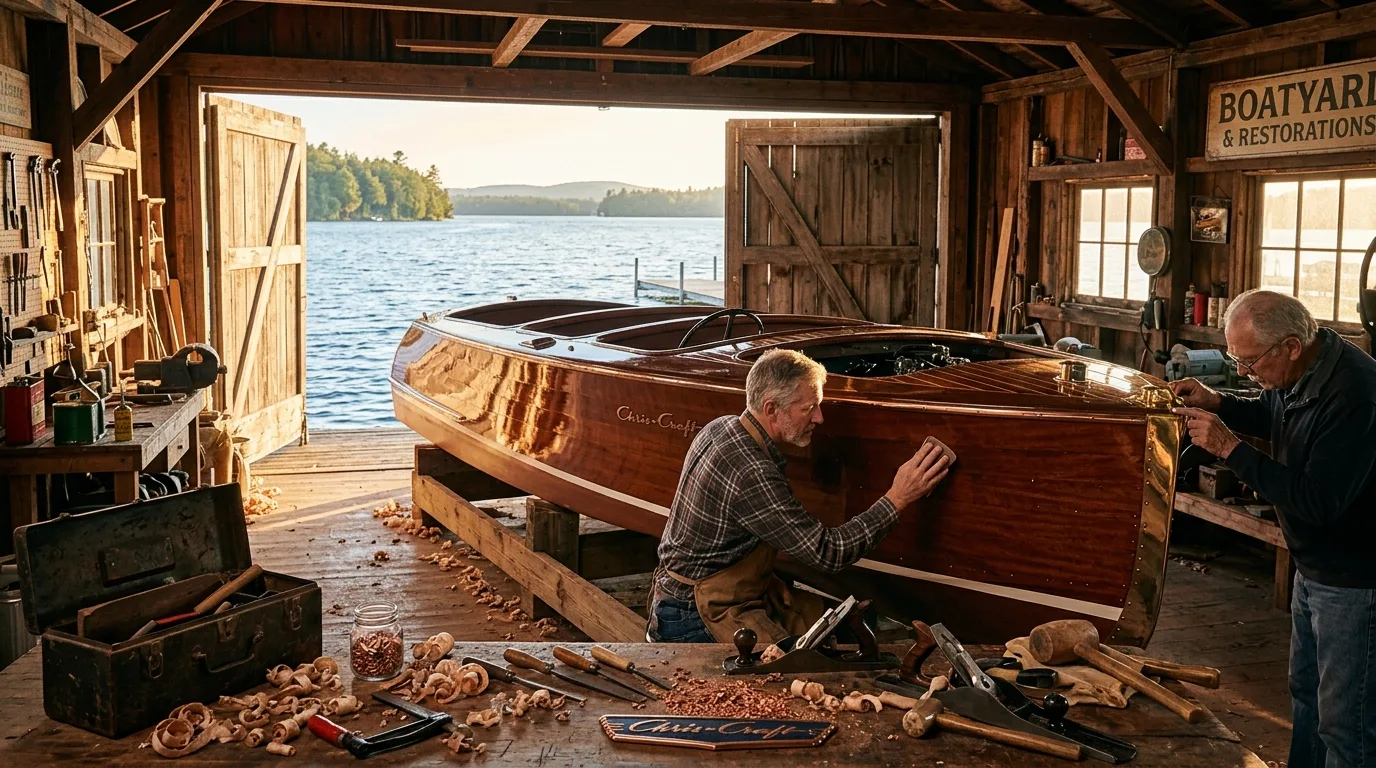
- Aesthetics & Craftsmanship: The intricate joinery, the gleaming varnish, the graceful lines – a wooden boat is a work of art. Think of the elegance of a Herreshoff 12 1/2 daysailer or the undeniable cool of a Chris-Craft runabout.
- Ride Quality: Wood has a natural flexibility and dampening effect, often providing a quieter, smoother ride through chop compared to rigid fiberglass.
- History & Heritage: Each plank and fastener tells a story. You become a custodian of that history, joining a long line of owners.
- Community: The wooden boat community is incredibly supportive, sharing knowledge, resources, and a deep love for these vessels.
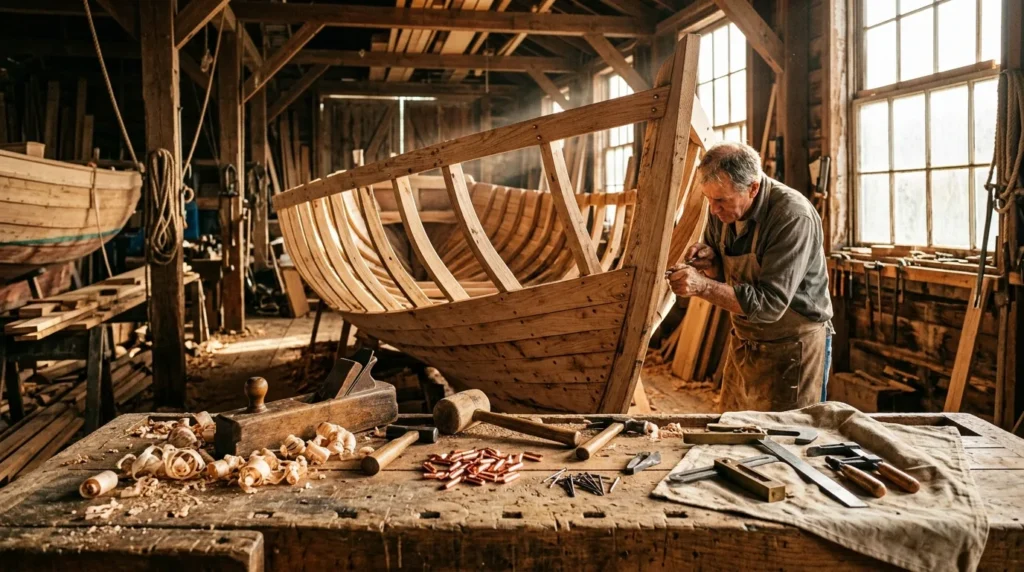
Understanding Wooden Boat Construction & Its Nuances
Before you dive in, it’s crucial to understand the language of wooden boats. Most classic wooden boats feature a displacement hull – a design that moves through the water by displacing a volume equal to its weight, typically providing a smooth, stable ride rather than planing on top. Construction methods vary:
- Carvel Planking: The most common method, where planks are laid edge-to-edge, flush with each other, and sealed with caulking. This is what you’ll see on many traditional sailboats and motor yachts.
- Lapstrake (Clinker): Planks overlap like siding on a house, riveted or screwed together at the overlaps. Often found on smaller open boats and tenders.
- Strip-Planked: Long, narrow strips of wood are glued edge-to-edge over a mold, creating a strong, lightweight hull, sometimes sheathed in fiberglass or epoxy.
- Cold-Molded: Multiple layers of thin wood veneers are laid diagonally over a form, saturated with epoxy, and vacuum-bagged to create a monocoque (single shell) structure. Very strong and often lighter, but less common on older classics.
Common woods used include mahogany, teak, oak, cedar, and fir – each chosen for specific properties like rot resistance, strength, or workability.
Buying Your Wooden Dream: What to Look For
This isn’t like buying a used car; it’s a deep dive. Here’s your roadmap:
- Seek Expert Guidance: This is non-negotiable. Engage a surveyor specializing in wooden boats. They know where to tap, prod, and sniff for trouble spots that a general marine surveyor might miss.
- Inspect for Dry Rot: The arch-nemesis of wooden boats. Dry rot is a fungal decay that thrives in damp, poorly ventilated areas. Look for soft spots, discoloration, and a mushroomy smell, especially in areas like frames, deck beams, transom, and around any deck fittings.
- Check Fasteners: Older boats may have galvanized or steel fasteners that corrode, loosening planks. Bronze or copper are superior.
- Examine the Hull: Look for cracked planks, opened seams, distorted hull shape, or signs of excessive flexing.
- Decks & Superstructure: Are they soft underfoot? Are there leaks around windows or deck fittings?
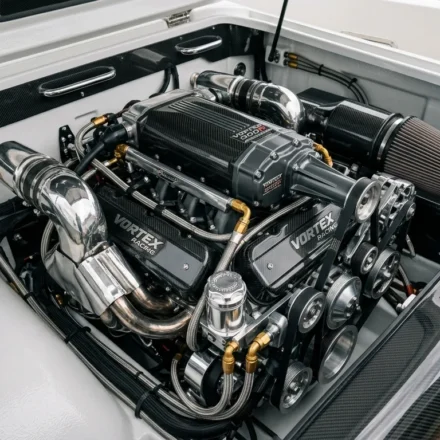
- Engine & Propulsion: Many wooden boats will have an inboard diesel engine (common brands like Yanmar, Volvo Penta, Westerbeke) or older gasoline engines. Check for maintenance records, oil leaks, unusual noises, and signs of overheating. For sailboats, inspect the saildrive (a propulsion unit combining engine and propeller in a single pod) or traditional shaft and propeller.
- Rigging & Sails (for Sailboats): Inspect the mast and boom for rot or damage. Check the standing rigging (the wires that support the mast) for corrosion or broken strands, and the running rigging (the lines used to hoist and trim sails) for wear. Inspect sails (mainsail, genoa, spinnaker) for tears, UV damage, and mildew. Common rigs include sloop (one mast, one headsail, one mainsail), ketch (two masts, with the mizzen mast shorter and forward of the rudder post), and cutter (one mast, two headsails).
- Documentation: Ensure a clear title and research the boat’s history. Previous repair logs are gold.
The Restoration Journey: Where the Magic Happens
Once you’ve found your gem, the restoration begins. This is where you connect with your boat on a deeper level.
1. Assess the Scope & Plan Your Attack
Is it a light cosmetic refresh or a full structural rebuild? This will dictate your budget, timeline, and skill requirements. Don’t underestimate the time and money involved; it’s often called “a hole in the water you pour money into,” but with a wooden boat, it’s also a vessel you pour your heart into.
2. Essential Skills & Resources
While you can hire experts, developing skills in marine woodworking, caulking, painting, varnishing, and basic mechanical/electrical work will save you money and deepen your understanding of your vessel.
3. Phased Approach to Restoration
- Haul-Out & Initial Tear Down: Get the boat out of the water. Remove everything that doesn’t need to be there to assess the hull and deck.
- Structural Repairs: Address dry rot, replace frames, planks, or parts of the keel. This is the foundation of your boat’s longevity.
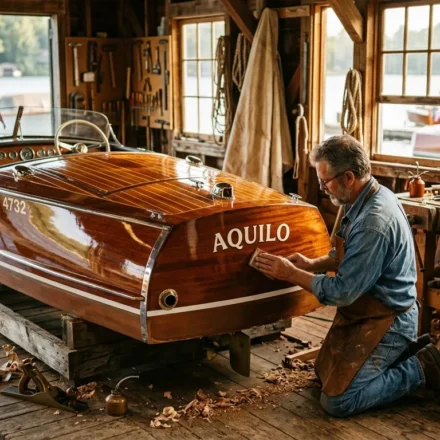
- Fairing & Finishing: Sanding, filling, and preparing surfaces for paint or varnish. This labor-intensive step is crucial for that classic look.
- Painting & Varnishing: Apply high-quality marine paints and varnishes. For bottom paint, traditional copper bronze or ablative antifouling are common choices for wooden hulls, applied annually after a haul-out.
- Systems Installation: Reinstall or upgrade engines, electrical systems, plumbing, and navigation electronics.
- Deck & Cabin Work: Repair or replace deck planks, cabin sides, and interior joinery.
- Rigging & Sails: For sailboats, inspect and replace standing and running rigging as needed. Have sails repaired or replaced.
Ongoing Maintenance: Keeping Your Classic Alive
Owning a wooden boat is a commitment to ongoing care, but it’s incredibly rewarding.
- Annual Haul-Out: Essential for inspection, cleaning, and applying fresh bottom paint. Check rudder, propeller, and thru-hulls.
- Varnish & Paint Maintenance: Wooden boats require regular coats of varnish or paint to protect the wood from UV and moisture. This is often an annual or bi-annual ritual.
- Seam Maintenance: Check caulking and seams for shrinkage or failure, especially in changing seasons.
- Engine Service: Follow manufacturer recommendations, typically every 100-200 hours or annually. Change oil, filters, and inspect belts and hoses.
- Winterizing: In colder climates, properly draining and protecting your engine and freshwater systems is critical.
- Corrosion Prevention: Monitor all metal components for electrolysis, especially where different metals meet or are close to the water. Anodes (zincs) are your friends.
- Sail Care & Storage: Clean sails, inspect for damage, and store them dry and protected from rodents and UV when not in use.
Living the Wooden Boat Life
Whether you dream of a small wooden day sailer (under 25 ft) for coastal adventures, a graceful cruiser (30-40 ft) like a classic wooden sloop for weekend getaways, or a stately bluewater motor yacht (40+ ft) for grander voyages, the wooden boat lifestyle is unique. It’s about slowing down, appreciating craftsmanship, and connecting deeply with the water. Models like the Catalina 30 or Hunter 33 are modern fiberglass classics, but their wooden counterparts offer a different kind of soul. The pride of owning a Herreshoff design, a Hacker-Craft, or a traditional wooden schooner is immeasurable. You’re not just a boat owner; you’re a steward of history, an artisan, and an adventurer all rolled into one.
Your Next Adventure Awaits
The journey of buying and restoring a classic wooden boat is not for the faint of heart, but it is deeply satisfying. It teaches patience, resilience, and a profound appreciation for the art of boatbuilding. By the end, you’ll have more than just a vessel; you’ll have a floating masterpiece, imbued with your own sweat equity and ready to create new memories. So, start your research, find that perfect project, connect with the passionate wooden boat community, and prepare to embark on an adventure that will enrich your life for years to come. The call of the timber is waiting.