

Bringing History Back: Your 2026 Guide to Antique Wooden Boat Restoration Projects

There’s a special magic about wooden boats, isn’t there? They carry a soul, a history whispered through their planks and frames. When you see a classic vessel, weathered by time and yearning for a second life, the idea of bringing it back to its former glory isn’t just a project—it’s a calling. This isn’t just about wooden boat repair; it’s about preserving a piece of maritime heritage.
Table Of Content
- Why Restore an Antique Wooden Boat? More Than Just a Project
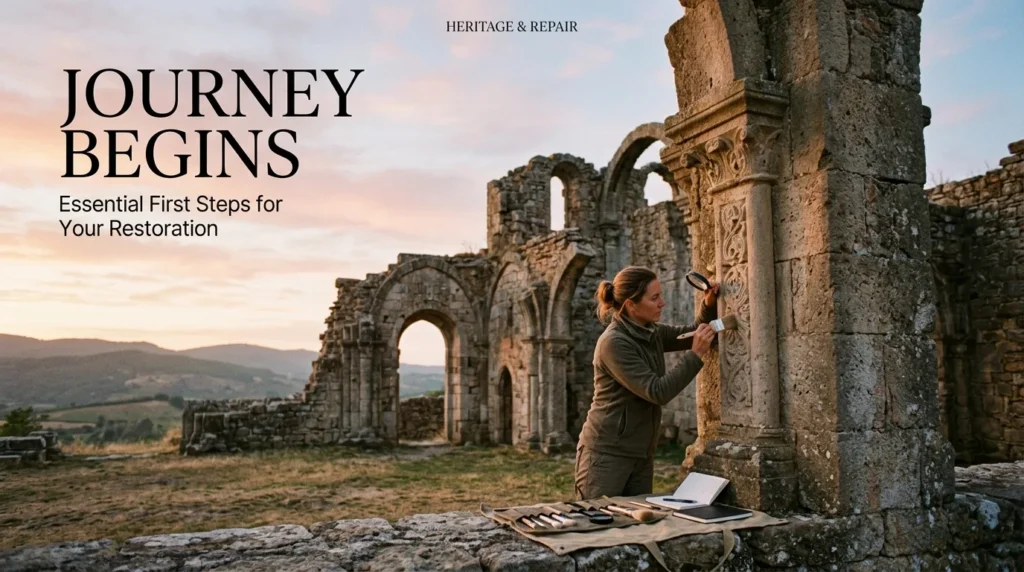
- The Journey Begins: Essential First Steps for Your Restoration
- Initial Assessment & Documentation
- Planning & Budgeting
- Rolling Up Your Sleeves: Key Restoration Stages
- 1. Structural Repair & Woodwork
- 2. Fairing, Priming & Finishing
- 3. Engine & Systems Overhaul (if applicable)
- 4. Hardware & Rigging Restoration
- Tools of the Trade and Materials You’ll Need
- What to Watch Out For: Avoiding Pitfalls
- Common Mistakes Even Experienced Restorers Make
- Underestimating Time and Cost
- Ignoring the Original Design and Intent
- Poor Workspace Conditions
- Not Asking for Help or Advice
- Frequently Asked Questions
- How much does antique boat restoration cost?
- How long does a full wooden boat restoration take?
- Can a beginner restore a wooden boat?
For those of us who’ve spent decades around the water, the allure of an antique wooden boat restoration project is undeniable. It’s a journey filled with challenges, certainly, but also immense satisfaction. So, if you’ve found that perfect hull, or perhaps inherited a family treasure, and you’re contemplating breathing new life into it, you’ve come to the right place. Let’s dive into what it truly takes to make that dream a reality in 2026.
Why Restore an Antique Wooden Boat? More Than Just a Project
The decision to undertake a classic boat refurbishment goes beyond practical considerations. It’s an emotional investment, a commitment to craftsmanship, and a deep appreciation for the artistry of a bygone era. Modern boats are fantastic for their efficiency and low maintenance, but they rarely evoke the same sense of nostalgia or possess the unique character inherent in wood. There’s a warmth, a natural beauty, and a tangible connection to the past that only a wooden boat can offer.
Owning a restored vintage boat project means you’re not just a boater; you’re a custodian of history. Imagine slipping into the water on a vessel that once cruised the same lakes or coastal waters decades ago, turning heads and sparking conversations wherever you go. The admiring glances, the questions from fellow enthusiasts, the sheer pride of saying, “I brought this back”—these are rewards that are hard to quantify. It’s an experience, in my opinion, that modern fiberglass or aluminum can’t replicate.
Beyond the personal satisfaction, a well-executed antique wooden boat restoration can also be a sound investment. While it requires significant time and money, a meticulously restored classic can appreciate in value, often far exceeding the initial cost and effort. This isn’t always the primary driver for restorers, but it’s a pleasant bonus for those dedicated enough to see the project through to perfection. The market for unique, classic vessels is always there, waiting for the right boat.
The Journey Begins: Essential First Steps for Your Restoration
Before you even think about sanding or painting, the initial phase of any boat restoration guide involves thorough research and assessment. This isn’t a weekend project; it’s a marathon. You need to understand what you’re getting into, both in terms of the boat’s condition and your own capabilities. Skipping this crucial phase is a common mistake that can lead to frustration and unforeseen expenses down the line.
Initial Assessment & Documentation
Your first task is a forensic examination of the boat. This means thoroughly inspecting every plank, frame, fastener, and fitting. Look for signs of dry rot, insect damage, bent frames, cracked planks, and fatigued fasteners. Pay close attention to areas that are consistently wet, like the bilge, transom, and around any deck fittings. What looks like a simple repair can often uncover a much larger structural issue lurking beneath the surface. For example, imagine this situation: you discover a small soft spot on a deck plank, but upon closer inspection, you realize the deck beams beneath are compromised, and water has wicked down into the underlying frames, leading to extensive rot. This is why a deep, thorough assessment is non-negotiable.
Documentation is your best friend here. Take countless photos from every angle, inside and out. Measure everything. Sketch out problem areas. If possible, research the boat’s original build plans or similar models. This documentation will serve as your blueprint throughout the entire project, guiding your repairs and ensuring you maintain the vessel’s original character. It also provides a valuable record for future owners or if you ever need expert consultation.
Planning & Budgeting
Once you have a clear picture of the boat’s condition, you can start planning. What level of restoration are you aiming for – a complete “concours” restoration, or a more practical “user” restoration? This decision will significantly impact your budget and timeline. Develop a detailed project plan, breaking down the restoration into manageable stages, from hull repair to electrical systems and finishing. Get realistic estimates for materials, tools, and any professional help you might need. Honestly, it’s always wise to add a contingency fund – say, 20-30% – because surprises are almost guaranteed with marine woodworking projects of this nature.
Rolling Up Your Sleeves: Key Restoration Stages
So far we’ve covered the groundwork. Now let’s get to the really critical point: the hands-on work. This is where the magic happens, and your classic boat begins its transformation.
1. Structural Repair & Woodwork
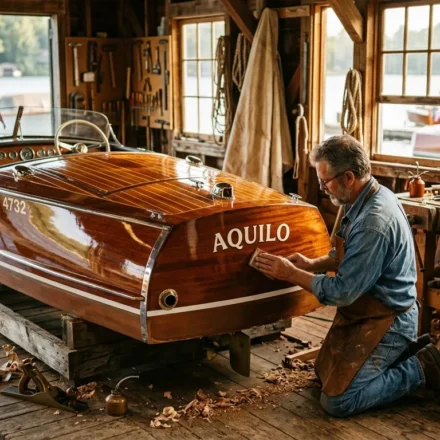
This is often the most demanding and critical phase. Any compromised structural components – frames, stringers, keel, transom – must be repaired or replaced. This demands skilled marine woodworking and an understanding of traditional boatbuilding techniques. Replacing a rotten frame means careful measurement, steaming or bending new wood to shape, and fastening it securely with appropriate hardware (often bronze or silicon bronze, depending on the original construction). This isn’t a place to cut corners, as the structural integrity of the entire boat depends on it.
Once the framework is sound, you move to the planking. Rotten or damaged planks need to be carefully removed, using the old plank as a pattern for cutting new ones. The type of wood is crucial here; matching species like mahogany, cedar, oak, or cypress to the original construction is vital for both aesthetics and structural consistency. Each plank needs to be fitted precisely, beveled correctly, and fastened properly. For carvel planking, ensuring tight seams for caulking is key, while lapstrake requires careful overlapping. This is where patience and precision truly pay off.
2. Fairing, Priming & Finishing
With the structure and planking solid, the next stage focuses on making the hull smooth and beautiful. This involves extensive fairing – filling imperfections and sanding until the hull is perfectly smooth to the touch. This process can be incredibly time-consuming, but it’s what gives a restored boat its signature mirror-like finish. After fairing, apply appropriate primers and sealers designed for wooden boats. These protect the wood and provide a stable base for the topcoats.
The final finish could be paint or varnish, depending on the boat’s original style and your preference. For varnish, multiple coats (often 8-12, or even more for show boats) are applied, with light sanding between each coat to achieve that deep, lustrous shine. If painting, selecting marine-grade paints that offer excellent UV protection and durability is essential. This is the stage where the boat truly starts to look like a finished product, and the hours of meticulous work become evident.
3. Engine & Systems Overhaul (if applicable)
Unless it’s a pure rowboat or sailboat with no auxiliary engine, your hull restoration project will likely involve the engine and other systems. Older engines might need a complete rebuild or replacement. Electrical systems in classic boats often require a complete re-wiring to meet modern safety standards and reliability. Think about fuel tanks, plumbing, bilge pumps, navigation lights, and steering systems. Are they safe? Are they reliable? This is a great opportunity to upgrade to modern, safer components while maintaining a classic aesthetic where visible.
4. Hardware & Rigging Restoration
Don’t forget the details! All original hardware – cleats, chocks, hinges, steering wheels, portholes – should be carefully removed, cleaned, polished, or re-chromed. Missing pieces might need to be sourced from specialty suppliers or custom-fabricated. For sailboats, the mast, boom, standing, and running rigging will require thorough inspection and replacement as needed. Ensuring all this hardware is not just beautiful but also functional and secure is paramount for safety and longevity.
Tools of the Trade and Materials You’ll Need
A successful antique wooden boat restoration requires the right tools and materials. While some general carpentry tools are useful, many tasks demand specialized marine tools and products.
- Hand Tools: Chisels, planes (block, smoothing, rabbet), spokeshaves, mallets, caulking irons, measuring tapes, squares.
- Power Tools: Orbital sanders, belt sanders, routers, jigsaws, circular saws, drills, heat guns (for paint stripping).
- Specialized Tools: Steaming box (for bending wood), bronze fastening tools, fairing boards, longboards.
- Wood: Mahogany, oak, cedar, cypress, fir, teak – choose based on original construction and desired properties.
- Fasteners: Silicon bronze screws, copper rivets, galvanized nails (depending on original build).
- Adhesives & Sealants: Epoxy resins (West System is a popular choice), marine-grade glues, flexible sealants, traditional caulking compounds (e.g., cotton and seam compound).
- Finishing Products: Marine primers, paints (single or two-part polyurethanes), varnishes, boat enamels.
- Safety Gear: Respirators, safety glasses, gloves, ear protection – always prioritize safety!
Here’s a quick comparison of common wood types used in classic boat construction:
| Wood Type | Common Use | Key Properties | Restoration Considerations |
|---|---|---|---|
| Mahogany | Planking, brightwork, trim | Durable, beautiful grain, takes varnish well, good rot resistance | Expensive, can be difficult to source matching grain for large repairs |
| Oak | Frames, keels, structural components | Extremely strong, hard, excellent rot resistance (white oak) | Heavy, difficult to bend, reacts with iron fasteners (use bronze/stainless) |
| Cedar (Western Red) | Planking (especially strip planking), light structures | Lightweight, good rot resistance, easy to work with | Softer, can dent easily, needs good protective finish |
| Teak | Decks, trim, cockpit soles | Highly rot resistant, non-slip, beautiful golden color, oily feel | Very expensive, hard to glue due to natural oils, requires specialized fasteners |
What to Watch Out For: Avoiding Pitfalls
Bringing an antique wooden boat back to life is immensely rewarding, but it’s also fraught with potential problems. The biggest “gotcha” in my experience is often underestimating the extent of rot. What appears to be a small area of decay can quickly mushroom into a much larger structural issue once you start digging. Always assume there’s more rot than you initially see, and budget accordingly.
Another area for concern is mismatched materials. Mixing incompatible metals for fasteners (e.g., steel and bronze) can lead to accelerated galvanic corrosion, rapidly destroying your beautiful new wood. Similarly, using non-marine grade glues or finishes will significantly shorten the lifespan of your restoration. Always research and choose products specifically designed for marine environments and wooden boat construction.
Finally, be wary of rushing the process. Each step, especially drying times for glues and paints, requires patience. Cutting corners to save time almost invariably leads to redoing work later, costing you more time and money in the long run. Is that really what you want after all the effort you’ve put in?
Common Mistakes Even Experienced Restorers Make
Even with decades of experience under your belt, it’s easy to fall into certain traps during a boat restoration guide project. Here are a few to avoid:
Underestimating Time and Cost
This is probably the most common pitfall. Restoring a wooden boat is rarely as quick or as cheap as initially projected. Materials for classic boats can be expensive, and specialized labor even more so. Always add a healthy buffer to both your timeline and your budget. Unexpected delays due to weather, material availability, or discovering more damage are par for the course. Be prepared for a marathon, not a sprint.
Ignoring the Original Design and Intent
While some modern upgrades are sensible (like safety systems or propulsion), radically altering the original lines or design of an antique wooden boat can diminish its value and historical authenticity. Part of the charm of these vessels is their classic aesthetic. Consult historical documents, old photos, and expert opinions before making significant modifications. You want to enhance, not erase, its history.
Poor Workspace Conditions
Working on a boat in an uncontrolled environment can cause problems. Wood needs stable temperature and humidity for glues to cure properly and for finishes to adhere. Dust control is paramount, especially during sanding and painting. A dry, well-ventilated, and temperature-controlled workspace will make a huge difference in the quality and longevity of your work. Trying to paint fine brightwork outdoors on a windy, dusty day is just asking for trouble.
Not Asking for Help or Advice
No one knows everything. There are countless resources available, from experienced boatbuilders and restorers to online forums and specialized books. Don’t be afraid to reach out and ask for advice, especially when tackling a complex or unfamiliar task. Organizations dedicated to classic boats are invaluable networks. Sometimes, just having another pair of eyes or a seasoned opinion can save you hours of frustration or prevent a costly mistake.
Frequently Asked Questions
How much does antique boat restoration cost?
The cost varies wildly depending on the boat’s condition, size, desired finish level, and whether you do the work yourself or hire professionals. Expect anywhere from tens of thousands to well over six figures for a complete, professional classic boat refurbishment.
How long does a full wooden boat restoration take?
A full restoration can take anywhere from one year to several years, sometimes even a decade, especially for larger or severely damaged vessels. It’s a project that requires immense patience and dedication.
Can a beginner restore a wooden boat?
While challenging, a beginner can successfully restore a wooden boat, especially smaller ones, with patience, extensive research, and a willingness to learn. Starting with a less severely damaged boat and seeking mentorship can greatly help.
Bringing an antique wooden boat back to life is truly a labor of love. It’s a commitment, a learning curve, and an adventure all rolled into one. When you finally launch that gleaming, restored vessel and feel the water beneath its lovingly repaired hull, you’ll understand that every scraped knuckle, every sanded plank, and every challenging moment was worth it. You’re not just floating a boat; you’re launching a piece of history, ready for new stories on the water. Now, go forth and make that dream a reality!