

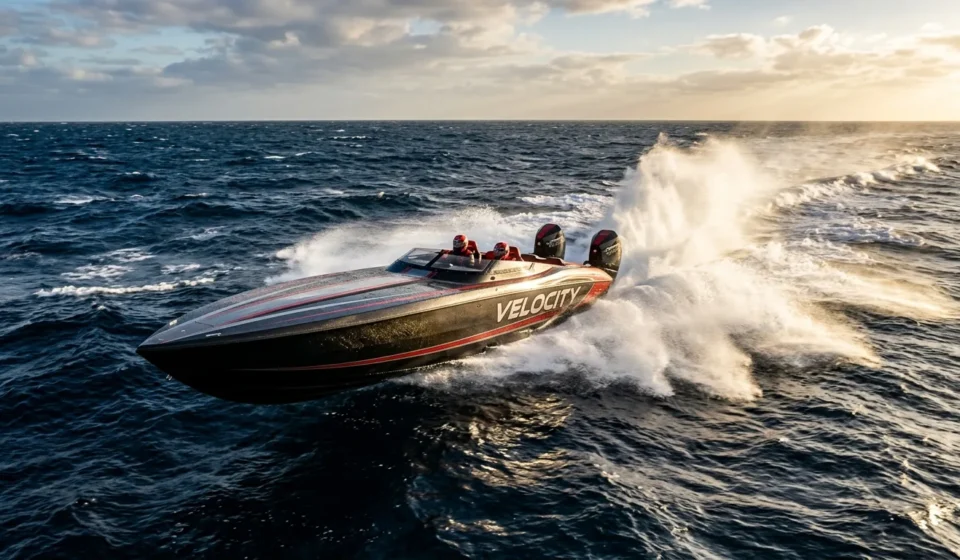

There’s a raw, untamed excitement that only a few sports can offer, and for us saltwater enthusiasts, there’s nothing quite like the heart-pounding world of offshore powerboat racing. Imagine skimming across the ocean at blistering speeds, battling waves, wind, and fierce competition, all while pushing the limits of both man and machine. If you’ve ever watched these magnificent vessels thunder past and felt that undeniable tug, that yearning for the ultimate marine adventure, then you’re in the right place. This guide is your first step onto the course, laying out everything you need to know to transform that dream into a roaring reality.
Table Of Content
- The Call of the Wild: Why Offshore Powerboat Racing?
- First Steps: Understanding the Landscape of Powerboat Racing
- Choosing Your Class: Where Do You Fit?
- The Vessel: What Kind of Powerboat Are We Talking About?
- Building Your Foundation: Training, Team, and Gear
- Getting Certified: Essential Training
- The Crew: More Than Just a Driver
- Essential Safety Gear for the Racer
- The Practicalities: Budget, Logistics, and Pitfalls
- The Real Costs: Budgeting for the Thrill
- Logistics and Maintenance: Keeping Your Machine Race-Ready
- What to Watch Out For: Common Challenges
- Common Mistakes Aspiring Offshore Racers Make
- Underestimating the True Costs
- Skipping Proper Training and Mentorship
- Neglecting Team Dynamics and Communication
- Overlooking the Importance of Safety Protocols
- Starting in Too High a Class Too Soon
- Frequently Asked Questions
- Is offshore powerboat racing dangerous?
- How much does a racing powerboat cost?
- Do I need prior boating experience?
The Call of the Wild: Why Offshore Powerboat Racing?
Honestly, what is it about offshore powerboat racing that ignites such a fervent passion? For me, having spent decades around boats of all shapes and sizes, it boils down to an unparalleled blend of mechanical mastery, strategic thinking, and sheer visceral thrill. It’s not just about speed; it’s about navigating treacherous conditions, making split-second decisions, and trusting your craft and your crew implicitly. The ocean is an unforgiving arena, and conquering it at over 100 miles per hour is a challenge that few can resist.
The allure isn’t merely the velocity; it’s the profound connection you develop with your vessel as it carves through the water, responding to every subtle input. It’s the roar of the engines echoing across the waves, a symphony of power and precision. And let me add something here: the camaraderie within the marine racing community is truly special. You’re competitors on the water, yes, but off it, you’re part of a tight-knit family united by a shared obsession. These are people who understand the unique blend of fear and exhilaration that defines the sport.
For example, imagine this situation: You’re halfway through a grueling 60-mile race, waves are building, and the boat ahead just took a massive jump, momentarily disappearing from sight. Your navigator yells a course correction, your throttleman is feathering the power perfectly, and you, the driver, are focused intensely on the next wave, feeling every shudder and surge through the hull. Your heart is pounding, adrenaline is coursing, and in that moment, nothing else in the world exists. That, my friend, is the essence of offshore powerboat racing – an experience that truly redefines “excitement.”
First Steps: Understanding the Landscape of Powerboat Racing
Before you even think about donning a helmet, it’s crucial to understand the diverse world of powerboat racing. It’s not a one-size-fits-all sport; there are various classes and types of boats, each with its own rules, challenges, and appeal. Starting here will help you pinpoint where your passion and resources might best align.
Choosing Your Class: Where Do You Fit?
One of the most critical decisions you’ll make early on is selecting which of the various racing classes you want to compete in. These classes are typically defined by factors such as boat length, engine size, hull type, and level of modification. Starting in a more accessible, entry-level class can be a smart move, allowing you to gain experience before potentially moving up to more powerful and expensive divisions. But what kind of boat truly captures your imagination?
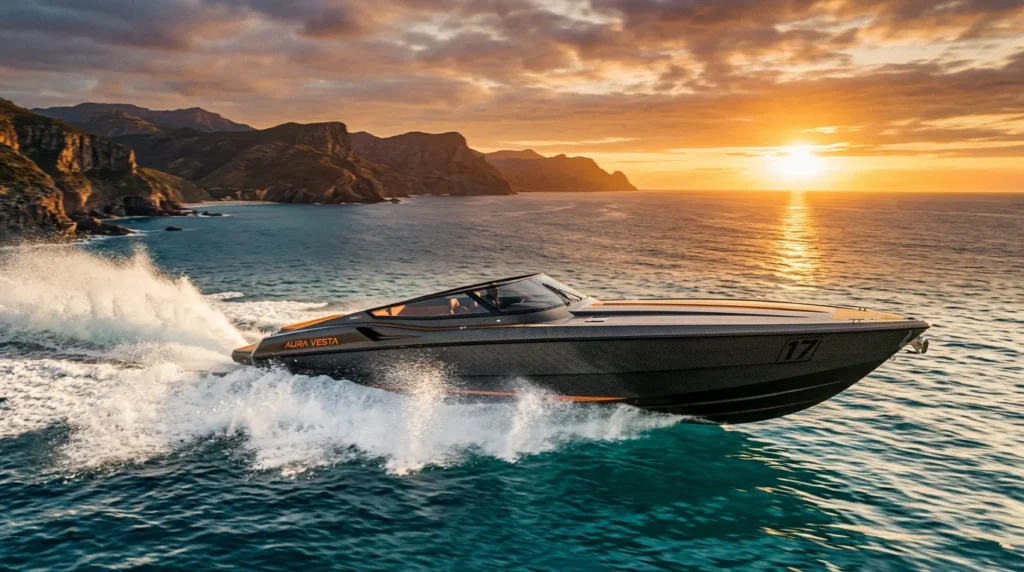
Do you envision yourself in a sleek V-bottom, renowned for its stability in rough water, or a high-tech catamaran, known for its incredible speed and efficiency? There are classes for everything from heavily modified production boats, which might resemble their recreational counterparts at first glance, to purpose-built, carbon-fiber monsters designed solely for extreme speed. Each class offers a distinct challenge and competitive environment. It’s vital to research the sanctioning bodies like APBA (American Power Boat Association) or UIM (Union Internationale Motonautique) to understand their specific class structures and rules.
| Racing Class Example | Key Characteristics | Typical Entry Level / Expertise |
|---|---|---|
| Super Stock Vee | Modified production V-bottoms, single engines, tight regulations. | Good for beginners, focuses on driving skill. |
| Stock Outboard Catamaran | Production-based catamarans with stock outboard engines. | Accessible, emphasizes boat setup and teamwork. |
| Class 1 / Unlimited | Multi-engine, purpose-built catamarans or V-bottoms, extreme power. | Professional level, massive budgets and experience. |
The Vessel: What Kind of Powerboat Are We Talking About?
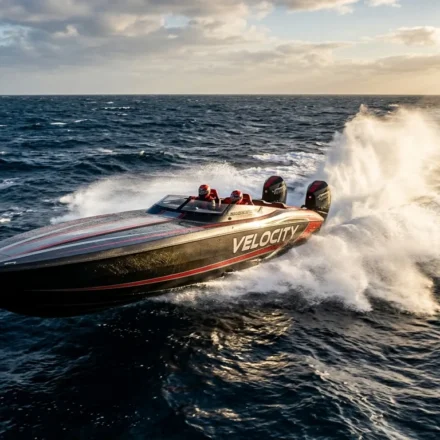
Once you’ve zeroed in on a class, you’ll start looking at the actual racing powerboat. These aren’t your average weekend cruisers. While some entry-level classes might allow for heavily modified recreational boats, most serious offshore powerboat racing vessels are purpose-built for speed, durability, and safety in extreme conditions. They feature reinforced hulls, often built from advanced composites like carbon fiber or Kevlar, designed to withstand the immense impact of hitting waves at high speeds.
Engine configurations vary wildly, from single high-performance outboards to multiple supercharged inboard engines producing thousands of horsepower. Propulsion systems, propellers, and steering mechanisms are all meticulously engineered for maximum efficiency and control. Moreover, safety is paramount, with specialized cockpits, reinforced seating, and advanced electronics for navigation and communication. Getting to know the anatomy of a racing boat will not only fuel your excitement but also equip you with the knowledge needed to make informed decisions when it comes to acquiring your own.
Building Your Foundation: Training, Team, and Gear
So far we’ve covered the basics of understanding the sport’s landscape. Now let’s get to the really critical point: preparing yourself and your crew for the demands of competitive boating. This isn’t something you just jump into; it requires dedication, specialized training, and a serious commitment to safety.
Getting Certified: Essential Training
You wouldn’t race a car without a driver’s license, right? The same applies, tenfold, to offshore powerboat racing. Proper training isn’t just a recommendation; it’s a mandatory step for obtaining your racing license from recognized sanctioning bodies. These courses cover everything from race rules and flag signals to advanced navigation, boat handling in adverse conditions, and emergency procedures. Many experienced racers often start by crewing for existing teams, learning the ropes firsthand before taking the helm themselves.
Specialized racing schools offer comprehensive programs that teach you the nuances of throttle control, trim adjustments, reading the water, and race strategy. This foundational knowledge is absolutely essential, not only for performance but, more importantly, for safety. What do you need to know before you even think about hitting top speeds? How to react when a wave unexpectedly throws your boat sideways, how to manage engine temperatures under duress, and how to communicate effectively with your team are just a few examples. Never underestimate the value of professional instruction; it can be the difference between a thrilling finish and a dangerous setback.
The Crew: More Than Just a Driver
While the driver often gets the spotlight, offshore powerboat racing is unequivocally a team sport. Depending on the class and boat, you’ll typically have a driver, a throttleman, and sometimes a navigator. Each role is distinct and absolutely vital for success and safety. The driver steers, but the throttleman manages the power, constantly adjusting for waves, optimizing speed, and preventing the propellers from blowing out. The navigator plots the course, monitors conditions, and provides critical information to the driver and throttleman. It’s a delicate dance, requiring immense trust and seamless communication.
- Driver: Responsible for steering, reading the water ahead, and making split-second directional adjustments.
- Throttleman: Manages engine RPM and boat trim, ensuring optimal speed and preventing damage from impacts or prop ventilation.
- Navigator: Maintains course, monitors GPS and race maps, communicates with race control, and advises on upcoming turns or hazards.
- Shore Crew: A dedicated team on land for boat preparation, maintenance, fueling, and launch/recovery.
Building a cohesive team is as important as building a fast boat. You’ll spend countless hours together, under pressure, and your lives will literally be in each other’s hands. Based on my experience, a well-drilled, communicative team can often outperform a faster boat with a disorganized crew. Look for individuals with complementary skills, a calm demeanor under pressure, and a shared passion for the sport.
Essential Safety Gear for the Racer
Remember, speed is nothing without safety! The open ocean at high speeds is an inherently dangerous environment, and while the boats are built tough, personal safety gear is your absolute last line of defense. This isn’t an area to cut corners. Every crew member must be equipped with top-tier safety equipment, all of which must meet specific racing regulations. This includes:
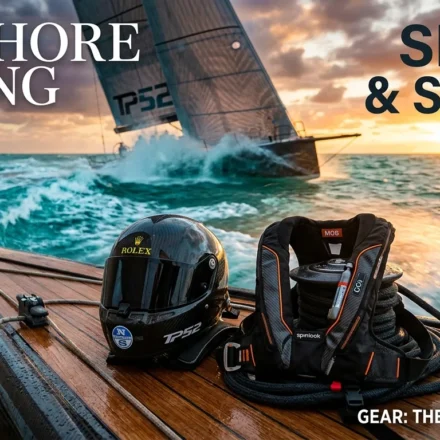
- High-Impact Helmets: Designed to protect against concussions and head trauma during severe impacts.
- Race-Specific Life Vests/Paddlesuits: These are not your casual PFDs. They offer flotation, impact protection, and sometimes integrated communication systems.
- Fire Suppression Systems: Both onboard in the engine compartment and handheld extinguishers in the cockpit are mandatory.
- Communication Systems: Helmet-integrated radios are critical for communication between crew members and with race control.
- Emergency Beacons (EPIRBs/PLBs): For immediate location in case of an incident.
- Survival Suits: Especially in colder waters, these can be crucial for hypothermia protection.
Regular checks of all powerboat safety equipment, both personal and onboard, are non-negotiable. It’s a testament to the sport’s commitment to safety that despite the extreme speeds, serious injuries are relatively rare, largely thanks to stringent rules and high-quality gear. Never compromise on safety; your life and your team’s lives depend on it.
The Practicalities: Budget, Logistics, and Pitfalls
You’ve got the passion, the training, and the team. Now let’s talk brass tacks: what does it really take to get involved in this thrilling sport? This is where reality often sets in, but understanding these elements upfront will save you headaches down the line.
The Real Costs: Budgeting for the Thrill
Honestly, this isn’t a cheap hobby, but the return in excitement is priceless! The financial commitment for offshore powerboat racing can be substantial. Here’s a breakdown of what you might expect:
- Boat Acquisition: Entry-level used racing boats can start from $50,000 to $100,000, while new, competitive boats can easily run into several hundred thousand, even millions for top-tier machines.
- Engines: The heart of your racing boat, engines require significant investment, not just in purchase but in regular rebuilds and maintenance. High-performance engines have limited lifespans between overhauls.
- Maintenance & Repairs: Expect ongoing costs for routine service, repairs from wear and tear, and potential damage from race incidents.
- Fuel: These beasts are thirsty! High-octane race fuel isn’t cheap, and you’ll burn a lot of it in testing and racing.
- Entry Fees & Travel: Race entry fees, travel expenses for your team and boat, and accommodation can quickly add up over a season.
- Insurance: Specialized marine racing insurance is essential and can be costly.
- Team Support & Crew Pay: If you’re not running a purely amateur operation, you might incur costs for professional crew members.
A realistic annual budget, even for an entry-level team, can easily exceed $50,000-$100,000 once you factor in all the variables. It’s crucial to have a clear financial plan and secure adequate sponsorship if you plan on competing consistently. I believe it’s always better to over-budget than to run out of funds mid-season.
Logistics and Maintenance: Keeping Your Machine Race-Ready
Owning a racing powerboat means becoming an expert in logistics and meticulous maintenance. These boats require specialized trailers for transport, and often a dedicated tow vehicle capable of hauling significant weight. Pre-race inspections are exhaustive, covering every nut, bolt, and fluid level. Post-race, engines are often flushed, props inspected, and the entire boat checked for any stress fractures or damage.
Having a skilled pit crew is invaluable. They handle everything from setup and breakdown to emergency repairs. Regular engine servicing, propeller tuning, and hull cleaning are all part of the regimen. Neglecting maintenance is not only a recipe for poor performance but also a significant safety hazard. Think of it like a Formula 1 car; every component is pushed to its limit, and only diligent care ensures reliability and safety.
What to Watch Out For: Common Challenges
While thrilling, offshore powerboat racing isn’t without its challenges. The weather can be your biggest adversary, with conditions changing rapidly, making race days unpredictable. Mechanical failures, despite meticulous maintenance, can still occur, leading to frustrating DNFs (Did Not Finish). The competition is fierce, meaning you’ll always be striving for that extra edge.
Regulations can also evolve, requiring adjustments to your boat or racing strategy. And let’s not forget the inherent risks; while rare, accidents can be serious. Being prepared for these challenges, both mentally and practically, is part of the journey. Understanding the risks allows you to mitigate them effectively, ensuring you can focus on the pure joy of the race.
Common Mistakes Aspiring Offshore Racers Make
As an old salt who’s seen a lot of folks come and go in the racing world, I can tell you that certain pitfalls tend to trip up newcomers. Avoiding these common mistakes can save you time, money, and heartache on your path to becoming a successful racer.
Underestimating the True Costs
This is probably the biggest one. Many aspiring racers budget for the boat and maybe a few races, but they often overlook the recurring expenses: engine rebuilds, prop repairs, fuel, insurance premiums, specialized tools, spare parts, travel, accommodation, and the cost of a good support crew. What seems affordable on paper can quickly balloon, leading to teams having to pull out mid-season. Always build in a significant contingency fund.
Skipping Proper Training and Mentorship
Some get caught up in the excitement and believe their general boating experience is enough. While a good foundation helps, offshore powerboat racing requires very specific skills and knowledge that only formal training or extensive mentorship can provide. Attempting to shortcut this process not only limits your competitive edge but significantly increases the risk of accidents. Find experienced racers willing to share their wisdom; it’s invaluable.
Neglecting Team Dynamics and Communication
A fast boat is only as good as its crew. Problems often arise when team members aren’t on the same page, or worse, have personality clashes. Poor communication, especially during a race, can lead to dangerous errors or missed opportunities. Take the time to build a cohesive team, practice extensively together, and establish clear lines of communication both in and out of the cockpit. Trust is paramount.
Overlooking the Importance of Safety Protocols
In the heat of competition, it can be tempting to push limits or take shortcuts. However, safety should *never* be compromised. This includes everything from meticulously checking all equipment before a race to understanding and adhering to all race rules and emergency procedures. Complacency can have severe consequences in a high-speed, high-impact environment. A truly professional team always prioritizes powerboat safety.
Starting in Too High a Class Too Soon
The allure of the top-tier classes with their massive boats and incredible speeds is understandable. However, jumping into a class that’s beyond your experience level or budget is a recipe for frustration. It’s far better to start in a more manageable, entry-level class, gain experience, hone your skills, and then progressively work your way up. This allows for a more sustainable and enjoyable journey in competitive boating.
Frequently Asked Questions
Is offshore powerboat racing dangerous?
Like any high-speed motorsport, it carries inherent risks. However, stringent safety regulations, advanced boat design, and mandatory safety gear significantly mitigate these dangers. Racers undergo extensive training, and emergency response teams are always on standby during events.
How much does a racing powerboat cost?
The cost varies widely by class and condition. Entry-level used boats might start from $50,000, while top-tier new vessels can easily exceed $1,000,000. This doesn’t include ongoing costs like engine maintenance, fuel, and race entry fees, which can add tens of thousands annually.
Do I need prior boating experience?
While prior general boating experience is certainly helpful, it’s not strictly mandatory for *starting* in offshore powerboat racing. What is essential is undergoing specific training and certification from a recognized racing association. Many start by crewing for experienced teams to learn the ropes.
The roar of the engines, the spray of saltwater, the sheer exhilaration of speed – offshore powerboat racing offers an unparalleled adventure for those bold enough to embrace it. It demands skill, dedication, and a healthy respect for the ocean, but the rewards, both in terms of personal achievement and the bonds forged with your team, are immeasurable. If you’ve felt that call, don’t let it fade. Start your research, connect with the community, and take that first step towards making your high-speed dreams a reality on the open water. We’ll see you on the course!