Displacement vs. Planing Hulls: Your Guide to the Perfect Powerboat
Ahoy there, fellow enthusiasts! As someone who’s spent decades helping people find “their” boat, I know that choosing a vessel is more than just picking a pretty picture. It’s about matching a machine to your dreams, your adventures, and your unique style on the water. For powerboats, one of the most fundamental decisions you’ll make revolves around the hull design: displacement or planing. This choice dictates everything from your speed and fuel efficiency to your ride comfort and the types of journeys you can undertake. Let’s dive in!
Table Of Content
The Displacement Hull: Built for Endurance and Comfort
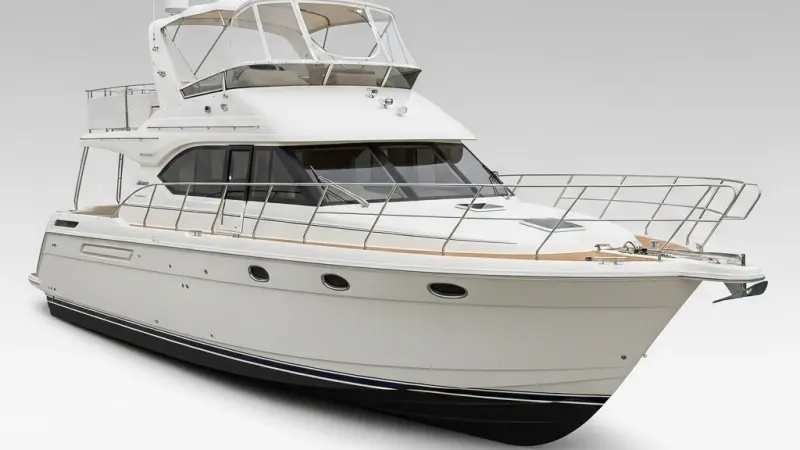
Imagine a classic trawler, gracefully pushing through the waves. That’s likely a displacement hull. These traditional designs are characterized by their rounded, V-shaped, or full-bodied forms that are designed to displace (or push aside) the water as they move. They are built for efficiency at lower speeds.
- Characteristics: Displacement hulls are incredibly stable, providing a smooth, comfortable ride even in choppy conditions. They generally have a long keel – a fin-like extension running along the bottom – which aids in tracking straight and reducing roll. Their speed is limited by their waterline length, meaning they can only go so fast before they start “climbing their own bow wave,” becoming very inefficient.
- Usage & Best Scenarios: Perfect for long-distance cruising, liveaboards, and those who prioritize range, fuel economy at slow speeds, and a relaxed pace. Think coastal cruising, extended voyages, or peaceful weekends exploring remote anchorages. Many larger bluewater vessels (40+ ft) like Nordhavn or Grand Banks trawlers feature displacement or semi-displacement hulls, designed for serious offshore passages.
- Hull Construction: Typically fiberglass for modern vessels, offering durability and ease of maintenance. Steel and aluminum are also common for larger, expedition-style displacement yachts due to their strength and repairability.
- Engine & Propulsion: Usually powered by robust inboard diesel engines (like Yanmar or Volvo Penta), chosen for their reliability, torque, and fuel efficiency at continuous low RPMs. Single screw is common, but twin engines offer redundancy for offshore work.
The Planing Hull: All About Speed and Agility
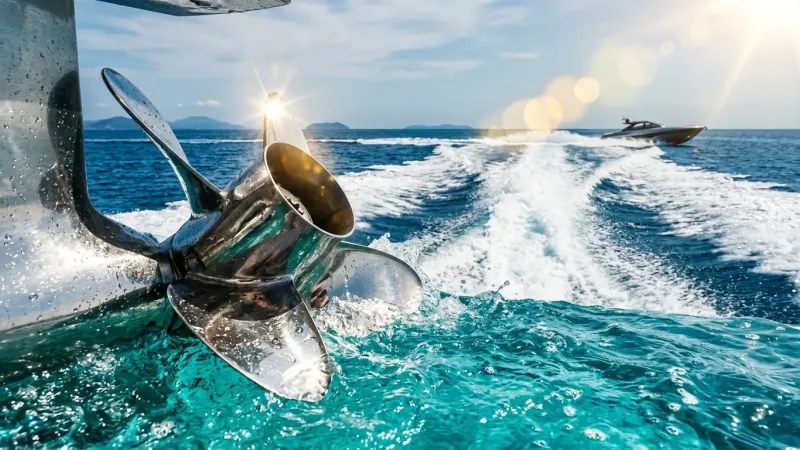
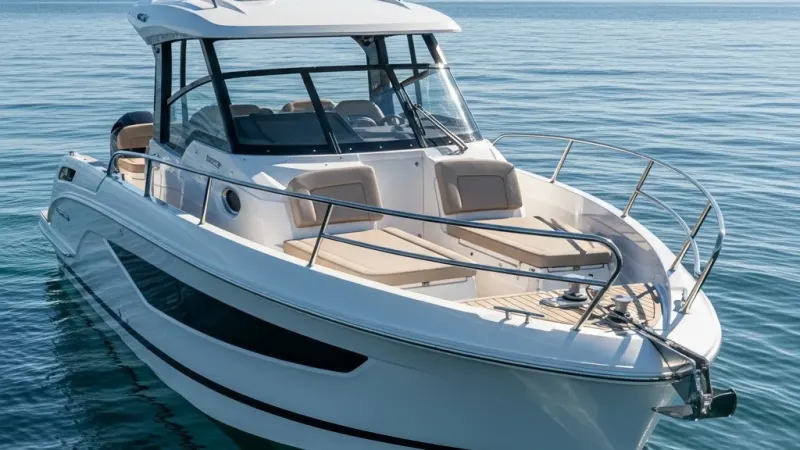
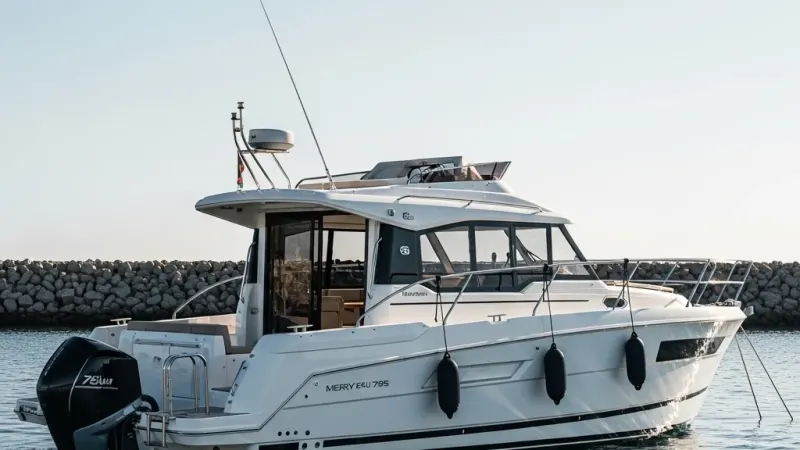
Now, picture a sleek sportfisher or an agile runabout skipping across the water. That’s a planing hull in action. These hulls are designed to lift out of the water and ride on top of it at higher speeds, drastically reducing drag.
- Characteristics: Planing hulls typically have a flatter bottom aft, often with a deep V forward that flattens out towards the stern. They require significant power to “get on plane” – the point where the hull lifts and rides on the surface. Once on plane, they become very efficient for their speed. Below planing speed, they tend to be less efficient and can create a large wake. They offer an exhilarating ride and are highly maneuverable.
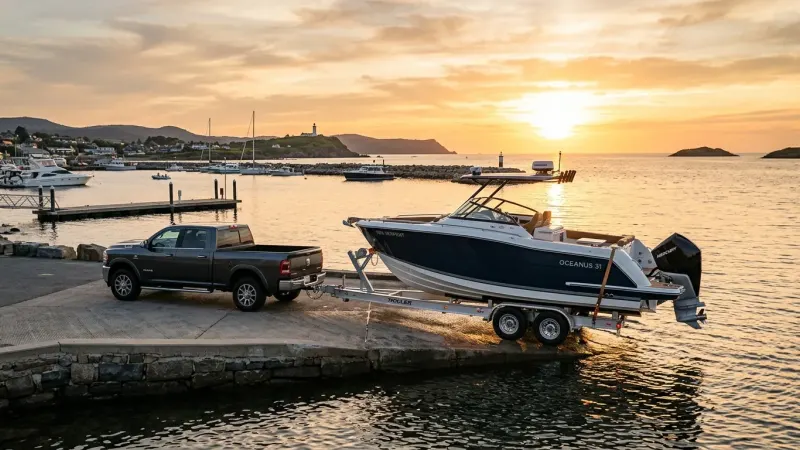
- Usage & Best Scenarios: Ideal for watersports, fishing, day trips, and getting to your destination quickly. Think weekend getaways, family tubing adventures, or offshore fishing tournaments. Common examples include center consoles like Boston Whaler or Grady-White, and European express cruisers like an Axopar 28. These are often day sailers under 25 ft (powerboats for day use) up to cruisers 30-40 ft for weekend trips.
- Hull Construction: Predominantly fiberglass, often with advanced composites like carbon fiber for lighter weight and greater strength in high-performance models. Aluminum is also popular for its durability and lighter weight in some fishing and utility boats.
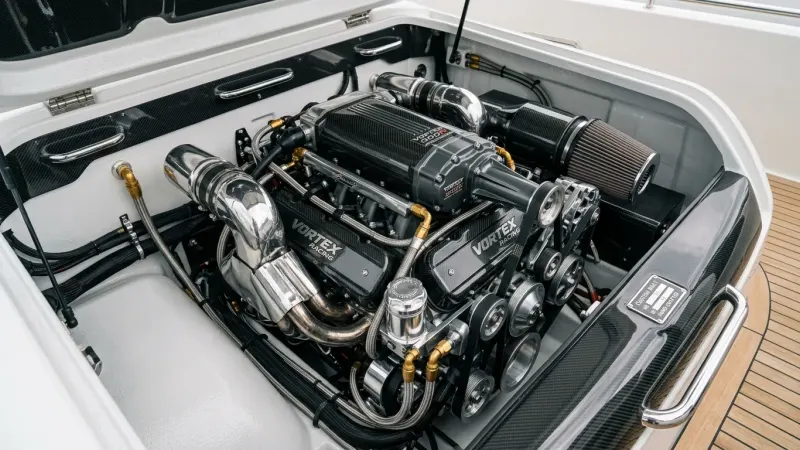
- Engine & Propulsion: Can be powered by outboard engines (single, twin, or even quads for larger vessels), inboard engines with V-drives or straight shafts, or stern drives (also known as I/Os). Brands like Mercury, Yamaha, Honda, and Suzuki dominate the outboard market, while inboard diesels (Yanmar, Volvo Penta) or gasoline engines are common for larger planing cruisers.
The Hybrid: Semi-Displacement Hulls
Many modern powerboats incorporate elements of both, known as semi-displacement hulls. These hulls aim to strike a balance, offering better speed than a pure displacement hull while retaining some of the stability and efficiency at slower speeds. They can plane but often don’t achieve the high speeds of a pure planing hull, trading some top-end for a smoother ride and better range at moderate speeds. Many popular family cruisers fall into this category.
Choosing the Right Hull for Your Cruising Style
So, how do you decide? It all comes back to your boating dreams. Ask yourself:
- What’s Your Pace?
- Do you dream of leisurely coastal crawls, taking in every sunset, and maximizing fuel economy for long journeys? A displacement hull is your friend.
- Are you itching for speed, watersports, island hopping, and getting to that favorite fishing spot quickly? A planing hull will deliver the thrill.
- Where Will You Boat?
- Offshore passages and potentially rougher seas favor the stability and heavy build of a displacement hull.
- Coastal waters, lakes, and rivers are playground for planing hulls, where speed and agility shine.
- What’s Your Budget?
- While displacement hulls are often more fuel-efficient at their optimal speed, they can require larger, more expensive engines for their size to achieve even moderate speeds. Planing hulls might burn more fuel at wide open throttle, but they get you there faster.
- Maintenance schedules are similar for both: annual haul-out and bottom paint to prevent marine growth, and engine service every 100-200 hours or annually, whichever comes first. Corrosion prevention is crucial for all metal components, regardless of hull type.
Your Next Step Towards the Water
Understanding displacement and planing hulls is a critical step in selecting the right powerboat. It’s not just about the boat’s looks; it’s about how it performs and how it aligns with your vision of life on the water. I always advise my clients to sea trial different types of vessels. Feel the difference a displacement hull offers in a swell versus the thrill of a planing hull on a flat-out run. This hands-on experience will solidify your choice.
Ready to explore further? Browse models like the Beneteau Oceanis series (for a sailing comparison, though powerboats are our focus today) or Lagoon catamarans (which are often displacement/semi-displacement for space and stability), and then focus on the powerboat examples we discussed. Talk to a trusted broker, attend a boat show, and most importantly, imagine yourself at the helm, charting your next adventure. Because a boat isn’t just transportation – it’s freedom, escape, family memories, and lifelong stories waiting to be written.