


Welcome Aboard: Understanding Sailboat Rigs
Ah, the vast expanse of the open water! There’s an undeniable allure to harnessing the wind, feeling the boat come alive beneath you as you glide across the waves. For many of us, this isn’t just a pastime; it’s a way of life, a pursuit of freedom and adventure. If you’re dreaming of owning your first sailboat, or perhaps eyeing an upgrade to a vessel that better suits your evolving aspirations, you’ve undoubtedly stumbled upon terms like “sloop,” “ketch,” and “cutter.” These aren’t just quaint nautical terms; they are the bedrock of a sailboat’s character, dictating its handling, performance, and ultimately, its suitability for your unique seafaring dreams.
Table Of Content
- Welcome Aboard: Understanding Sailboat Rigs
- The Ubiquitous Sloop: Simplicity Meets Performance
- What Defines a Sloop?
- Pros and Cons of the Sloop Rig
- Best Scenarios for a Sloop
- The Versatile Ketch: Balance and Blue Water Capability
- What Defines a Ketch?
- Pros and Cons of the Ketch Rig
- Best Scenarios for a Ketch
- The Robust Cutter: Power and Adaptability for the Long Haul
- What Defines a Cutter?
- Pros and Cons of the Cutter Rig
- Best Scenarios for a Cutter
- Making Your Choice: Beyond the Rig – Practical Considerations
- Factors to Weigh in Your Decision
As a seasoned hand in the marine industry, having spent decades around everything from dinghies to superyachts, I can tell you that understanding these fundamental sailboat rigs is one of the most crucial steps in selecting the right boat. The rig – the intricate arrangement of masts, sails, and standing and running rigging – is essentially the boat’s engine, its power plant for converting wind energy into forward motion. It defines how easily a boat can be handled by a single person, how it performs in a heavy blow, and even what kind of voyages it’s best suited for.
Before we hoist our sails and dive into the specifics of each rig, let’s quickly review the core components we’ll be discussing. At the heart of any rig are the mast (the vertical spar), the boom (the horizontal spar for the mainsail), and the sails themselves: the mainsail (aft of the mast) and headsails (forward of the mast, typically a jib or genoa). Supporting these are the standing rigging (fixed wires like shrouds and stays) and controlling them is the running rigging (movable lines like halyards and sheets). Most modern sailboats you see today, especially those built in the last 70 years, feature a Bermuda or Marconi rig, characterized by their tall, triangular sails. Now, let’s explore how the arrangement of these elements shapes the three classic rigs.
The Ubiquitous Sloop: Simplicity Meets Performance
What Defines a Sloop?
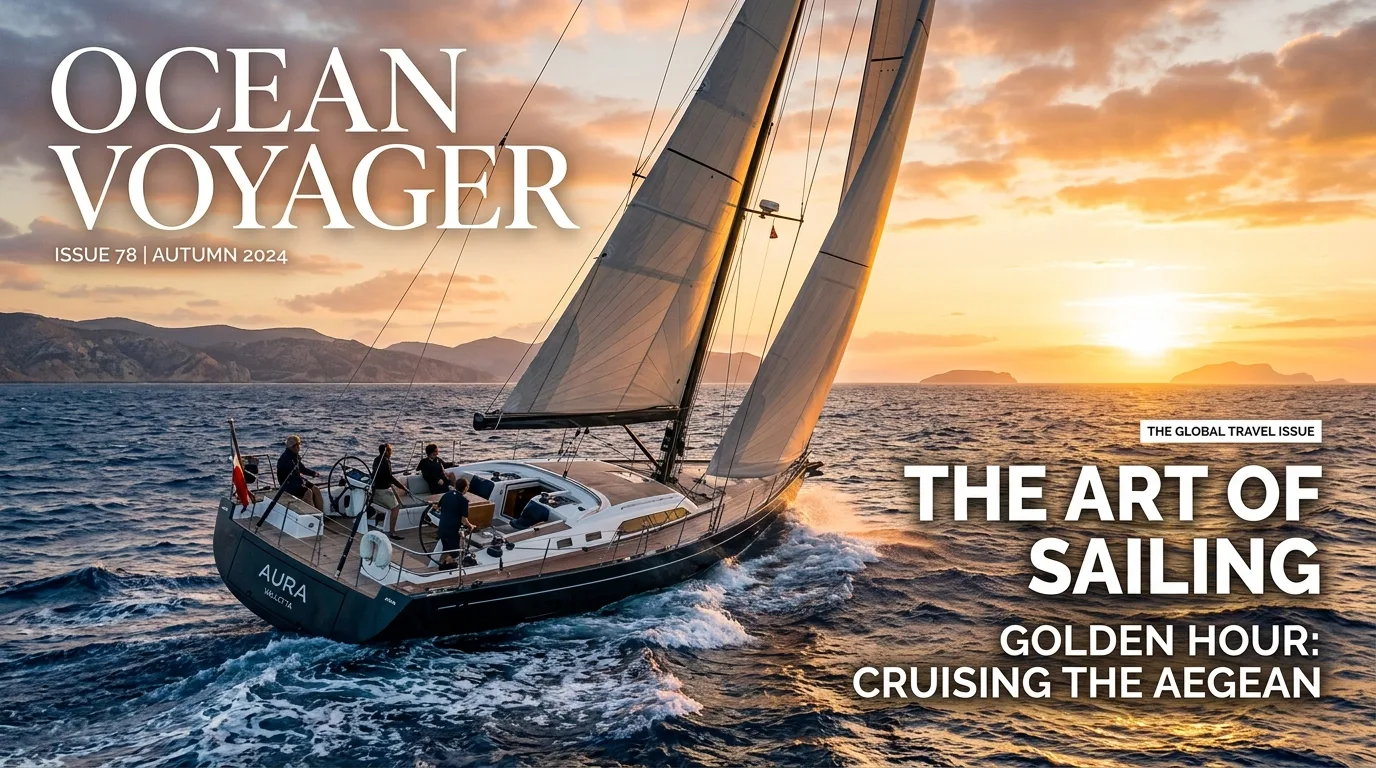
The sloop rig is, without question, the most prevalent configuration you’ll encounter on modern sailboats, dominating everything from small dinghies to substantial cruising yachts. Its defining characteristic is its elegant simplicity: a single mast supporting a mainsail and a single headsail. This headsail can be a smaller jib for general sailing or a larger genoa that overlaps the mast for enhanced light-wind performance and speed. The ease of setting up and managing just two primary sails makes the sloop incredibly appealing to a vast spectrum of sailors.
Within the sloop family, you’ll find a couple of common variations. A fractional rig sloop typically has the forestay (the wire supporting the mast from the bow) attached somewhere below the masthead, allowing for a smaller headsail relative to the mainsail. This offers greater control over mainsail trim and is favored by racers. A masthead rig sloop, conversely, has the forestay attached at the very top of the mast, allowing for a larger headsail and often more raw power, particularly upwind. Both designs prioritize efficiency and straightforward operation, contributing to the sloop’s widespread popularity.
Pros and Cons of the Sloop Rig
- Pros:
- Simplicity: Fewer masts, fewer sails, and less running rigging mean easier handling, especially for single-handers or new sailors. It’s less to buy, less to maintain, and less to go wrong.
- Upwind Performance: Sloops, particularly those with large genoas, are renowned for their excellent ability to sail close to the wind, making good progress to windward. This is a significant advantage in many sailing conditions.
- Cost-Effectiveness: Generally, sloops are less expensive to build, equip, and maintain compared to multi-masted rigs due to less hardware, rigging, and fewer sails. This makes them highly attractive from a budget perspective.
- Speed: For a given length, a sloop often has a larger sail area concentrated in its two primary sails, which can translate to impressive speeds in various conditions.
- Cons:
- Sail Size in Heavy Weather: The large mainsail and genoa, while powerful, can become unwieldy in strong winds. This often necessitates frequent reefing of the mainsail or changing to smaller, heavier-weather headsails (like a storm jib) to maintain control and comfort.
- Limited Sail Division: With only two primary sails, you have fewer options for balancing the boat and managing sail area in changing conditions without directly reefing or changing sails. This can make adjusting to squalls or varying wind strengths a bit more demanding.
- Higher Mast: The single, tall mast can create a higher center of effort, potentially leading to more heeling in strong gusts and requiring more initial stability from the hull.
Best Scenarios for a Sloop
Sloops are fantastic all-rounders, making them ideal for a wide array of sailing activities. They excel at day sailing, coastal cruising, and competitive racing. If you’re a couple or a small family looking for exhilarating afternoon sails, weekend getaways to nearby coves, or even participating in local club races, a sloop is likely your perfect match. Boats like the Catalina 30, Beneteau Oceanis series, or Jeanneau Sun Odyssey line are classic examples of successful sloop designs that have brought joy to countless sailors. Their ease of handling and impressive performance to windward make them a staple in marinas worldwide.
The Versatile Ketch: Balance and Blue Water Capability
What Defines a Ketch?
Stepping up in complexity, the ketch rig immediately distinguishes itself with its two masts. The main mast, located further forward, is typically taller than the aft mast, known as the mizzen mast. Crucially, on a ketch, the mizzen mast is situated forward of the rudder post. This is the key differentiator from a yawl, where the mizzen is aft of the rudder post. A ketch typically carries a mainsail on the mainmast, a headsail (or multiple headsails) on the forestay, and a mizzen sail on the mizzen mast, offering a greater division of sail area.
This two-masted configuration has a rich history, particularly among blue-water cruisers and those undertaking longer voyages. The additional mizzen sail, while smaller than the mainsail, plays a significant role in balancing the boat and offering more nuanced control over sail plan adjustments. Think of it as having an extra gear, allowing you to fine-tune your boat’s performance and comfort across a broader range of conditions than a sloop might allow.
Pros and Cons of the Ketch Rig
- Pros:
- Sail Division and Balance: The primary advantage of a ketch is its ability to divide the total sail area across multiple sails. This means smaller individual sails, making them easier to handle and reducing strain on the rigging and crew, especially in strong winds. The mizzen sail also acts as a powerful balancing tool, helping to reduce weather helm (the tendency of the boat to turn into the wind) and improve directional stability.
- Heavy Weather Performance: Ketches are highly regarded for their heavy weather capabilities. You can drop the main and sail comfortably under just jib and mizzen (often called a “jib and jigger” rig), providing a balanced and easily managed sail plan that reduces pitching and provides steerage even in rough seas.
- Redundancy: With two masts and multiple sails, there’s an inherent redundancy. Should one mast or sail be damaged, the vessel can often still make way under the remaining rig, a significant safety advantage for offshore passages.
- Versatility: The ketch offers more options for adjusting sail area for different points of sail and wind strengths without constant reefing or sail changes. You can easily balance the boat for a comfortable ride, whether motorsailing or reaching.
- Cons:
- Complexity and Cost: More masts, more sails, and more rigging inevitably mean increased complexity, higher initial purchase costs, and greater ongoing maintenance expenses compared to a sloop. There are simply more components to inspect, repair, and replace.
- Upwind Performance: While excellent for cruising, ketches generally don’t point as high or perform as well to windward as a well-tuned sloop of comparable size. The wind shadow of the main on the mizzen can also reduce efficiency.
- Weight and Windage: The extra mast and rigging add weight aloft and increase windage, which can slightly reduce overall performance in very light airs and add to rolling motion in a beam sea.
- Docking Challenges: The extra mast can sometimes interfere with dinghy davits or solar arch installations, requiring more careful planning for stern-mounted equipment.
Best Scenarios for a Ketch
The ketch truly shines in conditions where versatility, comfort, and ease of handling in varying winds are paramount. If your dream involves extensive coastal cruising, long-distance passages, or even circumnavigating the globe, a ketch is an excellent candidate. Many legendary offshore cruisers, like the Tayana 37 or the various designs by Sparkman & Stephens, are ketches for good reason. They offer a balanced helm, a comfortable motion at sea, and the ability to reduce sail area gradually and effectively without excessive effort. This makes them perfect for couples or small crews who value stability and manageability over raw speed, particularly when the weather decides to turn foul.
The Robust Cutter: Power and Adaptability for the Long Haul
What Defines a Cutter?
The cutter rig, like the sloop, features a single mast. However, its defining characteristic lies in its headsail arrangement: a cutter carries two or more headsails set forward of the mast. Typically, this includes a jib (or staysail) set on an inner forestay, and a larger genoa or working jib set on an outer forestay. Often, the mast is set further aft than on a sloop, allowing more space for these multiple headsails. Historically, cutters were known for their powerful sailing capabilities, particularly in rough seas, and their ability to carry a vast amount of sail.
Modern cutter rigs often feature a removable inner forestay, allowing the boat to convert from a sloop-like configuration (using just the outer genoa) to a cutter (adding the inner staysail). This adaptability is a significant draw, enabling sailors to tailor their sail plan to the exact conditions. The staysail, set closer to the mast, is typically a smaller, stronger sail designed for heavy weather, effectively breaking up the large sail area of a single large genoa or mainsail.
Pros and Cons of the Cutter Rig
- Pros:
- Sail Division and Versatility: Similar to a ketch but on a single mast, the cutter rig excels at dividing its sail area. The ability to fly two headsails simultaneously, or swap them out, provides incredible flexibility in sail combinations. You can easily balance the boat and adjust power by deploying or furling the jib or staysail without touching the mainsail.
- Heavy Weather Performance: This is where the cutter truly shines. In a blow, you can drop the large genoa and sail comfortably with just a reefed mainsail and the small, sturdy staysail. This creates a very robust, balanced, and controllable sail plan that reduces stress on the rig and crew, making it a favorite for serious offshore cruisers.
- Redundancy: Having two headsails offers a degree of redundancy. If one headsail system fails, you still have another to rely on. The inner forestay often provides a strong attachment point for a storm jib, further enhancing safety in extreme conditions.
- Stronger Upwind in Chop: The smaller, higher-aspect staysail can perform surprisingly well upwind, especially in choppy conditions where a large genoa might be overpowered or inefficient.
- Cons:
- Complexity and Cost: While having only one mast keeps things simpler than a ketch, the double headsail arrangement means more rigging, more sheets, and potentially more winches than a sloop. This adds to initial cost and ongoing maintenance.
- Light Wind Performance: In very light winds, the overlapping sails can create turbulent air, reducing efficiency compared to a clean, large genoa on a sloop. You might find yourself motorsailing more often in fickle breezes.
- Tacking Challenges: Tacking a cutter can be more involved. The inner forestay and staysail can sometimes make it challenging for the genoa to pass through during a tack, requiring more effort or specific techniques.
- Foredeck Clutter: The additional rigging and potentially multiple furling systems on the foredeck can make it a busier and more cluttered area, impacting anchor handling or dinghy stowage.
Best Scenarios for a Cutter
The cutter rig is the choice for the discerning sailor who values robust construction, adaptability, and ultimate control, especially when venturing into challenging conditions. If your aspirations involve serious blue-water cruising, high-latitude sailing, or simply a boat that instills confidence when the weather forecast looks grim, a cutter is an outstanding option. Many classic offshore designs, such as the Westsail 32 or the venerable Valiant 40, are iconic cutters, celebrated for their seaworthiness and ability to carry their crews safely across oceans. It’s a rig for those who appreciate the ability to fine-tune their sail plan for any given situation, prioritizing safety and comfort over raw speed.
Making Your Choice: Beyond the Rig – Practical Considerations
Now that we’ve explored the nuances of sloops, ketches, and cutters, how do you decide which one is right for you? The truth is, there’s no single “best” rig; only the best rig for your specific needs, experience, and sailing dreams. My advice, after helping countless clients find their ideal vessel, is to look beyond the immediate appeal and consider the practical implications for your sailing life.
Factors to Weigh in Your Decision
- Your Sailing Style and Experience: Are you a weekend warrior sticking to protected coastal waters, or do you dream of ocean passages? Beginners might appreciate the simplicity of a sloop, while experienced cruisers might crave the versatility of a ketch or cutter. Single-handers will also appreciate rigs that divide sail area into smaller, more manageable units.
- Crew Complement: Will you typically sail solo, with a partner, or with a full crew? A sloop can be a handful for one person in heavy weather if it has a large genoa. A ketch or cutter, with their smaller individual sails, can be easier to manage with fewer hands on deck when the wind pipes up.
- Sailing Grounds: Are you sailing in areas known for light, fickle winds, or places with consistent strong breezes and rough seas? Sloops often excel in lighter conditions and upwind performance, while ketches and cutters shine in their ability to handle heavier weather gracefully.
- Budget & Maintenance: Remember, more masts, more rigging, and more sails equal more initial cost and more ongoing maintenance. Sloops generally have lower operational costs. Factor in the cost of sail repair, standing rigging replacement (typically every 10-15 years), and general upkeep for each rig type.
- Performance Expectations: Are you looking for a fast, responsive boat that can win club races, or a comfortable, stable platform for long-distance cruising? Sloops are generally faster for their length, especially upwind, while ketches and cutters prioritize stability, comfort, and ease of handling over raw speed.
- Resale Value: While personal preference reigns supreme, sloops tend to have a broader market appeal due to their commonality and simplicity, which can sometimes translate to quicker sales. However, a well-maintained ketch or cutter with a proven blue-water pedigree will always find an appreciative buyer.
Ultimately, the best way to make your decision is to get out on the water. Charter different rig types, talk to owners, and experience firsthand how each one handles. Perhaps a modern, performance-oriented fractional sloop with a roller-furling genoa and in-mast furling main offers the perfect blend of simplicity and speed for your coastal adventures. Or maybe the robust feel of a traditional cutter, with its ability to sail confidently through a squall under just its staysail, speaks to your inner explorer. For those truly dreaming of distant horizons and extended periods at sea, the balanced helm and sail division of a ketch might be the ultimate comfort and safety blanket.
Each rig has its unique personality and strengths. By carefully considering your sailing ambitions, crew, and the conditions you expect to encounter, you can confidently pick the ideal sailboat rig that will carry you on countless memorable voyages. The right boat isn’t just a vessel; it’s a partner in adventure, and choosing its rig is the first step on that incredible journey.