

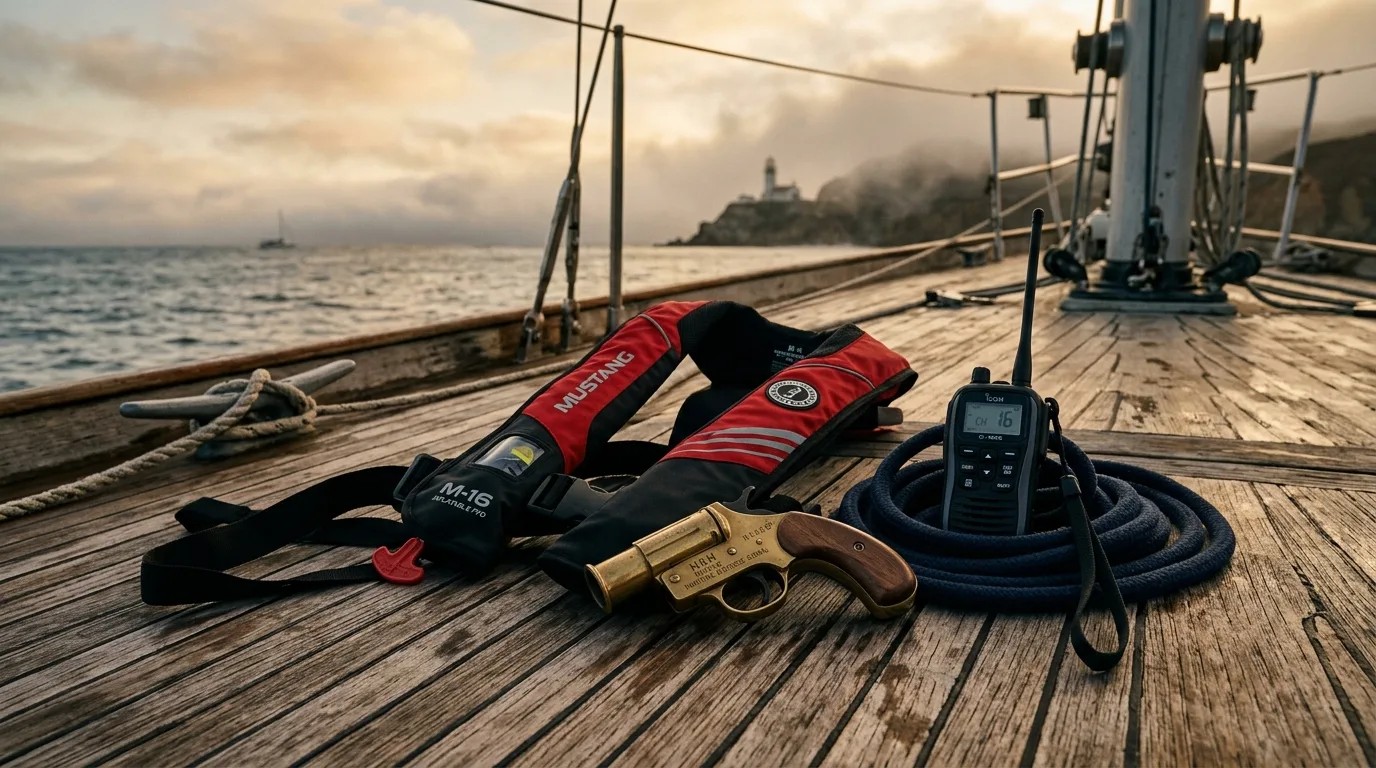

Ahoy, fellow mariners! As someone who’s spent decades living and breathing the boating lifestyle, from the serene calm of a glassy morning to the thrill of a stiff breeze filling the sails, I can tell you this: the most crucial piece of equipment you’ll ever have on board isn’t your gleaming engine or your fancy navigation system. It’s your safety gear. It’s the silent guardian that allows you to enjoy the freedom, the escape, and the unforgettable moments that only life on the water can offer, knowing you’re prepared for whatever comes your way.
Table Of Content
- Personal Flotation Devices (PFDs) – Your Lifeline
- Visual Distress Signals (VDS) – Be Seen, Be Safe
- Audible Distress Signals – Make Some Noise
- Fire Extinguishers – Your First Line of Defense
- First-Aid Kit – Prepared for the Unexpected
- Navigation & Communication – Stay Connected, Stay Found
- Anchoring, Mooring & Dewatering – Essential Control
- Tools & Spares – The Fix-It Kit
- Your Next Steps Towards Safer Boating
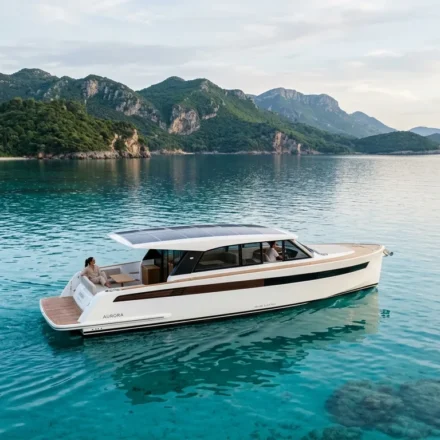
Whether you’re embarking on a quick coastal day trip in your nimble Axopar 28, planning a family adventure on a Beneteau Oceanis 40-footer, or dreaming of bluewater passages on a robust Lagoon catamaran, proper safety equipment isn’t just a recommendation—it’s the law, and more importantly, it’s your peace of mind. Let’s talk about what every vessel, from the smallest day sailer under 25 ft to the grandest cruiser 30-40 ft and beyond, absolutely needs aboard.
Personal Flotation Devices (PFDs) – Your Lifeline
These are non-negotiable. Often called life jackets, PFDs are designed to keep you afloat. The US Coast Guard mandates that you have at least one readily accessible, approved PFD for every person on board, plus one throwable device.
- What to look for: Ensure they are the correct size and fit for each individual, especially children. Check for rips, tears, or mildew. They come in different types (Type I, II, III, IV, V) for various uses, from offshore sailing to watersports.
- Actionable Tip: Don’t just store them away. Have a PFD drill with your crew, so everyone knows where they are and how to properly don them. For those long passages on a Hunter 33 or similar cruiser, consider inflatable PFDs for comfort, but remember they require regular inspection and CO2 cartridge replacement.
Visual Distress Signals (VDS) – Be Seen, Be Safe
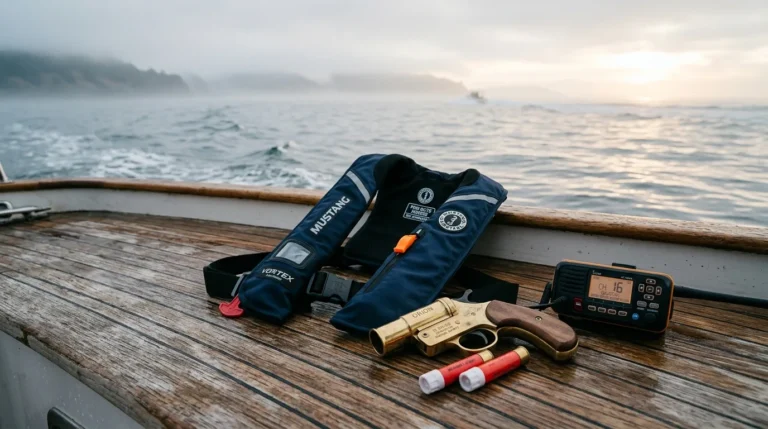
In an emergency, being seen is paramount. VDS include a variety of devices to signal for help, especially after dark or in reduced visibility.
- Flares: Both handheld and aerial flares are essential. Pyrotechnic flares have expiration dates—check them annually and replace as needed.
- Flags & Lights: A distress flag (orange square and black circle) for daytime use, and an electric distress light (strobe or S.O.S. signal) for nighttime.
- Actionable Tip: Keep flares in a waterproof container, easily accessible from the helm of your Boston Whaler or the cockpit of your Catalina 30. Understand how to deploy them safely.
Audible Distress Signals – Make Some Noise
If you can’t be seen, you might be heard. An audible signal can alert nearby vessels or rescuers, especially in fog or low visibility conditions.
- Required: A whistle or horn is required on all boats. Larger vessels, particularly those with an inboard diesel engine like a Yanmar or Volvo Penta, often have powerful air horns.
- Actionable Tip: Test your horn regularly. Ensure everyone on board knows where the whistle is.
Fire Extinguishers – Your First Line of Defense
Fires on board can be devastating. A marine-approved fire extinguisher is a must-have.
- Types: Look for USCG-approved extinguishers, typically B-I or B-II ratings, suitable for flammable liquids and electrical fires.
- Placement: Have them strategically placed near the galley, engine compartment (especially for boats with complex engine systems like a Grady-White sportfish), and sleeping quarters.
- Actionable Tip: Check the pressure gauge monthly and ensure the pin is in place. Know the P.A.S.S. method: Pull, Aim, Squeeze, Sweep.
First-Aid Kit – Prepared for the Unexpected
Accidents happen, even on the calmest seas. A well-stocked, waterproof first-aid kit is crucial.
- What to include: Bandages, antiseptic wipes, pain relievers, seasickness medication, waterproof tape, scissors, tweezers, and any personal medications. Consider adding a trauma kit for longer voyages.
- Actionable Tip: Conduct an annual inventory, just like you would service your engine or haul out for bottom paint. Replace expired items.
Navigation & Communication – Stay Connected, Stay Found
Knowing where you are and being able to call for help are fundamental safety pillars.
- VHF Radio: A marine VHF radio is your primary communication device, broadcasting on channels monitored by the Coast Guard. Consider a handheld backup.
- GPS & Charts: While modern chartplotters are incredible, always carry paper charts and a traditional compass as a backup. GPS devices help you navigate, whether on a displacement hull trawler or a planing hull powerboat.
- Emergency Position Indicating Radio Beacon (EPIRB) or Personal Locator Beacon (PLB): For offshore cruising, these devices transmit your distress signal and location to rescue authorities. Absolutely essential for bluewater sailing on a Jeanneau Sun Odyssey or a classic Herreshoff design.
- Actionable Tip: Learn how to use your VHF radio, including making a “Mayday” call. Familiarize yourself with basic chart reading and compass navigation.
Anchoring, Mooring & Dewatering – Essential Control
Having control of your vessel, whether anchored or taking on water, is critical.
- Anchor & Rode: A properly sized anchor with adequate chain and rope (rode) is vital for holding position, especially in an emergency.
- Bilge Pumps: All boats, from a simple fiberglass day sailer to a complex carbon fiber racing yacht, should have at least one electric bilge pump and a manual backup.
- Actionable Tip: Regularly inspect your anchor rode for chafe. Test your bilge pumps monthly to ensure they are working properly. Carry a spare bucket for manual dewatering.
Tools & Spares – The Fix-It Kit
Small problems can quickly escalate if you don’t have the means to address them.
- Basic Toolkit: Wrenches, screwdrivers, pliers, duct tape, electrical tape, spare fuses, hose clamps, and a utility knife.
- Engine Spares: For vessels with an engine, carry spare fuel filters, oil, belts, and impellers. Regular engine service every 100-200 hours prevents many issues, but spares are your insurance.
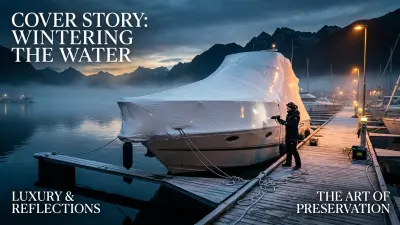
- Actionable Tip: Before each season, especially after winterizing, review your toolkit and spares. Ensure everything is protected from corrosion.
Your Next Steps Towards Safer Boating
Boating is about freedom and joy, and safety is the foundation upon which those experiences are built. Don’t just buy the gear; understand it, maintain it, and practice using it. Think of your safety equipment as an investment in your adventures, your memories, and the well-being of everyone who shares the water with you.
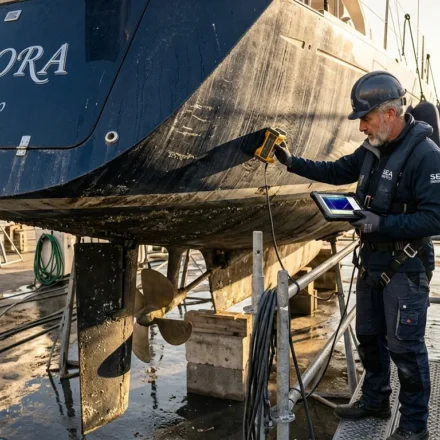
- Inspect Annually: Just like your annual haul-out for bottom paint, make an annual safety gear inspection a priority. Check expiration dates, battery levels, and overall condition.
- Take a Boating Safety Course: Many organizations offer excellent courses that cover not just gear, but also navigation rules, emergency procedures, and more. It will boost your confidence immensely.
- Create a Float Plan: Before any trip, especially longer ones, inform a reliable person ashore of your itinerary, vessel details, and expected return time.
- Practice Makes Perfect: Conduct safety drills with your crew. Knowing what to do instinctively in an emergency can make all the difference.
At Sail & Power & Boats & Motor Yachts, we believe every moment on the water should be safe and spectacular. Equip your vessel wisely, embrace the adventure, and let the horizon call your name with confidence.