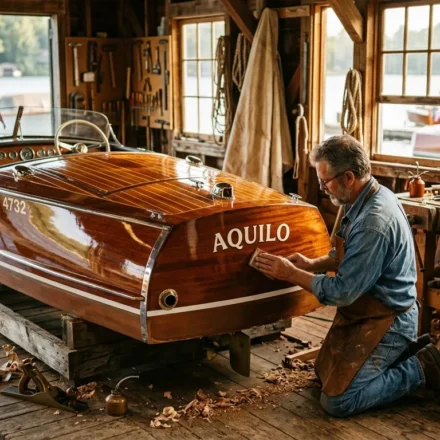


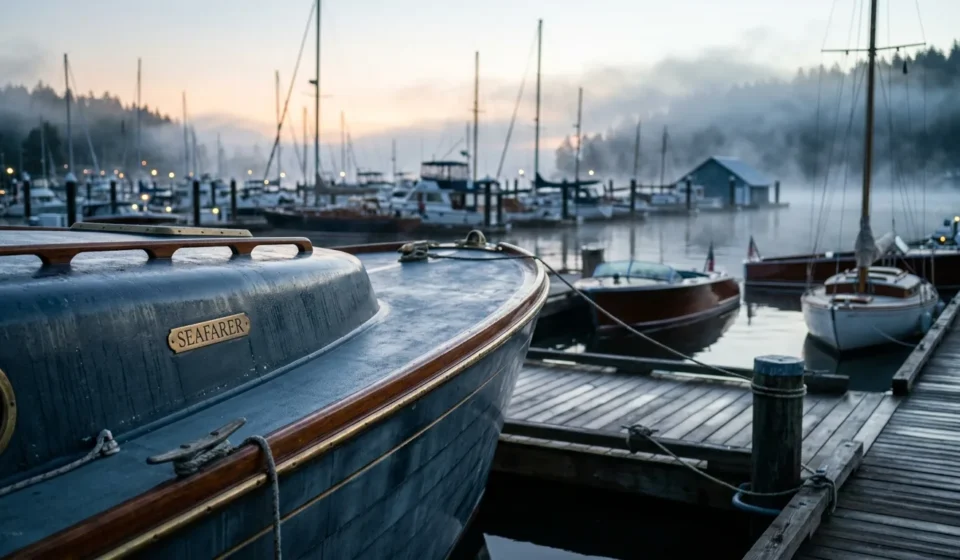

You own a piece of history, a vessel that tells a story not just through her voyages, but through her very construction. A classic fiberglass boat isn’t just an old boat; she’s a testament to an era of craftsmanship, often featuring design elements and construction techniques that are unique and cherished. The temptation might be strong to modernize, to slap on a new coat of paint, or replace old parts with the latest gadgets. But what if your goal is to preserve her authenticity, to maintain that original charm that makes her truly special? It’s a rewarding path, one that respects her heritage and often enhances her long-term value. Let’s dive into how you can do exactly that.
Table Of Content
- Understanding Your Classic’s DNA: The Gelcoat and Beyond
- The Art of Gelcoat Preservation
- Mindful Repairs: Blending Seamlessly
- Mechanical & Structural Integrity: Respecting the Era
- Engine Room Etiquette: Function Over Flash
- Rigging and Hardware: The Right Replacements
- Interior & Exterior Details: The Soul of the Boat
- Bringing Wood Back to Life
- Sourcing Authentic Parts and Materials
- The Long Game: Storage, Stewardship, and Enjoyment
Understanding Your Classic’s DNA: The Gelcoat and Beyond
When we talk about a classic fiberglass boat, the first thing that often comes to mind is that distinctive, original gelcoat. Unlike paint, which sits on top, gelcoat is the actual surface layer of the fiberglass laminate. It’s integral, and preserving it is paramount to maintaining authenticity. A lot of folks see faded, chalky gelcoat and immediately think “paint job.” But honestly, that’s often a shortcut that can diminish a boat’s classic appeal and value. A well-restored original gelcoat has a depth and character that paint just can’t replicate.
The Art of Gelcoat Preservation
Restoring faded gelcoat is a labor of love, but it’s entirely achievable. It typically involves a multi-stage process of compounding, polishing, and waxing. You’ll start with a heavy-cut compound to remove oxidation, then move to finer polishes, and finally seal it all with a high-quality marine wax or sealant. This isn’t just about making it shiny; it’s about bringing back the original pigment and protecting the fiberglass beneath. Always remember to work in small sections and use appropriate tools – a good rotary buffer can save your arms, but technique is everything to avoid burning through the gelcoat.
For example, imagine you’ve just acquired a beautiful early 70s Pearson 30. Her deck is a dull, chalky white, but underneath that oxidation, you can see hints of the vibrant original color. Instead of reaching for the nearest paint sprayer, dedicate a weekend (or several!) to a thorough compound and polish. You’ll be amazed at the depth and luster that returns, a true reflection of her original glory. This kind of authentic care speaks volumes about your stewardship.
Mindful Repairs: Blending Seamlessly
Inevitably, classic boats will have dings, scratches, or even larger fiberglass repairs needed. The key here is to perform repairs that are as invisible and sympathetic to the original construction as possible. This means careful color matching for gelcoat repairs. Modern gelcoat repair kits offer a range of tints to help you get a near-perfect match, especially after the repair has aged slightly. Avoid quick fixes that stand out like a sore thumb; take the time to blend, feather, and polish your repairs so they become part of the boat’s story, not a glaring mistake.
When dealing with structural repairs, always prioritize using materials that are compatible with the original construction. While modern epoxies and fiberglass mat are generally superior, understanding the original layup (e.g., polyester resin, chopped strand mat) can guide your choices to ensure a lasting, integrated repair. Preserving the integrity of the original fiberglass structure is crucial for both safety and authenticity.
Mechanical & Structural Integrity: Respecting the Era
Beyond the gleaming surfaces, the heart and bones of your classic fiberglass boat also demand authentic attention. It’s tempting to rip out an old, reliable but slow diesel and drop in a brand-new, high-horsepower engine. But is that truly preserving her originality? Often, the value of a classic boat lies in her entire package, including the period-correct mechanical systems, even if they require a bit more TLC.
Engine Room Etiquette: Function Over Flash
Many classic fiberglass boats came with engines that, while not as powerful or fuel-efficient as today’s models, are incredibly robust and repairable. Think about those venerable Westerbekes, Universals, or Volvos. Instead of replacing, consider a meticulous rebuild or thorough maintenance. Sourcing original or period-appropriate parts for these engines might take a bit of detective work, but it pays off in maintaining the boat’s character. A well-maintained original engine is a badge of honor for a classic boat owner.
Of course, safety and reliability are paramount. If an engine is truly beyond economical repair or poses a significant safety risk, replacement might be necessary. However, even then, consider an engine that fits the boat’s original specifications regarding weight, horsepower, and footprint, rather than just going for the biggest and newest. It’s about maintaining the boat’s balance and operational feel. I believe this thoughtful approach is what truly sets a dedicated classic boat owner apart.
Rigging and Hardware: The Right Replacements
The standing and running rigging, deck hardware, and thru-hulls are all critical components that contribute to your boat’s functionality and aesthetic. When replacing rigging, ensure you’re using materials and styles that are appropriate for the boat’s age. For instance, swaged terminals were common on older boats; while modern Norseman or Sta-Lok fittings offer advantages, maintaining the original look where feasible adds to the authenticity. Similarly, replacing a classic bronze cleat with a shiny stainless steel one might improve strength, but it certainly changes the boat’s character. Prioritize period-correct materials and designs for deck hardware.
Sourcing these items can be a treasure hunt. Specialized marine hardware suppliers, online forums dedicated to specific boat brands, and even salvage yards can be invaluable resources. Don’t be afraid to put in the legwork to find that perfect, original-style part. It’s part of the adventure of owning a classic.
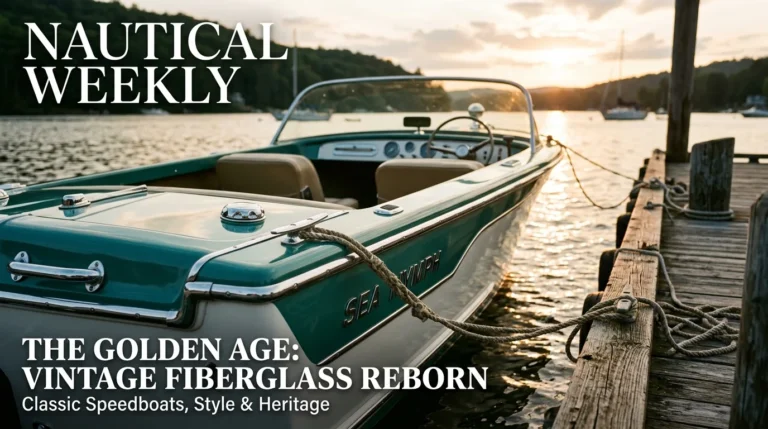
Interior & Exterior Details: The Soul of the Boat
The interior and non-structural exterior elements are where your boat truly shows her personality. From the warmth of her wooden trim to the pattern of her original upholstery, these details are what make her unique. Preserving them is about more than just aesthetics; it’s about maintaining the boat’s historical narrative.
Bringing Wood Back to Life
Many classic fiberglass boats feature beautiful interior and exterior brightwork – teak, mahogany, or other hardwoods. Over time, these can become dull, cracked, or stained. Resist the urge to paint over them. Instead, carefully strip away old varnish or oil, sand meticulously, and reapply a finish that is appropriate for the wood type and the boat’s era. Traditional marine varnishes offer a deep, rich luster that synthetic coatings often miss. For interior wood, a simple oil finish can bring out the natural beauty while being easy to maintain.
Sometimes, wood might be too far gone to restore. In these cases, finding reclaimed marine-grade timber or carefully matching the original wood species is essential. A well-executed piece of new brightwork should blend in seamlessly, looking as if it’s always been there. This dedication to detail significantly contributes to the overall originality and value of your classic fiberglass boat.
Sourcing Authentic Parts and Materials
This is where the real fun begins! From original portlights to specific winch models, finding replacements that match your boat’s vintage can be a challenge, but it’s incredibly rewarding. Online communities like the forums on Sail & Power & Boats & Motor Yachts, brand-specific owner groups, and even eBay can yield surprising finds. Don’t overlook boat jumbles and marine consignment shops. Sometimes, a part from a donor boat of the same era can be the perfect solution.
What if you can’t find an exact match? Then the goal becomes finding something that is stylistically consistent and period-appropriate. A carefully chosen reproduction or a part from a similar classic boat might be the best compromise. The aim is to avoid anything that screams “modern” or “out of place,” maintaining the cohesive aesthetic that defines a classic.
The Long Game: Storage, Stewardship, and Enjoyment
Preserving the originality of your classic fiberglass boat isn’t a one-time project; it’s an ongoing commitment, a philosophy of ownership. Proper storage during the off-season is vital. Covering your boat to protect her from UV rays and harsh weather will significantly extend the life of her gelcoat, brightwork, and interior fabrics. Good ventilation is also key to preventing mildew and rot in those hidden corners.
Ultimately, authentic maintenance is about being a good steward of your vessel’s history. It’s about understanding her origins, respecting her design, and making choices that honor her past while ensuring her future. Don’t be afraid to use your boat! She was built to sail or motor, to take you on adventures. Enjoying her responsibly, while continually tending to her needs with an eye towards authenticity, is the most profound way to preserve her. When you finally step aboard and feel that familiar connection, you’ll know every effort was worth it. Happy boating!