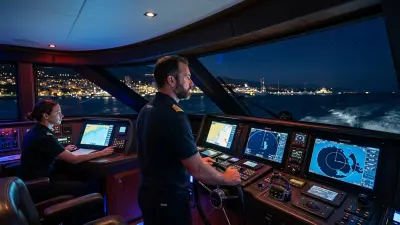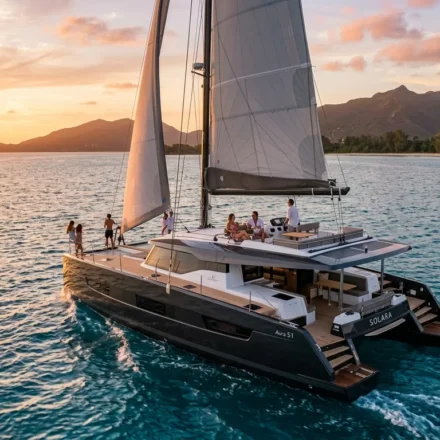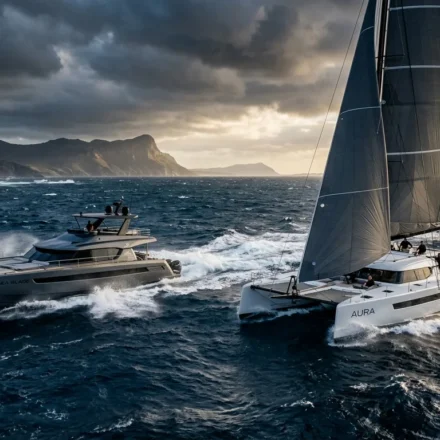


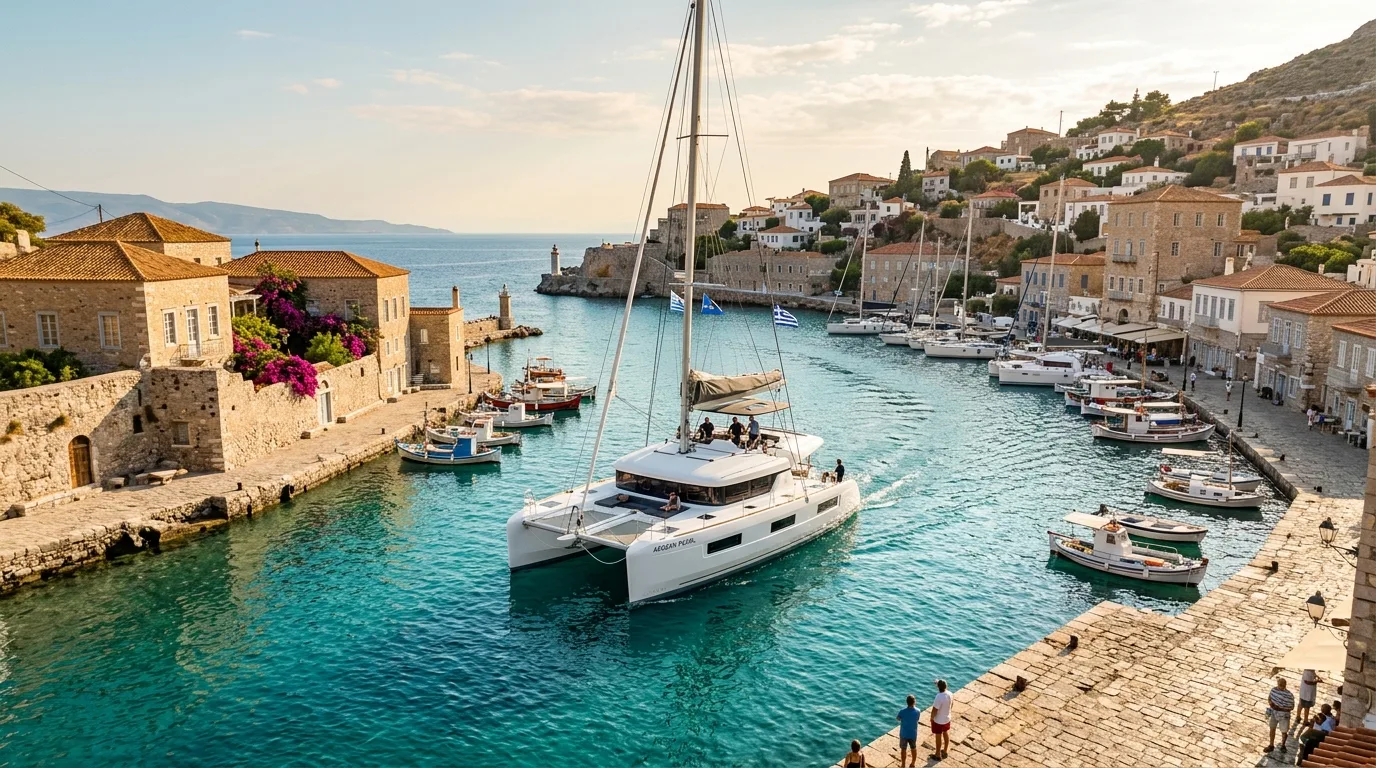

Ahoy, fellow mariners! It’s your seasoned boating enthusiast here, ready to tackle a topic that often sends shivers down the spines of even experienced skippers: docking a catamaran in a tight space. Many folks, especially those transitioning from monohulls – a traditional single-hull boat design – or new to multihulls, worry about handling a wide, twin-hulled vessel in a crowded marina. But I’m here to tell you, with the right knowledge and a bit of practice, docking a catamaran can actually be one of the most satisfying maneuvers you’ll master!
Table Of Content
For decades, I’ve watched countless boats come and go, from nimble day sailers under 25 ft like a classic Catalina 22, to majestic bluewater cruisers over 40 ft such as a Beneteau Oceanis or Lagoon catamarans. And when it comes to catamarans, their unique propulsion system gives you a superpower that monohulls can only dream of: independent twin engines. This is your ultimate weapon in tight spaces!
The Catamaran Advantage: Your Twin-Engine Superpower
Unlike most monohulls with a single engine (often an inboard diesel like a Yanmar or Volvo Penta, sometimes with a saildrive – a propulsion system where the engine drives a propeller shaft through the hull), catamarans boast two engines, one in each hull. Whether you have a sailing catamaran, relying on a Bermuda rig with a mainsail and genoa, or a power catamaran, this twin-engine setup is your secret to pinpoint control.
These engines, often robust outboards or efficient inboard diesels, provide what we call differential thrust. This means you can run one engine forward and the other in reverse simultaneously, effectively turning your catamaran on its own axis. Imagine a tank or a zero-turn lawnmower – that’s the kind of maneuverability you get! There’s very little prop walk – the sideways force generated by a propeller that can push the stern of a single-engine boat to one side – to contend with.
Essential Pre-Docking Checklist
Before you even think about approaching that slip, preparation is key:
- Fenders and Lines Ready: Ensure your fenders – cushions placed between your boat and the dock or another boat to prevent damage – are deployed on the side you plan to dock, at the correct height. Have your dock lines – ropes used to secure your boat to the dock – flaked and ready to throw.
- Brief Your Crew: Everyone on board should know their role. Communication is paramount.
- Check Wind and Current: These are your biggest adversaries (or allies!). Always approach the dock with an understanding of how they’ll affect your boat.
- Engine Check: Start both engines well in advance, ensure they’re warmed up, and do a quick shift into forward and reverse on both to confirm they’re responding correctly.
Mastering the Maneuvers
The golden rule for docking a catamaran (or any boat, really) is: slow is pro. Momentum is both your friend and your enemy. Use just enough to maintain steerage, then kill it when you need to stop. Think of it like bringing a classic Herreshoff design or a modern Boston Whaler sportfish into a tight spot – gentle does it!
1. The “Zero-Turn” Pivot
This is your catamaran’s party trick. To pivot in place:
- Put one engine (e.g., starboard) in forward idle.
- Put the other engine (e.g., port) in reverse idle.
- Your boat will spin almost perfectly on its center point.
- To pivot faster, add a little more throttle, but remember: less is more.
This technique is invaluable for turning your boat to face the dock or for positioning it precisely in a tight fairway.
2. Approaching the Dock
- Angle of Approach: Aim for a shallow angle (around 10-20 degrees) to the dock. This gives you room to correct.
- Use Wind and Current: If the wind or current is pushing you off the dock, approach at a slightly steeper angle to compensate. If it’s pushing you onto the dock, approach almost parallel and use your engines to “walk” sideways.
- Minimal Speed: Approach so slowly that if you had to stop suddenly, you’d only drift a few feet. As you get close, use quick bursts of reverse on the engine away from the dock to straighten up and kill forward momentum.
3. Parallel Parking (The Sideways Shuffle)
Need to slide sideways into a slip? This is where your twin engines shine.
- Get parallel to the dock, a boat length or two away, with your bow slightly past your target spot.
- To move the entire boat sideways to starboard: Engage the starboard engine in forward idle for a moment, then the port engine in reverse idle. Repeat with short bursts.
- To move the entire boat sideways to port: Engage the port engine in forward idle, then the starboard engine in reverse idle.
- This “crab walk” allows you to perfectly position your catamaran like a Lagoon 42 or a Leopard 45 right into the slip.
4. Backing Into a Slip
Many catamarans are easier to control in reverse due to rudder placement or propeller wash over rudders. If you’re backing into a slip:
- Line up your boat well out from the slip.
- Use your pivot technique to get your stern pointed directly at the center of the slip.
- Engage both engines in reverse idle.
- As you back in, use slight differential thrust to steer. Need the stern to go to port? Give a little more reverse throttle to the starboard engine. Need it to go to starboard? More reverse to the port engine.
- Keep your eyes on the pilings and use your crew for distance calls.
Beyond the Dock: Confidence and Maintenance
Practice, practice, practice! The more you use these techniques, the more intuitive they become. Start in calm conditions, perhaps with an empty slip next to you, and gradually build your confidence. Consider taking a specialized boat handling course; many offer training on catamarans, like a modern Axopar 28 or a classic Hunter 33. The thrill of flawlessly docking your Jeanneau Sun Odyssey or Fountaine Pajot catamaran, even in a bustling marina, is a feeling of immense satisfaction.
And remember, reliable engines are crucial for confident docking. Don’t neglect your engine maintenance schedule – annual service every 100-200 hours, checks for corrosion, and proper winterizing steps (if applicable) ensure your engines are always ready to respond when you need them most. Just as you care for your sails with proper cleaning and storage, care for your engines, and they will care for you.
At Sail & Power & Boats & Motor Yachts (boatandsailboat.com), we believe a boat is more than just transportation; it’s a gateway to freedom, escape, and unforgettable family memories. Mastering docking is just one more step toward truly owning that experience. So, get out there, practice your pivots, and embrace the joy of confidently maneuvering your magnificent catamaran!
Your Next Step:
Head to your local marina on a quiet day. Practice pivoting, backing, and approaching an empty slip. Feel the power of those twin engines and build your muscle memory. Before you know it, you’ll be docking like a seasoned pro, ready for any adventure the water throws your way!