Offshore vs. Inshore Fishing Boats: Choosing Your Ideal Battleground Vessel
Ah, the call of the water! Whether you dream of wrestling a trophy marlin in the deep blue or casting for redfish in a serene coastal flat, the right boat is your ultimate partner in adventure. As someone who’s helped countless anglers find their perfect vessel over the decades, I can tell you that understanding the fundamental differences between offshore and inshore fishing boats is the first, most crucial step.
Table Of Content
It’s not just about size; it’s about purpose, design, capability, and the kind of stories you want to write. Let’s dive deep into what makes each type unique, so you can choose your ideal battleground vessel.
The Offshore Warrior: Built for the Blue Horizon
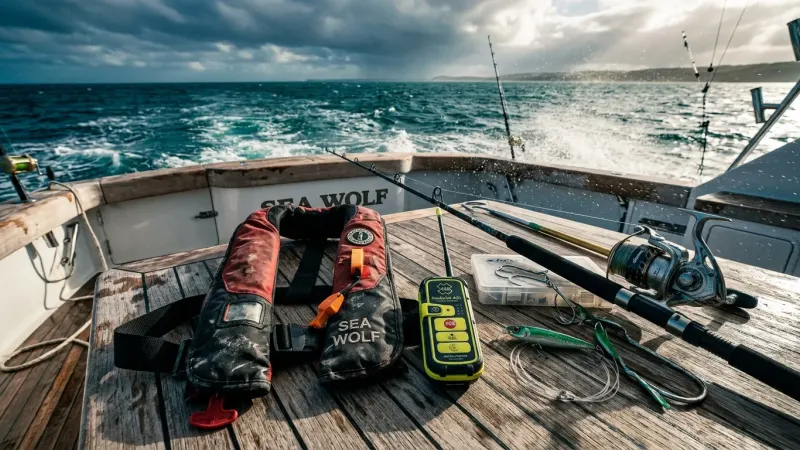
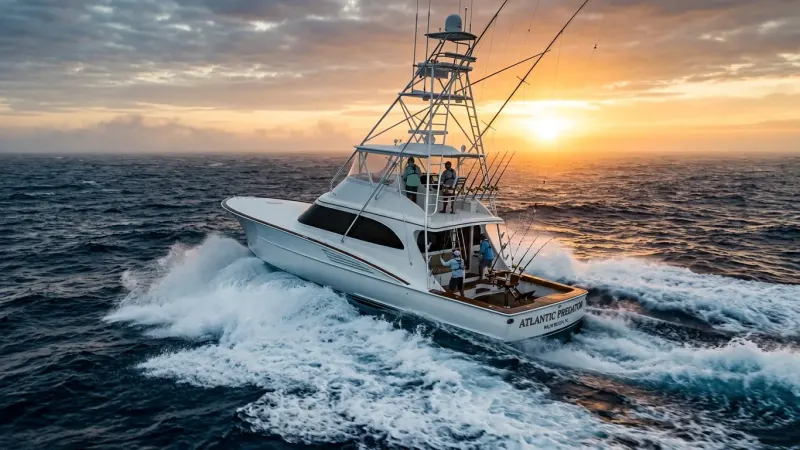
Imagine heading miles out to sea, beyond the sight of land, chasing pelagic giants like tuna, swordfish, or marlin. This is the domain of the offshore fishing boat. These vessels are designed to tackle rough seas, cover vast distances, and keep you safe and comfortable when the conditions get sporty.
- Boat Size & Typical Uses: Offshore boats typically range from 30 feet and up, with many sportfish yachts exceeding 60 feet. They are built for serious deep-sea fishing, multi-day excursions, and handling challenging ocean conditions. Think bluewater adventures, often 20-100+ miles from shore.
- Hull & Construction: You’ll find robust monohulls – a traditional single-hull boat design – with a deep-V hull design. This sharp keel angle at the bow helps them cut through waves, providing a smoother ride in choppy waters. Construction is almost always heavy-duty fiberglass for strength and durability, though some larger custom vessels might use aluminum or even carbon fiber for specific performance characteristics.
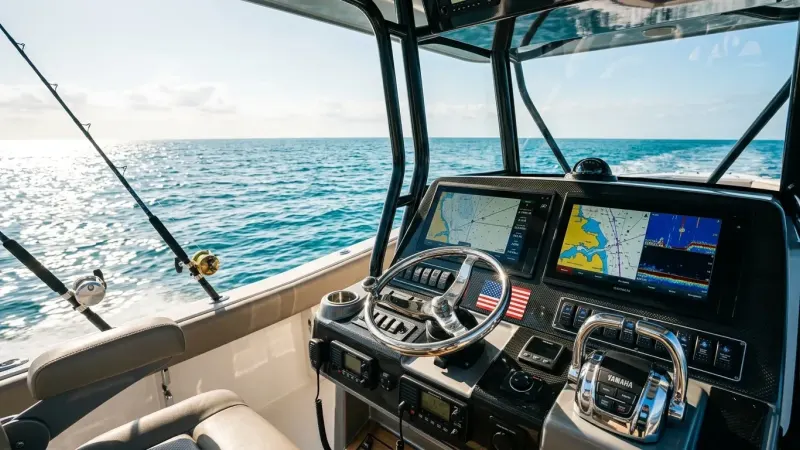
- Engine & Propulsion: Reliability and power are paramount. Most offshore boats feature powerful inboard diesel engines (common brands like Yanmar, Volvo Penta, MAN) for range and fuel efficiency, or multiple high-horsepower outboards (often triple or quad installations from Mercury, Yamaha, Suzuki) for speed and redundancy. These boats often have large fuel tanks for extended range.
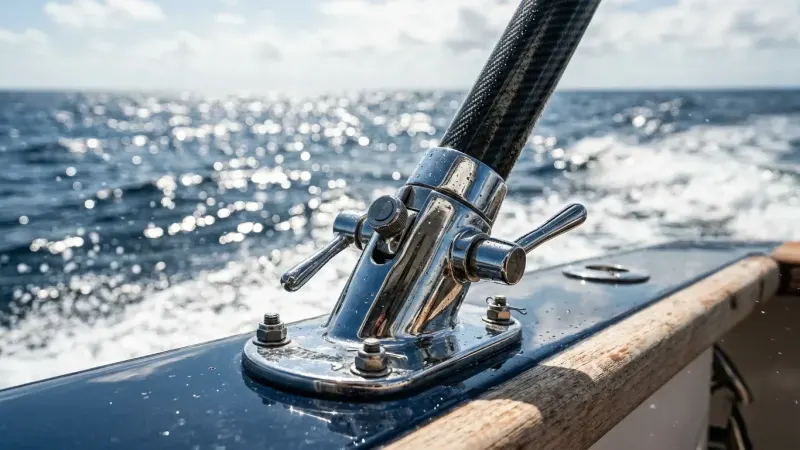
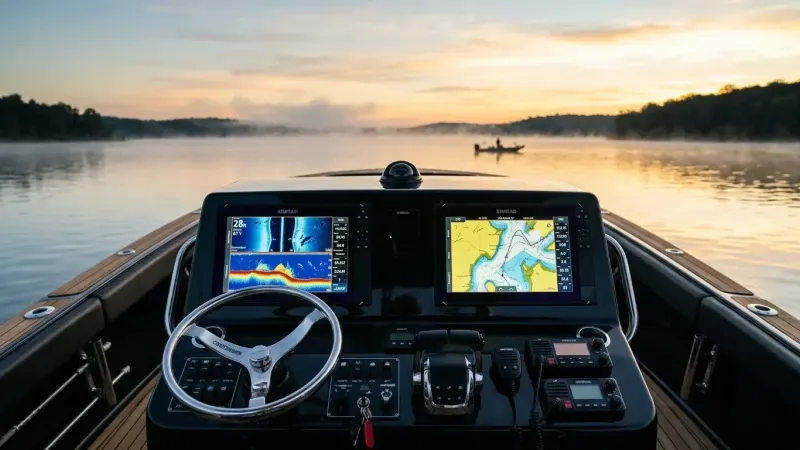
- Rigging & Features: Expect serious fishing amenities: large livewells (tanks to keep bait alive), multiple fish boxes with macerators, outriggers (long poles that spread fishing lines out to the sides), robust rod holders, bait prep stations, and sometimes a tuna tower for spotting fish from above. Advanced marine electronics are standard: high-resolution GPS chartplotters, radar for navigation and weather, and powerful CHIRP sonar for deep-water fish finding. Many also include cabins with berths, heads (marine toilets), and galleys for extended trips.
- Real Boat Examples: Grady-White Canyon series, Boston Whaler Outrage (larger models), Pursuit, Viking Yachts, Hatteras.
- Maintenance: Due to their complexity and exposure to harsh conditions, offshore boats require rigorous maintenance. This includes annual haul-outs for bottom paint and hull inspection, engine service every 100-200 hours or annually, thorough corrosion prevention on all metal components, and regular checks of all electrical and plumbing systems.
The Inshore Skiff: Mastering the Shallows
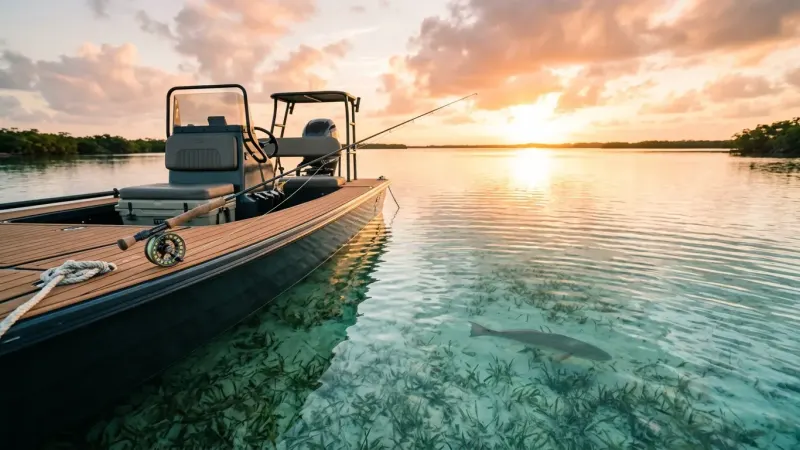
Now, picture yourself silently poling through a mangrove estuary, stalking redfish on a shallow flat, or dropping a line on a nearshore reef just a few miles from the beach. This is the playground of the inshore fishing boat. These vessels prioritize shallow draft, maneuverability, and ease of trailering.
- Boat Size & Typical Uses: Inshore boats generally range from 15 to 30 feet. They are ideal for bays, estuaries, rivers, coastal flats, and nearshore reefs. Perfect for day trips, weekend fishing, and family outings where accessing skinny water is key.
- Hull & Construction: Hull designs vary widely to suit specific inshore needs: flat-bottomed skiffs for ultimate shallow-water access, modified-V hulls for a balance of shallow draft and comfort in light chop, and planing hulls that lift onto the water’s surface at speed. Fiberglass is common, but aluminum skiffs are also popular for their durability and lighter weight.
- Engine & Propulsion: Almost exclusively powered by outboard engines (Mercury, Yamaha, Suzuki, Honda) for their shallow draft capability, ease of maintenance, and maneuverability. Often equipped with a jack plate – a device that allows the engine to be raised or lowered – for navigating extremely shallow water. Many also feature trolling motors for silent, precise positioning.
- Rigging & Features: Focus is on open deck space for casting, ample storage, smaller livewells, integrated coolers, and sometimes poling platforms for sight fishing. Electronics are typically simpler GPS/sonar combos. Less emphasis on extensive overnight accommodations.
- Real Boat Examples:
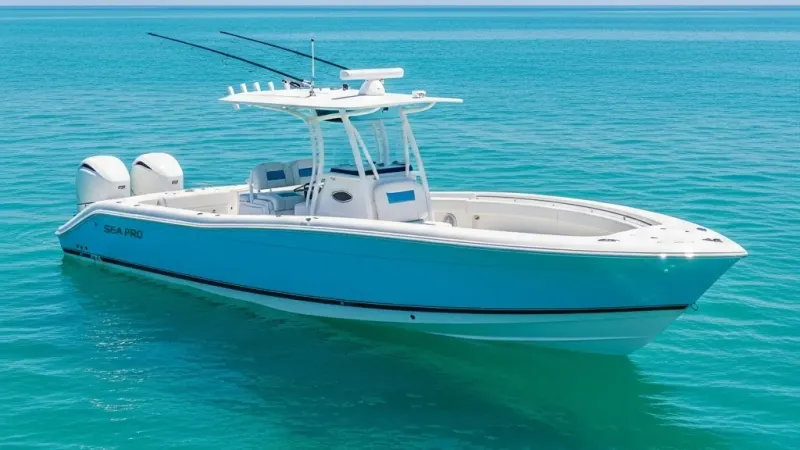
Skiffs (e.g., Carolina Skiff), Bay Boats (e.g., Pathfinder, Maverick), smaller Center Consoles (e.g., Boston Whaler Montauk, Axopar 28 for versatile nearshore use), Hewes Redfisher.
- Maintenance: Generally less complex but still vital. Regular outboard engine service (every 100 hours or annually), thorough washdowns after saltwater use, trailer maintenance (bearings, tires, lights), and proper care for electronics.
Choosing Your Ideal Vessel: Practical Steps
So, how do you decide? It all comes back to your vision for life on the water. Here’s how to narrow down your choice:
- Define Your Fishing Grounds: Are you dreaming of distant offshore canyons or peaceful coastal flats? This is the most critical factor.
- Consider Your Target Species: Big game like Marlin demands an offshore vessel; Redfish and Snook thrive inshore.
- Evaluate Your Crew & Comfort: Solo angler or family adventures? Offshore boats offer more amenities; inshore boats are often simpler, open designs.
- Assess Your Budget: Offshore boats typically have a higher initial cost, greater fuel consumption, more expensive maintenance, and potentially higher storage fees. Be realistic about the total cost of ownership.
- Think About Trailering & Storage: Inshore boats are generally easier to trailer and store, saving on marina fees.
- Take a Test Drive (or several!): There’s no substitute for getting on the water. Experience how different boats handle in the conditions you plan to fish. For used boats, always hire a qualified marine surveyor for a thorough inspection before purchase.
Remember, a boat is more than just a piece of equipment; it’s a gateway to freedom, escape, and unforgettable family memories. Whether you choose the robust offshore warrior or the nimble inshore skiff, your boat will become a part of your story.
At boatandsailboat.com, we believe every angler deserves the right vessel to chase their passion. Take these insights, consider your dreams, and embark on the exciting journey of finding your perfect fishing machine. The water is calling!