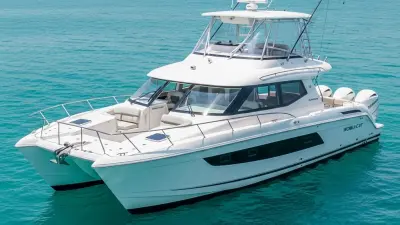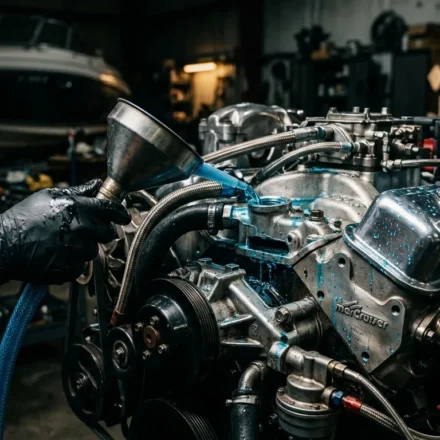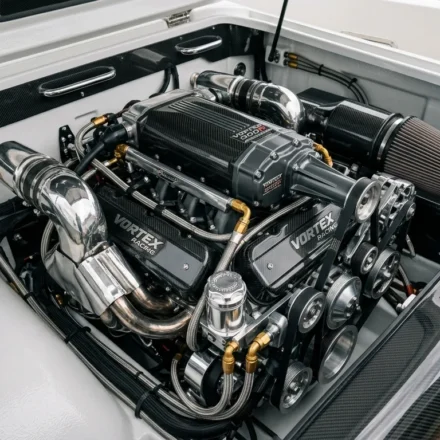


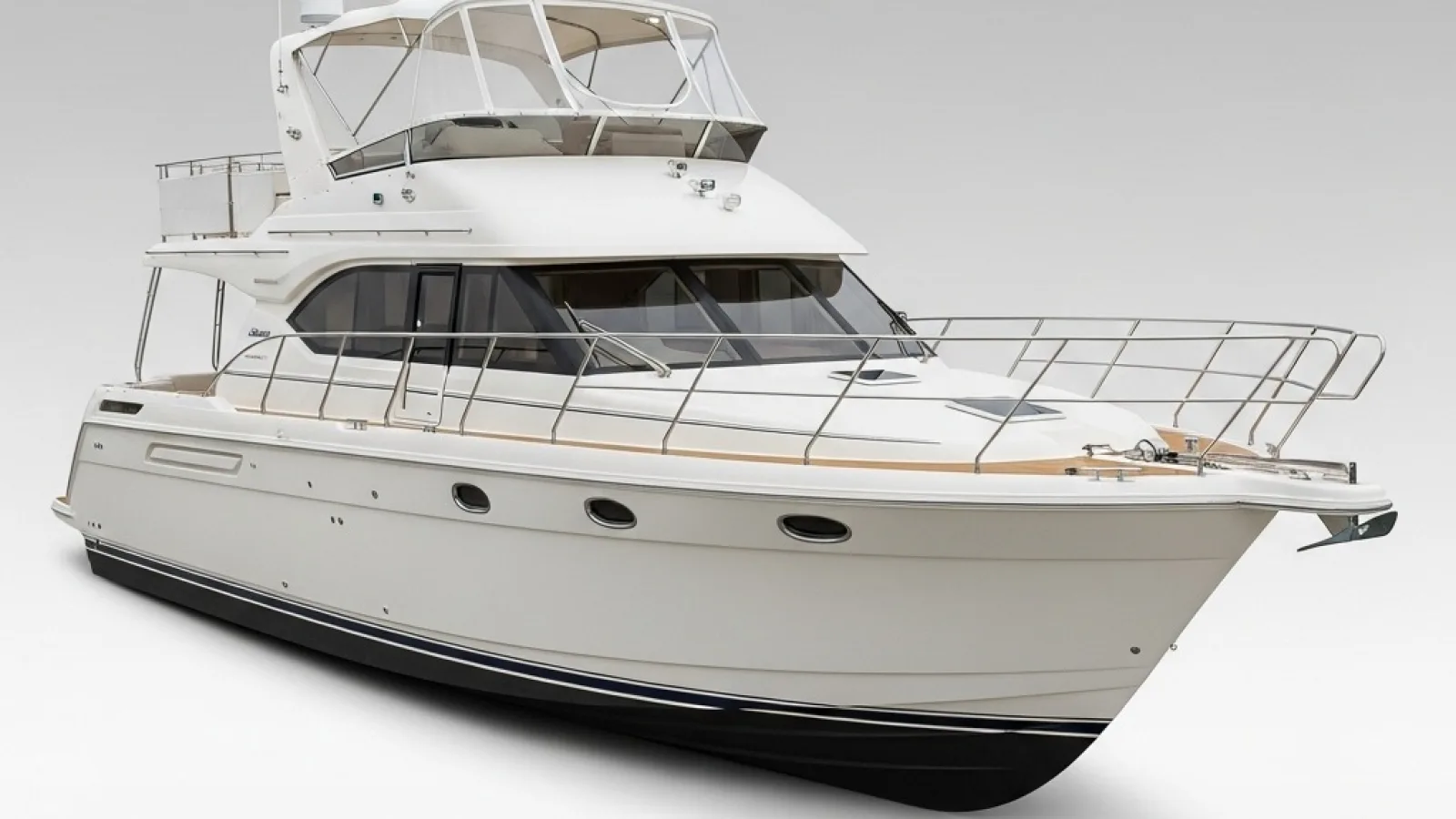

As a seasoned mariner who’s witnessed countless vessels grace our docks and waterways, few models command the enduring respect and active market presence quite like the Bayliner 3870 Motoryacht. Renowned for hitting a sweet spot between affordability, spaciousness, and practicality, this vessel, later known as the 3780 and then the 3888 Motoryacht, carved out a unique niche in the boating world. Produced from the late 1970s through the mid-1990s, it defied expectations, becoming a true workhorse and a beloved home-away-from-home for many. If you’re looking for a comfortable, economical cruiser that offers remarkable bang for your buck, understanding the legacy and intricacies of the Bayliner 3870 is your first step towards a fantastic journey.
Table Of Content
- A Legacy of Space and Efficiency: The 3870’s Enduring Design Philosophy
- Innovative Layouts for Maximum Comfort
- Hull Form and Performance
- Powering the Dream: Engine Options and Fuel Economy
- Original Powerplants
- Unmatched Fuel Efficiency
- Navigating Ownership: Common Challenges and Smart Solutions
- Aging Systems and Infrastructure
- The Engine Spares Conundrum
- Moisture Intrusion: Decks, Transom, and Windows
- The Enduring Value Proposition: Buying, Selling, and Living Aboard
A Legacy of Space and Efficiency: The 3870’s Enduring Design Philosophy
The Bayliner 3870 was more than just another boat; it was a statement. In an era where many manufacturers focused on speed or sheer luxury, Bayliner honed in on delivering maximum usable space and fuel efficiency at a price point that made extended cruising and even liveaboard dreams accessible to a broader audience. This philosophy is evident in every thoughtful detail of its design, from the innovative hull to the groundbreaking interior layout.
First hitting the market around 1979 as the 3870, this model quickly gained traction. Its designation evolved over its production run, becoming the 3780 Motoryacht in the early 1980s and finally the 3888 Motoryacht from 1989 until the mid-1990s. Despite the name changes, the core hull design and revolutionary interior arrangement remained largely consistent, a testament to its initial success and timeless appeal. This consistency allowed Bayliner to refine aspects over the years, but the fundamental strengths always shone through.
Innovative Layouts for Maximum Comfort
What truly set the Bayliner 3870 apart from its contemporaries was its ingenious mid-cabin floorplan. While most boats of this size would struggle to offer a comfortable two-stateroom layout, the 3870 delivered with aplomb. It features a spacious master stateroom forward, complete with an island berth and ample storage, a luxury often reserved for much larger yachts. But the real stroke of genius lies aft.
The guest stateroom, often referred to as the “mid-cabin,” tucks a cozy double berth ingeniously under the main salon sole. This design decision maximized headroom and usability in the salon above while providing a private, comfortable space below. With two heads, one of which often includes a full shower/tub combination, the 3870 offers a level of privacy and comfort rarely found in a boat under 40 feet. This makes it an ideal choice for families, cruising couples with guests, or even full-time liveaboards seeking practical accommodations.
| Specification | Detail |
|---|---|
| Centerline Length | $38 text{ ft } 2 text{ in } (11.63 text{ m})$ |
| Beam (Width) | $13 text{ ft } 5 text{ in } (4.09 text{ m})$ |
| Draft | $3 text{ ft } 2 text{ in } (0.97 text{ m})$ |
| Dry Weight / Displacement | $17,500 text{ to } 19,608 text{ lbs}$ |
| Hull Type | Modified-V, Semi-Displacement |
| Fuel Capacity | $304 text{ to } 390 text{ U.S. Gallons}$ (Diesel) |
| Water Capacity | $80 text{ U.S. Gallons}$ |
| Accommodations | 2 Staterooms, 2 Heads (one with a tub/shower) |
Beyond the sleeping quarters, the main salon is remarkably bright and airy, thanks to large windows. A standard lower helm station provides excellent visibility and protection from the elements, making it perfect for year-round cruising or navigating in inclement weather. The galley is well-appointed for its size, offering plenty of counter space and storage, suitable for preparing meals for extended trips. This holistic approach to interior design means every inch of the 3870 feels thoughtfully utilized, contributing significantly to its excellent long-term review scores among owners.

Hull Form and Performance
The Bayliner 3870’s foundation is its semi-displacement hull form. Unlike planning hulls, which are designed to lift out of the water and achieve higher speeds, a semi-displacement hull is built for efficiency and a more comfortable ride at moderate speeds. This design choice was deliberate and crucial to the 3870’s success, allowing it to move through the water with less effort and, consequently, less fuel consumption.
While not a speed demon, the 3870 offers a stable and predictable ride, particularly in choppy conditions. Its broader beam contributes to excellent initial stability, making life aboard more comfortable at anchor or underway. For cruisers who prioritize comfortable passages, fuel economy, and ample living space over blistering speed, the semi-displacement hull is a perfect match, embodying the pragmatic spirit of this classic motoryacht.
Powering the Dream: Engine Options and Fuel Economy
A significant factor in the Bayliner 3870’s enduring popularity is its commitment to diesel power. Diesel engines are renowned for their longevity, robust torque output, and, critically for cruisers, superior fuel efficiency compared to gasoline engines. This choice of propulsion was instrumental in making the 3870 a practical and economical option for extended voyages.
Original Powerplants
Early models of the 3870 were typically equipped with twin low-horsepower diesel engines, a smart move for a semi-displacement hull where efficiency trumps raw power. The most common original setup featured twin 130 HP Chrysler Mitsubishi 6-cylinder diesels. These engines, while no longer in production, were known for their reliability and smooth operation, providing ample power for comfortable cruising speeds.
As the model evolved into the 3780 and later the 3888, Bayliner transitioned to other reputable diesel manufacturers. Many later models, particularly the 3888, were powered by twin 175 HP U.S. Marine diesels or 210 HP Hino diesels. These engines offered a modest bump in power, allowing for slightly higher cruising speeds while maintaining the vessel’s excellent fuel consumption characteristics. Regardless of the specific power package, the emphasis was always on reliable, economical diesel performance.
| Operating Mode | Speed (Approx.) | Fuel Burn (Per Engine) | Total Fuel Burn (Approx.) | Fuel Economy |
|---|---|---|---|---|
| Economical Displacement | $8 text{ to } 10 text{ mph}$ | $1.5 text{ GPH}$ | $3.0 text{ GPH}$ | $approx 3.0 text{ miles per gallon}$ |
| Cruising (Planing) | $14 text{ to } 16 text{ knots}$ | $approx 4.5 text{ GPH}$ | $approx 9.0 text{ GPH}$ | $approx 1.5 text{ miles per gallon}$ |
| Top End | $18 text{ to } 20 text{ knots}$ | N/A | $approx 15 text{ GPH}$ | $approx 1.0 text{ miles per gallon}$ |
Unmatched Fuel Efficiency
One of the greatest advantages of the Bayliner 3870 is its remarkable fuel consumption, especially when operated in its efficient displacement or semi-displacement mode. While specific figures can vary based on engine condition, load, and sea state, many owners consistently report impressive numbers.
For example, a typical 3870/3888 cruising at 7-8 knots (a comfortable displacement speed) can achieve an astonishing 1 mile per gallon (MPG) or even better with its twin diesels. This means that with its generous fuel tank capacity, a Bayliner 3870 can offer an extended cruising range, making long-distance trips significantly more affordable and less constrained by fuel stops. Compare this to many planing hull motoryachts of similar size, which might burn several times as much fuel at the same speed, and the 3870’s economic appeal becomes crystal clear.
Here’s a general overview of typical performance and fuel consumption:
| Engine Type | Horsepower (each) | Cruise Speed (knots) | Approx. Fuel Burn (GPH @ Cruise) | Approx. Range (NM, given 300 gal tank) |
|---|---|---|---|---|
| Chrysler Mitsubishi | 130 HP | 7-8 | 5-7 GPH (total) | 350-450 NM |
| U.S. Marine / Hino | 175-210 HP | 8-9 | 7-9 GPH (total) | 300-400 NM |
Note: These figures are approximations and can vary based on boat condition, propeller pitch, and operating conditions. Always conduct a sea trial to verify performance.

Navigating Ownership: Common Challenges and Smart Solutions
While the Bayliner 3870 offers exceptional value, it’s essential for prospective owners to understand that any vessel approaching four decades of age will have its quirks and require attention. Awareness of common issues allows for informed inspection, negotiation, and budgeting, transforming potential headaches into manageable projects.
Aging Systems and Infrastructure
The electrical wiring, plumbing, and any installed HVAC or hot water systems on a Bayliner 3870 are now approaching 30-40 years old. This means that components like hot water tanks, outdated electronics (navigation, stereo), and even the generator (if equipped) are likely nearing or past their service life. Expect to budget for upgrades and replacements here. A thorough electrical survey can identify brittle wiring or corroded connections that will need addressing for safety and reliability.
Similarly, the plumbing system, including freshwater lines, waste hoses, and pumps, will likely show signs of age. Fresh water tanks, while robust, may need cleaning or inspection for internal corrosion, and fuel tanks should always be a priority for inspection. Proactive replacement of hoses and pumps can prevent inconvenient and messy failures down the line.
The Engine Spares Conundrum
The original Chrysler/Mitsubishi and later Hino/U.S. Marine diesels, while generally reliable, are now out of production. This presents a challenge in sourcing replacement parts, especially for major components. While routine maintenance items like filters, belts, and impellers are often generic or can be cross-referenced, finding specific engine parts for rebuilds or significant repairs can be difficult and expensive. It’s not impossible, but it requires patience and often a willingness to scour specialty marine salvage yards or engine rebuilders.
When considering a purchase, prioritize the engines’ health. Look for well-documented service records, evidence of consistent maintenance, and a clean bill of health from a qualified diesel mechanic. A thorough oil analysis can also reveal underlying issues that aren’t immediately apparent. Be prepared for the possibility that a significant engine overhaul or even repowering could be a future expense, and factor that into your offer.
Moisture Intrusion: Decks, Transom, and Windows
Like many production boats of its era, the Bayliner 3870 utilized cored construction in its decks, flybridge, and sometimes the transom. Over time, poorly sealed hardware, old thru-bolts, or impacts can allow moisture to penetrate the core material, leading to delamination and soft spots. A professional pre-purchase survey with a moisture meter is absolutely non-negotiable to identify these areas. Repairs can range from relatively simple re-coring of small sections to extensive, costly structural work.
Another common complaint among 3870 owners relates to leaking side and front windows. The original sealants and rubber gaskets degrade over the decades, leading to water intrusion into the salon, often staining interior wood or damaging subflooring. This typically necessitates professional removal of the frames, cleaning, and resealing with modern, durable marine sealants. While a significant undertaking, addressing window leaks can dramatically improve the boat’s interior condition and prevent further damage.
To help you navigate these potential issues, here’s a quick pre-purchase inspection checklist for a Bayliner 3870:
- Full Survey: Always, always, always get a professional marine survey, including a hull tap test and moisture meter readings.
- Engine Health: Demand service records, get a mechanic’s inspection, and consider oil samples. Check for excessive smoke, strange noises, or leaks during a sea trial.
- Soft Spots: Walk every inch of the deck, flybridge, and transom, feeling for any spongy areas underfoot.
- Window Seals: Inspect all window frames and surrounding interior for water stains or dampness.
- Fuel Tanks: Inquire about their material (aluminum tanks can corrode) and inspect for any signs of leaks or corrosion.
- Electrical Panel: Check for signs of overheating, loose wires, or outdated breakers.
- Steering/Controls: Test both helm stations thoroughly; ensure smooth operation and no excessive play.
- Running Gear: Inspect props, shafts, struts, and rudders for damage or excessive wear.
The Enduring Value Proposition: Buying, Selling, and Living Aboard
Despite the potential for age-related maintenance, the market for the Bayliner 3870/3888 remains robust, especially in regions like the Pacific Northwest, the Great Lakes, and parts of Florida, where their enclosed comfort and efficiency are highly valued. The Bayliner 3870 price continues to be one of its most attractive features, offering an entry point into large, diesel-powered cruising that is simply unmatched by many other vessels of its size and capabilities.
Current market pricing for a Bayliner 3870/3888 can vary widely, typically ranging from $35,000 to $70,000+ USD. This range largely depends on the boat’s overall condition, the state of its engines, the extent of any recent upgrades (electronics, interior refresh), and whether known issues like window leaks or soft spots have been addressed. A well-maintained example with updated systems will naturally command a higher price, but even those needing some TLC offer excellent potential for sweat equity.
| Condition & Model Year | Estimated Bayliner 3870 Price | Key Factors Influencing Value |
|---|---|---|
| Entry Level | $35,000 – $50,000 | Older engines, dated interior, and deferred maintenance. |
| Mid-Range / Good Condition | $50,000 – $70,000 | Well-maintained engines, some interior/electronics upgrades, good hull integrity. |
| Premium / Fully Updated | $70,000 – $90,000+ | Full cosmetic refit, modern electronics suite, and potentially recent major mechanical work (e.g., turbo/heat exchanger service). |
For those seeking a true liveaboard platform or an extended family cruiser, the Bayliner 3870 is a remarkable value package. Its exceptional interior volume, featuring two staterooms and two heads with a dedicated shower/tub, provides a level of comfort and privacy rarely seen in this size class. This makes it incredibly functional for long-term living or extended trips with multiple guests. Coupled with its excellent fuel efficiency, you get a boat that’s not only affordable to buy but also economical to operate.
The dual helm stations – a well-protected lower helm in the salon and a flybridge helm for fair-weather cruising – offer incredible flexibility, allowing you to operate comfortably in nearly any weather condition. While it won’t win any races, the 3870 delivers a stable, comfortable, and predictable ride, making the journey as enjoyable as the destination. It’s this blend of practicality, comfort, and affordability that keeps the Bayliner 3870 a highly sought-after classic among budget-conscious cruisers and aspiring liveaboards alike.
In essence, the Bayliner 3870 Motoryacht embodies the spirit of accessible cruising. It’s a testament to smart design and a focus on what truly matters to boat owners: space, comfort, and economical operation. For those willing to invest a little time and effort into maintaining an older vessel, the rewards are immense, offering a gateway to countless adventures on the water without breaking the bank. This classic cruiser continues to prove that you don’t need to sacrifice comfort or capability when pursuing your boating dreams on an affordable budget.