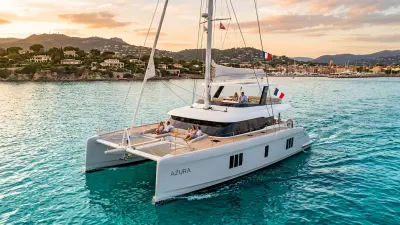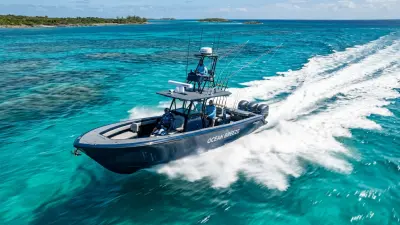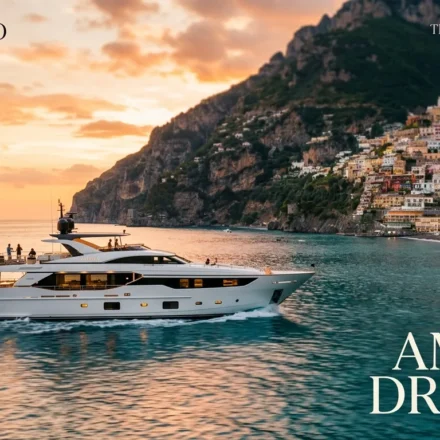



Greetings, fellow sea lovers! After decades of navigating everything from humble tenders to majestic superyachts, and assisting countless individuals in finding their ideal vessel, I’ve learned that selecting a motor yacht goes far beyond specifications and glossy brochures. It’s about understanding the core design philosophy, the soul of the boat, and how it aligns with your personal vision of life on the water. When it comes to motor yachts, the fundamental choice between a flybridge and a sedan layout is less a matter of “better or worse” and more about which experience truly resonates with your seafaring spirit.
Table Of Content
- More Than Just a Second Deck: The Flybridge Philosophy
- The Elevated Realm: A Sensory Immersion
- Operation and Social Flow: A Different Rhythm
- The Weather’s Whims and the Owner’s Resolve
- Sleek Lines, Grounded Control: Embracing the Sedan Yacht Ethos
- The Integrated Command Center: Focus and Serenity
- Practicality and Performance: Less is Often More
- Adapting to the Elements: Year-Round Utility
- Matching Your Seafaring Soul: Who Sails What?
- The Adventurer and Entertainer: Flybridge Territory
- The Discerning Cruiser and All-Weather Explorer: Sedan’s Domain
- Beyond the Blueprint: Modern Blends and Personalization
The difference isn’t merely an extra deck or a sleeker profile; it’s a profound shift in how you interact with your vessel, your guests, and the marine environment. Let’s peel back the layers and explore the distinct characters of these two iconic motor yacht configurations, examining how their design choices shape your cruising reality.
More Than Just a Second Deck: The Flybridge Philosophy
A flybridge yacht is, at its heart, a vessel designed for elevated command and an expansive, open-air lifestyle. Historically, flybridges emerged from the need for commercial and military vessels to have unobstructed views, a principle that quickly found its way into pleasure boating. It represents an embrace of the elements, a desire to be at the very pinnacle of the cruising experience.
The Elevated Realm: A Sensory Immersion
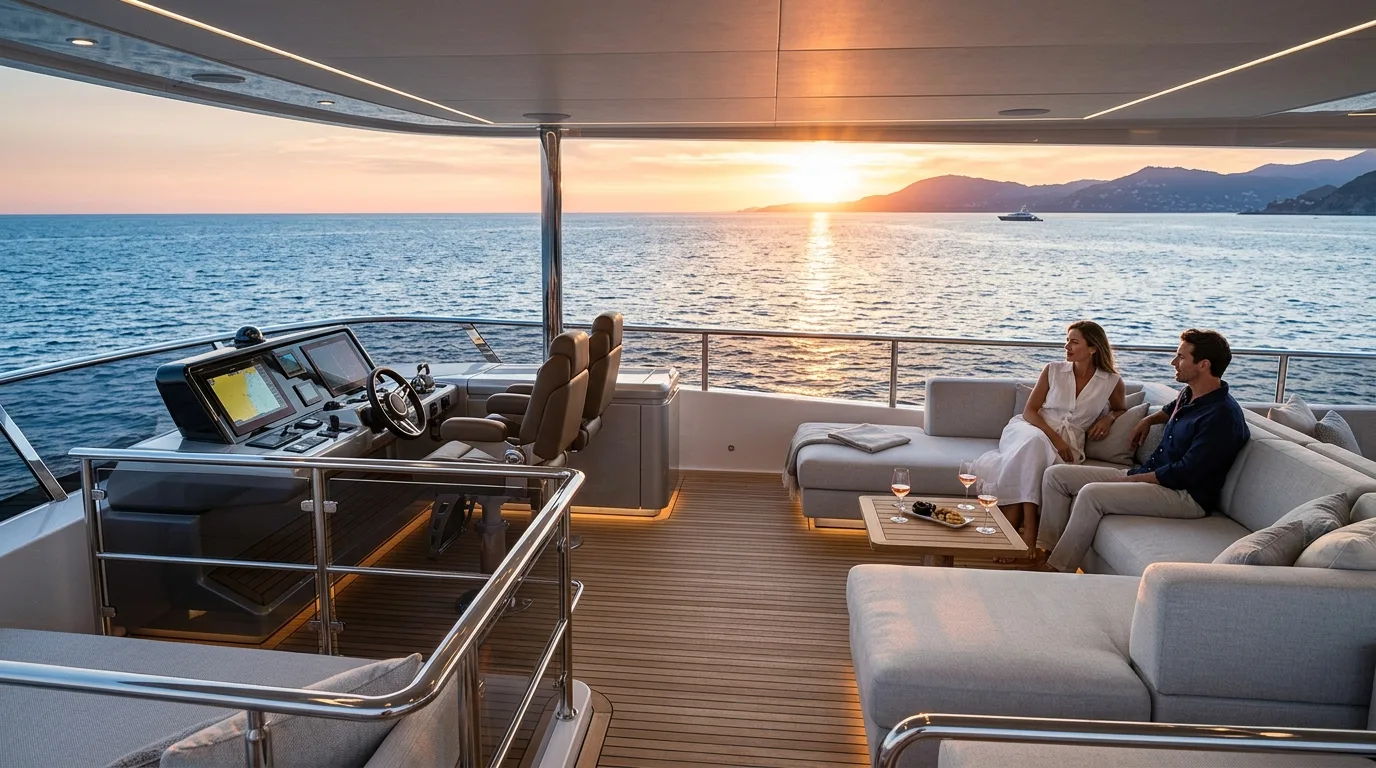
From the helm of a flybridge, you’re not just piloting a boat; you’re orchestrating a symphony of sea and sky. The sensation is one of unparalleled freedom. The wind, the sun, the scent of salt spray – it’s all immediate and unfiltered. This elevated vantage point offers a panoramic, 360-degree vista that transforms every journey into a visual feast. Navigating a bustling harbor, spotting distant landmarks, or simply watching the sun dip below the horizon becomes a more profound experience when viewed from this commanding perch. It’s a connection to the environment that’s visceral, making you feel truly immersed in the vastness of the sea. Think of the classic Grand Banks trawler or a modern Princess F-class; the flybridge is their signature statement.
Operation and Social Flow: A Different Rhythm
The flybridge often serves as the yacht’s primary social hub during daylight hours and fair weather. Guests can lounge, dine, and converse freely while the captain remains at the helm, fostering a uniquely integrated social dynamic. The captain isn’t isolated; they’re part of the convivial atmosphere. This setup is particularly advantageous for entertaining, allowing for seamless interaction between the helmsperson and their companions. For those who enjoy sharing the thrill of navigation with friends or family, perhaps even letting a trusted mate take the wheel under supervision, the dual-helm setup (common on larger flybridge yachts) offers flexibility and a unique learning environment. However, this social integration also means the helm is exposed to the elements, demanding a captain who truly relishes that direct engagement with nature.
The Weather’s Whims and the Owner’s Resolve
While the open-air nature of the flybridge is its greatest asset, it also demands a certain resolve from its owner. Exposure to sun, wind, and rain is part of the deal. This isn’t a “con” for the flybridge enthusiast; it’s a conscious choice. It means investing in robust canvas covers, understanding the nuances of weather patterns, and embracing the occasional refreshing spray. Maintenance requirements for upholstery and controls exposed to the elements are naturally higher, but for the discerning flybridge owner, this is a small price to pay for the unadulterated pleasure of commanding from on high. It speaks to a skipper who prefers an unmediated connection with their surroundings, rather than a climate-controlled bubble.
Sleek Lines, Grounded Control: Embracing the Sedan Yacht Ethos
In stark contrast, the sedan yacht (often termed an express cruiser, pilothouse, or coupe yacht) embodies a design philosophy centered on sleek aesthetics, all-weather capability, and a seamless integration of interior spaces. It’s about providing comfort, control, and efficiency within a more streamlined, often lower-profile package.
The Integrated Command Center: Focus and Serenity
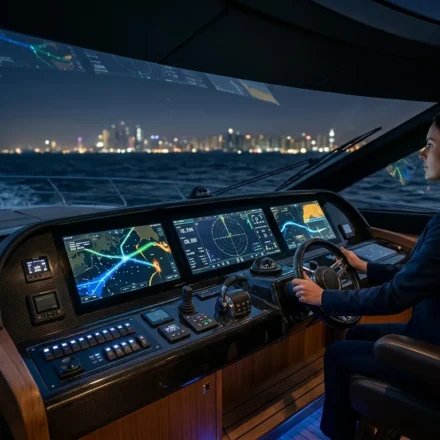
On a sedan yacht, the helm station is typically integrated into the main salon or a dedicated pilothouse, providing an enclosed, climate-controlled environment. This creates a focused command center, free from the distractions of external elements. The ergonomic design often places all controls, navigation screens, and communication systems within easy reach, fostering a sense of mastery and quiet efficiency. For serious long-distance cruising or navigating in challenging conditions, this enclosed helm offers unparalleled comfort and concentration. Brands like Fleming Yachts, renowned for their long-range pilothouse models, exemplify this design where the helm is a sanctuary of control and precision, often equipped with robust electronics from Furuno or Raymarine.
Practicality and Performance: Less is Often More
The lower profile of a sedan yacht isn’t just an aesthetic choice; it’s a design decision with significant practical implications. A lower center of gravity generally translates to a more stable ride, particularly in choppy seas, reducing roll and enhancing passenger comfort. Reduced windage means less resistance, potentially leading to greater fuel efficiency, especially at higher speeds, a crucial consideration for modern yacht owners. Furthermore, the absence of an upper deck means easier access to all parts of the boat, a boon for those with mobility considerations or when moving quickly around the vessel. Maneuvering under low bridges or accessing marinas with height restrictions becomes a non-issue, significantly expanding cruising grounds. Consider the agile performance of a Sabre Yacht or the classic lines of a Hinckley express cruiser – their design is intrinsically linked to their handling characteristics.
Adapting to the Elements: Year-Round Utility
Perhaps the most compelling argument for the sedan layout is its inherent versatility. The enclosed helm and main salon provide immediate shelter from sun, wind, rain, or cold, making it an ideal choice for year-round cruising or exploring diverse climates. Climate control systems (air conditioning in the tropics, heating in cooler climes) ensure comfort regardless of the external conditions. This capability allows owners to extend their boating season and venture into areas where a completely open helm might be impractical. It’s a yacht designed for those who value consistent comfort and the ability to dictate their environment, rather than being dictated by it. Modern sedan yachts often feature large sliding doors and retractable roofs, blurring the lines and offering an open-air feel when desired, without compromising the core all-weather capability.
Matching Your Seafaring Soul: Who Sails What?
Ultimately, the choice between a flybridge and a sedan comes down to understanding your personal cruising agenda, your tolerance for the elements, and your preferred social dynamic on board. It’s about aligning the yacht’s inherent character with your own.
The Adventurer and Entertainer: Flybridge Territory
The flybridge yacht typically appeals to the outgoing adventurer and the passionate entertainer. You’re someone who thrives on being outdoors, who revels in the unfiltered connection with the sea and sky. You enjoy hosting large groups, where the flybridge becomes the natural social nexus, offering multiple zones for relaxation and revelry. Your cruising tends to favor fair weather, extended coastal passages, or perhaps even sportfishing where elevated sightlines are critical. You’re willing to accept the increased exposure and maintenance in exchange for that commanding view and exhilarating open-air experience. Think of a family who loves to island-hop, anchor in secluded coves, and host lively sunset cocktails on the upper deck.
The Discerning Cruiser and All-Weather Explorer: Sedan’s Domain
Conversely, the sedan yacht often attracts the discerning cruiser, the long-distance voyager, or the all-weather explorer. You prioritize comfort, stability, and efficiency, appreciating the quiet focus of an enclosed helm. You might cruise in cooler climates, or embark on extended voyages where consistent protection from the elements is paramount. Your entertaining style might be more intimate, focused on the seamless flow between the salon and cockpit. You appreciate the sleek aesthetics and the ease of handling that a lower profile affords. This is the choice for the couple who dreams of year-round cruising, perhaps exploring distant waterways or navigating challenging coastal routes in comfort, without sacrificing performance. Imagine a couple who cherishes quiet mornings underway, enjoying panoramic views from a climate-controlled salon.
Beyond the Blueprint: Modern Blends and Personalization
The world of yacht design is ever-evolving, and modern manufacturers are constantly blurring the lines between these traditional layouts. We’re seeing innovative “enclosed flybridges” or “sky-lounges” that offer the elevated perspective of a flybridge with the weather protection of a sedan. Similarly, many sedan yachts now feature expansive retractable sunroofs, enormous sliding glass doors, and ingenious cockpit designs that transform from enclosed spaces to open-air social zones at the touch of a button. Consider the transformative designs seen in some Galeon models with their “Beach Mode” balconies, or the semi-displacement efficiencies of a Marlow Explorer, which often incorporates a protected pilothouse with a secondary, more casual flybridge.
These hybrid designs aim to offer the best of both worlds, catering to a broader spectrum of preferences. However, even with these innovations, the fundamental design philosophy often remains. An enclosed flybridge still carries the higher center of gravity and air draft of its open counterpart, just with added comfort. A sedan, even with an openable roof, retains its lower profile and integrated main-deck experience.
Your ultimate decision should stem from an honest assessment of your cruising ambitions, your comfort thresholds, and how you envision spending your precious time on the water. Don’t just look at the features; delve into the *experience* each layout promises. Talk to owners, spend time on both types of vessels, and truly picture yourself at the helm – and at anchor. The perfect motor yacht isn’t just found; it’s discovered through a journey of self-reflection and understanding.