

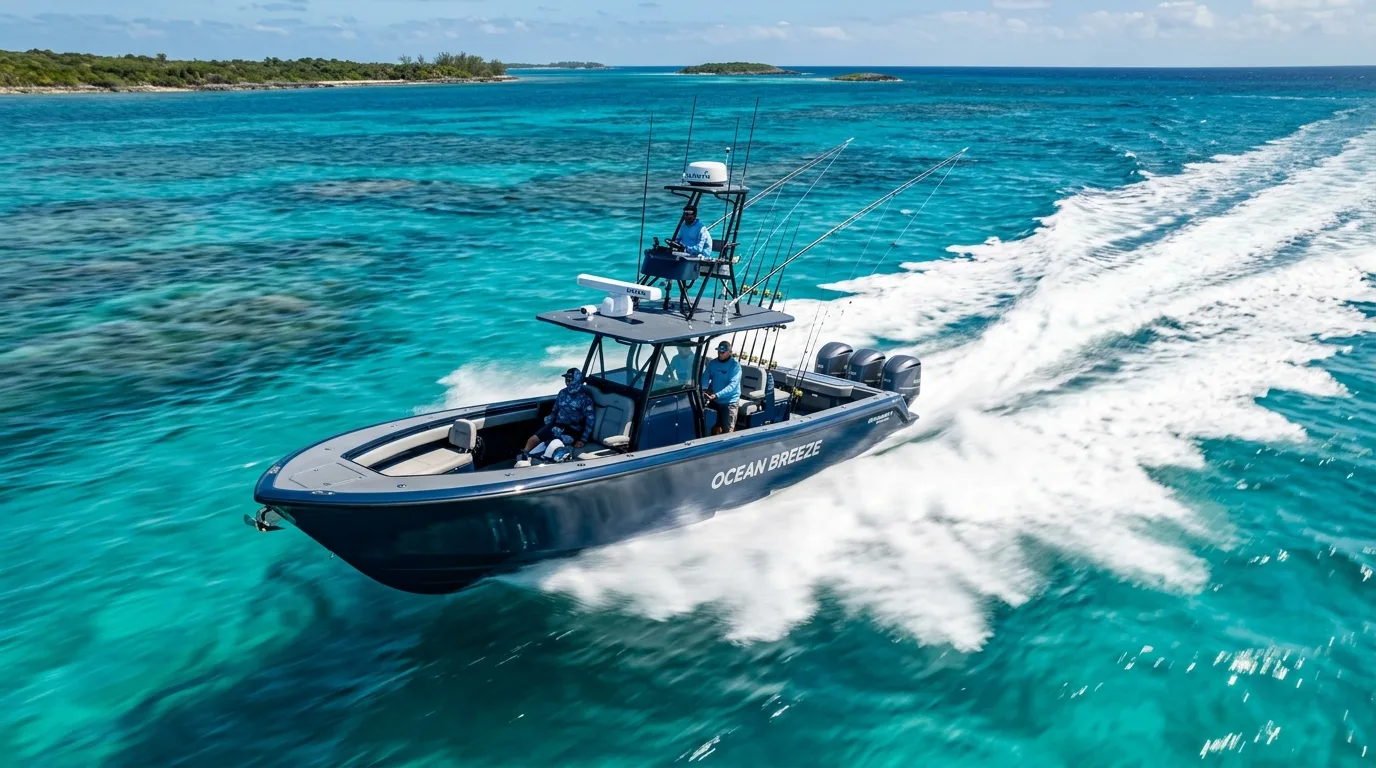
Equipping Your Saltwater Fishing Boat: Essential Gear & Electronics for Angling Success

Your Saltwater Fishing Dream Starts Here: Gearing Up for Success
There’s nothing quite like the thrill of a saltwater fishing adventure. The open ocean, the sun on your face, and the anticipation of that tug on the line – it’s a call to freedom that echoes deep within every boater. Here at boatandsailboat.com, we know that to truly enjoy this passion, you need a vessel that’s not just a boat, but a finely tuned fishing machine. As your trusted guide with decades on the water, let me walk you through equipping your saltwater fishing boat with the essential gear and electronics you’ll need to reel in success, and create unforgettable memories.
Table Of Content
- Your Saltwater Fishing Dream Starts Here: Gearing Up for Success
- Choosing the Right Platform: Your Fishing Boat
- The Brains of the Operation: Essential Electronics
- Navigation & Chartplotting
- Finding the Fish
- Communication & Safety
- Your Fishing Arsenal: Specialized Gear
- Safety First, Always
- Keeping Your Fishing Machine Prime: Maintenance
- Your Next Cast: Matching Gear to Your Fishing Dream
- Ready to Reel in the Memories?
Choosing the Right Platform: Your Fishing Boat
Before we dive into the gadgets, let’s talk boats. While sail boats offer a different kind of freedom, serious saltwater fishing usually means a powerboat, built for speed, stability, and ruggedness. Common choices include:
- Center Consoles: These versatile boats (often 20-40+ ft) like a Boston Whaler or Grady-White, are workhorses, offering 360-degree fishability. They typically feature a planing hull – designed to ride on top of the water at speed, offering a fast, exhilarating ride to distant fishing grounds.
- Walkarounds: Offering a small cabin for shelter and storage, popular for overnight trips (25-35 ft).
- Sportfish Yachts: Larger, often luxurious vessels (40+ ft), like those from Viking Yachts, built for serious offshore big-game fishing and bluewater passages. These often use a modified-V hull, balancing speed and comfort in rough seas.
- Bay Boats: Ideal for inshore and nearshore fishing (18-25 ft), able to navigate shallower waters but still capable of handling coastal chop.
Most saltwater fishing boats are constructed from durable fiberglass, known for its strength-to-weight ratio and ease of maintenance, though some commercial or specialized boats might use aluminum for its toughness.
The Brains of the Operation: Essential Electronics
Modern marine electronics are your secret weapon. They turn a good fishing trip into a great one.
Navigation & Chartplotting
- GPS/Chartplotter: This is your digital roadmap. Brands like Garmin, Raymarine, and Simrad offer units that display your position, chart sea lanes, and allow you to mark crucial waypoints – your favorite fishing spots, reefs, or safe passages.
- Radar: For larger boats venturing offshore or fishing in foggy conditions, radar provides an invaluable eye, detecting other vessels, land, and even bird activity – a key indicator for schooling fish.
Finding the Fish
- Fishfinder/Sonar: Absolutely critical! Modern units use advanced technologies like CHIRP sonar (sending a range of frequencies for clearer target separation), DownVision (picture-like views directly below), and SideVision (scanning to the sides of the boat) to paint a detailed picture of what’s beneath your hull. This helps you locate structure, baitfish, and your target species.
Communication & Safety
- VHF Radio: A non-negotiable safety item. A VHF (Very High Frequency) radio allows you to communicate with other boats, marinas, and – most importantly – the Coast Guard in emergencies. Always have one, and know how to use its DSC (Digital Selective Calling) feature.
- Autopilot: While not strictly “essential” for everyone, an autopilot – like those from Garmin or Raymarine – can be a godsend for long runs or when trolling, allowing you to focus on the fishing instead of steering.
Your Fishing Arsenal: Specialized Gear
Beyond electronics, specific gear makes your fishing boat a true angler’s haven.
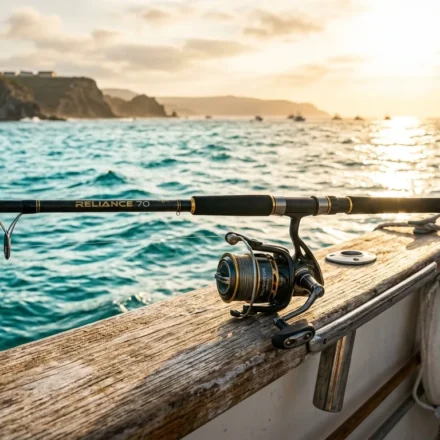
- Rod Holders: You’ll need plenty! Flush-mount holders in the gunwales, and “rocket launcher” style holders on the T-top or leaning post, keep your rods secure and ready.
- Livewell/Baitwell: A circulating, aerated tank designed to keep live bait frisky and ready for action. Crucial for many saltwater techniques.
- Outriggers: For serious offshore trolling, outriggers are long poles that spread your fishing lines wider, covering more water and preventing tangles, mimicking a school of baitfish.
- Fish Boxes/Coolers: Insulated compartments to keep your catch fresh on ice until you’re back at the dock.
- Tackle Storage: Integrated drawers, compartments, and leaning post storage keep your lures, hooks, and tools organized and easily accessible.
- Downriggers: These allow you to present lures and baits at precise depths far below the surface, essential for targeting deep-dwelling species.
Safety First, Always
A well-equipped fishing boat is a safe fishing boat. Never leave the dock without:
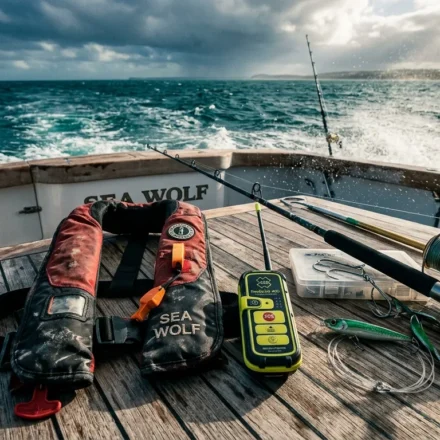
- USCG-Approved PFDs (Personal Flotation Devices): One for every person on board.
- First-Aid Kit: Comprehensive and easily accessible.
- Fire Extinguisher: Properly rated and charged.
- Flares or other visual distress signals.
- Anchor and Rode: Sized appropriately for your boat and expected conditions.
- EPIRB (Emergency Position Indicating Radio Beacon) or PLB (Personal Locator Beacon): Highly recommended for offshore trips, these devices broadcast your location to rescue authorities in an emergency.
Keeping Your Fishing Machine Prime: Maintenance
Your fishing boat, whether powered by reliable Yamaha, Mercury, or Volvo Penta outboards or an inboard diesel, needs consistent care. After all, you want it ready for every sunrise mission!
- Engine Service: Follow manufacturer recommendations – typically every 100-200 hours or annually. This includes oil changes, filter replacements, and checking vital systems.
- Bottom Paint: If your boat is kept in the water, annual haul-out and application of anti-fouling bottom paint prevents marine growth.
- Washdowns: After every saltwater trip, a thorough freshwater rinse of the hull, deck, and especially the engine (flushing the cooling system) is crucial to prevent salt corrosion.
- Corrosion Prevention: Regularly inspect and treat metal components with marine-grade lubricants and corrosion inhibitors.
Your Next Cast: Matching Gear to Your Fishing Dream
The beauty of boating is its versatility. Are you dreaming of:
- Coastal Day Trips? A well-equipped center console like an Axopar 28 with a good GPS/fishfinder combo and plenty of rod holders will serve you well.
- Offshore Passages for Big Game? You’ll want a larger sportfish yacht, complete with radar, outriggers, a powerful inboard diesel from Yanmar, and robust safety gear.
- Family Adventures? Consider a walkaround or dual console that offers fishing amenities alongside comfortable seating and perhaps a small head (marine toilet).
Consider your budget, where you’ll be fishing, and what species you’re targeting. Start with the essentials, and you can always upgrade or add specialized gear as your skills and passions evolve.
Ready to Reel in the Memories?
Equipping your saltwater fishing boat is more than just buying gear; it’s an investment in countless sunrises, exciting battles, and the pure joy of being on the water. It’s about freedom, escape, and the stories you’ll tell for years to come. Take these steps, prepare your vessel, raise your boating confidence, and get out there. The ocean is calling, and your perfect catch is waiting. Tight lines!