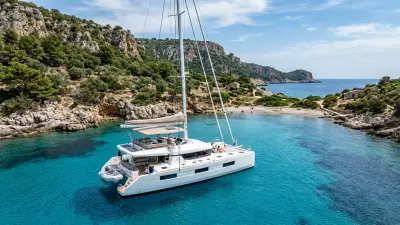
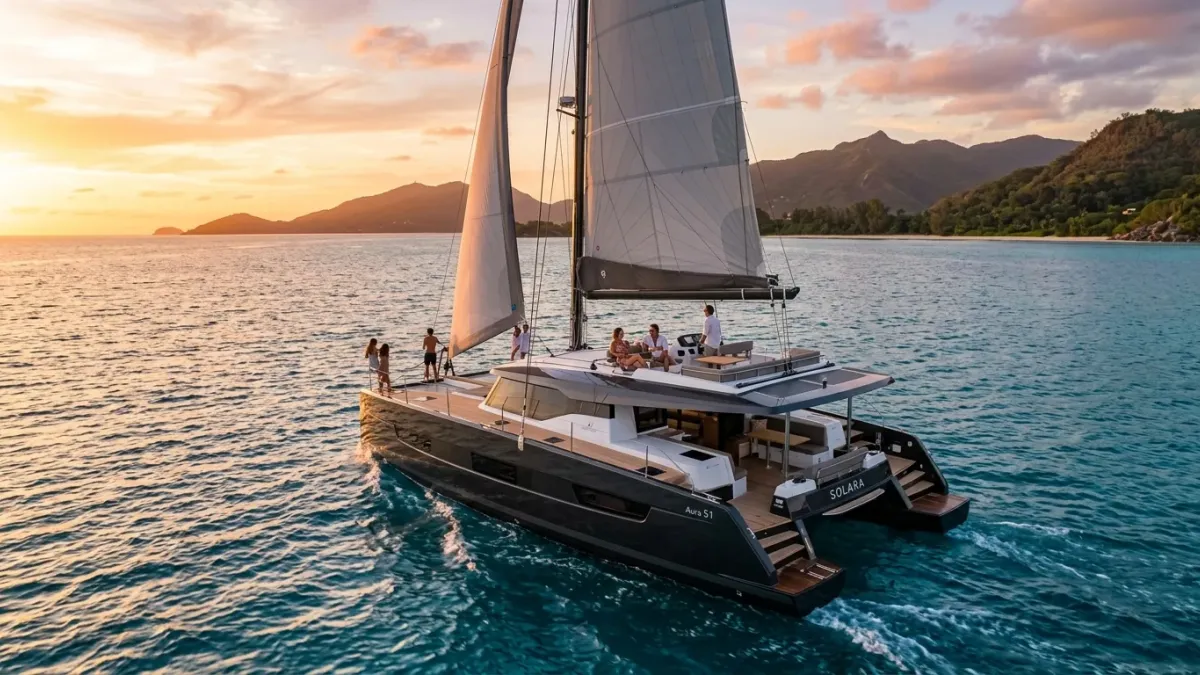
There’s a certain magic that comes with a catamaran. The expansive decks, the incredible stability, the shallow draft that lets you tuck into coves others can only dream of – it’s no wonder so many boaters are drawn to these magnificent multihulls. But whether you’re eyeing a sleek new model or a seasoned pre-loved vessel, buying a catamaran is a significant investment that requires careful consideration. You want to ensure your dream boat doesn't turn into a nightmare, right?
As someone who's spent decades around docks, boatyards, and sea trials, I’ve seen it all. I've watched families fall in love with their catamarans and others encounter headaches because they didn't know what to look for. That's why I've put together this comprehensive guide. Consider it your personal roadmap to finding the perfect multihull purchase, whether it's fresh off the factory floor or has a few nautical miles under its hulls.
Welcome Aboard: Why a Catamaran Might Be Your Perfect Vessel
Before we dive into the nitty-gritty of inspection, let's briefly touch on what makes catamarans so appealing. They offer an unparalleled combination of space, stability, and shallow draft that you just don't get with a monohull. Imagine sipping your morning coffee on a spacious aft deck, not feeling the rocking motion that might plague a traditional boat, or dropping anchor in a serene, shallow bay that’s completely inaccessible to deeper-keeled vessels. This isn't just a fantasy; it's the everyday reality for catamaran owners.
The sheer volume of living space, both indoors and out, is a major draw for families and those planning extended cruising or liveaboard life. With cabins typically located in separate hulls, you get a level of privacy that’s hard to achieve on a monohull of comparable length. Plus, the panoramic views from the salon and cockpit are often breathtaking. Honestly, once you experience the stability and roominess, it's tough to go back.
However, with these advantages come unique considerations. Catamarans, by their very nature, have two hulls, twin engines (typically), and a wider beam, which impacts everything from marina slips to maintenance. So, understanding these unique aspects is your first step to a successful catamaran buying guide journey. Ready to dig in?

Understanding Your Catamaran Needs: Sail vs. Power & Usage Style
The first fundamental question you need to answer is: sailing catamaran or power catamaran? This choice will profoundly influence everything you look for. Both offer the core benefits of stability and space, but their operational characteristics and what constitutes a "good" example differ significantly.
Sailing Catamaran Specifics
If the wind in your sails and the quiet glide across the water is your calling, a sailing catamaran is likely on your radar. Here, you'll be scrutinizing the entire rigging system: the mast, boom, standing rigging (shrouds and stays), and running rigging (halyards and sheets). Are the sails in good condition, or are they tired and stretched, showing UV damage? What about the winches and deck hardware? Are they appropriately sized and well-maintained? For example, imagine this situation: you're out on a beautiful day, hoist the main, and a halyard snags or a winch jams because of neglect. Not only is it frustrating, but it can be dangerous. You'll also want to consider the type of keel – fixed mini-keels (most common), or more performance-oriented daggerboards, which offer better upwind performance but add complexity. Look for any signs of hard grounding on the mini-keels, as this can transfer stress to the hull.
Power Catamaran Considerations
For those who prioritize speed, range, and perhaps even more interior volume without the complexities of sails, a power catamaran is the way to go. Your focus here shifts dramatically to the engines. Twin engines are standard, offering redundancy and excellent maneuverability. How many hours are on them? Are there detailed service records? What kind of fuel consumption can you expect at various RPMs? Access to the engine compartments is also crucial for ongoing maintenance – some designs are simply better than others. Beyond the engines, consider the size of the fuel tanks for your desired range and the efficiency of the hull design at your preferred cruising speed. Power cats also often feature larger generators and more extensive air conditioning systems, all of which need careful inspection.
Defining Your Mission
Beyond sail or power, how do you actually plan to use your catamaran? Will it be for weekend escapes, extended cruising catamaran adventures, liveaboard living, or perhaps even chartering? Your mission dictates so many features. A liveaboard will demand larger fresh water tanks, more storage, and potentially a watermaker, robust solar panels, and comfortable refrigeration. A charter vessel might prioritize a specific cabin layout for guest privacy and durability of interior finishes. A day cruiser, on the other hand, might focus more on outdoor entertaining spaces and speed. Be honest with yourself about your intentions; it will save you a lot of heartache and money in the long run.
The Deep Dive: Essential Inspection Points for Any Multihull
Now, let's talk about the real meat and potatoes of catamaran inspection. This is where an experienced eye and a thorough approach really pay off. Whether you're looking at a new catamaran or a used catamaran, these points are critical.
Hull Integrity and Structure
This is arguably the most important area. Catamaran hulls, especially on a used catamaran, need meticulous checking. Look for signs of impact damage, gelcoat cracks, and any evidence of structural repairs. Pay close attention to the areas where the hulls join the bridge deck – often called the nacelle. Any stress cracks here could indicate significant structural issues. Also, inspect the keel shoes or mini-keels for impact damage from groundings. Water intrusion into the core material (often balsa or foam) is a major red flag, potentially leading to delamination and massive repair bills. A good surveyor will tap the hulls extensively, listening for changes in sound that indicate core issues. Honestly, if the hulls aren't solid, nothing else really matters.
Engines and Propulsion Systems
As mentioned, most catamarans have twin engines, which is fantastic for redundancy. But two engines mean twice the potential maintenance. Check the engine hours – lower is generally better for a used catamaran. Are the maintenance records complete and consistent? Look for signs of corrosion, especially around the exhaust manifolds, and any leaks from hoses or seals. Start them cold and listen for any unusual noises, smoke, or vibrations. On the sea trial, check that both engines reach their full rated RPM and that the boat tracks straight under power. Don’t forget the propellers, shafts, and strut bearings. Bent props or excessive play in the shafts point to potential issues.
Sails, Rigging, and Deck Hardware (for Sailing Cats)
For a sailing catamaran, the condition of the sails is vital. Are they still crisp, or do they feel like old denim? Look for UV damage, torn stitching, or patches. The mast and boom should be inspected for corrosion, especially at fittings. Standing rigging (the wires holding the mast up) has a finite life, typically 10-15 years for stainless steel; if it's older, budget for replacement. Running rigging should be supple and free of chafe. All winches, blocks, and clutches should operate smoothly. Don't forget the trampolines; they take a beating from sun and salt and can be costly to replace if heavily worn or damaged.
Systems Galore: Electrical, Plumbing, and HVAC
A modern catamaran is a complex machine, a floating home with intricate systems. Dive into the electrical system: check the condition of wiring (no exposed wires, proper insulation), battery banks (house, start, generator), shore power connections, and the operation of the inverter/charger. For plumbing, test all faucets, showers, and heads (toilets). Are there any leaks? Does the watermaker (if installed) produce fresh water efficiently? Inspect the pumps for fresh water, grey water, and black water. Air conditioning and heating systems should be tested in all cabins. A well-organized and labeled electrical panel is a good sign of a meticulously cared-for boat. Conversely, a spaghetti mess of wires often signals bigger problems down the line.
Interior and Comfort Factors
While often subjective, the interior layout and condition contribute significantly to your enjoyment. Is the galley functional and well-equipped? Are the berths comfortable and spacious enough for your needs? Check for signs of water intrusion around windows, hatches, and deck fittings. Any persistent musty smells could indicate hidden mold or leaks. Are the cushions, upholstery, and headliners in good shape? Minor cosmetic issues are easy to fix, but major water damage or structural concerns in the interior point to deeper problems. And trust me, you don't want to live with a persistent bad smell on your boat.
New vs. Used Catamaran: Weighing Your Options
This is a classic dilemma in the boating world, and it applies strongly to catamaran buying. Each option has its distinct advantages and disadvantages. Let's break it down:
| Feature | New Catamaran | Used Catamaran |
|---|---|---|
| Cost | Higher initial investment. | Significantly lower due to depreciation. |
| Condition | Pristine, no wear and tear. | Varies greatly, requires thorough inspection. |
| Warranty | Full manufacturer warranties on hull, engines, systems. | Typically limited or none. |
| Customization | Can often specify layout, finishes, equipment. | "As-is," may require refit to suit tastes. |
| Availability | Often involves a waiting period for build/delivery. | Immediate delivery possible. |
| Hidden Issues | Very rare, but potential for factory defects. | Higher potential for deferred maintenance, wear, or damage. |
Buying a new catamaran means you get the latest designs, technology, and zero hours on the engines. You also have the peace of mind that comes with factory warranties, which can be invaluable when dealing with complex systems. The downside, of course, is the higher price tag and often a waiting period for construction. For a used catamaran, the depreciation hit has already occurred, meaning you can get significantly more boat for your money. However, you inherit its history, which requires diligent research and inspection. This is where a top-notch marine survey becomes not just recommended, but absolutely essential.
Navigating the Purchase: Surveys, Sea Trials, and Paperwork
Once you’ve found a potential candidate, the real work begins. This phase is about due diligence, protecting your investment, and ensuring you know exactly what you’re buying.
The Indispensable Marine Survey
I cannot stress this enough: *never* buy a used catamaran without a comprehensive marine survey. Even for a new catamaran, a pre-delivery survey can catch factory issues before they become your problem. A good surveyor is an independent expert who will go over the boat with a fine-tooth comb, inspecting everything from the hull's structural integrity to the engine's compression, electrical systems, plumbing, and safety gear. They'll give you a detailed report outlining any deficiencies, recommended repairs, and estimated costs. This report is your leverage for negotiations and your roadmap for necessary post-purchase work. My advice? Choose a surveyor recommended by your broker or trusted friends, but always ensure they work *for you*, not the seller.
The Critical Sea Trial
Once the survey is looking good, it's time for the sea trial. This is your chance to experience the boat under power and sail (if applicable) in real-world conditions. Don't just motor around for an hour. Push the engines to their full RPM, test the steering and autopilots, engage all electronics, and for a sailing cat, hoist and trim all sails. Listen for unusual noises, feel for vibrations, and check for leaks. If possible, have your surveyor or a qualified mechanic join you. This is also a good opportunity to evaluate visibility from the helm, maneuverability in tight spaces, and how comfortable you feel at the controls. It's not just about the boat's performance; it's about *your* comfort and confidence with it.
Understanding the Paperwork and History
Before any money changes hands, meticulously review all documentation. This includes the bill of sale, title or registration, proof of VAT or sales tax payment (critical for international cruising), and all previous service records. For a used catamaran, a complete history of ownership and maintenance is golden. It shows a diligent owner and provides clues about past issues. Ensure there are no outstanding liens against the vessel. This is where a good yacht broker can be an invaluable asset, helping you navigate the complex legalities and ensuring a clear title for your multihull purchase. Don't skip this step – it's as important as the physical inspection.
Common Catamaran Buying Mistakes to Avoid
Based on my experience at boatandsailboat.com, I've seen some recurring pitfalls buyers fall into. Learning from these can save you a world of trouble:
- Skipping or Skimping on the Survey: This is, hands down, the biggest mistake. Thinking you can spot everything yourself, or opting for a cut-rate survey, is a false economy. A good surveyor pays for themselves many times over.
- Ignoring Deferred Maintenance: A boat with a low price might seem like a steal, but if it has years of deferred maintenance, those costs can quickly outweigh any initial savings. Always factor in the cost of bringing systems up to par.
- Emotional Buying: Falling in love with the look or idea of a boat without a pragmatic assessment of its condition and suitability for your needs. Keep your head on straight!
- Underestimating Running Costs: A catamaran often has two of everything (engines, props, sometimes air conditioning units), which means higher maintenance costs, dockage fees (due to wider beam), and fuel consumption compared to a monohull of similar length. Budget realistically for catamaran maintenance, insurance, and slip fees.
- Buying Too Small or Too Large for Your Needs: A smaller catamaran might be cheaper, but if you plan to live aboard or cruise long-term with family, you'll quickly outgrow it. Conversely, a massive catamaran might be difficult to handle, dock, and maintain if you're a novice or plan to single-hand.
What to Watch Out For: Red Flags on the Horizon
Beyond the common mistakes, certain things should make you pause and reconsider, or at least investigate much deeper:
- Unexplained Repairs or "Fresh Paint": A fresh coat of bottom paint or gelcoat can hide issues. Ask for receipts and details on any recent major work.
- Poor Records: No maintenance logs, missing titles, or vague answers about the boat's history. A well-cared-for boat usually comes with a clear paper trail.
- Unprofessional Seller: Someone who avoids questions, rushes you, or isn't transparent about the boat's condition. Trust your gut feeling.
- Persistent Musty Smells or Obvious Water Stains: These almost always indicate ongoing leaks or mold issues, which can be very difficult and expensive to remediate.
- Visible Structural Cracks: Any cracks beyond superficial gelcoat crazing, particularly around bulkheads, chainplates, or the bridge deck-hull joint, are major concerns.
- Mismatched Engines: While not always a deal-breaker, if the two engines have vastly different hours or models, it begs the question why.
- A Price That Seems Too Good to Be True: In boating, it often is. Very low prices usually mask significant underlying problems.
Frequently Asked Questions
Are catamarans more expensive to maintain?
Generally, yes, due to having two engines and potentially more complex systems like twin rudders and larger deck areas. However, many components are standard, and the overall cost largely depends on the specific model and how well it's been maintained.
Can a single person sail a catamaran?
Absolutely! Many modern sailing catamaran designs incorporate features like self-tacking jibs, electric winches, and centralized helm stations that make single-handing quite manageable, especially for experienced sailors.
What's the best size catamaran for cruising?
This depends entirely on your needs. For a couple, a 38-42 foot catamaran offers a good balance of space and manageability. For families or longer-term cruising, 45-55 feet provides significantly more comfort, storage, and tankage, but also increases costs.
So, there you have it – a comprehensive look at what to consider when embarking on your catamaran buying guide adventure. Finding the right multihull is a journey, one that requires patience, a keen eye, and the right expert advice. But when you finally step aboard your perfect cruising catamaran, feeling the stability and embracing the incredible space, all that effort will have been worth it. Happy hunting, and may your adventures on the water be boundless!