Outboard Engine Mastery: Your Guide to Maintenance, Troubleshooting & Buying
Your Guide to Outboard Engine Mastery: Keeping Your Adventures Running Smoothly
Ah, the trusty outboard! For countless boaters, from the weekend angler to the coastal cruiser, this compact powerhouse is the beating heart of their vessel. Here at boatandsailboat.com, we know that whether you’re powering a nimble fishing skiff, a robust tender for your larger yacht, or even providing auxiliary thrust for a small sailboat, a reliable outboard engine is key to unlocking unforgettable moments on the water. Let’s dive into understanding, maintaining, and even choosing the perfect outboard for your adventures.
Table Of Content
- Your Guide to Outboard Engine Mastery: Keeping Your Adventures Running Smoothly
- What Exactly is an Outboard Engine?
- Choosing Your Outboard: Smart Buying Tips
- Essential Outboard Maintenance: Keeping Your Motor Happy
- Pre-Season & Annual Checklist
- Routine Care (After Each Use)
- Winterizing (For Cold Climates)
- Common Troubleshooting Tips
- Your Outboard, Your Freedom
What Exactly is an Outboard Engine?
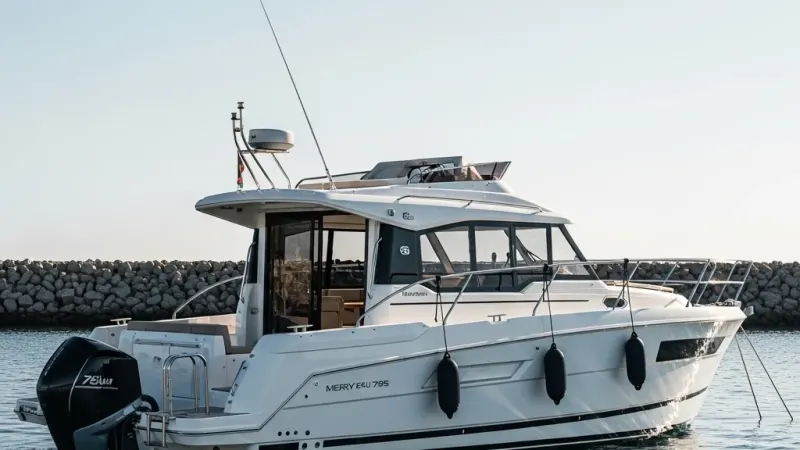
Simply put, an outboard engine is a self-contained unit that includes the engine, gearbox, and propeller, designed to be affixed to the outside of the transom (the flat back surface) of a boat. This design offers incredible flexibility, ease of maintenance (often more accessible than an inboard), and allows for maximum interior boat space. You’ll find them on everything from small aluminum fishing boats to pontoon boats, and as tenders or auxiliary power for many sailboats, especially those under 25 feet like a classic Catalina 22.
Choosing Your Outboard: Smart Buying Tips
Selecting the right outboard is paramount. It’s not just about horsepower; it’s about matching the engine to your boat and your boating dreams.
- Power (Horsepower – HP): Always consult your boat’s maximum horsepower rating, usually found on the builder’s plate. Too little power, and you’ll struggle; too much, and you risk structural damage or instability. A small Boston Whaler might love a 60HP, while a tender could get by with a 2.5HP.
- Shaft Length: This is critical! Outboards come in various shaft lengths (short, long, extra-long) to match your boat’s transom height. An incorrect shaft length can lead to cavitation (propeller losing grip on the water) or drag. Measure from the top of your transom to the bottom of the hull.
- 2-Stroke vs. 4-Stroke:
- 2-Stroke Engines: These mix oil with gasoline, are generally lighter, offer quick acceleration, and are simpler in design. They’re often favored for smaller, lighter boats or those needing instant power.
- 4-Stroke Engines: Much like car engines, they have separate oil sumps, are typically quieter, more fuel-efficient, and produce fewer emissions. They are often heavier and more complex, but offer smoother operation, making them a popular choice for many modern boats, including pontoon boats and bay boats.
- New vs. Used: A new outboard from brands like Yamaha, Mercury, Honda, or Suzuki comes with a warranty and the latest tech. Used engines can be a great value, but require thorough inspection. Look for even compression across cylinders, clean oil (4-stroke), and no signs of saltwater corrosion.
Essential Outboard Maintenance: Keeping Your Motor Happy
Regular maintenance isn’t just about extending your engine’s life; it’s about ensuring safety and reliability. A well-maintained engine is a happy engine, ready for that spontaneous sunset cruise or fishing trip.
Pre-Season & Annual Checklist:
- Fuel System: Inspect fuel lines for cracks. Replace the fuel filter. If you have an external tank, clean it and check the primer bulb.
- Spark Plugs: Remove, inspect, clean, or replace. Gapping them correctly is crucial for efficient combustion.
- Oil Change (4-Stroke): Change the engine oil and filter per manufacturer recommendations (typically every 100-200 hours or annually).
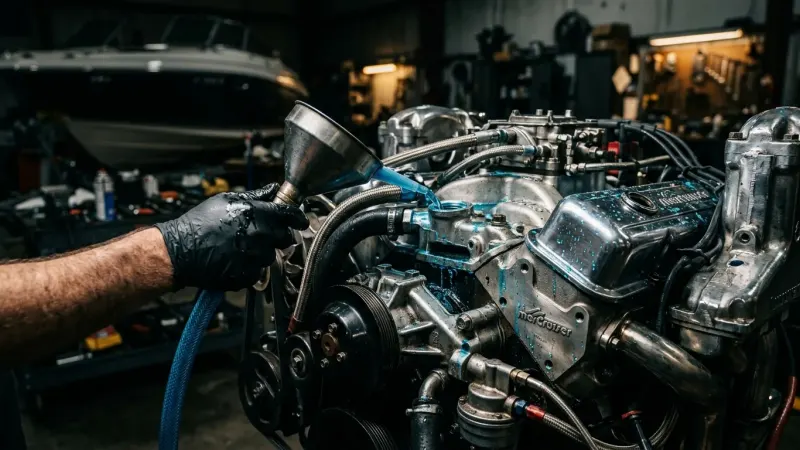
- Gear Lube: Drain and replace the gearcase lubricant. Look for water or metallic flakes – signs of potential issues.
- Water Pump Impeller: This rubber component circulates cooling water. It’s often replaced every 100-300 hours or every 2-3 years, as it can stiffen and fail over time.
- Anodes (Zinc/Aluminum): Inspect and replace sacrificial anodes. These prevent galvanic corrosion by “sacrificing” themselves to protect vital metal components.
- Battery: Clean terminals, check electrolyte levels (if applicable), and ensure it holds a charge.
Routine Care (After Each Use):
- Freshwater Flush: Always flush your engine with fresh water after saltwater use to prevent corrosion in the cooling passages. Flushing attachments make this easy.
- Visual Inspection: Look for loose wires, fuel leaks, or any unusual signs.
Winterizing (For Cold Climates):
- Fuel Stabilization: Add fuel stabilizer to your tank and run the engine for a few minutes to circulate it. This prevents fuel breakdown and gumming.
- Fogging: Spray fogging oil into the carburetor or throttle body (as per manufacturer instructions) to protect internal engine components from rust during storage.
- Gear Lube & Impeller: Perform annual gear lube change and consider impeller replacement before storage.
- Battery Care: Remove the battery, clean it, and store it in a cool, dry place on a trickle charger.
Common Troubleshooting Tips
Even with perfect maintenance, issues can arise. Here are quick checks for common problems:
- Engine Won’t Start:
- Fuel: Is there fuel in the tank? Is the fuel line connected and the primer bulb firm? Is the emergency kill switch lanyard in place?
- Spark: Are the spark plug wires connected? Are the plugs fouled?
- Battery: Is it charged? Are the connections clean and tight?
- Engine Runs Rough/Stalls:
- Fuel Filter: A clogged fuel filter is a common culprit.
- Spark Plugs: Fouled or old plugs can cause misfires.
- No Water Stream from Tell-Tale (Overheating):
- Water Pump: Likely a worn impeller.
- Clogged Intake: Check for seaweed or debris blocking the water intake screens on the lower unit.
Your Outboard, Your Freedom
An outboard engine is more than just machinery; it’s your ticket to freedom, discovery, and creating those cherished family memories on the water. Whether you’re navigating the quiet coves of a coastal day trip or powering your tender back to your Beneteau Oceanis after a shore excursion, a well-understood and maintained outboard ensures your journey is smooth, safe, and utterly enjoyable.
By following these tips, you’re not just performing maintenance; you’re investing in countless sunrises and sunsets, the thrill of the catch, and the serene joy of simply being afloat. So, get out there, explore, and let your outboard power your next great story!